
Black History
COMMENTARY: COVID-19 — My Personal Battle from a Positive to a Negative Result
NNPA NEWSWIRE — On that Friday, March 27th, things took a drastic turn for the worse, as it relates to my health. I began to cough, and what I thought would be regular phlegm coming out, turned out to be a significant amount of bright red blood. As this continued to happen, I made the decision to call the Chief Medical Officer for United Memorial Medical Center (UMMC), Dr. Joseph Varon and share my update. After hearing my status, Dr. Varon implored me to come to the UMMC Emergency Room (ER) immediately, which I prepared to do. Before I got off the phone with him, however, he hit me with the update I was anxious to finally receive, but with some news I was definitely hoping and praying not to hear. Dr. Varon informed me that I had tested “POSITIVE” for the Coronavirus.


Jeffrey L. Boney Shares His Personal Journey of Surviving the Coronavirus and Dealing with the Emotional and Mental Anguish Required to Overcome COVID-19
By Jeffrey L. Boney, NNPA Newswire Contributor
“Jeffrey, unfortunately, your test came back positive for the Coronavirus.”
Hearing those words from the doctor, March 27th, shook me to the core.
Was that a death sentence for me?
Was it a coincidence that my mom years earlier had died in the same month of March?
Was this really how my life was going to end?
The news reports I had been watching and reading reported dire results relative to those who had contracted the virus. Death tolls were rising. Governors began searching for beds and ventilators for people who were being impacted by this virus.
Honestly, I felt like the odds were stacked against me.
The journey for me started with a very slight cough. On March 17th, I started experiencing internal digestive symptoms that I initially assumed was a result of me not eating anything that day. It was a Tuesday, which meant it was Press Day at the Houston Forward Times, where I serve as the Associate Editor. Now, it wasn’t uncommon for me to skip breakfast and skip lunch in order to remain laser focused on getting the newspaper done. However, when I started feeling faint, I decided to get something to eat.
I made my way down to the Reggae Hut around 5:30 pm and ordered the oxtails, rice and peas and the vegetables, along with a beef patty and a Kola Champagne to drink. I made my way back down to my office with my plate and I ate a little bit of the rice and peas; a little of the vegetables; and barely ate one of the oxtails, before closing the container and putting the plate in the refrigerator. That was the last time I saw that plate or my office.
The next day, I not only had a continuous loss of appetite, I also had stomach pain and was experiencing heavy and unusual bouts of diarrhea. I even had an episode where I went to the bathroom and while on the way, I passed out and was disoriented. I woke up lying on the floor in a sweat, trying to figure out what happened to me. I drank lots of water, tried natural remedies and ceased all of my normal activities. None of that worked or changed my situation.
I self-quarantined and self-isolated for eight days – from Tuesday, March 17th to Wednesday, March 25th. During that time, I contacted my primary care physician, who informed me that continuing to self-quarantine was probably the best option at the time, considering the symptoms I was experiencing.
I decided to reach out to my good friend, State Representative Ron Reynolds to express my concerns about my health status, as well as get his advice on whether he thought I should go through one of the drive-thru testing sites that had recently opened. I desperately wanted to get tested, primarily for my peace of mind, but also because I was concerned for my family. They were still living in the same house as me.
I saw the news. I read the media reports online and on social media. It was clear, based on those reports, that I was not displaying the type of respiratory symptoms that the majority of COVID-19 patients were reported to have been experiencing, such as shortness of breath or having a heavy cough. There were also reports that the only way a person could be tested was if they were elderly or a first responder. I was deeply concerned.
A few days after my call with Rep. Reynolds, I received a call on my cell phone from U.S. Congresswoman Sheila Jackson Lee on Wednesday, March 25th. She had heard I was experiencing a health challenge and asked me some questions. Congresswoman Jackson Lee then immediately informed me that she wanted me to come down to United Memorial Medical Center (UMMC) on Tidwell to get tested right away. I wasted no time. I asked the Congresswoman for the address and immediately got dressed to make my way to UMMC.
As I was driving to the hospital, Congresswoman Jackson Lee told me that she had already spoken to the Chief Medical Officer for United Memorial Medical Center (UMMC), Dr. Joseph Varon, and that he was prepared to receive me and administer the test.
I was so relieved that I would be able to get tested and get a definitive on whether I had contracted the COVID-19 virus or not.
I arrived to UMMC and was met by Dr. Varon. He walked with me inside to the place where I was to be tested, and he immediately tried to put me at ease. I was told by Dr. Varon that my test results would take anywhere from 24-48 hours to come back, so I waited patiently and eagerly.
As anxious as I was to find out the results on the following day, I decided to give it another day.
On that Friday, March 27th, things took a drastic turn for the worse, as it relates to my health. I began to cough, and what I thought would be regular phlegm coming out, turned out to be a significant amount of bright red blood. As this continued to happen, I made the decision to call Dr. Varon and share my update. After hearing my status, Dr. Varon implored me to come to the UMMC Emergency Room (ER) immediately, which I prepared to do.
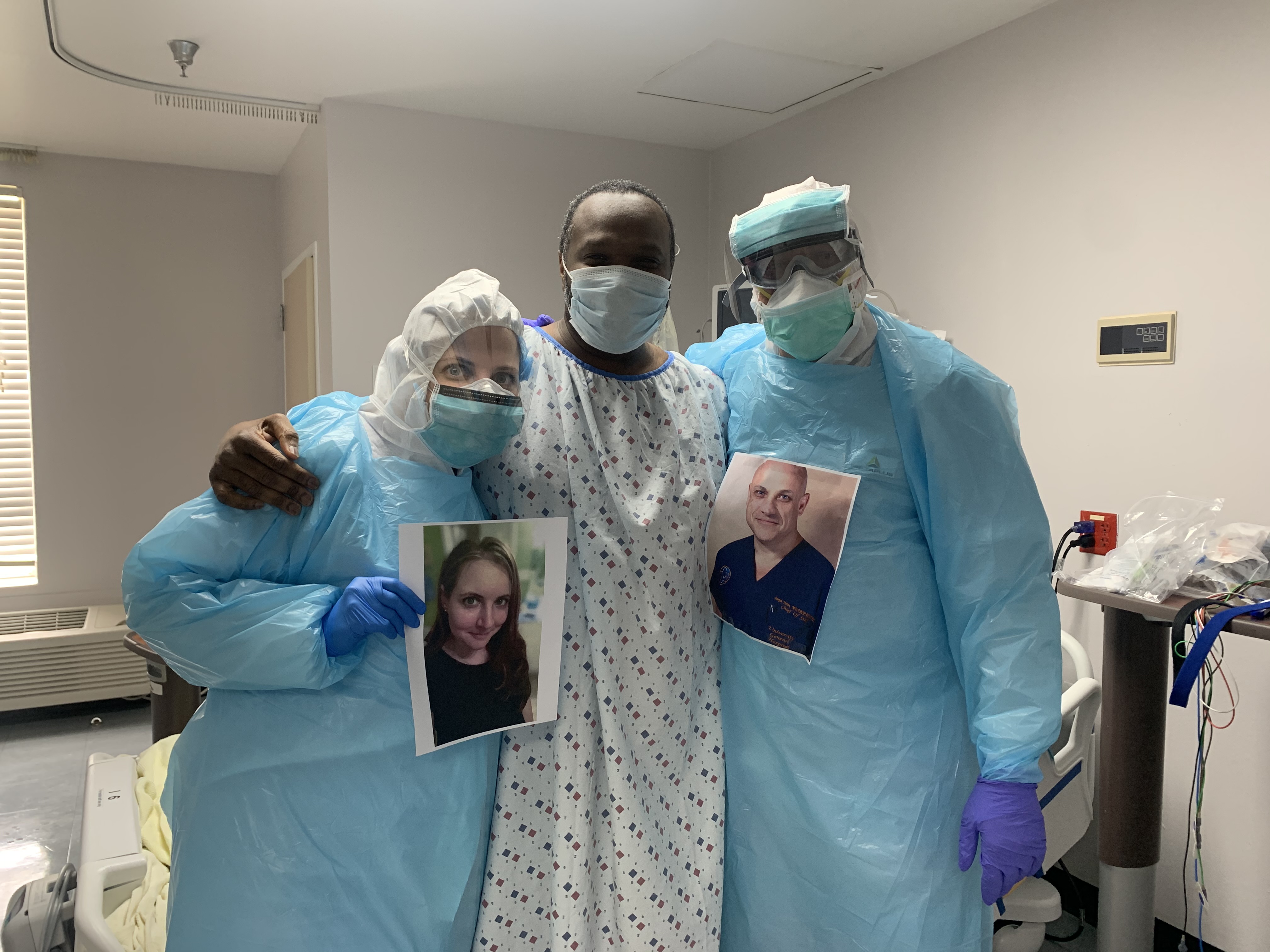
Jeffrey L. Boney with his doctor, Dr. Joseph Varon and his nurse, Jerusha Brown Harshman
Before I got off the phone with him, however, he hit me with the update I was anxious to finally receive, but with some news I was definitely hoping and praying not to hear. Dr. Varon informed me that I had tested “POSITIVE” for the Coronavirus.
I was shook. My family was stunned. I am a married father of three. My family is everything.
Upon my arrival, there were two large signs that said STOP. My wife, who had followed me to the hospital, was not allowed inside. I was met by medical staff and they ushered me into a room in the ER. She stood outside awaiting word. The nursing staff immediately went to work, initially drawing blood and then taking some vitals at the order of Dr. Varon.
As events would unfold, Dr. Varon would turn out to be one of the primary angels of medicine that made the difference relative to my Coronavirus recovery efforts.
One of the first things Dr. Varon ordered his medical staff to do with me upon my arrival to the ER was to do a CT Scan. For those who may not know, a CT Scan is more detailed than a regular X-ray, and allows doctors to see inside your body by using a combination of X-rays and a computer to create images of your organs and other things inside your body.
Of course, I didn’t know why a CT Scan was being performed on me at the time, nor did I know what the end result would be. Let me just say that performing that CT Scan on me was the best thing that could have ever happened to me, because it revealed something major that was going on inside my body that couldn’t be seen by looking at me from the outside. The CT Scan revealed that my lungs showed a severe case of pneumonia, as well as other issues involving my vital organs that came as a result of the Coronavirus.
It was decided at that moment that I needed to be admitted to the Intensive Care Unit (ICU) right away. It was then that I realized how serious things were, and it was the moment that I knew that I was going to have to rely on my faith in God.
I called my wife to tell her I was being admitted and informed her that I was not going to be able to have any visitation throughout my time in the ICU. I was on a mental and emotional roller coaster at this point. I didn’t know how long I would be in ICU, but more importantly, whether I would make it out alive. I could not help but think about the time in 2003 when my wife and I took my mom to the ER because she was ill. It was a life-altering experience for me.
After being seen by doctors in the ER, the medical staff informed us that my mom would need to be admitted to address her serious health condition, which turned out to be worse than believed.
My wife and I decided to stay with her, but my mom kept telling us to go home, get some rest and come back the next morning. We stayed anyway. They moved her in the wee hours of the morning to a different floor. It was then that I told her that I was not be going very far, as I chose to sleep at my mother-in-law’s house because it was closer to the hospital than my house was.
As reluctant as I felt leaving my mom at that hospital, nothing compares to the phone call I received from the hospital, no more than five minutes after I laid my head down on the pillow. The nurse on duty called to inform me that my mom had stopped breathing and had slipped into a coma. I mean, right after I left.
They told me that there was a shift change and that my mom had been given a specific medication, and by the time the new nurse on duty went to check on my mom, they became aware of the situation.
I was devastated. I felt guilty. I felt as if I was there, I could’ve possibly done something. Several months later, my mother passed away and I never forgot that moment.
As I was being prepared to go to ICU myself, I was reminded of my mom’s experience, and I was instantly bombarded with memories and emotions about what she endured. I also struggled with the mental anguish of worrying about a virus that reportedly has no cure or vaccine to fight it. I knew I needed to draw on something greater than myself to get through this ordeal.
On Friday, March 27th, the journey towards fighting the Coronavirus had truly just begun.
Not only did I have a severe case of pneumonia when I entered ICU, my liver and kidneys also needed to be protected from the virus; my heart rate was through the roof; my heart condition worsened and I was headed to the point of potential heart failure; my blood pressure was high; I had a sharp pain in my right side; I continued to have heavy diarrhea episodes; and I still had a loss of appetite. Things were not looking good for me and I felt horrible. I began to wonder if I was ever going to get better.
From the very beginning, I had to rely on my faith in God, as I continued to deal with the mental anguish of being in this Coronavirus-specific ICU area, particularly knowing that there were people around with breathing issues and hearing machines go off all day and night, and as I regularly looked at the news and read reports showing the number of people dying on a daily basis as a result of the virus.
I needed a miracle.
Because I didn’t have any respiratory issues, just digestive issues, it caused the doctors to develop a treatment plan for me that was different than other patients they had been treating prior to my arrival to the hospital. Dr. Varon and Dr. Joseph Gathe, Jr. oversaw my care. They created a whole Coronavirus cocktail, which included heavy doses of Vitamin C, which was specific to my treatment. Per Dr. Varon, my case taught them that they must use high dose blood thinners on every Coronavirus patient admitted to the hospital.
After several days, my symptoms began to subside, and my appetite came back in a major way. I longed for my breakfast, lunch and dinner, and couldn’t wait to eat it. Dr. Varon eventually informed me that all of my vital organs had returned to normal and that my blood work and vital signs were solid.
Finally, I felt like I was turning a corner and getting better. That was until a second CT Scan was performed, which revealed more shocking and devastating news regarding my health condition.
When the results of my second CT Scan came back, it revealed that I had been diagnosed with a pulmonary embolism in my right lung. A pulmonary embolism occurs when blood clots block the flow of blood to the lungs. A pulmonary embolism can be fatal and life-threatening, which is why Dr. Varon and his team promptly took the necessary steps to address the blood clot and reduce my risk of death. I was immediately placed on blood thinner medication.
I continued to follow the instructions of the doctors until I received that wonderful news that on Sunday, April 5th, I had made significant and miraculous improvement, and subsequently was being discharged to go home to my family. I was so thrilled, yet still deeply concerned because I still didn’t know whether I was still “POSITIVE” with the Coronavirus.
I was concerned about my family and praying they would be fine. Prior to being discharged, I had another COVID-19 test done and was awaiting the results. I self-isolated once again, until I got my second test results. After several days, I got the results and tested “NEGATIVE” for the virus. Because I wanted to be completely sure before interacting with my family again, the doctors administered another COVID-19 test and those results came back “NEGATIVE” as well.
This was a long and faith-filled journey, to which I still am slated to have to deal with this blood clot in my right lung for the next six months or so. I will continue to fight and do what I am supposed to do. In the meantime, I am encouraging everyone, especially my African American brothers and sisters, to get tested. I believe everyone should be tested immediately, regardless of whether you have symptoms or not.
This is NOT a drill.
This virus is unrepentant and aggressive and can spread quickly to anyone who comes in contact with it. Listen to your local leaders and medical professionals to help stop the community spread.
I am a living witness that you can contract this virus and how it impacts you. Don’t ignore your symptoms and don’t ignore the seriousness of this virus. Don’t be selfish and just think about yourself. Think about your family, friends, neighbors, co-workers, loved ones and those you don’t know. Stay safe!
Giants can be intimidating. The fight can many times be tough. Sometimes we lose. Sometimes we win. The common thread in winning versus losing is giving it all you have when you are in the midst of a fight. In the Bible, David showed us that giants can indeed fall. This was my journey, and this is my testimony.
I am forever grateful to God and to everyone who uttered a prayer, shared an encouraging word, providing any resources or sent positive energy my way.
My family and I greatly appreciate each and every one of you. God bless you, and let’s do everything in our power to defeat this horrible and vicious COVID-19 virus.
Jeffrey L. Boney is a political analyst and international correspondent for the NNPA Newswire and BlackPressUSA.com and serves as Associate Editor for the Houston Forward Times newspaper. Jeffrey is an award-winning journalist, dynamic international speaker, experienced entrepreneur, business development strategist and founder and CEO of the Texas Business Alliance. Follow Jeffrey on Twitter @realtalkjunkies.





Black History
Don’t Pass the Torch. Expand the Circle.
Alpha Kappa Alpha Sorority, Inc. is redefining mentorship by empowering undergraduate women to take active roles in high-level organizational governance. Instead of asking young leaders to wait their turn, the sorority is integrating students like Noah M.P. Harris into international boards and planning committees alongside seasoned veterans like Dr. Tonja L. Ringgold. This intergenerational model aims to combat professional burnout and systemic barriers by offering meaningful responsibility and guidance today, rather than in the distant future, to learn how this approach is transforming leadership. read more.

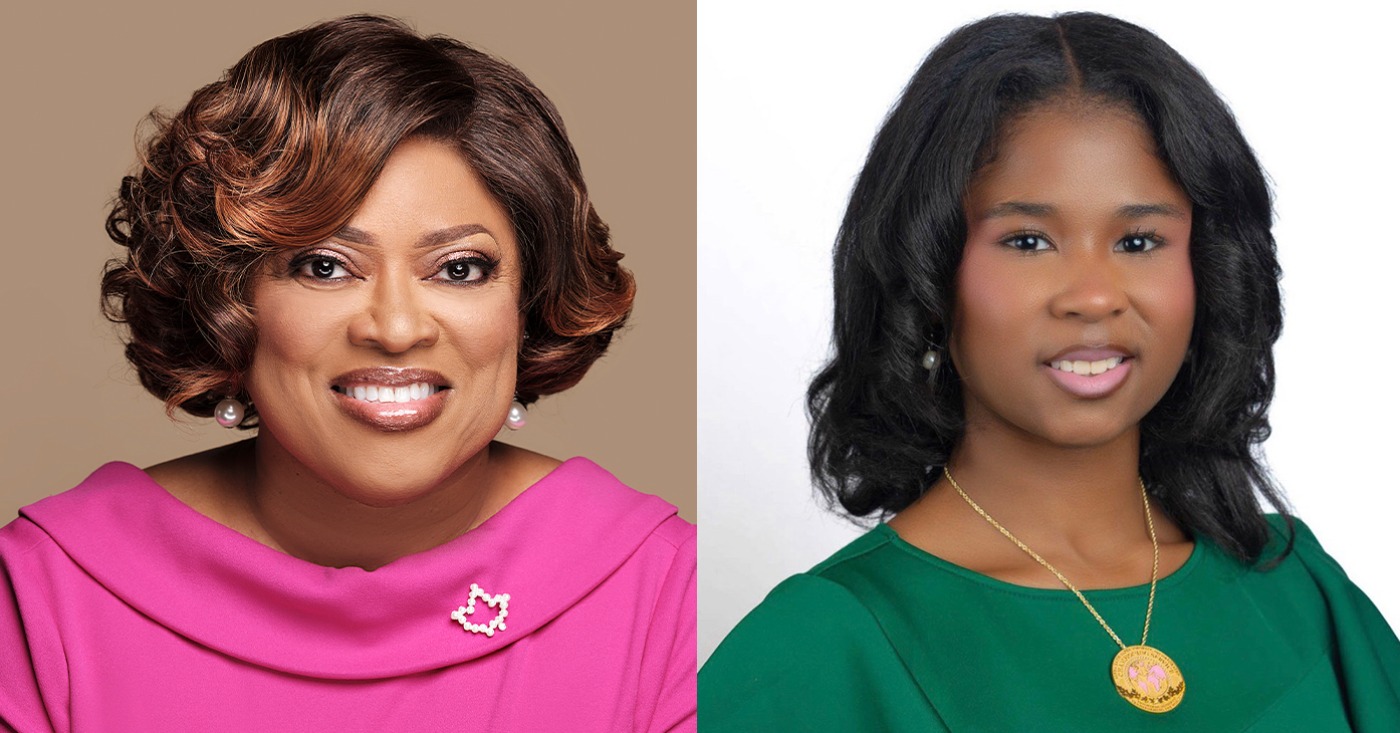
On Nov. 14, hundreds of undergraduate women gathering at Morgan State University in Baltimore for Alpha Kappa Alpha Sorority’s Undergraduate Leadership Institute will do more than listen to presentations. They will run the program. Graduate advisers will take seats in the back of the room.
This is intentional. Too many institutions invite young people to observe leadership without trusting them to exercise it. We believe the future of leadership depends not on one generation stepping aside for another, but on generations sharing responsibility now.
We have seen the difference from two vantage points.
For Dr. Ringgold, Morgan State is where that journey began. Initiated into Alpha Kappa Alpha’s Alpha Delta Chapter in 1982, she recently reunited with two sorority sisters who guided her as an undergraduate, including a former chapter president whose example still informs her leadership today. Forty-four years later, she returns as director of the sorority’s North Atlantic Region, keenly aware of what it means when someone invests in a young woman’s potential. The homecoming carries added significance: Alpha Delta, chartered in 1926, is celebrating its centennial; and the chapter that shaped her is still helping shape new leaders.
For Ms. Harris, leadership is not a distant destination. She is a Bowie State University senior and president of its Eta Chapter who, this summer, was elected Alpha Kappa Alpha’s International Second Vice President. As an undergraduate member of the sorority’s international governing board, she carries student perspectives into decisions affecting the organization. A 2025 Leadership Fellows experience encouraged her to seek that larger platform. To her, leadership is measured by the people she can serve, not simply the position she holds.
Our experiences challenge a familiar assumption: Young people must wait their turn. Founded in 1908 by Black college women, Alpha Kappa Alpha now counts more than 390,000 initiated members across more than 1,122 chapters. That reach brings a responsibility to open doors, not merely preserve tradition.
Deloitte’s 2026 global survey found that 76% of Gen Z respondents were interested in pursuing senior leadership roles eventually, although only 6% of surveyed Gen Z and millennials named leadership their primary career goal. Many cited burnout, excessive responsibility and work-life balance as concerns. Young people are not necessarily avoiding leadership. They are questioning the conditions under which it is exercised.
At a time when companies are pulling back on women’s advancement, Black women face persistent barriers. McKinsey and LeanIn.Org’s 2025 report found that among companies studied, only 60 Black women were promoted to manager for every 100 men. Telling young women to wait their turn cannot fix an unequal pathway to leadership.
Experience matters. Seasoned leaders carry institutional memory, hard-won judgment and relationships that take years to build. But experience cannot develop in a waiting room. Young leaders need meaningful assignments, honest guidance and room to make mistakes. Experienced leaders must also be prepared to reconsider familiar ways of doing things.
We see that exchange in our own relationship. Ms. Harris draws on Dr. Ringgold’s decades of sorority service and higher education experience. Dr. Ringgold listens when Ms. Harris speaks, recognizing that younger perspectives can challenge assumptions and reveal better approaches. Neither of us has all the answers. Both of us have something to contribute.
Our upcoming Undergraduate Leadership Institute will put that principle into practice. Undergraduate members will lead, with graduate members offering guidance and expertise. We’re taking the same approach in planning our 96th North Atlantic Regional Conference, scheduled for March 2027, where undergraduate counterparts will work alongside graduate vice chairs in operations, programming, social activities and logistics. They’ll help plan an event serving the entire region, not just their undergraduate peers.
That is the distinction between inclusion and influence. A seat at the table means little if the people invited cannot help determine what happens there.
Businesses, colleges, nonprofits and civic organizations can do the same. Pair mentorship with meaningful assignments. Involve emerging leaders in decisions before those decisions are final. Give them resources and room to grow. When they challenge a familiar practice, ask whether it still serves its purpose.
We should not ask experienced leaders to disappear or young leaders to wait. The goal isn’t to pass the torch and walk away. It’s to expand the circle of people empowered to lead and build stronger institutions together.
Dr. Tonja L. Ringgold is the North Atlantic Regional Director of Alpha Kappa Alpha Sorority, Incorporated. Noah M.P. Harris, a senior at Bowie State University, is the sorority’s International Second Vice President and president of its Eta Chapter.
Black History
Nixon Unbought, Unbossed and Undeterred Following U.S. Senate Defeat – Free Press of Jacksonville
Angie Nixon, who garnered over 3 million votes in her bid for the U.S. Senate, expressed disappointment after losing to Ashley Moody with a narrow margin of 50-48. Despite the defeat, she remains dedicated to holding elected officials accountable on healthcare and community issues and plans to challenge Moody again in 2028. Nixon highlighted the essential role of Black women in her campaign, noting their significant support and efforts to mobilize voters. Despite a lower voter turnout in Duval County compared to previous elections, grassroots efforts by local activists, particularly Black women, were notable. Nixon aims to inspire future generations of leaders and voters, emphasizing the importance of civic engagement.
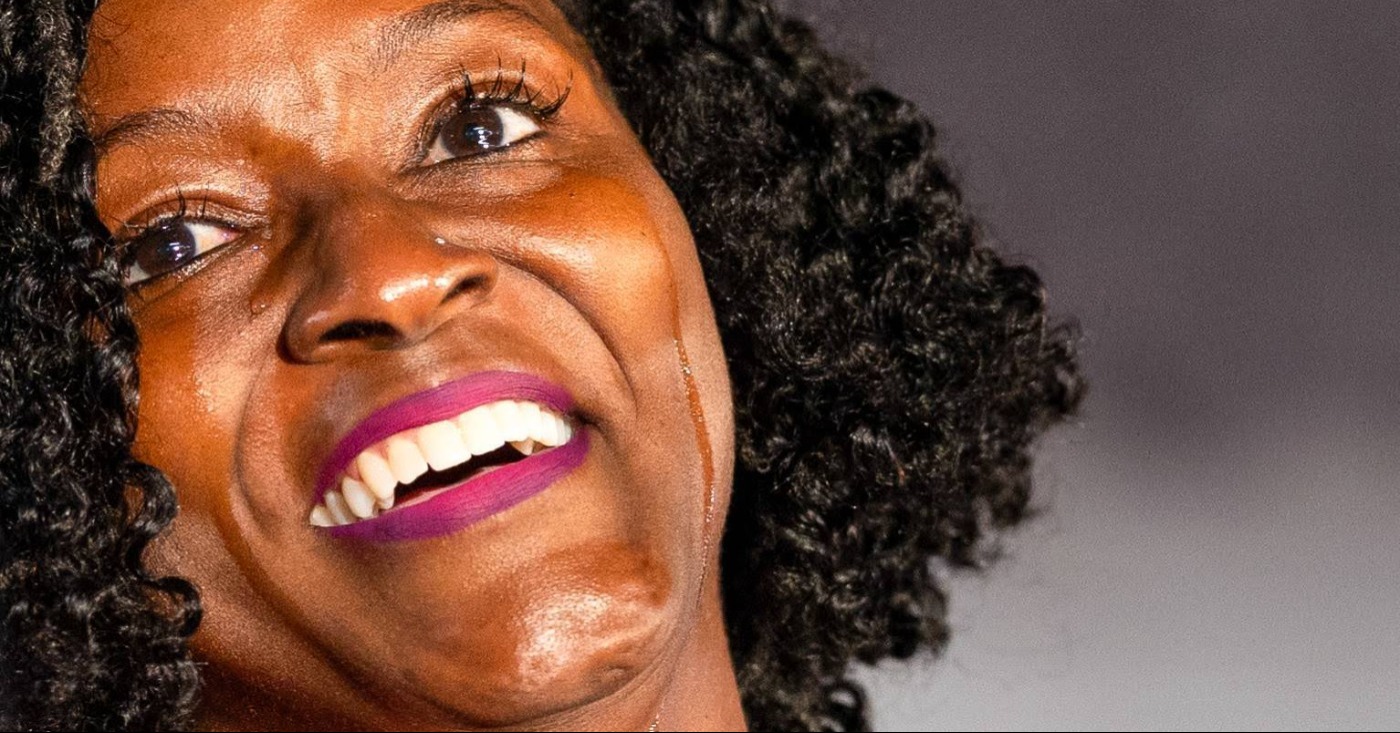
A Black woman from the heart of Moncrief earned the support of more than 3 million Floridians this election season.
Angie Nixon did not become the first Jacksonville resident to serve in the U.S. Senate since 1936.
At least not yet.
The 42-year-old organizer, small business owner, politician and mother says she will challenge Senator-elect Ashley Moody in 2028.
“I’m disappointed in the outcome, but I’m ready to get back to work – everyone is – because we’re going to make sure that Ashley Moody is held accountable for making sure that people have access to quality healthcare, a roof over their head, food on the table, and trying to lower these costs,” Nixon said on Tuesday night. “So, I’m OK. I’m not happy with the outcome, but I’m ready to get to work.”
That fact that Nixon came so close can only be attributed to the scores of Black women who supported her campaign.
Some were on staff, others volunteered, tens of thousands more voted for the former state representative who has used her bullhorn to bulldoze through staid situations in Tallahassee.
A Black woman has never won statewide office in Florida. Nixon’s 50-48 loss to Moody means it still hasn’t happened.
Not many politicians would walk onto a stage after losing a statewide race playing Bonecrusher’s “Never Scared”.
Nixon faced racist attacks from an advisor to President Donald Trump. Nazi rhetoric was used on Fox News to describe Nixon’s supporters. Yet, they traversed the state – from Marathon to Marianna; from Sarasota to South Florida – connecting with voters.
The forlorn, yet hopeful faces of so many Black women in the audience said more than their words could muster. Some were pastors, others were elected officials. One, Sandra Thompson, attended the March on Washington for Jobs and Freedom in 1963.
Thompson spent Election Day providing information to voters outside the Legends Center in Sherwood.
“It’s a very important election,” Thompson said. “We are electing our new leaders: the governor, a senator, and the House of Representatives. We need to get it right.”
If Thompson’s presence at Nixon’s campaign party was any indicator, people did not get it right.
Despite the chance to send a Jacksonville native to the U.S. Senate, hundreds of thousands of Duval County voters did not cast a ballot this year.
Preliminary data from the Duval County Supervisor of Elections shows only 55 percent of eligible voters participated this year.
Felicia Demps was not going to miss this election season. She brought five of her grandchildren with her inside the polling booth.
“They came home, and their teacher said, ‘We need to vote.’ I said, ‘Well, let’s go!”
Demps says she is a reliable Democrat who supported lowering property taxes, supported the 1-mil tax extension for Duval County Public Schools, and cares about community.
“Everyone needs to get together. Everyone wants the streets fixed until it’s time to vote,” Demps said. “The most important thing is: we want these things; but we won’t get out and vote.”
This year’s turnout is better than 2022, when Gov. Ron DeSantis won re-election for fun. But it’s lower than the 63 percent of Duval voters who turned out – many of whom hoped Andrew Gillum would become Florida’s first Black governor.
Black women were at the heart of the local effort to inform and motivate voters.
Cortina Floyd spent three hours waving signs along Moncrief Road ahead of the Northwest Classic football game between Raines and Ribault. Floyd and her Sigma Gamma Rho Sorority, Inc. sisters were among the nearly 50 people who sported Black Greek-letter organizations and informed voters last week.
“As a Black educator, I feel it’s important for me to do my civic duty,” Floyd said.
Exit polling indicates Black women in Jacksonville, in Florida and beyond, did their civic duty.
Afterward, girls of all ages danced on stage after the Associated Press called Florida’s Senate race in Moody’s favor. As they danced, they were unencumbered by the burdens and expectations that are placed on the bodies, minds, and souls of Black girls.
The organizer who lives on the Northside, in a household with multiple union members, says it was not her dream to run for the U.S. Senate. But the woman who openly invoked Shirley Chisholm and Fannie Lou Hamer on the campaign trail committed to doing what she could to help the next generation of girls.
“It’s not necessarily a dream personally. I just want to help people,” Nixon said on Tuesday night. “I wanted to make sure that we’re improving their lives. But the young people that came up to me tonight, they’re excited. They’re ready to continue to do the work and ready to, actually, build a better vision for their future. I’m all hands on deck with them, helping them grow as leaders and helping register more voters so that we can actually win.”
Black History
MHU Commemorates ASCORE and Anniversary of Desegregation
THE URBAN NEWS — UNC Asheville and Mars Hill University are collaborating to host a series of commemorative events marking the 65th anniversary of their desegregation. The programming honors Etta Mae Whitner Patterson and Oralene Anderson Graves Simmons, two former members of the Asheville Student Committee on Racial Equality (ASCORE) who became the first Black students at their respective institutions in 1961.
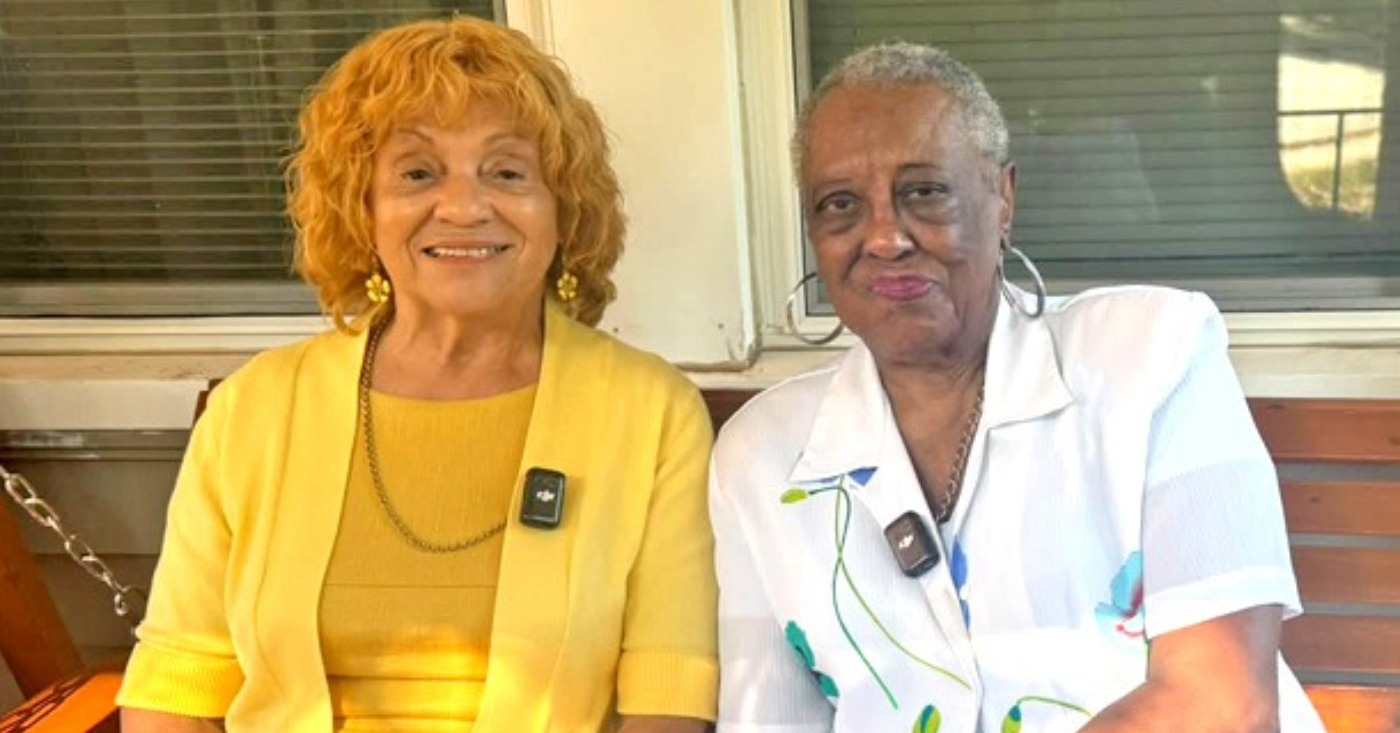
A week of events at UNC Asheville, Mars Hill University, and downtown Asheville.
In 1961, two young women broke the color barrier to become the first African American students at two Western North Carolina colleges: Etta Mae Whitner Patterson at UNC Asheville and Oralene Anderson Graves Simmons at Mars Hill University (then Mars Hill College).
Both women were students at Asheville’s Stephens-Lee High School, where they were members of the Asheville Student Committee on Racial Equality (ASCORE). Through nonviolent protest, ASCORE led efforts to desegregate many Asheville stores and businesses.
Patterson and Simmons, who later founded the Martin Luther King Jr. Association of Asheville and Buncombe County, have since received honorary doctorates from their alma maters in recognition of their achievements and lifelong service to their communities.
To commemorate ASCORE, honor the leadership of Etta Patterson and Oralene Simmons, and mark the 65th anniversary of the desegregation of UNC Asheville and Mars Hill University, UNC Asheville’s Department of History and Mars Hill University’s Liston B. Ramsey Center for Appalachian Studies invite the public to attend “Stories of ASCORE: Lessons in Courage, Desegregation, and Community Activism.”
The program will feature two panel discussions with Drs. Patterson and Simmons, along with other former members of ASCORE. Panelists will discuss how their experiences integrating Asheville’s businesses and institutions prepared them for their college careers, professional lives, and continued community activism.
The first panel discussion will take place at 6 p.m. on Tuesday, November 10, 2026, in the Blue Ridge Room of Highsmith Union at UNC Asheville. The event will feature a presentation by Dr. Patterson and a panel discussion with Dr. Simmons, Marvin Chambers, Jesse Ray, and Al Whitesides. The panel will be moderated by Deborah Miles, retired director of the former UNC Asheville Center for Diversity Education.
This event is sponsored by UNC Asheville’s Department of History and Africana Studies Program, with generous support from King and Pam Prather. A free visitor parking permit is required for the UNC Asheville event. Please visit the university’s parking website for instructions on obtaining a permit for the evening’s program.
The second panel discussion will take place at 5 p.m. on Thursday, November 12, 2026, in the Tony and Terry Floyd Conference Center in the Mars Hill University Campus Center. The event will feature Dr. Simmons, Annette Coleman, and Elizabeth Colton. The panel will be moderated by Jonathan McCoy, professor of history at Mars Hill University.
This event is sponsored by the Liston B. Ramsey Center for Appalachian Studies, with generous support from the university’s Provost’s Office.
In addition, at 12 noon on Wednesday, November 11, 2026, in Pack Square in downtown Asheville, Mayor Esther Manheimer and the Buncombe County Commission Chair will proclaim ASCORE Day and present honors to Etta Patterson and Oralene Simmons. Holly Jones of the North Carolina Governor’s Office will also participate in the ceremony.
For more information, contact Leila Weinstein at Mars Hill University ([email protected]) or Ellen Holmes Pearson at UNC Asheville ([email protected]).
Based on reporting by The Urban News.
Black History
HBCU Love: Spelman’s Dr. Letitia Plummer Makes History as Harris County’s First Black Elected County Judge
TEXAS METRO NEWS — Former Houston City Council member Dr. Letitia Plummer has made history as the first Black person elected to serve as the Harris County Judge. The Spelman College alumna defeated Republican Orlando Sanchez in the general election for Texas’ most populous county, receiving approximately 62% of the vote.
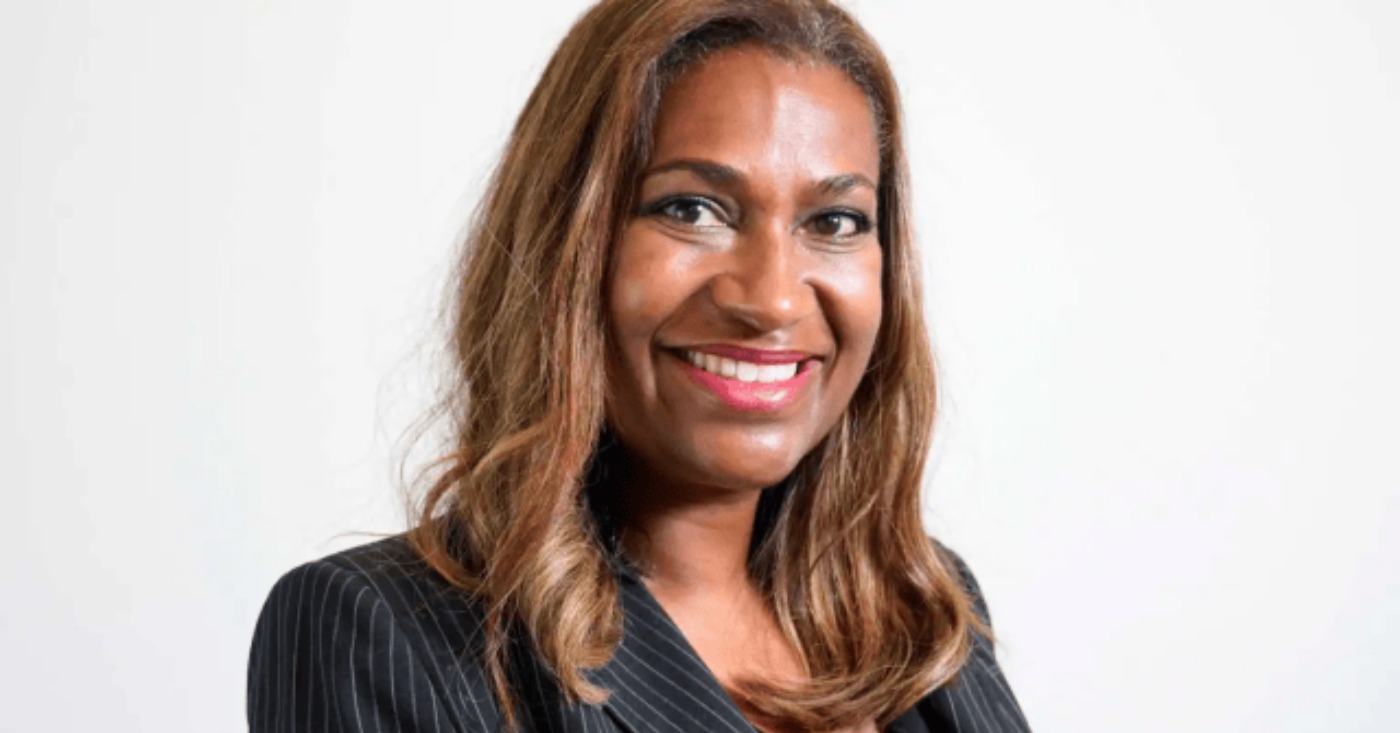
Letitia Plummer is the next Harris County judge, and the Spelman College alumna made history in Texas’ most populous county. On Tuesday night, the former Houston City Council member defeated Republican Orlando Sanchez. As a result, she becomes the first African American elected to lead Harris County.
Early unofficial results showed Plummer with about 62% of the vote to Sanchez’s 38%. Shortly after 9 p.m., Sanchez called Plummer to concede. He then asked his supporters to back her once she takes office.
The win also makes her the first Muslim elected to the post. According to the Houston Chronicle, that makes her the highest-ranking Muslim executive official in Texas history.
A Historic Night in Houston
Plummer succeeds Lina Hidalgo, who chose not to seek another term. Now, a Spelman woman takes over the top job in a county of nearly 5 million people.
ADVERTISEMENT
In Texas, the county judge is not a courtroom role. Instead, the job leads the Commissioners Court, which runs the county’s budget, roads, flood control and public health. So the seat carries real power over daily life in the Houston region.
The general election was never especially close. However, the road to November was brutal. In the March 3 primary, Plummer finished second behind former Houston Mayor Annise Parker. Parker took about 47% to Plummer’s 37%, sending the race to a runoff.
Then Plummer flipped the script. On May 26, she beat Parker in the runoff with about 51% of the vote. From there, she turned to Sanchez and never looked back. Houston Public Media has full coverage of election night.
Letitia Plummer’s Road From Linkwood to Harris County Judge
Plummer grew up in Linkwood, a neighborhood south of Brays Bayou near Buffalo Speedway. Her family history runs deep in Houston. Her grandfather was a Tuskegee Airman flight instructor. After the war, he became the first African American investigator for the Harris County district attorney.
ADVERTISEMENT
Her father, Matthew Plummer Jr., studied dentistry at Harvard. Later, he served in the Peace Corps, where he met her mother in Africa. Her mother brought Yemeni and Indian roots to the family. As a result, Plummer grew up in a multicultural household that shaped her outlook.
As a teen, she attended what is now DeBakey High School for Health Professions. Then she headed to Atlanta for Spelman. There, she joined Alpha Kappa Alpha Sorority, Inc.
After Spelman, she came home to Texas for dental school at Baylor College of Dentistry. Like her father, she became a dentist. She went on to own dental practices in the Houston area, including in Pearland.
From Dental Chair to City Hall
Plummer’s political career started with a 2018 run for Congress. She made the Democratic runoff in Texas’ 22nd District but lost to Sri Preston Kulkarni. Still, the campaign put her on the map.
A year later, she won Houston City Council At-Large Position 4. She took office in January 2020. In doing so, she became the first Muslim woman elected to the Council.
On the Council, she focused on police reform, food deserts and apartment inspections. She also chaired the Government Operations Committee. Notably, fellow Spelman alumna Carolyn Evans-Shabazz served alongside her on the Council.
In 2025, she launched her campaign for county judge. Then she timed her exit from the Council so the city could fill her seat during a regular election. That move saved Houston the cost of a standalone special election.
What She Ran On
Plummer pitched herself as a unifier for a Commissioners Court that has often split along party lines. She promised to build stronger working relationships among its members.
She also called for better county services and changes to the county’s Flock camera contract. In addition, she pushed back on state leaders for exerting authority over Harris County.
On election night, she spoke about her personal struggles with surrogacy. She said that experience helped inspire her decision to run.
Why Letitia Plummer’s Win Matters for Spelman
Spelman women had a big night across the country Tuesday. In New York, alumna Adrienne Adams won the lieutenant governor’s race. Now Plummer will run one of the largest counties in America.
Together, the wins show how far the Spelman network reaches in politics. Both women built careers outside government before winning office. And both broke barriers on the way up. For more on the school, check out our Spelman College coverage. You can also follow our Keisha Lance Bottoms coverage for more HBCU wins from election night.
What Comes Next
Plummer will take office in January. Between now and then, she will build her team and prepare for the county budget fight. For more on her path, the Houston Chronicle tracked her rise through a political roller coaster year.
Stay with HBCU Buzz for continued coverage of Harris County Judge-elect Letitia Plummer as she prepares to take office.
In this article:HBCU LOVE, Letitia Plummer, Spelman’s Dr. Letitia Plummer Makes History as Harris County’s First Black Elected County Judge
Based on reporting by Texas Metro News.
Black History
Jason Driver Named St. Louis Public Library CEO
ST. LOUIS AMERICAN — The St. Louis Public Library has appointed Jason Driver as its next chief executive officer following a national search. Driver, a veteran administrator with 27 years of experience, currently leads the Kitsap Regional Library in Washington and previously served in several roles at the Chicago Public Library. He is scheduled to take over the 15-location system on January 4, succeeding longtime leader Waller McGuire. The appointment follows a period of notable activity for the system and recent management discussions in Driver’s current role. Read more.
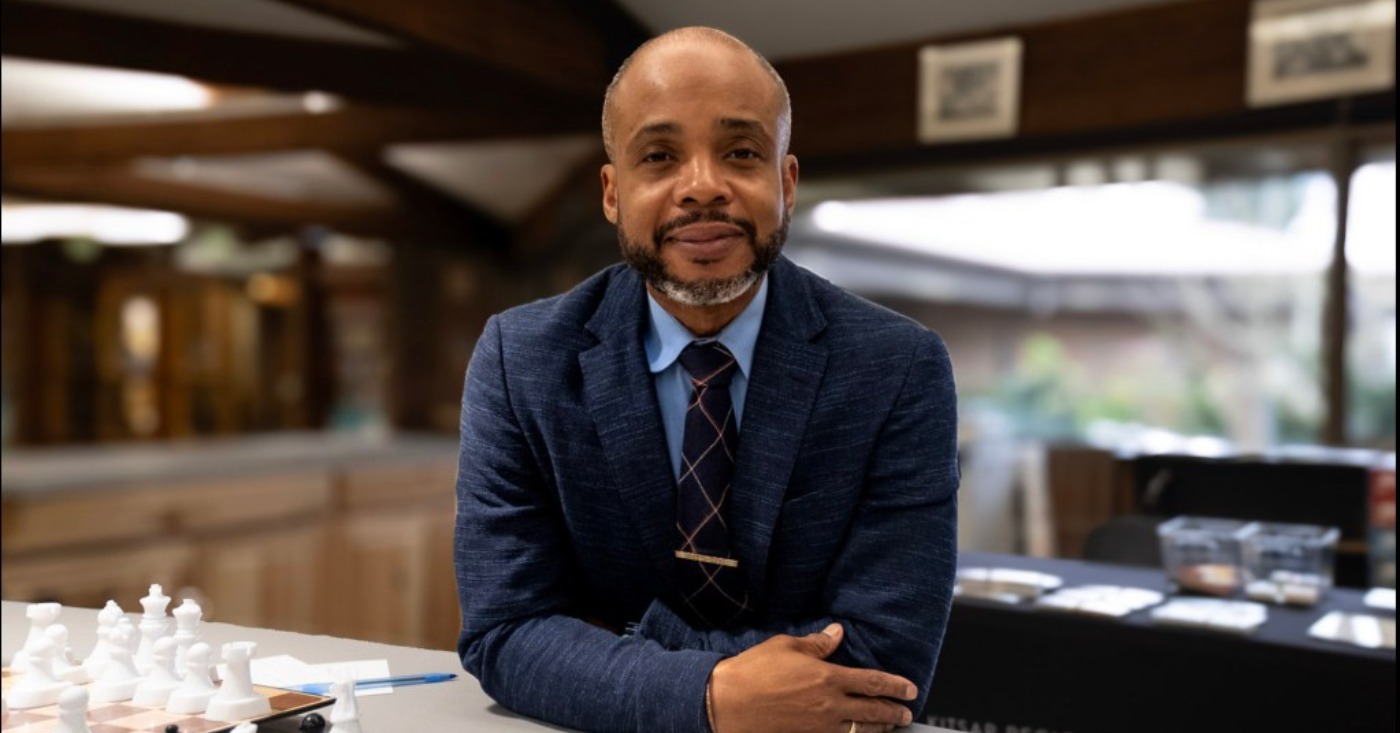
Jason Driver, a veteran library administrator with more than 27 years of experience, has been named the next chief executive officer of the St. Louis Public Library, taking over a 15-location system that serves more than 135,000 active cardholders.
Driver, who has led Kitsap Regional Library in the state of Washington since 2022, will begin his new position Jan. 4, succeeding Waller McGuire, who retired in October after 37 years with the St. Louis library system, including 22 years as its leader.
The appointment follows a national search and comes after the St. Louis system was named Missouri’s 2026 Library of the Year, in part for its response to the devastating May 2025 tornado. The library helped residents during the recovery, including through a tool-lending program established to assist with home repairs.
Driver told Sarah Fenske of St. Louis Magazine that he has no immediate plans to overhaul the system, which he described as a “well-oiled machine.”
“I’m a firm believer in one needing to follow before they can lead,” he said.
He plans to spend time learning from employees and the library board before deciding what changes might be needed.
Driver, a Chicago native, began his career working with young people in foster care through the Illinois Department of Children and Family Services. He later joined the Chicago Public Library, where he held positions ranging from children’s librarian and early literacy specialist to branch manager, regional director and district chief.
At Kitsap, Driver has overseen strategic planning, finances, communications and public services for a nine-branch system.
His selection follows several months of workplace controversy there, where union-represented employees questioned his management practices.
The Washington Public Employees Association raised concerns in May about communication, personnel decisions and branch closures. Union members later voted no confidence in Driver and called for his removal, according to reporting by Kitsap News Group.
A three-month independent investigation did not substantiate allegations of unlawful gender discrimination, retaliation or misconduct violating library policies. The Kitsap library board supported Driver’s continued leadership but acknowledged that communication, trust and workplace relationships needed improvement.
The board also said some employee concerns involving labor relations, collective bargaining and working conditions fell outside the investigation’s scope.
Driver told St. Louis Magazine he respected the union’s right to raise concerns and viewed the experience as an opportunity to improve communication.
“I definitely embrace the union to be able to have that pathway to speak out when there are things that they don’t agree with,” he said.
The St. Louis Public Library board independently confirmed the investigation’s findings with Kitsap trustees before hiring Driver, according to the St. Louis Business Journal.
“After a national search, the Board of Directors believes we have found in Jason an outstanding leader with the vision and experience to lead SLPL forward,” board President Nina North-Murphy said in a statement.
Driver will receive an annual salary of $240,000, the Business Journal reported.
Driver said returning to an urban library system was among the attractions of the St. Louis position. His background in social services, he said, helped prepare him to work with people from a wide range of circumstances.
“I felt like the background I had in social services really helped me to deal with some of the things we deal with in urban libraries,” he told Fenske.
He said libraries offer opportunities to serve people who might otherwise face barriers to accessing community resources.
“St. Louis is a wonderful city, it has a strong library core, and it certainly has a number of opportunities to dig in and help advance the mission and help the people of St. Louis,” Driver said.
The post Jason Driver named St. Louis Public Library CEO appeared first on St. Louis American.
Based on reporting by St. Louis American.
Black History
Superb Woman: Destiny B. Sadler
TEXAS METRO NEWS — Destiny B. Sadler is a dynamic entrepreneur and empowerment coach who serves as a Top Executive with the global beauty brand LimeLife by Alcone. A graduate of Southern University, Sadler leverages her background in leadership and community impact to mentor others on the transformative power of confidence.
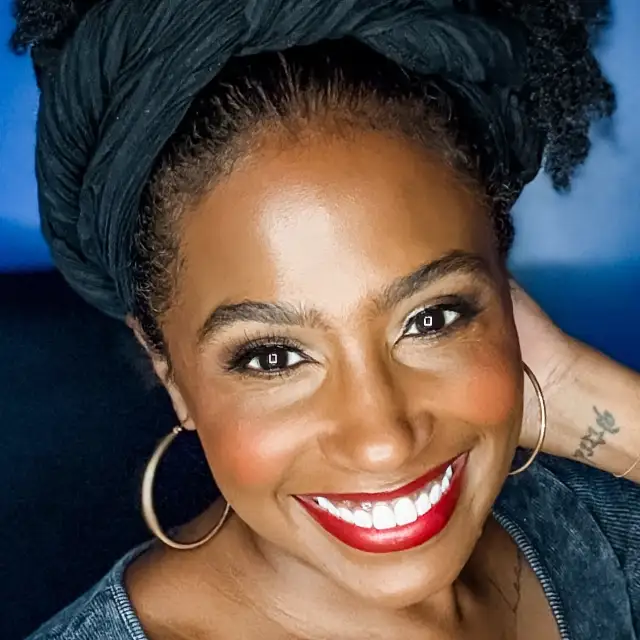
Destiny B. Sadler is a dynamic entrepreneur, digital creator, and empowerment coach dedicated to helping individuals look, feel, and live at their absolute best. With a background rooted in leadership and community impact, she serves as a Top Executive with the global beauty brand LimeLife by Alcone, where she mentors a growing network of beauty guides and champions the transformative power of confidence.
Driven by a passion for personal development and education, Destiny founded YSTBYOU and You’re Simply the Best Kids, an educational services organization focused on building foundational confidence and leadership skills in youth. She’s a graduate of Lamar High School and Southern University. Destiny’s life work centers on a simple, powerful philosophy: embracing who you are is the ultimate key to success.
Based on reporting by Texas Metro News.


2027 Nissan Frontier PRO-4X: Is the Seat Too Low? #shorts

Frontier PRO-4X Off-Road Features That Make Rough Terrain Easier #shorts

How Electric Vehicles Work: Motors, Batteries, and EV Basics #shorts

What Black Houston did on November 3

Wanna hold election winners accountable? Do this:

Is the 2027 Chevy Bolt RS Worth $38,940? #shorts
Ballots, Black Press & Veterans: Voices That Matter!

Ayanna Pressley Calls for Action 📱

Ayanna Pressley Calls for Action

Rear Seat Legroom Test: Will Adults Fit Comfortably? #shorts

Practitioners of African Traditional Spirituality Offer Ancestral Reverence Ritual Oct. 31

Tamiko Armstead | 2026 Lifetime Achiever in Education

HISTORY MADE: Keisha Lance Bottoms Becomes First Black Woman Elected Governor in American History

OP-ED: The Black Church Writes AI’s Next Chapter

Inside 820 S. Michigan: New Book Captures the Lost World of Ebony and Jet

OP-ED: If the ‘Cornell 7’ Were Black Men at an HBCU — America Wouldn’t Be This Sympathetic

Kickstarter CEO Everette Taylor Shares Tips on Creating and Growing a Business

While Black Families Pay More for Power, Some Attorneys General Fight to Save High-Cost Coal

BLACK MEN VOTE: Mobilizing 100,000 Black Men Ahead of the Midterms 📱

NFN live presents 🎙️ THE ROAD TO BEYOND IWDM 50: WE CANNOT STOP NOW! 8-Week Podcast
2027 Nissan Frontier PRO-4X: Is the Seat Too Low? #shorts
Frontier PRO-4X Off-Road Features That Make Rough Terrain Easier #shorts
How Electric Vehicles Work: Motors, Batteries, and EV Basics #shorts
What Black Houston did on November 3
Wanna hold election winners accountable? Do this:
Is the 2027 Chevy Bolt RS Worth $38,940? #shorts
Ayanna Pressley Calls for Action 📱
Ayanna Pressley Calls for Action
Rear Seat Legroom Test: Will Adults Fit Comfortably? #shorts

L I V E | Scott Colom Speaks for the First Time as Mississippi’s Senator-Elect | Tougaloo College
-
 Black History1 week ago
HISTORY MADE: Keisha Lance Bottoms Becomes First Black Woman Elected Governor in American History
-
 Black History1 week ago
Christianity’s Racial History
-
 Black History1 week ago
Michael Shiner: The Enslaved Man Who Wrote His Way into American History
-
 Black History1 week ago
Five Hospitals Said No! Who Will Help Annette Henry Recover?
-
 Black History1 week ago
Hundreds of Black Christian Leaders Arriving in Israel for Martin Luther King-Inspired Mission
-
 Black History5 days ago
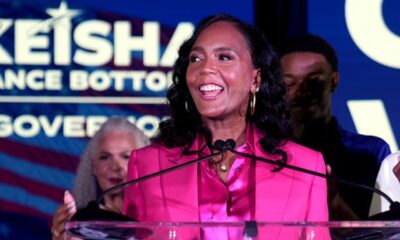
Keisha Lance Bottoms to Govern State Where Her Great-Great-Grandfather Was Enslaved
