
Black History
Cincinnati’s First Black Female Juvenile Court Judge Faces Jail Time After Sham Trial Exposes Racism, Cronyism and Corruption
NNPA NEWSWIRE — Tracie Hunter, Cincinnati’s first African-American female Juvenile Court Judge in Hamilton County’s 110-year history, who’s also a church pastor in Cincinnati, remains buoyed by the support of so many including The Coalition for a Just Hamilton County which is composed of members from the Interdenominational Ministry Alliance; the Cincinnati Chapter of the NAACP; the local chapter of Al Sharpton’s National Action Network; the Black United Front; the Southern Christian Leadership Council; the Nation of Islam and others.


By Stacy M. Brown, NNPA Newswire Correspondent
@StacyBrownMedia
Cincinnati, the third largest city in Ohio, sits on a hilly landscape along the Ohio River at the Kentucky border just opposite Covington and Newport.
It’s ice cold temperatures during the winter is only surpassed by the cold-blooded racial history of the Queen City.
Nearly 20 years after a race riot wreaked destruction downtown and many of the city’s already worn neighborhoods, the City Council called for a study to identify practices that might contribute to institutional racism.
What they haven’t addressed is the travesty of a racially- and politically-motivated conviction of Tracie Hunter, Cincinnati’s first African-American female Juvenile Court Judge in Hamilton County’s 110-year history.
Hunter was also the first Democrat to serve in that capacity.
However, on July 22, Hunter is scheduled to begin a six-month jail sentence.
She was convicted for “securing a public contract” – she says that she still doesn’t know what that means.
Shockingly, the jury was mostly comprised of wives of her political foes, and friends, attorneys and neighbors of the prosecutor.
One juror worked for WCPO Television, a station that has filed numerous lawsuits against Hunter.
Another juror was a lawyer who worked at the firm that represented WCPO.
Court documents revealed that the jury foreman contributed $500 to state Sen. Bill Seitz, the father of county jury coordinator Brad Seitz, who was responsible for compiling the panel of jurors.
Three black jurors, none of whom had known ties to prosecutors and all of whom held out for acquittal, ultimately succumbed to pressure by other panelists and a judge who refused to allow defense lawyers to poll the jury after announcing the verdict.
In all American trials, particularly those that end in guilty verdicts, it’s the right of attorneys to request the judge to poll all 12 jurors to ensure each were in agreement with the verdict.
“The judge refused a motion for a retrial after he refused to poll the jury, in clear violation of the law and at the request of my attorney,” Hunter told NNPA Newswire during the annual National Newspaper Publishers Association (NNPA) annual convention in Cincinnati.
Hunter was joined by a large group of supporters sporting black T-shirts imprinted with the logo, “Justice for Judge Tracie Hunter.”
“At the close of the trial, three jurors came forward and said that their finding was ‘not guilty’ and if Judge Norbert Nadel had polled the jury, they would have said so,” Hunter said.
After being convicted on one of 10 counts filed against her, Hunter lost her appeal.
However, she and her supporters were quick to point out that the judge presiding over the appeal was none other than Prosecutor Joe Deters’ mother-in-law, Judge Sylvia Hendon.
Representatives for Deters and Hendon declined to comment to NNPA Newswire.
Hunter, who earned her undergraduate degree from Miami University in 1988 and her Juris Doctorate from the University of Cincinnati College of Law in 1992, won election in 2010, stunning the Republican-led city by defeating GOP contender John Williams.
Williams and the GOP contested Hunter’s victory and a heated court battle and numerous appeals by the Hamilton County Board of Elections which refused to count more than 800 votes from majority Democrat and Black precincts, ensued.
Hunter then filed a federal lawsuit to have those voted counted.
While the court finally ordered those votes to be counted, election officials still certified Williams as the victor.
However, once the votes were counted, the election was overturned in Hunter’s favor.
The 18-month period proved pivotal because then-Gov. John Kasich appointed Williams to the bench and the state Supreme Court changed the rules giving Williams administrative authority over the court.
As the senior judge and the only one elected, Hunter would have received the position of administrative judge.
Still, Hunter worked behind the bench to protect the rights of children including refusing to allow their names and faces to appear in news coverage.
Among other things, she instilled a system that focused on rehabilitation instead of incarceration.
Hunter mandated prosecutors turn over all critical evidence to defense lawyers.

Tracie Hunter, Cincinnati’s first African-American female Juvenile Court Judge in Hamilton County’s 110-year history, who’s also a church pastor in Cincinnati, is surrounded by member publishers of the Black Press of America during the National Newspaper Publishers Association 2019 Annual Convention’s Welcome Reception on June 26 in Cincinnati, OH.
She forced juvenile court to change its entire reporting system; outlawed the routine shackling of juveniles in her courtroom; exposed that juvenile case statistics were being inaccurately reported and falsified to the Ohio Supreme Court; hired African Americans in key positions; reduced default judgments; and spearheaded the change of state election laws which paved the way for ex-felons to vote.
“I also bought in people from outside of Cincinnati who affirmed that shielding these 12-year-old kids faces and preventing their names from being in the media helped to reduce any chance that they’d have a repeat run-in with law enforcement,” Hunter said.
However, the Cincinnati Enquirer and WCPO Television joined Republican county officials in the prosecutors’ and commissioners’ offices in lawsuits challenging Hunter.
“They filed 30 lawsuits in less than 9 months that I was on the bench,” Hunter said.
After serving just 18 months, her enemies found a way to silence her and end her career.
Hunter was charged with theft for using her judicial credit card to appeal the lawsuits filed against her by Deters, the prosecutor.
Now, with her law license suspended and having exhausted any savings and appeals, Hunter is facing jail.
Further frustrating is that Hunter is the lone caregiver to her ailing and aging mother.
Hunter, who’s also a church pastor in Cincinnati, remains buoyed by the support of so many including The Coalition for a Just Hamilton County which is composed of members from the Interdenominational Ministry Alliance; the Cincinnati Chapter of the NAACP; the local chapter of Al Sharpton’s National Action Network; the Black United Front; the Southern Christian Leadership Council; the Nation of Islam and others.
“They’ve tried to stop me from telling my truth and all I have is my truth,” she said, noting that she’s mostly refrained from giving interviews because the local media has only used sound bites to try and embarrass her.
“I’ve lost hope in the justice system which is why I became a judge in the first place,” Hunter said. “I’ve not lost faith in God even though they’ve tried to drive me out of this city even with what the Ku Klux Klan did,” she said, alluding to when the hooded racist group threatened 12-year-olds and their families in front of North College Hill Elementary School after Hunter ruled that their faces and names couldn’t be used in the media.
“There is so much racism, so much nepotism and so much cronyism here in Cincinnati but I just hold on to the belief that the truth shall set you free and I will continue to stand on the truth,” she said.








Black History
MHU Commemorates ASCORE and Anniversary of Desegregation
THE URBAN NEWS — UNC Asheville and Mars Hill University are collaborating to host a series of commemorative events marking the 65th anniversary of their desegregation. The programming honors Etta Mae Whitner Patterson and Oralene Anderson Graves Simmons, two former members of the Asheville Student Committee on Racial Equality (ASCORE) who became the first Black students at their respective institutions in 1961.

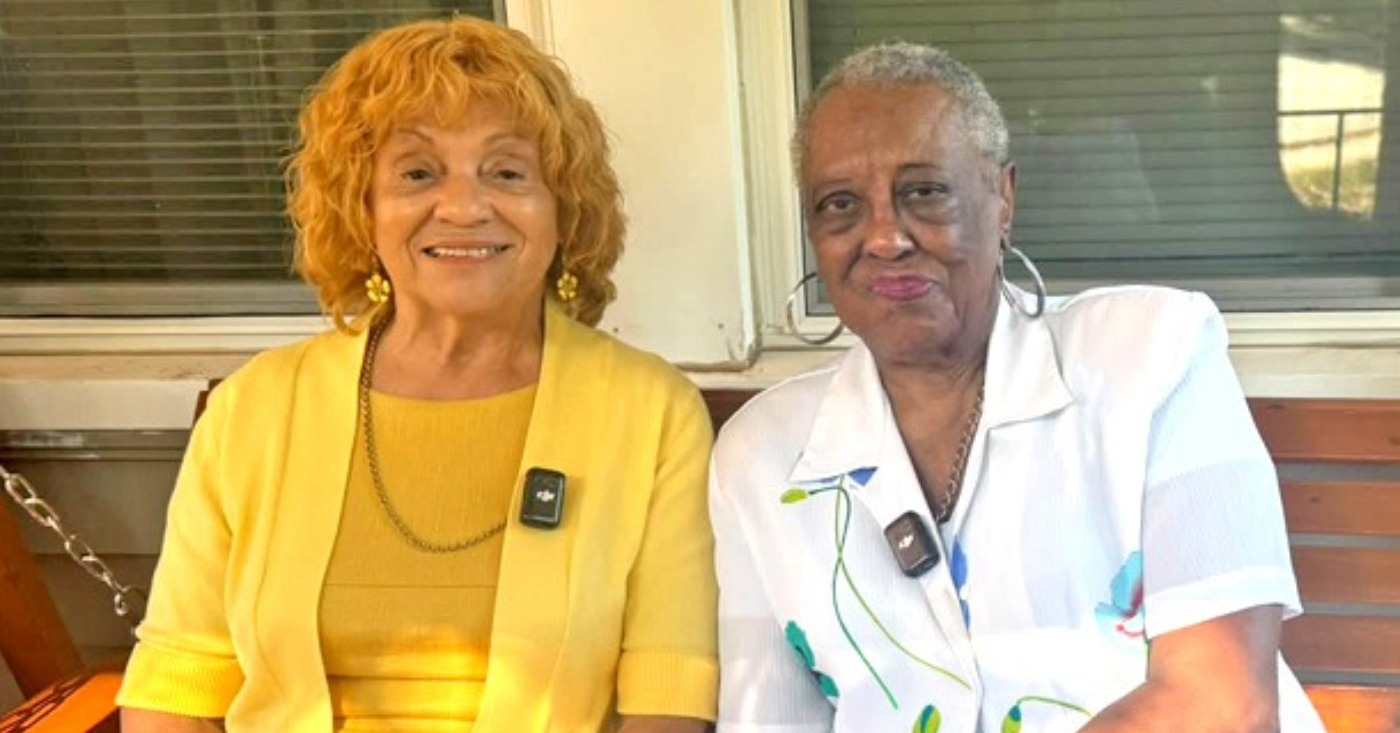
A week of events at UNC Asheville, Mars Hill University, and downtown Asheville.
In 1961, two young women broke the color barrier to become the first African American students at two Western North Carolina colleges: Etta Mae Whitner Patterson at UNC Asheville and Oralene Anderson Graves Simmons at Mars Hill University (then Mars Hill College).
Both women were students at Asheville’s Stephens-Lee High School, where they were members of the Asheville Student Committee on Racial Equality (ASCORE). Through nonviolent protest, ASCORE led efforts to desegregate many Asheville stores and businesses.
Patterson and Simmons, who later founded the Martin Luther King Jr. Association of Asheville and Buncombe County, have since received honorary doctorates from their alma maters in recognition of their achievements and lifelong service to their communities.
To commemorate ASCORE, honor the leadership of Etta Patterson and Oralene Simmons, and mark the 65th anniversary of the desegregation of UNC Asheville and Mars Hill University, UNC Asheville’s Department of History and Mars Hill University’s Liston B. Ramsey Center for Appalachian Studies invite the public to attend “Stories of ASCORE: Lessons in Courage, Desegregation, and Community Activism.”
The program will feature two panel discussions with Drs. Patterson and Simmons, along with other former members of ASCORE. Panelists will discuss how their experiences integrating Asheville’s businesses and institutions prepared them for their college careers, professional lives, and continued community activism.
The first panel discussion will take place at 6 p.m. on Tuesday, November 10, 2026, in the Blue Ridge Room of Highsmith Union at UNC Asheville. The event will feature a presentation by Dr. Patterson and a panel discussion with Dr. Simmons, Marvin Chambers, Jesse Ray, and Al Whitesides. The panel will be moderated by Deborah Miles, retired director of the former UNC Asheville Center for Diversity Education.
This event is sponsored by UNC Asheville’s Department of History and Africana Studies Program, with generous support from King and Pam Prather. A free visitor parking permit is required for the UNC Asheville event. Please visit the university’s parking website for instructions on obtaining a permit for the evening’s program.
The second panel discussion will take place at 5 p.m. on Thursday, November 12, 2026, in the Tony and Terry Floyd Conference Center in the Mars Hill University Campus Center. The event will feature Dr. Simmons, Annette Coleman, and Elizabeth Colton. The panel will be moderated by Jonathan McCoy, professor of history at Mars Hill University.
This event is sponsored by the Liston B. Ramsey Center for Appalachian Studies, with generous support from the university’s Provost’s Office.
In addition, at 12 noon on Wednesday, November 11, 2026, in Pack Square in downtown Asheville, Mayor Esther Manheimer and the Buncombe County Commission Chair will proclaim ASCORE Day and present honors to Etta Patterson and Oralene Simmons. Holly Jones of the North Carolina Governor’s Office will also participate in the ceremony.
For more information, contact Leila Weinstein at Mars Hill University ([email protected]) or Ellen Holmes Pearson at UNC Asheville ([email protected]).
Based on reporting by The Urban News.
Black History
HBCU Love: Spelman’s Dr. Letitia Plummer Makes History as Harris County’s First Black Elected County Judge
TEXAS METRO NEWS — Former Houston City Council member Dr. Letitia Plummer has made history as the first Black person elected to serve as the Harris County Judge. The Spelman College alumna defeated Republican Orlando Sanchez in the general election for Texas’ most populous county, receiving approximately 62% of the vote.
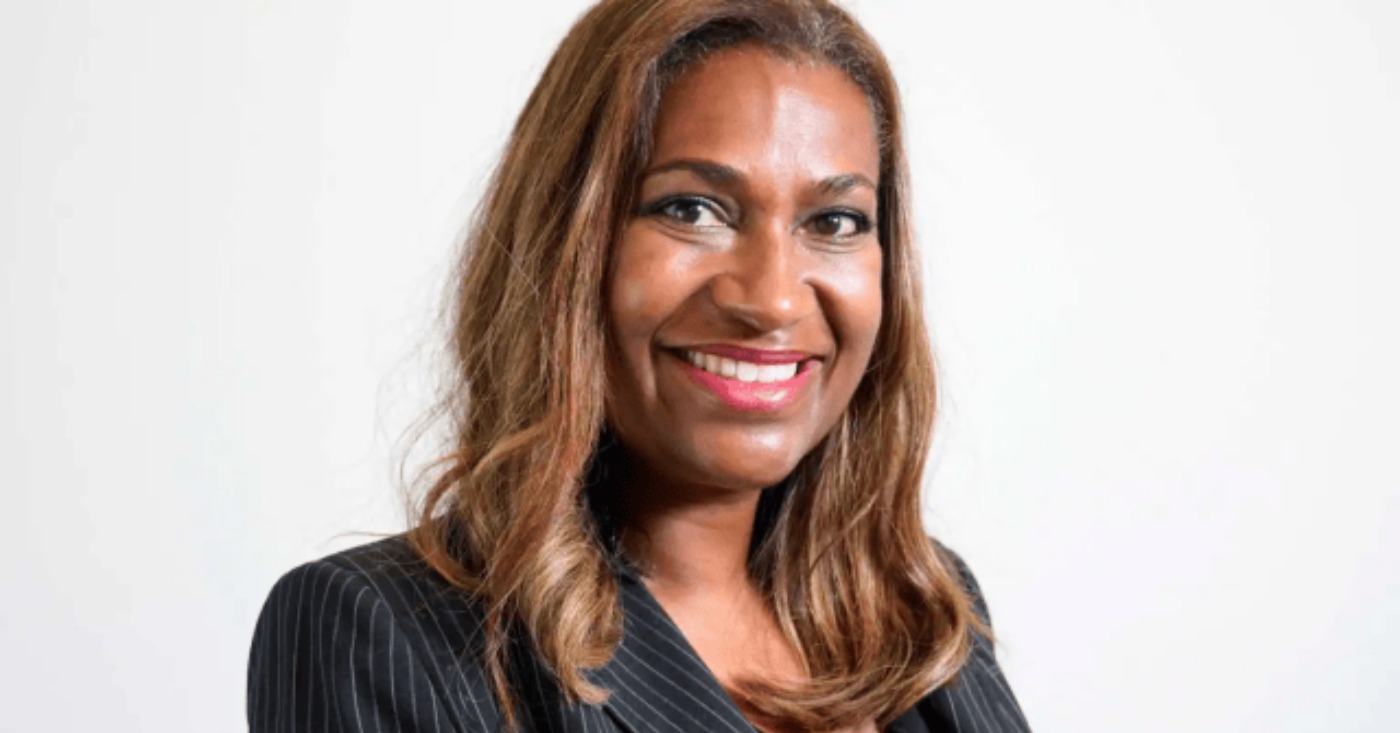
Letitia Plummer is the next Harris County judge, and the Spelman College alumna made history in Texas’ most populous county. On Tuesday night, the former Houston City Council member defeated Republican Orlando Sanchez. As a result, she becomes the first African American elected to lead Harris County.
Early unofficial results showed Plummer with about 62% of the vote to Sanchez’s 38%. Shortly after 9 p.m., Sanchez called Plummer to concede. He then asked his supporters to back her once she takes office.
The win also makes her the first Muslim elected to the post. According to the Houston Chronicle, that makes her the highest-ranking Muslim executive official in Texas history.
A Historic Night in Houston
Plummer succeeds Lina Hidalgo, who chose not to seek another term. Now, a Spelman woman takes over the top job in a county of nearly 5 million people.
ADVERTISEMENT
In Texas, the county judge is not a courtroom role. Instead, the job leads the Commissioners Court, which runs the county’s budget, roads, flood control and public health. So the seat carries real power over daily life in the Houston region.
The general election was never especially close. However, the road to November was brutal. In the March 3 primary, Plummer finished second behind former Houston Mayor Annise Parker. Parker took about 47% to Plummer’s 37%, sending the race to a runoff.
Then Plummer flipped the script. On May 26, she beat Parker in the runoff with about 51% of the vote. From there, she turned to Sanchez and never looked back. Houston Public Media has full coverage of election night.
Letitia Plummer’s Road From Linkwood to Harris County Judge
Plummer grew up in Linkwood, a neighborhood south of Brays Bayou near Buffalo Speedway. Her family history runs deep in Houston. Her grandfather was a Tuskegee Airman flight instructor. After the war, he became the first African American investigator for the Harris County district attorney.
ADVERTISEMENT
Her father, Matthew Plummer Jr., studied dentistry at Harvard. Later, he served in the Peace Corps, where he met her mother in Africa. Her mother brought Yemeni and Indian roots to the family. As a result, Plummer grew up in a multicultural household that shaped her outlook.
As a teen, she attended what is now DeBakey High School for Health Professions. Then she headed to Atlanta for Spelman. There, she joined Alpha Kappa Alpha Sorority, Inc.
After Spelman, she came home to Texas for dental school at Baylor College of Dentistry. Like her father, she became a dentist. She went on to own dental practices in the Houston area, including in Pearland.
From Dental Chair to City Hall
Plummer’s political career started with a 2018 run for Congress. She made the Democratic runoff in Texas’ 22nd District but lost to Sri Preston Kulkarni. Still, the campaign put her on the map.
A year later, she won Houston City Council At-Large Position 4. She took office in January 2020. In doing so, she became the first Muslim woman elected to the Council.
On the Council, she focused on police reform, food deserts and apartment inspections. She also chaired the Government Operations Committee. Notably, fellow Spelman alumna Carolyn Evans-Shabazz served alongside her on the Council.
In 2025, she launched her campaign for county judge. Then she timed her exit from the Council so the city could fill her seat during a regular election. That move saved Houston the cost of a standalone special election.
What She Ran On
Plummer pitched herself as a unifier for a Commissioners Court that has often split along party lines. She promised to build stronger working relationships among its members.
She also called for better county services and changes to the county’s Flock camera contract. In addition, she pushed back on state leaders for exerting authority over Harris County.
On election night, she spoke about her personal struggles with surrogacy. She said that experience helped inspire her decision to run.
Why Letitia Plummer’s Win Matters for Spelman
Spelman women had a big night across the country Tuesday. In New York, alumna Adrienne Adams won the lieutenant governor’s race. Now Plummer will run one of the largest counties in America.
Together, the wins show how far the Spelman network reaches in politics. Both women built careers outside government before winning office. And both broke barriers on the way up. For more on the school, check out our Spelman College coverage. You can also follow our Keisha Lance Bottoms coverage for more HBCU wins from election night.
What Comes Next
Plummer will take office in January. Between now and then, she will build her team and prepare for the county budget fight. For more on her path, the Houston Chronicle tracked her rise through a political roller coaster year.
Stay with HBCU Buzz for continued coverage of Harris County Judge-elect Letitia Plummer as she prepares to take office.
In this article:HBCU LOVE, Letitia Plummer, Spelman’s Dr. Letitia Plummer Makes History as Harris County’s First Black Elected County Judge
Based on reporting by Texas Metro News.
Black History
Jason Driver Named St. Louis Public Library CEO
ST. LOUIS AMERICAN — The St. Louis Public Library has appointed Jason Driver as its next chief executive officer following a national search. Driver, a veteran administrator with 27 years of experience, currently leads the Kitsap Regional Library in Washington and previously served in several roles at the Chicago Public Library. He is scheduled to take over the 15-location system on January 4, succeeding longtime leader Waller McGuire. The appointment follows a period of notable activity for the system and recent management discussions in Driver’s current role. Read more.
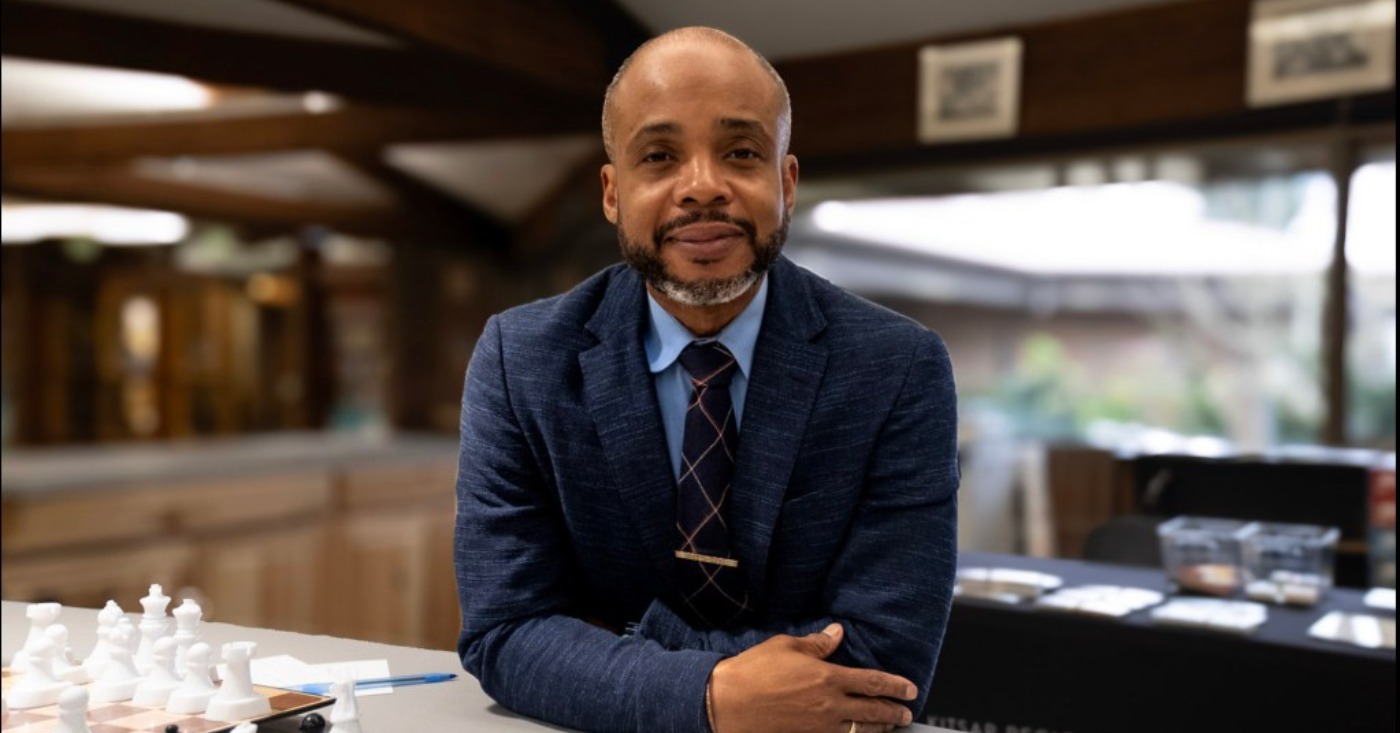
Jason Driver, a veteran library administrator with more than 27 years of experience, has been named the next chief executive officer of the St. Louis Public Library, taking over a 15-location system that serves more than 135,000 active cardholders.
Driver, who has led Kitsap Regional Library in the state of Washington since 2022, will begin his new position Jan. 4, succeeding Waller McGuire, who retired in October after 37 years with the St. Louis library system, including 22 years as its leader.
The appointment follows a national search and comes after the St. Louis system was named Missouri’s 2026 Library of the Year, in part for its response to the devastating May 2025 tornado. The library helped residents during the recovery, including through a tool-lending program established to assist with home repairs.
Driver told Sarah Fenske of St. Louis Magazine that he has no immediate plans to overhaul the system, which he described as a “well-oiled machine.”
“I’m a firm believer in one needing to follow before they can lead,” he said.
He plans to spend time learning from employees and the library board before deciding what changes might be needed.
Driver, a Chicago native, began his career working with young people in foster care through the Illinois Department of Children and Family Services. He later joined the Chicago Public Library, where he held positions ranging from children’s librarian and early literacy specialist to branch manager, regional director and district chief.
At Kitsap, Driver has overseen strategic planning, finances, communications and public services for a nine-branch system.
His selection follows several months of workplace controversy there, where union-represented employees questioned his management practices.
The Washington Public Employees Association raised concerns in May about communication, personnel decisions and branch closures. Union members later voted no confidence in Driver and called for his removal, according to reporting by Kitsap News Group.
A three-month independent investigation did not substantiate allegations of unlawful gender discrimination, retaliation or misconduct violating library policies. The Kitsap library board supported Driver’s continued leadership but acknowledged that communication, trust and workplace relationships needed improvement.
The board also said some employee concerns involving labor relations, collective bargaining and working conditions fell outside the investigation’s scope.
Driver told St. Louis Magazine he respected the union’s right to raise concerns and viewed the experience as an opportunity to improve communication.
“I definitely embrace the union to be able to have that pathway to speak out when there are things that they don’t agree with,” he said.
The St. Louis Public Library board independently confirmed the investigation’s findings with Kitsap trustees before hiring Driver, according to the St. Louis Business Journal.
“After a national search, the Board of Directors believes we have found in Jason an outstanding leader with the vision and experience to lead SLPL forward,” board President Nina North-Murphy said in a statement.
Driver will receive an annual salary of $240,000, the Business Journal reported.
Driver said returning to an urban library system was among the attractions of the St. Louis position. His background in social services, he said, helped prepare him to work with people from a wide range of circumstances.
“I felt like the background I had in social services really helped me to deal with some of the things we deal with in urban libraries,” he told Fenske.
He said libraries offer opportunities to serve people who might otherwise face barriers to accessing community resources.
“St. Louis is a wonderful city, it has a strong library core, and it certainly has a number of opportunities to dig in and help advance the mission and help the people of St. Louis,” Driver said.
The post Jason Driver named St. Louis Public Library CEO appeared first on St. Louis American.
Based on reporting by St. Louis American.
Black History
Superb Woman: Destiny B. Sadler
TEXAS METRO NEWS — Destiny B. Sadler is a dynamic entrepreneur and empowerment coach who serves as a Top Executive with the global beauty brand LimeLife by Alcone. A graduate of Southern University, Sadler leverages her background in leadership and community impact to mentor others on the transformative power of confidence.
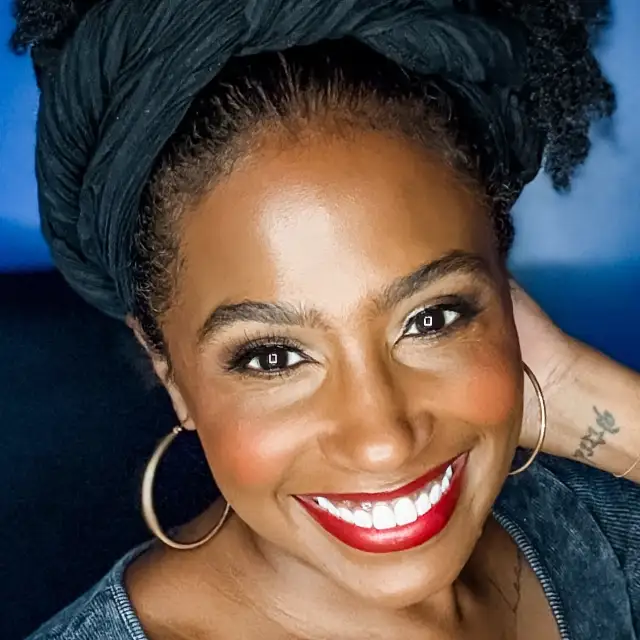
Destiny B. Sadler is a dynamic entrepreneur, digital creator, and empowerment coach dedicated to helping individuals look, feel, and live at their absolute best. With a background rooted in leadership and community impact, she serves as a Top Executive with the global beauty brand LimeLife by Alcone, where she mentors a growing network of beauty guides and champions the transformative power of confidence.
Driven by a passion for personal development and education, Destiny founded YSTBYOU and You’re Simply the Best Kids, an educational services organization focused on building foundational confidence and leadership skills in youth. She’s a graduate of Lamar High School and Southern University. Destiny’s life work centers on a simple, powerful philosophy: embracing who you are is the ultimate key to success.
Based on reporting by Texas Metro News.
Black History
Alabama HBCU Founders Win Nearly $20,000 at 2026 HBCU Business Pitch Competition
BIRMINGHAM TIMES — The Alabama Collective and Digitalundivided recently awarded $20,000 in cash prizes to student and alumni founders during the 2026 HBCU Business Pitch Competition. Held at Topgolf Birmingham during Magic City Classic week, the event featured 51 participants representing 10 different Alabama institutions.

Bryson Hannah celebrates his first-place finish in the 2026 HBCU Business Pitch Competition in Birmingham, earning $5,000 for Internably LLC, his networking platform connecting college interns across the country. (Alabama A&M) ” data-large-file=”https://www.birminghamtimes.com/wp-content/uploads/2026/11/pitchbryson1edit-1024×685.jpg” />
Special to the Times
The Alabama Collective and co-host Digitalundivided awarded $20,000 in cash prizes to HBCU student and alumni founders at the 2026 HBCU Business Pitch Competition, held Thursday, October 29, at Topgolf Birmingham as part of Magic City Classic week.
Fifty-one founders representing 10 Alabama institutions competed in a booth-style format, delivering three-minute pitches with no slides or audiovisual aids, followed by three minutes of questions from a panel of industry judges. Top scorers at each booth earned $1,000 and advanced to a live Pitch Finale.
Internably, LLC, founded by Bryson Hannah of Alabama A&M University, took first place and $4,000. Internably is a networking platform that connects college students, interns, and early career professionals by company, school, city, and career interests.
“I was blown away by these innovative business ideas and the go-to-market strategies,” says Modupe Rouse, Digitalundivided Chair and Pitch Finale Judge. “These student founders took the START program skills and leveled up. I cannot wait for the economic impact of their businesses in Alabama,” added Rouse.
“What we witnessed at this year’s competition was a powerful reminder of the incredible talent, creativity, and entrepreneurial potential emerging from Alabama’s HBCUs,” said Charisse Stokes, Executive Director of The Alabama Collective. “These 51 founders didn’t just show up with ideas — they showed up with vision, determination, and the confidence to turn those ideas into businesses. We’re especially proud that this year’s partnership with Digitalundivided allowed us to expand beyond the competition itself, equipping entrepreneurs with business skills to launch their businesses, coaching, and connections that will serve them long after the prizes are awarded. Our goal is not simply to celebrate great pitches, but to help build the next generation of successful entrepreneurs and business owners across Alabama.”
“Digitalundivided is delighted to partner with TAC in its work with Alabama HBCUs and in supporting the innovation and talent of students here,” says Leah D. Williams, CEO of Digitalundivided. “These student founders are the business leaders of tomorrow. We are excited to add the Digitalundivided network lifting them up as they climb towards their future achievements.”
2026 Pitch Finale Winners
First Place, $4,000: Internably, LLC — Alabama A&M University
Second Place, $3,000: FuelTrip — Alabama A&M University
Third Place, $2,000: NexU — Alabama A&M University
Top-Scoring Booth Winners, $1,000 each
• VARA — Talladega College
• Yardly — Alabama State University
• AccessBelt — Alabama State University
• Nightshift — Talladega College
• FuelTrip — Alabama A&M University
• NexU — Alabama A&M University
• Internably, LLC — Alabama A&M University
• Mobile Therapy Office/Unlimited Potential — Alabama State University
• BeVerified — Alabama State University
• The Vent Avengers — Trenholm State Community College
A New Path to the Stage
The 2026 competition introduced two entry tracks. Members of The Alabama Collective community were invited to apply to START, Digitalundivided’s flagship pre-revenue incubator, a three-week virtual program grounded in Lean Startup methodology. Selected participants built a working Business Model Canvas, earned an automatic slot in the Round 1 pitch booths, and received a $250 completion stipend on event day. Alabama HBCU students, recent graduates, faculty and staff filled the remaining booths and brought in founders new to the organization.
Alongside the competition, the day included entrepreneurship training, small group mentoring with industry leaders, and a Lunch and Learn fireside chat.
The 2026 competition was supported by JPMorgan Chase, HBCU CARES and NEBIUS.
About The Alabama Collective
The Alabama Collective is a statewide nonprofit organization dedicated to elevating tech talent and entrepreneurs across Alabama. Through partnerships with HBCUs, industry leaders, and innovation hubs, The Alabama Collective builds programs that expose, educate, engage, and empower underrepresented communities in tech, entrepreneurship, and innovation.
About Digitalundivided
For over a decade, Digitalundivided has increased visibility and access for founders. Beginning with groundbreaking research and expanding into founder-centric training programs, strategic partnerships, and a vibrant founder community, Digitalundivided champions an equitable entrepreneurial landscape and provides founders at every stage with the space to improvise and innovate.
Based on reporting by Birmingham Times.
Black History
Meet Scott Colom, the Mississippi Democrat Leading Tight Mississippi Senate Race
ATLANTA DAILY WORLD — Mississippi Democrat Scott Colom holds a narrow lead over Republican incumbent Cindy Hyde-Smith in a high-stakes U.S. Senate race that remains too close to call. A longtime prosecutor from Columbus, Colom seeks to become the first Black person to represent Mississippi in the Senate since Reconstruction.
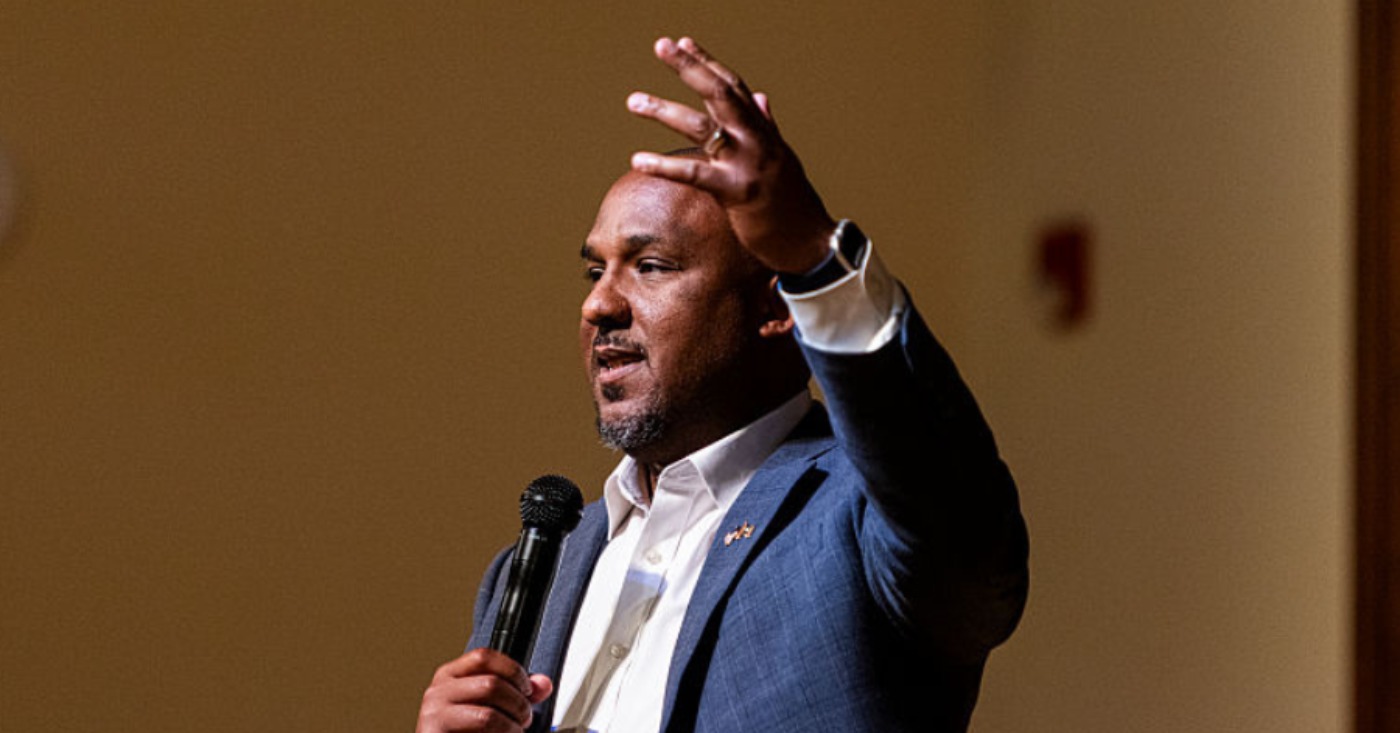
Scott Colom, a Mississippi Democrat challenging Republican Sen. Cindy Hyde-Smith, could become the first Black person elected to represent the state in the U.S. Senate since Reconstruction.
As of Thursday afternoon (November 5), unofficial results showed Colom leading Hyde-Smith by 1,138 votes, with 96% of estimated votes counted, according to Associated Press election results. The race has not been called.
If Colom wins, the longtime prosecutor would become the first Democrat elected to the U.S. Senate from Mississippi since John C. Stennis won reelection in 1982. A seventh-generation Mississippian raised in Columbus, Colom comes from a family with deep legal and political ties.His mother, retired Judge Dorothy Colom, was the first Black person elected to serve on her region’s Chancery Court. His father, Wilbur Colom, is an attorney and former Republican who worked for President Ronald Reagan.
In 2015, Colom defeated 27-year incumbent Forrest Allgood to become district attorney for Mississippi’s 16th Circuit District at age 32, making him the first Black person to hold the position, Mississippi Public Broadcasting reported. His campaign says his office has won 94% of its trials and secured convictions in more than 15 high-profile murder cases.
Colom’s history with Hyde-Smith dates back to 2023 when she blocked his nomination to a federal judgeship despite support from Republican Sen. Roger Wicker, according to CNN.
Colom told CNN, “I’m a Christian. I forgive her,” adding that the blocked nomination was not motivating his Senate campaign.
His campaign website outlines priorities that include raising the federal minimum wage, lowering costs for families, protecting rural hospitals and restoring Affordable Care Act tax credits. He also wants to require data center companies to cover their own electricity and water costs.
Mississippi’s last two Black U.S. senators were Hiram Revels, who was elected in 1870 and became the first Black senator in the country, and Blanche K. Bruce, who was elected in 1875 and served until 1881, according to the U.S. Senate Historical Office.
The Black Information Network is your source for Black News! Get the latest news 24/7 on The Black Information Network. Listen now on the iHeartRadio app or click HEREto tune in live.
The post Meet Scott Colom, The Mississippi Democrat Leading Tight Mississippi Senate Race appeared first on Atlanta Daily World.
Based on reporting by Atlanta Daily World.


San Diego Supervisors’ Power Grab & Discretionary Funds

How Restaurant Apprenticeships Taught Me to Run a Business #shorts

Documenting History: Why Today’s Stories Matter Tomorrow #shorts

Planning to Buy an EV? Check Charging Before You Buy #shorts

A Black Culture Café Rooted in Community and Connection #shorts
The Mission to Cultivate Black Leadership

Black Music Awards: The Fight to Recognize Prince and Black Artists #shorts

The Black Entrepreneurs Building the EV Green Book #shorts

Shaunie Grigsby on Building Flava Cafe, a Social Enterprise in St. Paul | On The Radar | MSR

Chevy Bolt RS Charging Specs: 65 kWh Battery and 150 kW Fast Charging #shorts

All Skinfolk Ain’t Kinfolk

Practitioners of African Traditional Spirituality Offer Ancestral Reverence Ritual Oct. 31

Tamiko Armstead | 2026 Lifetime Achiever in Education

Oakland Awarded More than $14 Million in State Funding

HISTORY MADE: Keisha Lance Bottoms Becomes First Black Woman Elected Governor in American History

OP-ED: The Black Church Writes AI’s Next Chapter

Inside 820 S. Michigan: New Book Captures the Lost World of Ebony and Jet

Jendayi Arrest Raises Community Concerns Regarding Sheriff’s Chain of Command

OP-ED: If the ‘Cornell 7’ Were Black Men at an HBCU — America Wouldn’t Be This Sympathetic

Kickstarter CEO Everette Taylor Shares Tips on Creating and Growing a Business
San Diego Supervisors’ Power Grab & Discretionary Funds
How Restaurant Apprenticeships Taught Me to Run a Business #shorts
Documenting History: Why Today’s Stories Matter Tomorrow #shorts
Planning to Buy an EV? Check Charging Before You Buy #shorts
A Black Culture Café Rooted in Community and Connection #shorts
Black Music Awards: The Fight to Recognize Prince and Black Artists #shorts
The Black Entrepreneurs Building the EV Green Book #shorts
Shaunie Grigsby on Building Flava Cafe, a Social Enterprise in St. Paul | On The Radar | MSR
Chevy Bolt RS Charging Specs: 65 kWh Battery and 150 kW Fast Charging #shorts

L I V E | Mississippi Senate Race UPDATE
-
 Black History5 days ago
HISTORY MADE: Keisha Lance Bottoms Becomes First Black Woman Elected Governor in American History
-

 Featured1 week ago
Multi-Faith Leaders Representing 10 Million People Launch National Anti-Authoritarian Initiative
-
 Black History7 days ago
Christianity’s Racial History
-
 Black History7 days ago
Michael Shiner: The Enslaved Man Who Wrote His Way into American History
-

 Black History7 days ago
Five Hospitals Said No! Who Will Help Annette Henry Recover?
-

 Black History6 days ago
Hundreds of Black Christian Leaders Arriving in Israel for Martin Luther King-Inspired Mission
