
National
Budget Cuts May Imperil Blacks from Checking Out Public Libraries


(Jazelle Hunt/NNPA)
By Jazelle Hunt
Washington Correspondent
WASHINGTON (NNPA)—Between the rise of digital media, changing social landscapes, and decreased funding, the nation’s 8,956 public library systems are at a crisis stage. And underserved communities and people of color stand to lose more than other communities.
Public libraries stand in the gap for many Black Americans and their households. In a 2013 Pew Research Center survey, 47 percent of African American respondents 16 years and older had visited a library within the past year. Blacks and Latinos were more likely to consider their public library’s services “very important to their lives.”
This is particularly true in the case of Internet access, as Black people are less likely than their White counterparts to have high-speed Internet access at home. In addition to being left behind in a digital age, much of the job market has gone online; many employers no longer offer an in-person application option.
The library is often the only place in a community where a person can receive free technical assistance and help with applying for jobs online.
“The library becomes a social change agent where people of African descent can go, and have a safe space, and empower themselves,” says Princess Black, a Statesboro, Ga. native studying library science at Catholic University in Washington, D.C. “As we’re moving further into the 21st century, the library’s responsibility, especially to African American communities, is to mold and shape itself into whatever the community needs it to be.”
Black points to the Ferguson Public Library as an example. As the demonstrations around Michael Brown’s killing pushed the Ferguson-Florissant school district’s first day of school back a week, the small library became a makeshift school for 200 students, and a safe space for the community during unrest.
“Ferguson [Public Library] is a very small library, it only has one full-time librarian. Given the climate, he could’ve easily said no; however, he allowed them to use the space,” Black explains. The Ferguson head librarian, Scott Bonner, also helped organizers find partners to provide overflow space, food, and school materials. Bonner was one month into the job.
“And so he got rolled into a position of basically being an activist,” Black says. “The library has broken away from the tradition entity it used to be—[they] now play an active role in social justice.”
Black says that because the duty to serve the community is so inherent, libraries and librarians often do not recognize their roles as agents of social justice.
And generally, neither do those outside the library science field. Today, the public library system is facing the challenge to innovate, while also demonstrating its value and purpose.
Currently, public libraries act as a community center and equalizing force, offering free computer, literacy, and language classes, Internet and information access, shelter, child activities and youth programs, life skills workshops, and social connection. Public libraries provide safe space for community organizing, and for students, senior citizens, and indigent people who have few options.
Last year, the Aspen Institute, a Washington, D.C.-based education and policy think tank, convened a Dialogue on Public Libraries Working Group to explore and create strategies to sustain and elevate public library systems. The 35-member group includes library science professionals, philanthropists, corporate CEOs, government officials, nonprofit executives, and researchers. Last month, the Working Group released a report titled, “Rising to the Challenge: Re-envisioning Public Libraries.”
“One challenge is that often libraries are taken for granted,” says Maureen Sullivan, a Working Group member and former president of the American Library Association. “Libraries are sometimes the first place funding is cut, because policymakers often do not understand just what public libraries mean to their communities today.”
Almost 85 percent of all public library operating budgets are from local sources, primarily taxes. The remaining amount comes from states, and other sources such as grants or donors. Federal funds account for well under 1 percent of public library operating costs.
Because of this, public library budgets contend with the ebb and flow of several factors each year. The Brooklyn and New York Public Libraries, for example, lost a combined $57 million in funding and 19 percent decrease in staff during the recession, according to the Aspen report. The Brooklyn, New York, and Queens systems have been given a combined $10 million increase for 2015. Funding is also a serious problem in rural areas, in terms of providing high-speed Internet, services, and adequate staff.
“Further complicating the library funding situation is the increase in government mandates that have affected expectations of public libraries in supporting e-government services,” the report reads. “There has been a noticeable shift in what this requires of libraries—moving from simply providing government forms to providing computers and training to access and navigate. Very often, libraries must deliver services to meet these growing demands without any additional funding to cover the costs.”
“Most libraries are fighting and scuffing for resources because there’s this idea that libraries are not necessary—there’s e-books and the Internet and all these things. When I tell people I’m in librarian school they’re like ‘who needs libraries, Google is the library!’” Black says. “But libraries today…play a central role in every community, regardless of if it’s impoverished or well-off. What the library can do for you is boundless—anything you can think of can emerge from a library if you put it to use.”
As libraries move into the future, the report calls for the strengthening of public libraries as community hubs, and ensuring that libraries can provide content in all formats, from books and publications to e-books, Internet radio shows, and other digital media.
The Working Group also wants to bolster public libraries as a point of access to the digital, globalized world. By linking libraries to each other via the Internet, for example, people will no longer be bound by geography when using library resources.
These predictions are already coming to pass. For example, the Central Arkansas Library System has its own theater where the community can take in plays, films, music performances, and children’s story times. Maryland’s Howard County Library System offers a hi-tech digital media lab where teens participate in STEM classes, trips, and workshops.
For those interested in supporting their local libraries, Sullivan recommends visiting in person, getting a library card, and participating in events.
“I’m hard-pressed to think of another institution in communities designed to serve everyone this way. Every state has great library systems,” she says. “Let the library know about [your] information needs, and tell public officials how the library makes a difference for [you].”
###













Black Press
5 Self-Care and Wellness Gift Ideas for the Women in Your Life
This holiday season put her well-being on the gift list. Created with guidance from Black doctors and with the unique health needs of Black women of all ages in mind, Black Girl Vitamins brings a thoughtful perspective to wellness gifting.

Sponsored by Black Girl Vitamins.
5 Self-Care and Wellness Gift Ideas for the Women in Your Life

This holiday season put her well-being on the gift list. Created with guidance from Black doctors and with the unique health needs of Black women of all ages in mind, Black Girl Vitamins brings a thoughtful perspective to wellness gifting.
From the auntie who always checks in to the sister friend who makes sure you’re good, these gift ideas offer a little care for the women who show up with love. There’s something for you, too.
For the Beauty Lover
Elevate her cherished beauty ritual with the Beauty Bundle, featuring Hair, Skin & Nails, BGV Collagen Powder and Vitamin D3. Include a handwritten note celebrating her beauty beyond the mirror.
For the Woman on the Go
Between packed calendars and personal goals, her days fill up fast. Make her well-being—not just her to-do list—the priority with the Energy Bundle, which brings together Iron, Vitamin D3 and B12.
For the Wellness Girlie
Surprise the friend who loves curating her wellness shelf with Her Balance Gummies and Chlorophyll Drops. Wrap them together for a personalized gift that speaks to her interest in everyday self-care.
For Her Next Chapter
Recognize her changing wellness needs with Peri Meno-Chill for perimenopause or Meno-Chill for menopause. Add a cooling pillowcase for a thoughtful touch that makes this gift feel personal.
For Her Wind-Down Ritual
Build this gift around an evening that belongs to her. Pair Dream Girl Sleep and Calm Girl Ashwagandhawith a simple reminder: “The rest of the list can wait.”
Because a thoughtful gift doesn’t add another obligation. It reminds her she deserves care, too.
Black Press
Native American Health Center Connects 140 Community Members to Career Opportunities During Native American Heritage Month
The Native American Health Center recently hosted its Career Connect job fair at the Flicker Building and Cultural Center in Oakland, welcoming 140 community members in honor of Native American Heritage Month. Organized through the federally funded Strong Native Workforce Program, the event aimed to promote economic stability by connecting American Indian, Alaska Native, and Native Hawaiian residents with local career pathways. A diverse group of employers from the healthcare, technology, and government sectors attended to provide attendees with information regarding job openings and professional training programs. Read more.
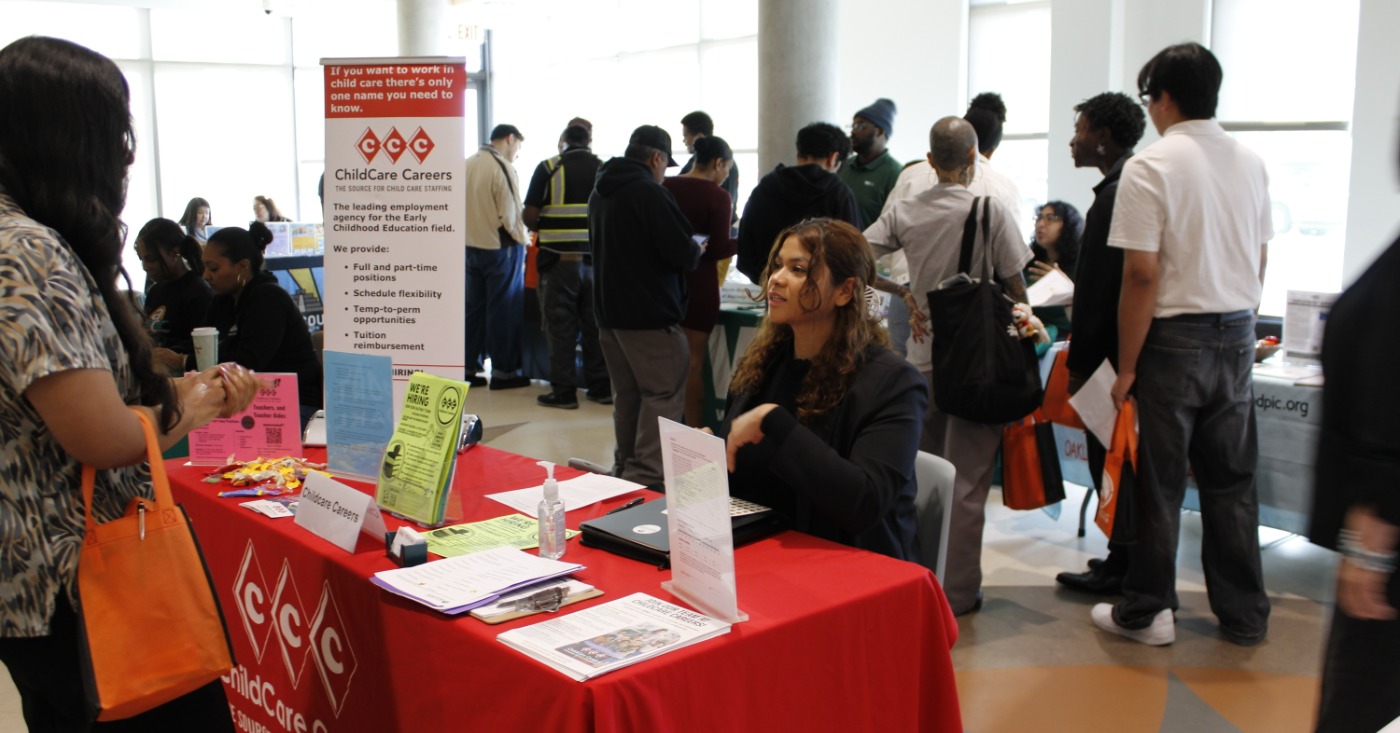
In celebration of Native American Heritage Month, the Native American Health Center (NAHC) welcomed 140 community members to its Career Connect: Community Job & Career Fair on Friday, Nov. 6.
Held at NAHC’s Flicker Building and Cultural Center in Oakland, the event connected American Indian, Alaska Native, Native Hawaiian, and other community members with employers, career pathways, workforce development programs, and family resources throughout the San Francisco Bay Area.
The event was organized through NAHC’s Strong Native Workforce Program, a federally funded initiative supported by the U.S. Department of Labor through the Workforce Innovation and Opportunity Act (WIOA). The program helps Native community members pursue meaningful employment and long-term economic stability through career counseling, job placement assistance, skills training, and supportive services.
The Career Connect Job Fair was coordinated with support from Gallo Advantage Consulting, a Native American woman-owned consulting firm specializing in strategic planning, community engagement, and workforce development. Working alongside NAHC, the firm supported employer outreach, event coordination, and partnerships with local businesses and community organizations.
“Native American Heritage Month is an opportunity to celebrate the strength, resilience, and contributions of our communities while investing in their future,” said Natalie Aguilera, CEO of NAHC. “Employment is an important part of health and well-being, providing economic stability, purpose, and opportunities for individuals and families to thrive. Through our Strong Native Workforce Program and events like Career Connect, we are helping community members build meaningful careers and create stronger futures for generations to come. We are grateful to the employers and community partners who joined us in this effort.”
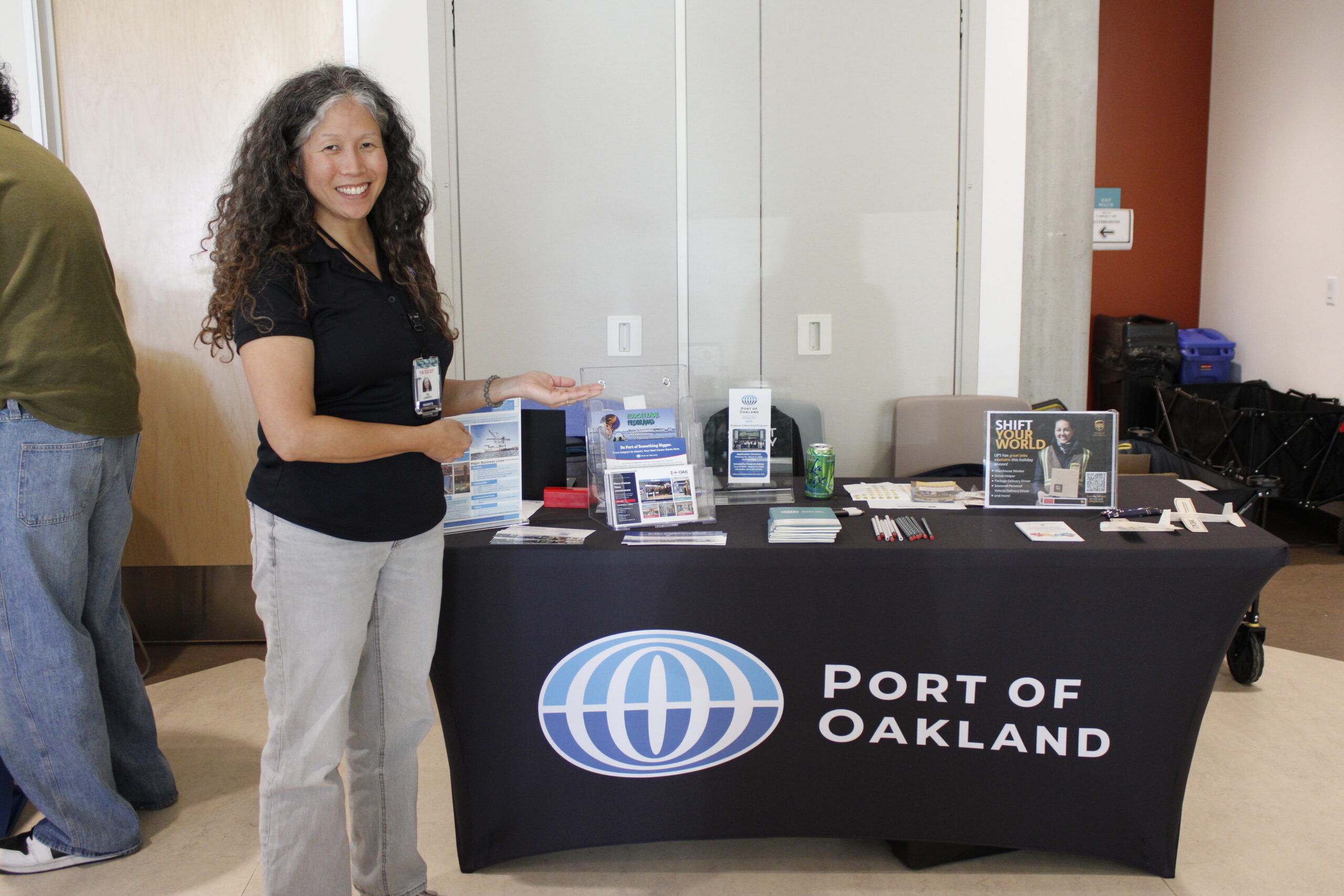
The job fair featured employers across healthcare, technology, government, transportation, education, and other industries. Participating organizations included Cisco Systems, the City of Oakland, East Bay Regional Park District, Kaiser Permanente, Port of Oakland, Sutter Health, Balance Staffing, MANOS Homecare, Inc., Childcare Careers, AC Transit, Samuel Merritt University, Waste Management of Alameda County, Inc., CareBuilders at Home – East Bay, East Bay Municipal Utility District, Patelco Credit Union, and Code Tenderloin.
Workforce development and community partners who shared their resources with participants included the Oakland Private Industry Council, Lao Family Community Development, The Unity Council, West Oakland Jobs Resource Center, Friendship House Association of American Indians of San Francisco, the Washoe Tribe of Nevada and California’s Alameda County Native TANF Program, as well as NAHC’s own Community Wellness Department.
Throughout the event, attendees connected with employers, explored job openings, and learned about apprenticeships, certification programs, training opportunities, and community resources.
Held during Native American Heritage Month, Career Connect highlighted the importance of investing in Native communities through education, employment, and economic opportunity. The event demonstrated the value of bringing employers and community organizations together to support career advancement and build a stronger Native workforce.
About Native American Health Center
Founded in 1972, the Native American Health Center (NAHC) is a nonprofit community health center serving American Indians, Alaska Natives, and surrounding communities throughout the San Francisco Bay Area. NAHC provides culturally responsive healthcare, behavioral health services, and community wellness programs, including workforce development initiatives that support employment and economic opportunity. All individuals are welcome at NAHC. NAHC provides care for 15,000 members annually. NAHC employs almost 300 staff across 17 sites in three counties: Alameda, San Francisco, Contra Costa.
For more information, visit www.nativehealth.org.
About Gallo Advantage Consulting
Gallo Advantage Consulting is a Native American woman-owned consulting firm specializing in strategic planning, community engagement, workforce development, and partnership development. The firm works with public agencies, nonprofits, and community organizations to strengthen programs, build partnerships, and expand opportunities for the communities they serve.
For more information, visit www.galloadvantage.com
Black Press
Oakland Chamber of Commerce Faces $42,000 Ethics Fine for Campaign Violation
The Oakland Public Ethics Commission has approved a $42,000 fine against the Oakland Metropolitan Chamber of Commerce and its leaders for campaign finance violations. Investigators found that the chamber’s political action committee acted as a conduit to hide the identities of wealthy donors who funded attack ads against former Councilmember Desley Brooks during the 2018 election. The settlement concludes an investigation into pass-through contributions that deprived voters of legally required information. Several other political entities and former city officials are also linked to the case. Read more.

The political arm of the Oakland Metropolitan Chamber of Commerce and its leaders Barbara Leslie and Zack Wasserman were fined a total of $42,000 by the Public Ethics Commission for improper campaign spending and accusations of hiding campaign financial details for its efforts to oust City Councilmember Desley Brooks in 2018, as reported in The Oaklandside.
The commission approved the settlement, voting for it 5-2 at its meeting Tuesday evening.
The Chamber, utilizing its political action committee (PAC), “OakPAC,” acted as a conduit for money from more than a dozen large companies and wealthy individuals into an independent expenditure committee, “Oaklanders for Responsible Leadership,” which ran attack ads against Brooks during the 2018 election, according to the Public Ethics Commission.
According to Oaklandside,16 contributors donated nearly $90,000 to the campaign against then Brooks, and their names were kept hidden until months after the election when the Chamber submitted additional filings with regulators.
During her years in office, Brooks had been opposed by local groups because she led the creation of the city’s Department of Race and Equity and because of her consistent advocacy for ending the city’s longtime lack of attention to the needs and concerns of African American residents.
As a result, Brooks was often demonized, and former Mayor Libby Schaaf initiated several attempts to remove her from office.
The ethics commission, which has been investigating the case since 2022, is recommending a settlement requiring the Chamber’s PAC, the Chamber’s CEO Barbara Leslie, and the group’s board chair emeritus, Zack Wasserman, to pay a penalty of $42,000.
The accused have agreed to a “no contest” resolution, meaning they accept the penalty but do not admit wrongdoing.
The commission’s investigation was tied to a broader case involving Schaaf, who was accused of secretly leading three political committees in two different election years to attack political opponents and support a ballot measure.
The commission resolved most of the Schaaf investigation in October 2024 when the former mayor agreed to pay $21,000.
Two political committees, Committee for an Affordable East Bay and Oaklanders for Responsible Leadership, faced fines of $325,000 in penalties. But since those committees are no longer active, those penalties would be difficult to enforce, according to the commission.
In the proposed settlement of the Chamber of Commerce case, the ethics commission investigators said that the OakPAC’s use of pass-through contributions are “serious violations” of Oakland’s Campaign Reform Act.
“While the individual respondents have stated that they did not believe that the actions they took violated the law, the people involved in this arrangement were all sophisticated individuals who should have been familiar with campaign finance law,” investigators wrote. “[They] engaged in activity which deprived voters of donor information required by law.”
The investigators wrote that an internal accounting and tracking document of contributions planned for the anti-Brooks committee indicates “an intentional pattern of conduct to conceal the names of individuals whose contributions ended up going to [the committee], regardless of whether there was knowledge that these activities were illegal.”
Local observers have raised concerns that the ethics commission’s powers of enforcement are severely limited and do little to ensure fair political practices in local campaigns.
Oaklandside, Oakland Post file stories, and other online accounts are the sources of this report.
Black Press
Attorney General Bonta Serves Investigative Subpoena on Nvidia
California Attorney General Rob Bonta has issued an investigative subpoena to Nvidia following reports regarding former CEO Jensen Huang’s relationship with an alleged Chinese spy. The California Department of Justice is investigating whether the company’s advanced chips or confidential information were improperly transferred to China. Authorities are also examining if Nvidia misled the public and investors about these potential security risks in violation of state law. Officials are currently evaluating the company’s conduct to determine if legal action is warranted. To learn more about this investigation, read more.
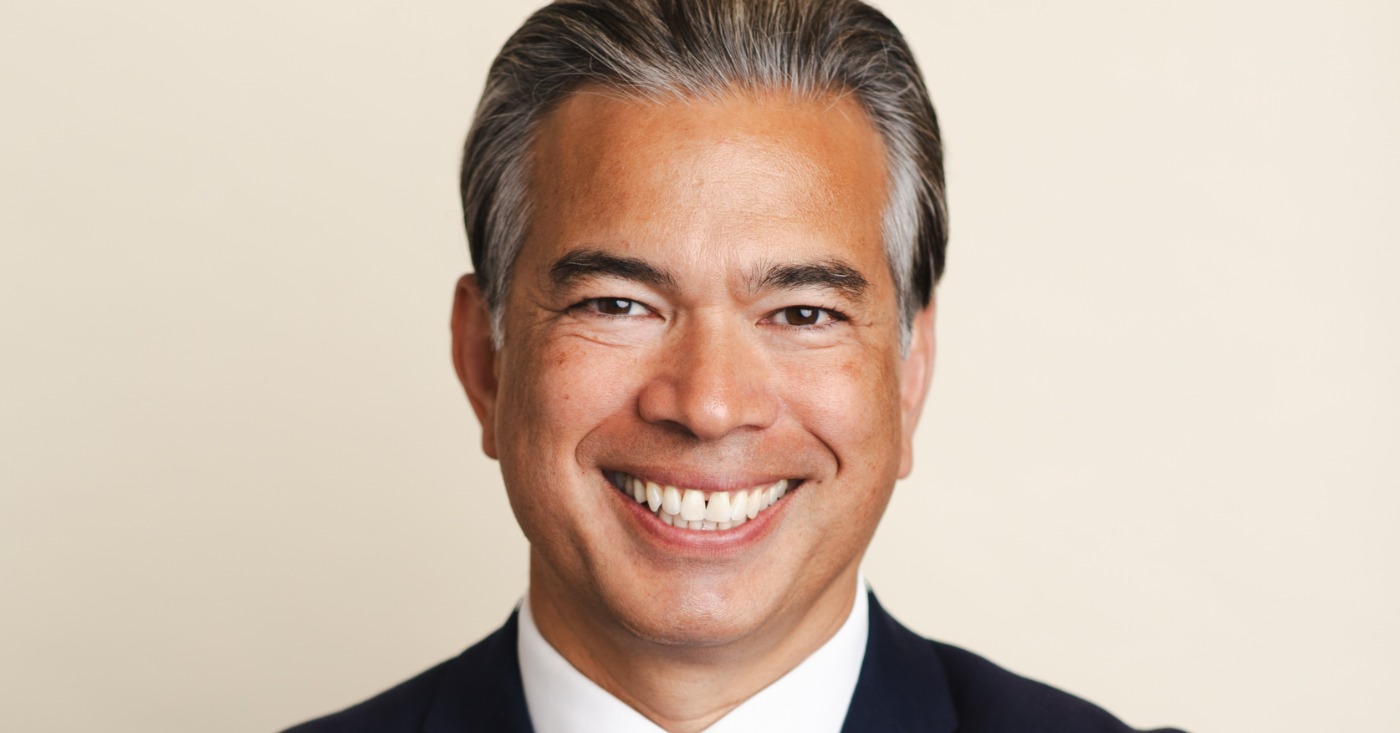
California Attorney General Rob Bonta served an investigative subpoena on Nvidia related to the news of former Nvidia CEO Jensen Huang’s affair with an alleged Chinese spy.
The California Department of Justice is asking Nvidia whether its advanced chips or confidential information may have gone to China and whether Nvidia misled investors and the public.
The information received through the subpoena will help the California Department of Justice evaluate whether Nvidia’s actions violated California law.
“The conduct of Nvidia and its former CEO raises bright red flags, including about the ways in which the company may have misled investors.
“My office is investigating whether Nvidia or Jensen Huang’s actions resulted in China obtaining advanced chips or confidential information — and if Nvidia misled investors and the public about this risk, in violation of the law,” said Attorney General Bonta in Thursday.
“Nvidia is in a messy, transnational situation but the underlying principle of our corporate securities law is clear: Companies cannot mislead their investors.”
The California Department of Justice is the source of this story.
Black Press
A Record 216 Firearms Collected at East Oakland Gun Buy-Back Event
The Oakland Police Department and community partners recently hosted the “Guns to Gardens” buyback event, collecting a record 216 firearms. This total marks the largest collection in more than a decade, surpassing the previous high of 130 guns set in 2022. Participants received a total of $18,000 in gift cards for surrendering weapons ranging from compact pistols to military-style assault rifles and ghost gun kits. Officials confirmed that every weapon collected will eventually be repurposed to serve a new community function. Read more.
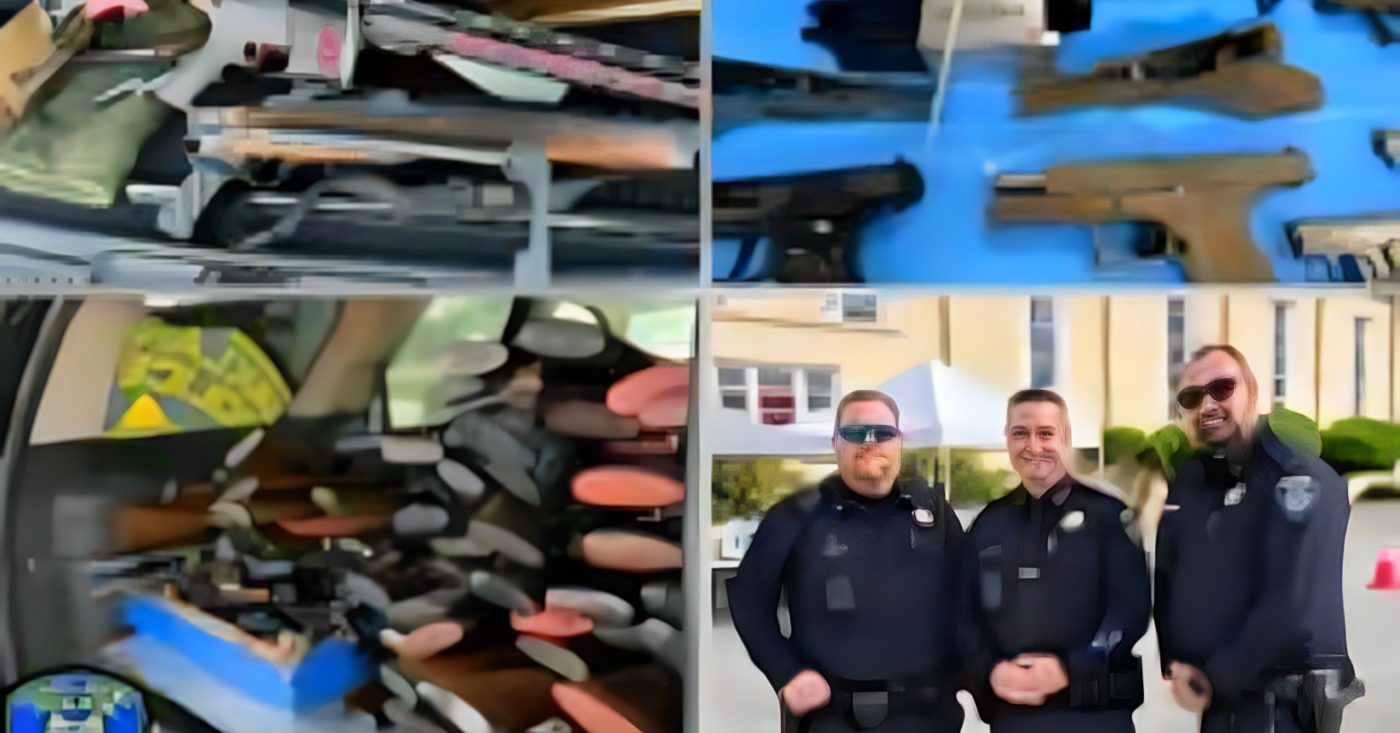
Over the weekend, the Oakland Police Department (OPD) and community partners hosted “Guns to Gardens,” a gun buyback event with strong community participation. OPD collected a record 216 firearms, exceeding the previous high of more than 130 in 2022 and marking the largest collection in more than a decade.
“Thanks to the generosity of our faith-based coalition, the Kaiser Foundation, and local partners, we distributed $18,000 in gift cards to community members who turned in their firearms,” said Oakland Mayor Barbara Lee.
The buyback follows the graduation of the 197th academy of Oakland Police Department (OPD) cadets on Nov. 6. The nine cadets are already making their mark connecting with residents, honoring the department’s history, and supporting department events.
In their first month, the Cadets helped clean the Remember Them monument at Henry J. Kaiser Memorial Park. They learned about Oakland Police Officer John Grubensky, who died in the line of duty while guiding community members to safety during the Oakland Hills Fire and is honored on the monument.
The Cadets handed out candy at OPD’s annual Trunk or Treat celebration and helped with the 197th Police Academy graduation ceremony.
Most recently, the Cadets participated in an inspection and pinning ceremony, marking another milestone in their development and service to our community.
OPD thanks Kaiser Permanente and PG&E for their donations, which led to the reinstatement of the Cadet Program. This program offers young people ages 15½ to 20½ opportunities to engage with their community, gain experience, and explore careers in public safety.
But it was the veteran officers that handled the buyback at St. Benedict’s Catholic Church at 2245 82nd Ave.in East Oakland.
The weapons collected on Nov. 14 ranged from compact pistols to assault weapons. One participant also surrendered equipment used to create homemade firearms, commonly known as “ghost guns.”
“I was shocked to see the number of assault weapons, military-style firearms, and ghost guns turned in,” said Oakland Police Chief James Beere. “Every firearm removed from our streets is one less that could be used in a shooting or other act of violence. By choosing to turn in unwanted guns, we help protect our neighborhoods and ultimately save lives.”
OPD and Lee thanked the community partners, volunteers, and participants for their continued support in this effort.
“Every single gun collected will be transformed into garden tools and given back to the community at future events,” said Lee. “A huge thank you to everyone who participated, our dedicated partners, and OPD for making Oakland safer.”
Paul Chambers is the strategic communications manager for the Oakland Police Department.
Black Press
A Record 216 Firearms Collected at East Oakland Gun Buy-Back Event
The Oakland Police Department and community partners recently hosted the “Guns to Gardens” buyback event, collecting a record 216 firearms. This total marks the largest collection in more than a decade, surpassing the previous high of 130 guns set in 2022. Participants received a total of $18,000 in gift cards for surrendering weapons ranging from compact pistols to military-style assault rifles and ghost gun kits. Officials confirmed that every weapon collected will eventually be repurposed to serve a new community function. Read more.
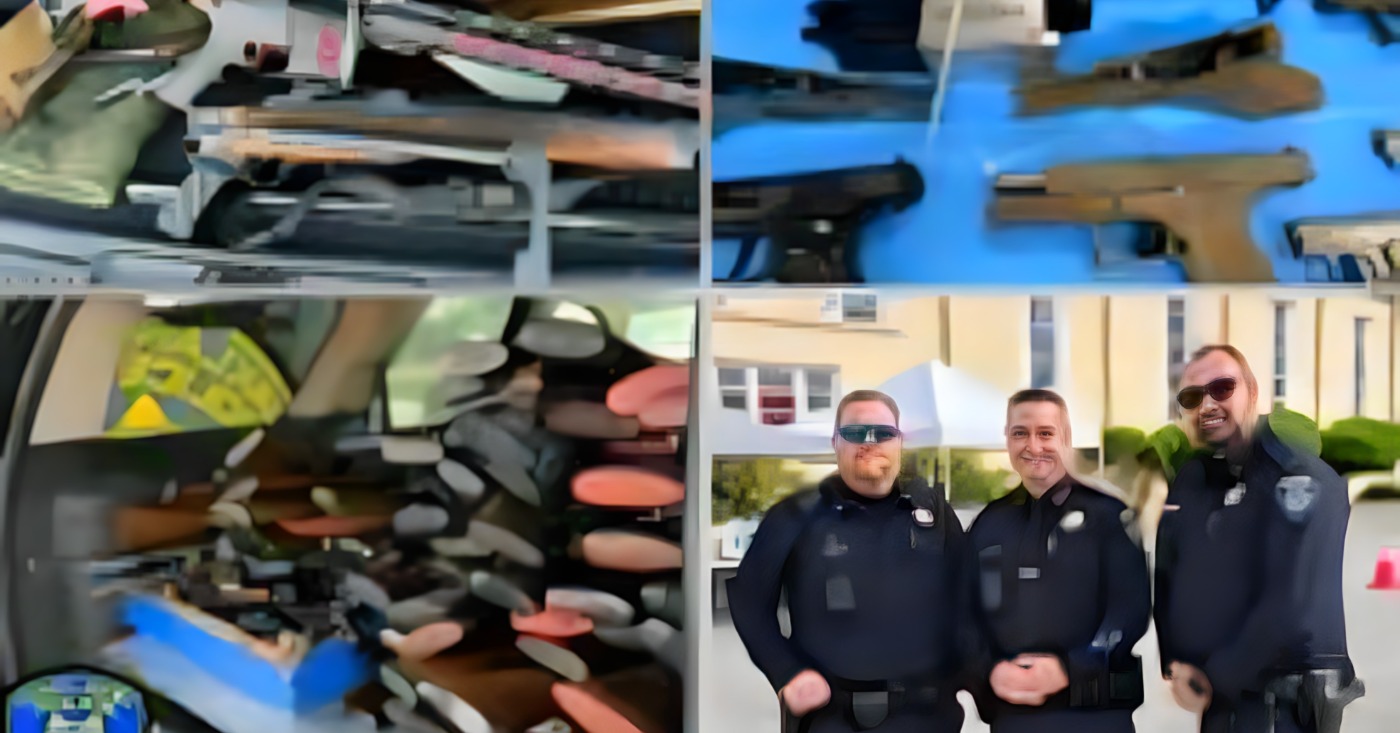
Over the weekend, the Oakland Police Department (OPD) and community partners hosted “Guns to Gardens,” a gun buyback event with strong community participation. OPD collected a record 216 firearms, exceeding the previous high of more than 130 in 2022 and marking the largest collection in more than a decade.
“Thanks to the generosity of our faith-based coalition, the Kaiser Foundation, and local partners, we distributed $18,000 in gift cards to community members who turned in their firearms,” said Oakland Mayor Barbara Lee.
The buyback follows the graduation of the 197th academy of Oakland Police Department (OPD) cadets on Nov. 6. The nine cadets are already making their mark connecting with residents, honoring the department’s history, and supporting department events.
In their first month, the Cadets helped clean the Remember Them monument at Henry J. Kaiser Memorial Park. They learned about Oakland Police Officer John Grubensky, who died in the line of duty while guiding community members to safety during the Oakland Hills Fire and is honored on the monument.
The Cadets handed out candy at OPD’s annual Trunk or Treat celebration and helped with the 197th Police Academy graduation ceremony.
Most recently, the Cadets participated in an inspection and pinning ceremony, marking another milestone in their development and service to our community.
OPD thanks Kaiser Permanente and PG&E for their donations, which led to the reinstatement of the Cadet Program. This program offers young people ages 15½ to 20½ opportunities to engage with their community, gain experience, and explore careers in public safety.
But it was the veteran officers that handled the buyback at St. Benedict’s Catholic Church at 2245 82nd Ave.in East Oakland.
The weapons collected on Nov. 14 ranged from compact pistols to assault weapons. One participant also surrendered equipment used to create homemade firearms, commonly known as “ghost guns.”
“I was shocked to see the number of assault weapons, military-style firearms, and ghost guns turned in,” said Oakland Police Chief James Beere. “Every firearm removed from our streets is one less that could be used in a shooting or other act of violence. By choosing to turn in unwanted guns, we help protect our neighborhoods and ultimately save lives.”
OPD and Lee thanked the community partners, volunteers, and participants for their continued support in this effort.
“Every single gun collected will be transformed into garden tools and given back to the community at future events,” said Lee. “A huge thank you to everyone who participated, our dedicated partners, and OPD for making Oakland safer.”
Paul Chambers is the strategic communications manager for the Oakland Police Department.


Conscious Hip Hop: Why Great MCs Still Go Unheard #shorts

Check These Driving Impressions Before Buying #shorts

Car Buying Tips: 4 Steps to Avoid Costly Dealer Friction #shorts

Super Cruise or Rear Screens? Choose What Matters #shorts

This BOUNDARIES Bag Is Connecting Women Beyond the Purchase #shorts

Music Sampling: Credit the Legends Behind the Hits #shorts

She Quit Her Job—Then Built a Creative Business With AI #shorts

2027 Cadillac Vistig Premium Luxury Interior 360 Video

Great futures took center stage at the Fabulous Fox

Why Time Is the Most Expensive Part of Car Buying

HISTORY MADE: Keisha Lance Bottoms Becomes First Black Woman Elected Governor in American History

Secretary of State Shirley Weber Pushes Back Against DOJ Demands Over California Voter Rolls

Retirement Triggers Doctor to Pen Book for Young Audience

Capturing Black Life’s Beauty

Multi-Faith Leaders Representing 10 Million People Launch National Anti-Authoritarian Initiative

Christianity’s Racial History

Hundreds of Black Christian Leaders Arriving in Israel for Martin Luther King-Inspired Mission

Oakland Honors 60 Years of the Black Panther Party at the All Power to the People Gala

Message from the Associate Editor: Blindness, Hurts, Cops

Michael Shiner: The Enslaved Man Who Wrote His Way into American History
Conscious Hip Hop: Why Great MCs Still Go Unheard #shorts
Check These Driving Impressions Before Buying #shorts
Car Buying Tips: 4 Steps to Avoid Costly Dealer Friction #shorts
Super Cruise or Rear Screens? Choose What Matters #shorts
This BOUNDARIES Bag Is Connecting Women Beyond the Purchase #shorts
Music Sampling: Credit the Legends Behind the Hits #shorts
She Quit Her Job—Then Built a Creative Business With AI #shorts
2027 Cadillac Vistig Premium Luxury Interior 360 Video
Great futures took center stage at the Fabulous Fox
Why Time Is the Most Expensive Part of Car Buying
-

 Black Press1 week ago
COMMENTARY: Thank You, Trump, for Making America Great Again!
-

 Black Press1 week ago
Black Men Encouraged to Start Prostate Cancer Screening at 45
-
 Black History1 week ago
Mississippi Congressman Bennie Thompson Congratulates Scott Colom on Historic Victory
-

 Black Press1 week ago
Computational Thinking and Young Children: It’s Not What You Might Think!
-
 Black Press1 week ago
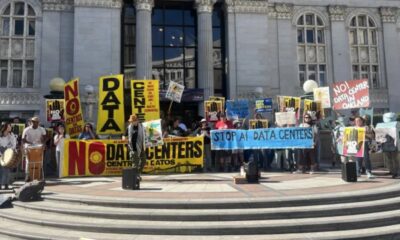
Oakland City Council Extends AI Data Center Moratorium for 10 Months.
-

 Black History1 week ago
Wichita’s Only Black-Owned Bookstore Seeks $90,000 to Secure Its Future
