
National
Black Women Face Increased Violence


By Jazelle Hunt
NNPA Washington Correspondent
WASHINGTON (NNPA) – Black women were murdered at more than double the rate of White women in 2012 and almost all (92 percent) of these women knew their assailant, according a report titled, “When Men Murder Women” by the Violence Policy Center.
The annual study, now in its 17th year, “examines FBI data and “details the reality of homicides committed against females by single male offenders.” In homicide cases involving Whites and Blacks, most of the victims know their assailants.
According to the report, 11 times as many Black women were killed by a man they knew than by a stranger in 2012. More than half (56 percent) were married to or in relationships with the men who murdered them.
Tony Porter, co-founder and co-director of A Call to Men, believes that this statistic cuts to the heart of the problem.
“The vast majority of men are not violent; it’s the minority of men who are. While we as good men, well-meaning men, don’t hit, or abuse, or rape, or assault, we participate in a culture of manhood that allows the minority of men to perpetrate violence,” he said, adding that if women alone could end the violence in their communities, they would have already done so.
“If we can engage that majority of men to take this issue on, we might be able to have a much better chance of stopping and ending or putting a big dent in it.”
Porter’s domestic and sexual violence prevention organization tackles negative social norms and encourages more healthy and respectful definitions of manhood through training and education for men, boys and communities.
“We as a society would still allow me to stand by and watch something terrible happen to a woman. I’m not asking that I be held accountable by law, because I did not commit a crime, but…I am asking that I be held accountable by society on some moral level. I cannot walk away from that and still be seen as one of the good guys,” he said.
“We participate in promoting less value of women. We still treat women as the property of men. We don’t believe that women are the property of men, but we still use a lot of those tenets that were passed down from a time when women were the property of men.”
In addition to subconsciously acting on these beliefs, Black men often have the added layer of socioeconomic circumstances that that breed violence. Racial oppression, chronic joblessness, and income inequality, for example, can breed the hostility and desperation that lead to violence in Black communities.
“Where the value lessens, the violence increases. When we talk about induced self-hate, we’re talking about racial oppression. And when you concentrate poverty…when you put 6,000 financially poor people in a square four-block radius…you will have violence,” Porter said, adding that this doesn’t excuse personal responsibility, but are factors.
“So…there’s going to be a higher rate of violence, and that’s not just Black men on Black men, but Black men on Black women as well. There are many things going wrong that are creating this reality…in the Black community.”
According to Avis Jones-DeWeever, a gender, race and class researcher and former director of the National Council of Negro Women, similar conditions make gender violence more severe for Black women. For starters, living in such areas of concentrated poverty means Black women have less access to services, or poor-quality versions of those services.
“It’s a huge problem, because we have particular cultural challenges that maybe are not addressed in other programs that are aimed at women in general,” she said. For example, Black women, among the most religious of all Americans according to data from the Pew Research Center, may be receiving messages from the pulpit that encourage them to keep their families together, no matter the cost.
She explained, “Black women understand that Black men might be at higher risk of fatal encounters with police…so they might be less likely than their White counterparts to report their abusers to the police.”
There’s also the matter of guns.
“The number of Black females shot and killed by their husband or intimate acquaintance (111 victims) was more than three times as high as the total number murdered by male strangers using all weapons combined (33 victims) in single victim/single offender incidents in 2012,” the report states, adding that 57 percent of all Black female homicide victims had been fatally shot.
Francine Jones-James of Duluth, Ga., owner of Bubbas Gun Sales, is one of the few women – and even fewer Black women – in the U.S. to hold a federal firearm license, which authorizes her to run background checks and conduct interstate transactions on customers’ behalf.
Most of Jones-James’ clients are Black men, who, like her husband, enjoy hunting and target practice.
“Individuals with a background of domestic violence, perpetrators, should be prohibited or restricted from purchasing a firearm,” said Jones-James, who also believes in universal background checks.
“Second, I believe women should learn how to properly use and store a firearm for self-protection. When being abused, a woman should consider all means of self-protection, including a firearm. However, she must learn the responsibilities of firearm ownership in her state.”
The report cites research that finds that women living with a gun in the home triple their chances of being shot and killed. It cites another study from Harvard School of Public Health that found that “hostile gun displays,” usually against women, may be even more common than gun-related homicides in the home.
Avis Jones-DeWeever advises women in violent relationships to try to create a comprehensive escape plan and secretly save the money to execute it.
“What most people don’t understand is that when women do leave, that’s the most dangerous part of the relationship. Oftentimes when you hear on the news that somebody’s boyfriend has killed them, it’s because [the victim] has just left them or is about to leave them,” said Jones-DeWeever, who also serves on the board of directors for the National Network to End Domestic Violence.
“Leaving sometimes isn’t enough…you might need to be prepared to, frankly, start all over. As we’ve seen, unfortunately, many times having an order of protection is helpful, but it’s not going to save your life. It really requires developing a plan…it means connecting with your family, your friends, people you love and trust to help you do that.”
She also advises those who believe a loved is being abused try to maintain ties with the person, especially as the abuser attempts to isolate him/her; additionally, set aside money for the person, and let him/her know you can assist with an escape plan, financially and otherwise.
Jones-DeWeever said, “We need to think about ways in which the community, specifically, could take more responsibility around acknowledging the fact that our women and our girls are oftentimes in danger. We need to figure out ways in which we can be better about making sure that our girls, and the women in our communities can have a greater likelihood of living lives that are free of violence.”
Porter said, “What outrages me is how we as men still can live with the mindset that as long as it’s not me and mine…I don’t have any responsibility. Black men, our responsibility extends beyond our families, because we have a community of sons relying on us.”
He continued, “When we talk about prevention…how are we spending time with our sons and other boys? The more we promote and model healthy and respectful manhood, the more we decrease violence against women.”










Black History
Hundreds of Black Christian Leaders Arriving in Israel for Martin Luther King-Inspired Mission
Hundreds of African American and African Christian leaders are visiting Israel for the ‘Unfinished Business Pilgrimage,’ inspired by Dr. Martin Luther King’s plans for a pilgrimage in 1967 that was canceled due to the Six Day War. The event aims to promote pro-Israel sentiments amidst rising antisemitism and will expand to thousands of participants in 2027. Pastor Dumisani Washington emphasizes the importance of Black Americans recognizing their role in supporting Israel. Pilgrimage leaders are also delivering gifts to victims of recent violence, reiterating the historical bond between Jewish and Black communities in advocating for justice. Pastor Michael A. Stevens highlights the need for education against antisemitism while suggesting that Israel should be more attuned to issues affecting Black lives.
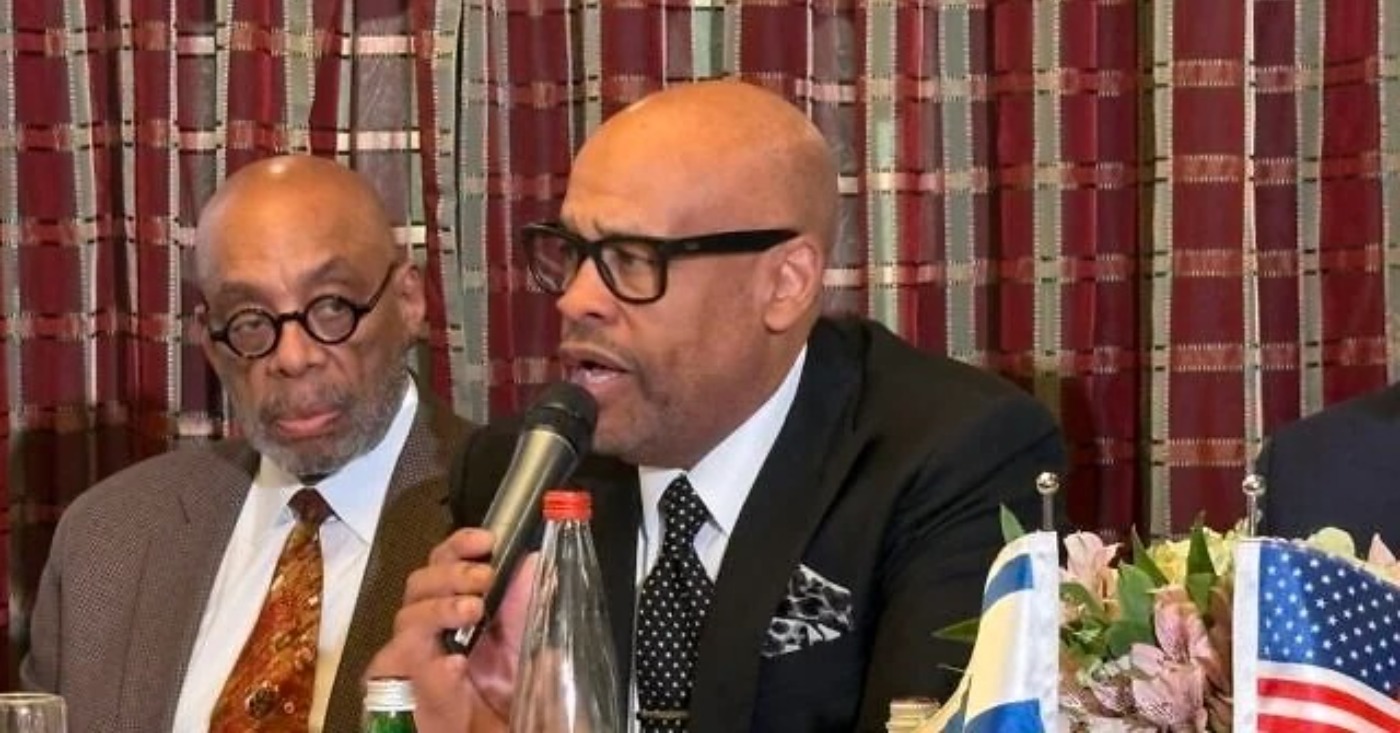
As support for Israel declines precipitously in the US, hundreds of African-American and African pastors and Christian leaders are arriving in Israel this week for a mission inspired by the slain US civil rights leader Rev. Dr. Martin Luther King.
King planned to bring thousands of pilgrims to Israel and Jordan in 1967, but that trip was postponed because of the Six Day War and the political implications of such a trip. He said he would look into coming the next year, but was assassinated in April 1968.
“There were no mass pilgrimages” back then, says Pastor Dumisani Washington, a pro-Israel activist, at a press conference in Jerusalem. “We as Black Americans recognize that Black Americans were about to start something that no one else was doing.”
The “Unfinished Business Pilgrimage” will expand to thousands of participants next year, say organizers, to mark 60 years since King’s planned visit.
“We felt a burden in our heart,” Washington continues. “We see the rising antisemitism on the right and on the left.”
There is a “mountain of support rising from the Black church,” says Pastor Michael A. Stevens, Sr.
The leaders of the pilgrimage present gifts to victims of the Hamas-led October 7, 2023, massacre, including freed hostage Elkana Bohbot; Hila Abir, whose brother Lotan was murdered at the Nova music festival; and Daniel Lischinsky, whose son Yaron was murdered alongside his fiancée Sarah Milgrim at an Israeli embassy event in Washington, DC.
Ther rest of the participants arrive tomorrow, and will visit biblical sites across the country, as well as the site of the Nova massacre.
Steven says that Jewish and Black Americans had a tradition of coming together to “establish what was right, and to set the tone for the nation and for the world.”
“If anyone should stand with our Jewish brothers and sisters, it ought to be African-Americans, it ought to be Africans,” he continues.
Though rates of antisemitism have risen among people of color, Stevens tells The Times of Israel, “I still think we are the lowest-hanging fruit to educate and to learn.” He says, “The African-American Church is still the most influential institution in all of America, in fact, at least in the Black community.”
Stevens says one of the objectives of the mission is to spread awareness that “we cannot have antisemitism in our culture, period.”
At the same time, he says that Israel could improve its approach to Black America: “I believe Israel could be more attentive to the fact that a lot of the loss of lives that we see looks like us. Whether it’s in Gaza, whether it’s Ethiopians and racism.”
Reverend Dr. Benjamin F. Chavis. Jr. is on this delegation representing the Black Press of America and Spill the Honey as a present-day fulfillment of the dream and prior plan of Reverend Dr. Martin Luther King, Jr in 1967 to lead a 5000 Black Clergy Pilgrimage to Israel.
Black History
Christianity’s Racial History
THE POSITIVE COMMUNITY — Historian and author Jemar Tisby is challenging the traditional narratives of American religious history through his acclaimed work, The Color of Compromise. His research provides a comprehensive examination of how Christian institutions have historically participated in, accommodated, or resisted racial injustice from the colonial era to the present day.
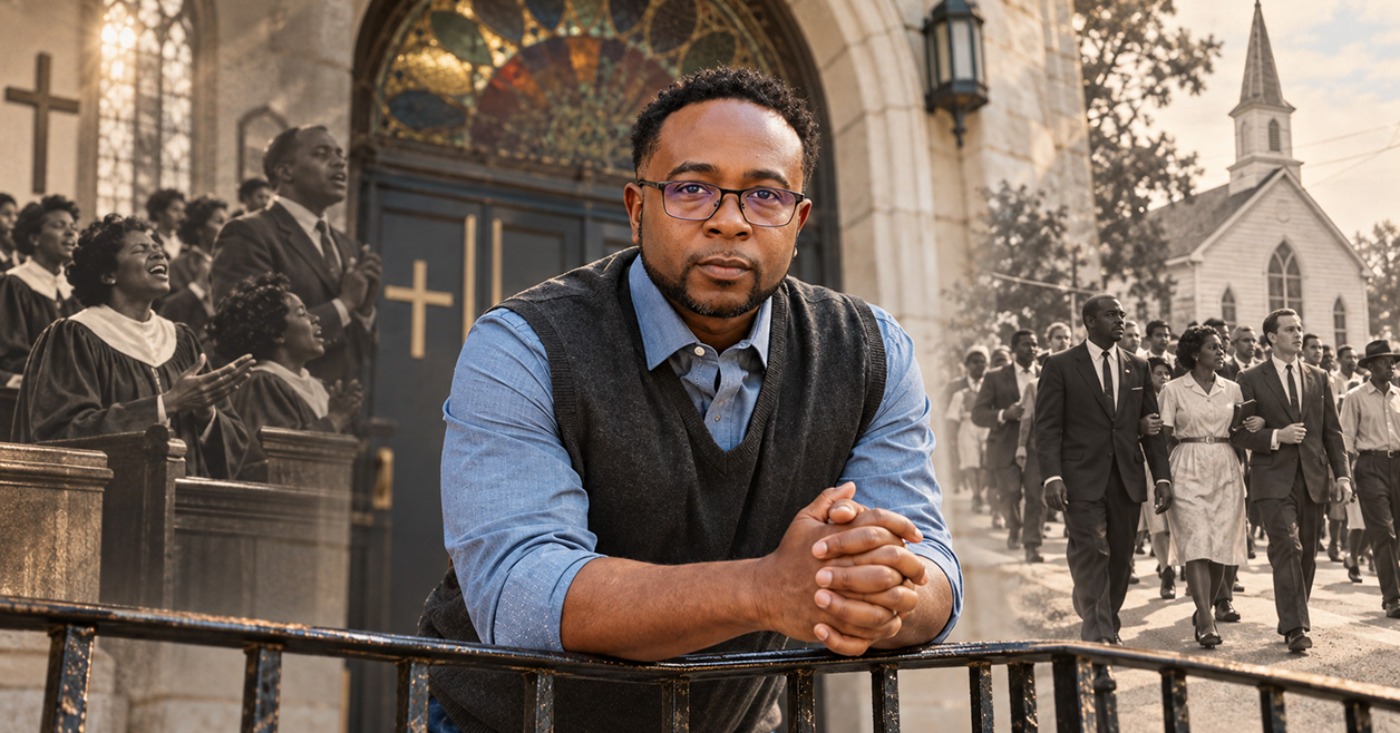
Jemar Tisby is a historian, author, and public speaker whose work examines the relationship between Christianity, racism, and American history. Through his writing, he challenges readers to reconsider the role religious institutions have played in shaping racial attitudes and social structures. His widely recognized book, The Color of Compromise: The Truth About the American Church’s Complicity in Racism, explores how Christian churches have participated in, accommodated, and sometimes resisted racial injustice throughout American history. Tisby’s work encourages readers to examine the past honestly and consider what meaningful change requires today.
One of the central arguments in The Color of Compromise is that racism in America cannot be understood without examining the influence of religious institutions. Christianity has often been associated with messages of love, justice, compassion, and equality. Yet churches and Christian leaders have sometimes supported systems that denied African Americans their freedom and dignity. Tisby examines this contradiction, demonstrating how religious beliefs and institutions could be used to justify racial oppression rather than challenge it.
The book takes readers back to the era of European colonization and slavery, when religious arguments were frequently used to defend the enslavement of Africans. Some Christian leaders claimed that slavery was compatible with biblical teachings, while others used Christianity to encourage resistance to the institution. Enslaved Africans developed their own spiritual traditions, drawing strength from their faith while enduring violence, separation from family, and the denial of basic human rights. Tisby highlights the importance of understanding how Christianity became intertwined with the development of American slavery.
Tisby also explores the role of churches during the Civil War and Reconstruction. Although emancipation ended legal slavery, it did not eliminate racial prejudice or the struggle for equal citizenship. Some religious communities supported efforts to educate formerly enslaved people and establish independent Black institutions. Others tolerated or defended segregation and white supremacy. The period demonstrates how Christian institutions faced a choice between challenging racial injustice and preserving existing social arrangements.
Another important subject in the book is the relationship between Christianity and Jim Crow segregation. During the late nineteenth and early twentieth centuries, racial segregation became deeply embedded in American society. Many churches reflected the same divisions, maintaining separate congregations and unequal opportunities for worship and leadership. Tisby argues that compromise occurred not only when Christians openly defended racism but also when they remained silent or accepted discriminatory practices to avoid conflict. This distinction is essential to understanding the book’s central message.
The civil rights movement provides another significant chapter in this history. Black churches played a vital role in organizing demonstrations, supporting community leadership, and providing spiritual encouragement to people fighting racial discrimination. Figures such as the Reverend Dr. Martin Luther King Jr. drew upon Christian teachings to challenge segregation and demand equal rights. However, not all white Christian congregations supported the movement. Tisby examines the difference between those who actively opposed racism and those who hesitated to challenge the racial status quo.
A major strength of Tisby’s writing is his attention to the difference between individual prejudice and institutional racism. A person may believe in treating others fairly while participating in organizations or traditions that produce unequal outcomes. Similarly, a church may preach love and acceptance while failing to confront discriminatory practices within its own community. Tisby encourages Christians to look beyond personal intentions and examine the consequences of their actions, their institutional policies, and their willingness to address injustice.
The book also challenges contemporary Christians to consider how the legacy of racial compromise continues to affect American religious life. Questions about church leadership, worship communities, racial representation, education, and public policy remain important. Tisby argues that acknowledging historical wrongdoing is not about assigning personal guilt to every modern Christian. Rather, it is about understanding how past decisions shaped the present and recognizing the responsibility to pursue greater fairness, accountability, and inclusion.
Tisby’s work has become an important contribution to conversations about race and religion because it asks readers to move beyond comfortable narratives about American Christianity. His historical approach encourages people to examine uncomfortable evidence, listen to the experiences of African Americans, and recognize the difference between professing moral principles and practicing them. The book also raises questions about what genuine reconciliation requires, emphasizing that meaningful progress involves more than expressions of goodwill. It requires a willingness to confront injustice and make changes that reflect the values Christians claim to uphold.
Ultimately, The Color of Compromise is a call for historical honesty, moral reflection, and meaningful action. Jemar Tisby challenges churches and individual believers to understand how Christianity has been used both to support oppression and to inspire resistance against it. His message is especially relevant in a society still wrestling with racial inequality and the consequences of its history. By examining the past with courage and integrity, readers can better understand the responsibilities of faith in the present. The book reminds us that the true test of religious conviction is not simply what people profess to believe, but whether their actions reflect justice, compassion, and respect for the dignity of every human being.
Based on reporting by The Positive Community.
Black History
Learn Black History and Win Your Next Game Night
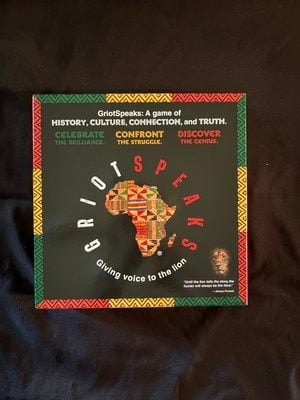
INDIANAPOLIS RECORDER — Dr. Maxine Bryant, a culture keeper and professor, is combatting book bans and historical inaccuracies through the launch of GriotSpeaks: The Game. The new board game is designed to celebrate the African diaspora by incorporating elements of geography, literature, music, and the Gullah Geechee culture.

Maxine Bryant, Ph.D., creator and founder GriotSpeaks, is sharing the history of the African diaspora through her new board game.
Bryant often quotes the African proverb: “Until the lion tells the story, the hunter will always be the hero.” She said for the hunter has been telling the story of the African diaspora for “far too long.”
The game is based in African culture. The spaces on the board feature the countries of the African diaspora and it uses gold bars and cowrie shells as currency while special game spaces showcase symbols such as the Sankofa bird, a pyramid and an Ankh.
Bryant, a culture keeper and educator, created the game to add a bit of fun to her ongoing mission of dispelling myths and sharing accurate history. She used the history lessons she taught over the years as the foundation for the game’s trivia questions. Bryant said she is even more motivated to correct the inaccurate narratives due to recent book bans and efforts to minimize or omit the contributions of Black people.
“We can’t tell our story if we don’t know our story,” Bryant said.
History buffs may start the game with a slight advantage, but even players with limited knowledge have a chance to win with some strategic play. During one game demonstration, she said, an 11-year-old beat her with the clever use of one of the game’s wild cards.
Bryant’s goal is for people to learn new information while having a good time with one another. She sat down with the Recorder to share her inspiration for the game and how she hopes it will influence the culture.
This interview has been edited for length and clarity.
What was the inspiration for creating a game?
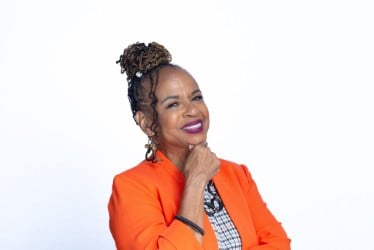
Maxine Bryant: In all honesty, God gave me the vision for the game.
I put that board game together the way God showed me in in this vision, if you will, it was to be educational, informative, and entertaining. And so, I knew I wanted it to encompass all of the diaspora and with the educational part of it. Since I am a professor, it needed to encompass the critical areas of our history.
So, it’s geography; it’s the resistance, the protest — all of that. It’s … literature, music, the Gullah Geechee culture, storytelling, the whole gamut, and then Black people.
What are some of the things people are surprised to finally learn while playing the game?
Bryant: The genius of Black people.
Many people know Madam C.J. Walker, although I’m finding out that not everybody does. But one of the questions (asks about) who invented the hot comb? Everybody thinks Madam C.J. Walker, but no, that was not her thing. Her thing was hair care and strengthening hair. It was a man (Walter H. Sammons) who created the hot comb. So, people are amazed at what they’re learning.
How do you hope that this new knowledge helps people see the world?
Bryant: So, what I hope people learn is our true history, the history of our struggle, and our resistance, the history of our greatness, and information about our culture. That positions us then to be able to stand tall in knowledge of self.
One of the things I wholeheartedly believe in is that little Black boys and little Black girls who grow up with the message that you are nothing because you are Black … it’s easy for me to take you out. But if I look at you and I know that you’re great and I’m great, I may just have a different kind of level of respect for you.
I think that having a sense of self can impact how I look at myself and how I look at people who look like me.
Is there anything else you want to share?
Bryant: In my mind, this game is a must-have. It is so unique. Now, within the culture, we have trivia games and usually they’re trivia about sports or about entertainment and some about history, right? And usually, it pertains to people in the United States or events in the United States, culture in the United States.
This game contains movement around a physical board like Monopoly, but it also encompasses the entire African diaspora so it’s not just the United States. People who played this game tell me … they’ve never seen anything like it.
GriotSpeaks: The Game is best suited for players 17 and older. The game is available for purchase through Amazon or at the GriotSpeaks website.
Contact Editor-in-Chief Camike Jones at 317-762-7850.
The post Learn Black history and win your next game night appeared first on Indianapolis Recorder.
Based on reporting by Indianapolis Recorder.
Black Press
DOJ Fights to Keep Rep. Ilhan Omar’s Search Warrant Sealed: Report
GARLAND JOURNAL — Federal prosecutors are petitioning a U.S. District Court to maintain the seal on a search warrant and related records following an FBI search of Rep. Ilhan Omar’s Washington, D.C., home.
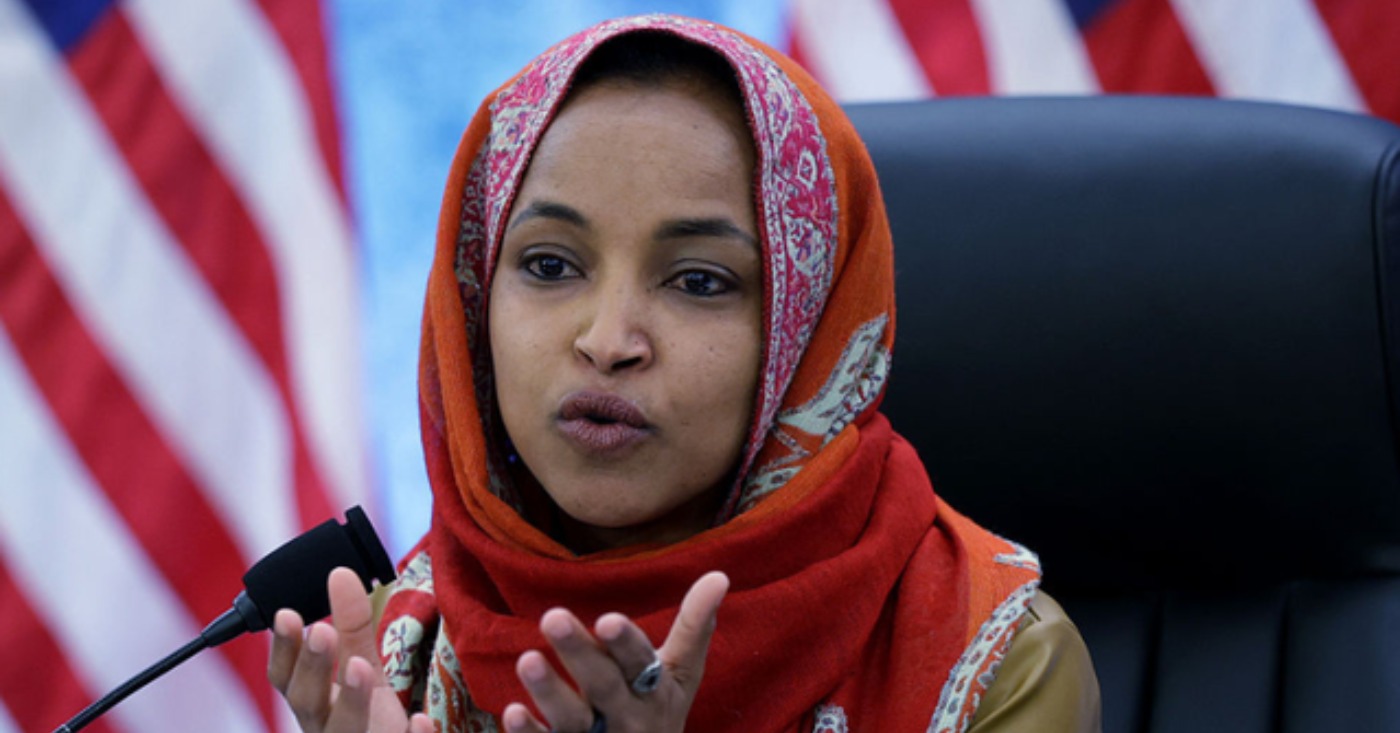
Federal prosecutors are trying to keep sealed the search warrant and related records from and FBI search of Rep. Ilhan Omar’s Washington, D.C., home earlier this month.
According to The Washington Post, a coalition of more than a dozen media organizations, including the Post, is seeking access to the warrant and related records. U.S. District Judge James Boasberg, an appointee of former President Barack Obama, is overseeing the dispute.
In a Tuesday (October 27) court filing, U.S. Attorney Jeanine Pirro argued that the request was premature because investigators are still reviewing evidence seized during the October 12 search and have not decided whether to file charges or whom to charge.
“This request sounds rash because it is rash,” Pirro wrote, according to The Hill. She argued that releasing the records could expose investigative sources and compromise the probe.
“Unsealing everything now imperils the investigation,” the Justice Department wrote, according to the Post.
The media organizations argue that the warrant application and supporting affidavit could reveal the investigation’s targets, the evidence investigators have gathered, and how the probe began, according to the Post.
The October 12 search was part of a federal investigation into allegations that Omar or members of her family misrepresented information on immigration paperwork. The congresswoman has denied wrongdoing and accused the Trump administration of politically targeting her.
As BIN previously reported, the Trump administration has also explored whether Omar could be stripped of her U.S. citizenship.
During an MS NOW interview on Wednesday (October 21), Omar announced plans to move out of her Washington residence, citing safety concerns after the search made her address public.
According to The Washington Post, prosecutors said in the filing that they may not oppose releasing some warrant records, with appropriate redactions, once the warrant has been fully executed and a public charging decision has been announced.
The Black Information Network is your source for Black News! Get the latest news 24/7 on The Black Information Network. Listen now on theiHeartRadio appor clickHEREto tune in live. In this article:DOJ Fights To Keep Rep. Ilhan Omar’s Search Warrant Sealed, U.S. District Judge James Boasberg
Based on reporting by Garland Journal.
Black History
Five Hospitals Said No! Who Will Help Annette Henry Recover?
Annette Henry, a 67-year-old Oakland woman, is struggling to access essential medical care after a devastating stroke left her with a rare neuropathic pain syndrome. Despite medical documentation confirming her need for inpatient rehabilitation, five different Bay Area hospitals have denied her admission, often citing her inability to meet rigid therapy thresholds. Her family’s efforts to seek intervention from state and federal lawmakers have yielded no results, leaving Henry at home without a clear path to recovery. To see how these systemic failures are impacting her health, read more.
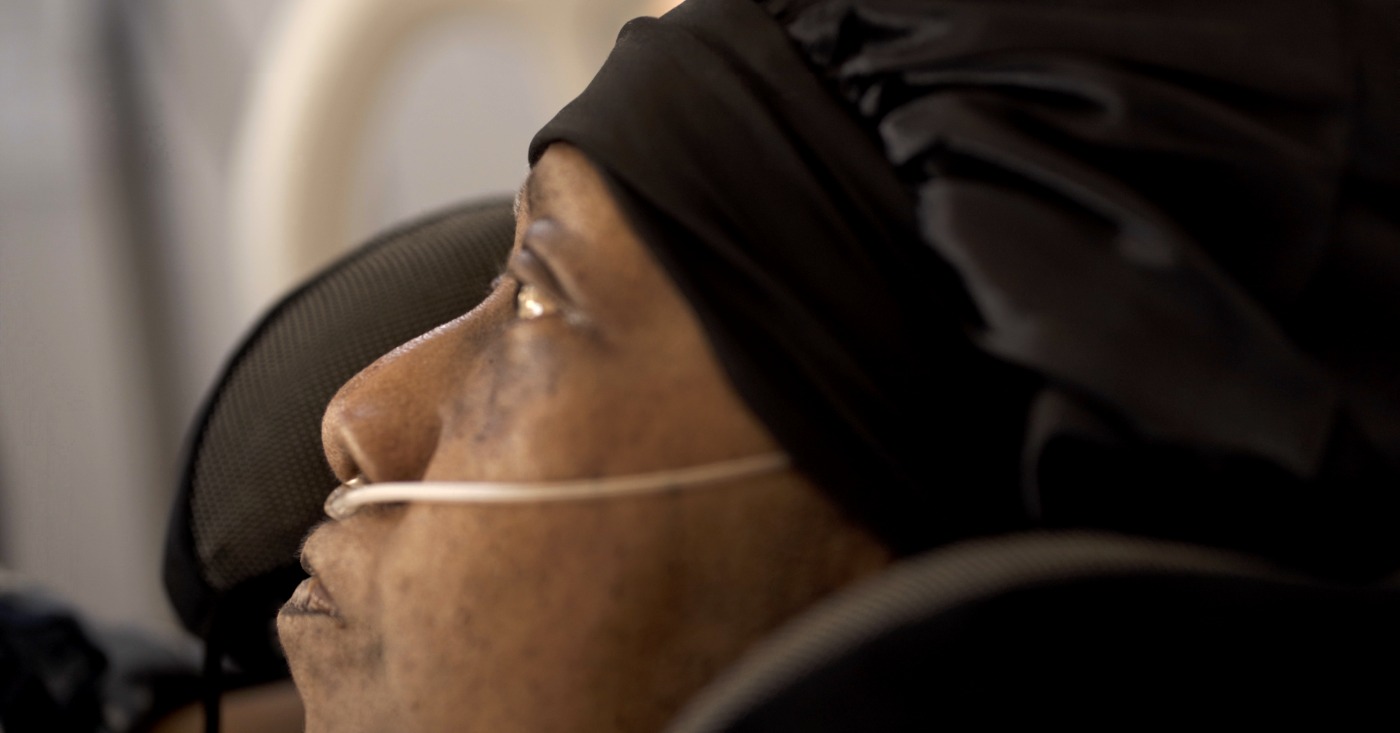
A tangle of red tape and contradictions between health providers and Medicare rules have impeded an Oakland woman’s ability to recover from a stroke she had last year.
Her family – who are her caretakers – have reached out to various professionals and state and federal lawmakers for help to no avail.
At 67, Annette Henry needs inpatient stroke rehabilitation after a devastating stroke in May 2025. Since then, multiple Bay Area hospitals have denied it. She was accepted into a rehabilitation facility in June 2025 but discharged prematurely in July, in essentially the same condition.
Three hospitals where she was a patient pushed skilled nursing over inpatient rehabilitation. Two more declined referrals.
Now at home, Henry is caught in a system that measures her need for treatment against the limitations treatment should address.
Medical professionals have documented her need for a higher level of care.
In August 2025, a Medicare Quality Improvement Organization (QIO) overturned Henry’s discharge from an inpatient rehabilitation facility (IRF).
The QIO’s independent physician reviewer found she had not received the “intensive therapy program outlined on admission,” according to the Aug. 30, 2025, determination letter. Yet the decision did not secure her readmission or guarantee continued rehabilitation.
Henry has central post-stroke pain, a rare neuropathic pain syndrome that can make movement and touch intensely painful. Her pain specialist recommended inpatient rehabilitation alongside pain management.
Nevertheless, facilities have cited her inability to tolerate three hours of daily therapy as a reason to deny inpatient rehabilitation.
That practice raises questions about Medicare coverage policy. In Hooper v. Sullivan, No. H-80-99 (D. Conn. 1989), the court recorded the parties’ agreement that denials based on numerical utilization screens, diagnostic screens, treatment norms, the “three-hour rule,” or other “rules of thumb” were not appropriate.
CMS subsequently cited Hooper in its Aug. 7, 2009, final rule (74 Fed. Reg. 39762, 39794). The policy is also addressed in the Medicare Benefit Policy Manual, Chapter 1, Section 110, and CMS’s June 1 Review Choice Demonstration for IRF Services: Operational Guide.
These authorities underscore the need for individualized assessments rather than rigid numerical thresholds.
The central contradiction is stark: the pain and disability that make rehabilitation necessary have been cited as reasons to deny it. UCSF Stanyan’s April 7 discharge summary for Henry states that acute rehabilitation unit (ARU) placement was declined for “inability to tolerate three hours of therapy daily.” Without appropriate treatment, Henry risks further decline.
Her records document complications associated with prolonged immobility.
Orthopedics documented flexion contractures of the small and ring fingers on March 19.
Chest imaging on April 1 showed bibasilar dependent atelectasis, a condition involving reduced inflation of the lower portions of both lungs. These concerns can be examined through her medical records and photographs.
“What does a ‘not reasonable’ discharge look like?” her family asks. For them, it looks like an appeal decision recognizing a problem without ensuring a remedy: repeated referrals, denials and a patient still without the rehabilitation her treating professionals have recommended.
The family has sought help from the California Department of Public Health and the federal Office for Civil Rights to no avail. They contacted U.S. Rep. Lateefah Simon in June 2025, while Henry was in rehabilitation; Senator Alex Padilla in May 2026; and Senator Adam Schiff in September 2026.
DeCuir says the family received no meaningful assistance and was redirected to the QIO or advised working with a social worker after Henry had already been discharged.
The consequences extend beyond rehabilitation. The family reports that Henry has struggled to attend in-person specialist or any appointments and needs in-person evaluation and treatment for complications, recommended evaluations, health screenings and preventive care.
Her mobility limitations have become barriers to broader medical care. Every office tells her their office is not set up to accommodate her. This has happened with specialty care, out-patient services, screenings and physical therapy.
Henry is a Black woman on Medicare, and her family believes her experience raises concerns about unequal access to intensive rehabilitation. Research has documented disparities in discharge to inpatient rehabilitation rather than skilled nursing, underscoring the importance of individualized review.
CMS, state regulators and healthcare providers should examine Henry’s records, assess her needs on their clinical merits and explain how the applicable coverage standards were applied, and whether they are being enforced.
Rehabilitation is not a reward for patients who can already tolerate treatment. It is care intended to help people recover function. Henry’s case asks whether a system designed to support recovery can leave a patient without a path to it.
Black Press
Oakland NAACP, BWOPA Speak Out Against Alleged Harassment of Black Women Political Leaders
The Oakland NAACP and the Oakland/Berkeley chapter of Black Women Organized for Political Action have issued a joint statement condemning a pattern of harassment, intimidation, and discrimination directed at Black women in politics. Leadership from both organizations noted that these concerns reflect a rise in online hostility and political attacks against public servants. The allegations emerged amid a contentious race for the Oakland Unified School District Board of Education, prompting a public debate over accountability and political conduct. Read more to learn how the involved parties have responded.
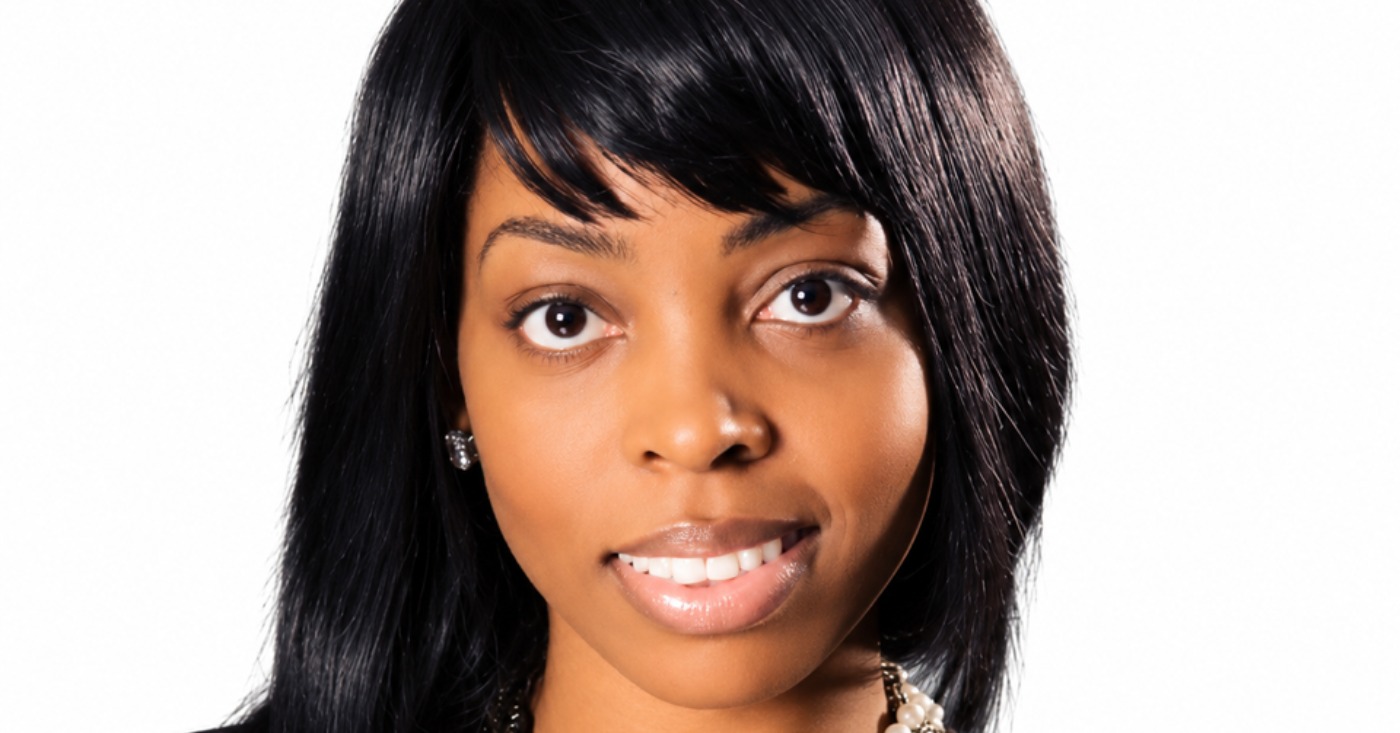
The Oakland branch of the NAACP and the Oakland/Berkeley chapter of Black Women Organized for Political Action (BWOPA) have issued a joint statement condemning what they describe as harassment, intimidation and discrimination targeting Black women in politics.
Founded in 1968, BWOPA is a California-based nonprofit advocacy and membership organization that is focused on increasing Black women’s participation and influence in the political process.
Danielle Motley-Lewis, president of BWOPA’s Oakland/Berkeley chapter, told California Black Media (CBM) that the statement reflects growing concerns about online hostility and political attacks directed at Black women candidates, elected officials and public servants.
“These allegations deserve serious attention and should not be dismissed as ordinary political disagreements,” the organizations said in their statement.
The concerns have surfaced amid a contentious race for the Oakland Unified School District (OUSD) Board of Education’s District 6 seat, where candidate LeAna Powell has reported experiencing harassment during her campaign.
Powell is running against Alexandra Williams and incumbent Valarie Bachelor, the school board’s vice president. All three candidates are Black women.
Motley-Lewis said the organizations’ statement addresses concerns extending beyond the school board contest, although Powell’s experiences helped bring the issue into focus.
“I could only speak to what I witnessed on social media. There were various types of harassment online,” Motley-Lewis said of the back-and-forth about the candidates online.
“It was unnerving.”
Powell, a former aide to former Oakland Mayor Sheng Thao, previously filed an informal complaint with the Oakland Public Ethics Commission alleging that Thao, then a City Council member, pressured city employees to work on her mayoral campaign.
Thao was recalled in November 2024 and left office Dec. 17 of that year. She subsequently faced federal charges related to an alleged bribery scheme. The criminal proceedings are separate from the dispute involving Powell’s school board campaign.
Powell also filed a complaint with the NAACP concerning what she described as harassment during her campaign.
Among those publicly criticizing Powell is Brandon Harami, a former Oakland mayoral staffer and LGBTQ+ advocate who said he previously worked with Powell in Thao’s office.
In a Sept. 27 Facebook post, Harami questioned Powell’s qualifications, judgment and political associations.
“District 6 candidate for School Board LeAna Powell does not have the maturity nor spine required to be on the school board,” Harami wrote.
Motley-Lewis said the organizations had documented or witnessed conduct they considered troubling, although she emphasized that their concerns were not limited to Harami or Powell.
Harami has denied the allegations and accused the organizations of misrepresenting his conduct.
In an Oct. 11 Instagram post, he called the joint statement a political smear and demanded that BWOPA and the Oakland NAACP retract it.
He argued that the organizations’ characterization of his actions unfairly portrayed him as having a history of harassment and discrimination. He also contended that the allegations were being used to silence LGBTQ+ voices.
Motley-Lewis said she declined Harami’s request for a retraction because the statement addressed a broader pattern of conduct affecting Black women in politics.
“I was open to brokering that conversation. However, (Harami) was unwilling,” Motley-Lewis said. “He did reach out to BWOP to retract our statement, and I advised him that I would not be doing that. The statement that he was included in (addressed) a broader problem that is experienced by various women.”


Why Not Us? Building North Commons for Our Kids! #shorts

Best of The DMV x Clearing the Air Meet and Greet | The Washington Informer

Martha Abraham celebrates win!

Buick Ownership Costs and Warranty Benefits Explained #shorts

Camp Gives Kids Escape, Hope, and a Future Beyond Sports! #shorts

Hundreds of Black Christian Leaders Arriving in Israel for Martin Luther King-Inspired Mission

Choose a Deductible You Can Actually Afford #shorts

Election Day Voting in Bakersfield

Sunnyside Capital Plan

What is the plan for success post-midterms?

All Skinfolk Ain’t Kinfolk

Practitioners of African Traditional Spirituality Offer Ancestral Reverence Ritual Oct. 31

A $2.1 Trillion Wellness Industry Never Built a Daily Practice for Black Children. So This Atlanta Family Did.

Latinas Deserve Equal Pay. Unions Help Make It Happen.

Oakland Awarded More than $14 Million in State Funding

Tamiko Armstead | 2026 Lifetime Achiever in Education

Should You Have to Pay to Hear the Gospel?

Montclair Brewery: Brewing Culture, Community, History

Master P Encourages Norwood Elementary Students to Dream Big, Work Hard

OP-ED: The Black Church Writes AI’s Next Chapter
Why Not Us? Building North Commons for Our Kids! #shorts
Best of The DMV x Clearing the Air Meet and Greet | The Washington Informer
Martha Abraham celebrates win!
Buick Ownership Costs and Warranty Benefits Explained #shorts
Camp Gives Kids Escape, Hope, and a Future Beyond Sports! #shorts
Choose a Deductible You Can Actually Afford #shorts
Election Day Voting in Bakersfield
Sunnyside Capital Plan
What is the plan for success post-midterms?

Vietnam: A Black veteran’s ‘Soldiers Story’
-

 Art1 week ago
Capturing Black Life’s Beauty
-

 Black History1 week ago
Retirement Triggers Doctor to Pen Book for Young Audience
-

 Featured2 days ago
Multi-Faith Leaders Representing 10 Million People Launch National Anti-Authoritarian Initiative
-

 Black Press1 week ago
Fatigue, Bloating, and Inflammation: Spotting the Subtle Signs of MASLD
-

 Black Press1 week ago
When Your Faith Is Put to the Test
-

 Black Press1 week ago
Message from the Associate Editor: Blindness, Hurts, Cops

