
Politics
Black Motorist’s Fatal Shooting: Outcry Over Police Tactics


In this April 4, 2015, frame from dashboard video provided by the North Charleston Police Department, Patrolman Michael Thomas Slager stands by Walter Lamer Scott’s car during a traffic stop in North Charleston, S.C. The video captures the moments leading up to a fatal shooting that has sparked outrage as the latest example of a white police officer killing an unarmed black man. Slager has been fired and charged with murder. (AP Photo/North Charleston Police Department)
JEFFREY COLLINS, Associated Press
MITCH WEISS, Associated Press
NORTH CHARLESTON, South Carolina (AP) — As its population surged in the last decade, South Carolina’s third-largest city fought rising crime through aggressive policing. But North Charleston’s police department lost the respect of many black residents in neighborhoods they blitzed, and now many are upset after the fatal shooting of an unarmed black motorist by a white officer.
Police in North Charleston used computers to track the neighborhoods where crime was on the rise, then sent waves of officers to patrol and conduct traffic stops, looking for offenders and letting drivers know they were cracking down. By the numbers, the tactics worked: every major category of crime, from murder to burglary to robbery to rape all fell significantly from 2007 to 2012, the last year for which statistics are available.
But anger is surfacing as civil rights leaders are demanding a full U.S. Justice Department investigation of the North Charleston force. The fatal shooting of Walter Scott as he fled after a traffic stop Saturday stirred outrage around the U.S., but people in North Charleston said they weren’t surprised.
“If the image of the city is more important than the lives of their citizens, there is going to be a problem,” said Dot Scott, president of the Charleston branch of the NAACP civil rights group. She’s unrelated to the slain motorist.
The U.S. Justice Department is conducting a parallel investigation with a local prosecutor into whether there were civil rights violations in the killing of Walter Scott. The NAACP would like that expanded to a full probe of whether racism and lack of respect for civil rights is pervasive through the entire department — similar to the federal agency’s probe after the fatal shooting of an 18-year-old unarmed black man by a white officer in Ferguson, Missouri.
With just over 100,000 people, North Charleston grew by nearly 16,500 people or about 20 percent from 2000 to 2010. More than half of its residents are minorities, mostly African-Americans. About 28 percent of its families make less than $25,000 a year.
For years, it battled an economic slump caused by the mid-1990s closing of the Charleston Naval Base on the city’s waterfront. For decades, city fortunes were tied to the base, where 38,000 people worked in the late 1980s.
But the city had plenty of land and proximity to next door Charleston, an affluent city popular with tourists. North Charleston has since bounced back, largely because of a huge investment by Boeing, which has a 787 aircraft manufacturing plant in the city.
Now North Charleston reaches from upscale subdivisions of $700,000 homes near the banks of the Ashley River to the older, impoverished black neighborhoods near the old naval base.
And those poor and black residents have learned to band together and be cautious around a police force that is nearly 80 percent white. Several residents around the city this week told the same story about what they do when an officer turns on the lights to pull them over. They said they immediately call a friend to see if they are nearby and can walk over to be a witness to a traffic stop. If no one is close, the phone is kept on so the person on the other end can listen, just in case.
Blacks were routinely putting their hands in the air when police confronted them for years before “Hands up, Don’t shoot” became a slogan in the wake of the death of Michael Brown in Ferguson, said 25-year-old Robert Blanton.
He said he has been stopped plenty of times for simply walking around his neighborhood after dark.
“I wonder — do they do that to whites walking in their neighborhood?” Blanton said.
The police department has refused to talk about its crime-fighting strategies since Scott was killed and officer Michael Slager was charged with murder, saying they want to wait until after Scott’s funeral on Saturday out of respect for his family.
But in a 2012 article in The Post and Courier of Charleston, then-Police Chief Jon Zumalt justified his more aggressive approach by saying it ensured people were obeying the law. And even if traffic stops didn’t lead to arrests, it got the word out that North Charleston was serious about fighting crime, he told the newspaper, which reported traffic stops in the city increased by about 3,000 to nearly 64,000 in 2011.
Numbers gathered by the state back that up. North Charleston had 26 murders in 2007 and 13 murders in 2012. The number of robberies in that five-year span fell 66 percent, while the number of burglaries dropped 29 percent.
Copyright 2015 The Associated Press. All rights reserved. This material may not be published, broadcast, rewritten or redistributed.


Black Press
COMMENTARY: Thank You, Trump, for Making America Great Again!
COURIER ECO LATINO — Mr. President, I never thought I would say these words, but here they are: Thank you, Donald Trump. Thank you for making America great again! You promised the American people you would do it. You traveled across this country wearing those red hats, standing before packed arenas, declaring that you alone could restore America’s greatness. And after the political earthquake of the 2026 midterm elections, I have to give you credit.

Thank You, Trump, for Making America Great Again!
Mr. President, I never thought I would say these words, but here they are: Thank you, Donald Trump. Thank you for making America great again!
You promised the American people you would do it. You traveled across this country wearing those red hats, standing before packed arenas, declaring that you alone could restore America’s greatness. And after the political earthquake of the 2026 midterm elections, I have to give you credit.
You said you would make America great again. You just never told us you were going to do it by waking up the very people you thought you could silence.
Mr. President, you may have accomplished what civil rights organizations, political strategists, voter registration campaigns and community activists have spent decades trying to achieve. You woke up Black America. You woke up young America. You woke up women across America. And perhaps most importantly, you reminded millions of Americans that democracy is not a spectator sport.
For years, we have begged our communities to understand the importance of voting. We organized marches, held rallies, registered voters, knocked on doors and pleaded with people to exercise the rights that our ancestors fought, bled and died to secure.
But then you came along.
You attacked diversity, equity and inclusion. You turned the word “woke” into a political insult. You challenged institutions that had worked to create opportunities for historically excluded communities. Your administration’s policies and rhetoric left many Americans wondering whether the progress of previous generations was being pushed backward.
And something remarkable happened.The people you underestimated decided they had heard enough. They didn’t just complain on social media. They didn’t just shake their heads at the evening news. They didn’t just talk about what needed to change. They went to the polls. And, Mr. President, they brought their receipts.
The Democratic victories in the House and Senate, along with the historic rise of Black elected leadership, represent something far greater than a political shift. They represent a powerful reminder that the American people still have the final word.
Consider Georgia. A state once synonymous with segregation, voter suppression and some of the most painful chapters of America’s racial history has witnessed a remarkable political transformation.
Keisha Lance Bottoms’ historic election as governor represents more than a victory for one candidate or one political party. As the first Black woman elected governor in American history, she represents generations of women who were told to wait their turn, stay in their place or lower their expectations.
And here in Columbus, state Rep. Carolyn Hugley stands poised to make history as the first Black woman to serve as speaker of the Georgia House of Representatives.
Think about that for a moment. Black women, whose political organizing, leadership and determination have so often been taken for granted, are now positioned to help shape the direction of government at its highest levels.
Across the country, Black candidates and other historically underrepresented leaders are demonstrating that political power does not belong exclusively to those who have traditionally held it.
And while you certainly cannot take credit for their qualifications, their sacrifices or their victories, Mr. President, you deserve recognition for helping create the political climate that motivated so many Americans to act.
You tried to make DEI a dirty word. The voters responded by making democracy a powerful one.
You said America needed to return to its greatness. But perhaps the greatest lesson of this election is that America’s greatness was never found in turning back the clock. It was never found in excluding people because of their race, gender, religion or background. It was never found in deciding whose history should be taught, whose voices should be heard or whose opportunities should be protected.
America’s greatness has always rested in its ability, however imperfectly, to move closer to the promise that all people are created equal. And sometimes, it takes a political backlash to remind us just how precious that promise is.
I am particularly proud of the role played by Black women, historically Black colleges and universities, the Black church and a new generation of voters who refused to allow frustration to become surrender.
They understood something that too many people had forgotten.You cannot change the direction of a country if you refuse to participate in determining who leads it.
But let me offer a word of caution. Winning an election is not the same as winning the future. The same energy that carried voters to the polls must now be directed toward holding elected officials accountable. Representation must translate into results. Historic firsts must produce meaningful progress.
We need affordable health care, quality education, economic opportunity, safe neighborhoods, fair housing and a justice system that treats every American with dignity.
We need elected officials who understand that making history is important, but improving people’s lives is even more important. And we must never confuse political victory with the completion of the struggle. The work continues.
Still, there is something wonderfully ironic about this moment in American history.
The man who built a political movement around the promise of making America great again may have helped inspire an entirely different movement — one determined to make America more inclusive, more representative and more accountable.
Mr. President, you told America you were going to bring about change. You did. You told America you were going to shake up Washington. You did. You told America you were going to make people pay attention to politics again. And, Lord knows, you did that too.
But perhaps your greatest political accomplishment was not what you intended to build. Perhaps it was the determination you awakened in those who refused to accept your vision of America.
You reminded us that elections have consequences. You reminded us that silence has a price. You reminded us that the power of the people is greater than the personality of any president. And you reminded Black America of something our ancestors have been telling us for generations:We do not have to beg for a seat at the table when we have the power to help determine who sits at the head of it.
So, Mr. President, from the bottom of my heart, thank you. Thank you for waking up the sleeping giant. Thank you for reminding us that our votes matter. Thank you for inspiring a generation that may have otherwise remained politically disengaged. And thank you for proving that no political movement, no administration and no individual is greater than the American people’s right to choose their own future.
You promised to make America great again. And in one of the greatest ironies of modern American politics, you may have helped do exactly that. Just not the way you planned.
Because, Mr. President, while you were busy trying to take America back, the American people were busy taking their country forward. And that, my friends, is what making America great really looks like.
Black Press
Alameda County Supervisor Miley to Propose Illegal Dumping Ordinance
POST NEWS GROUP — The proposed ordinance would add Chapter 6.121 to the County’s General Ordinance Code, establishing an administrative enforcement process that would allow the County to hold more parties accountable without relying solely on criminal prosecution.
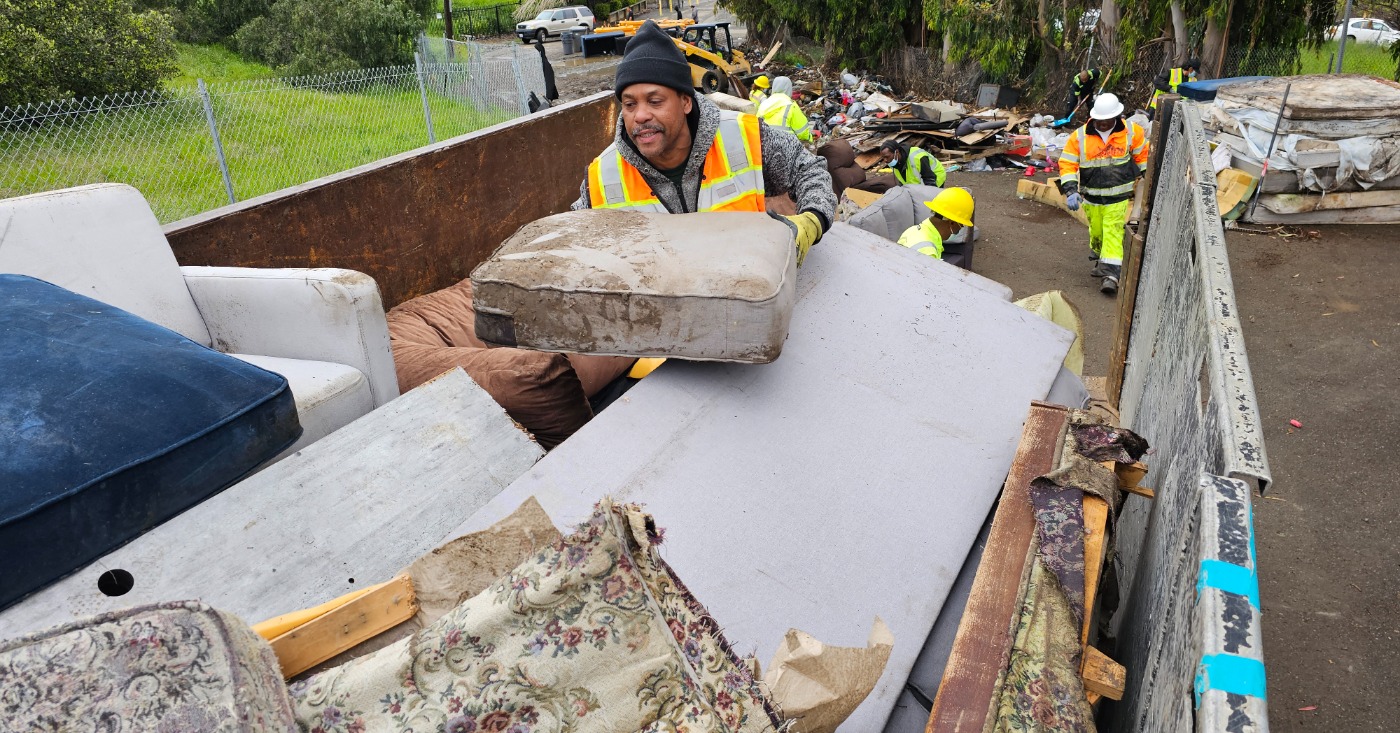
Proposal expands accountability, establishes administrative penalties, and ties fines to cleanup costs
On Tuesday, Nov. 17, the Alameda County Board of Supervisors is scheduled to consider the first reading of an ordinance proposed by Supervisor Nate Miley to strengthen enforcement against illegal dumping in unincorporated Alameda County, including Ashland, Cherryland, Castro Valley, San Lorenzo and Fairview.
Illegal dumping places a significant financial burden on residents and taxpayers. In 2024, Alameda County spent $3.8 million addressing 1,483 illegal dumping incidents, an average of approximately $2,562 per incident. Yet no illegal dumping cases from the unincorporated county were charged that year.
The proposed ordinance would add Chapter 6.121 to the County’s General Ordinance Code, establishing an administrative enforcement process that would allow the County to hold more parties accountable without relying solely on criminal prosecution.
Key provisions include:
- Expanded accountability: Penalties could apply to individuals who dump waste, those who provide waste to unlicensed haulers who illegally dispose of it, and vehicle owners who knowingly consent to their vehicles being used for illegal dumping.
- Administrative enforcement: Authorized County personnel could issue penalties and abatement orders, with opportunities for administrative hearings and judicial review.
- Penalties tied to cleanup costs: Fines would start at $2,500 for a first violation, increase to $5,000 for a second and $10,000 for a third. Enhanced penalties of up to $10,000 per violation could apply to large-scale dumping, hazardous waste, or dumping near sensitive locations such as creeks, schools and storm drains.
The ordinance includes safeguards for people acting in good faith. Residents and businesses using licensed haulers would be exempt from waste-generator liability, while vehicle owners whose vehicles were used without their consent and property owners unaware of dumping on their land would also be protected.
Cited individuals could request community service in lieu of penalties, with ability to pay among the factors considered. The proposal would also allow property owners, business improvement districts and community groups to pursue recovery of cleanup costs and authorize the Board to establish a reward fund for tips identifying illegal dumpers.
“Every mattress and every truckload of construction debris dumped in Ashland, Cherryland and Castro Valley gets paid for by the people who live there, and right now the people responsible almost never face a consequence,” Miley said. “This ordinance closes the loopholes that let people hand off their waste and walk away. It gives the County a fair and swift way to hold dumpers accountable, protects people who do the right thing, and makes the penalty match what it costs us to clean up after them.”
Modeled on Santa Cruz County’s illegal dumping ordinance, which took effect in July 2025, the proposal was recommended for approval by the Board’s Unincorporated Services Committee.
Miley is also urging cities and counties throughout the region to adopt similar standards. His office has released a Model Illegal Dumping Enforcement Ordinance developed through the Alameda County Illegal Dumping (ACID) Task Force to support coordinated regional enforcement.
If the Board conducts the first reading on Nov. 17, the ordinance will return for adoption at a subsequent meeting and take effect 30 days after adoption.
Paul Sanftner is the director of communications and special projects for the office of Alameda County Supervisor Nate Miley.
Black Press
On Veterans Day, U.S. Rep. Simon Demands Answers on Status of Veterans Affairs Clinic, Columbarium Project
POST NEWS GROUP — “Our veterans have served our nation with dignity and sacrificed so much for our nation – they deserve the best care and benefits possible, close to home. That’s why it is abhorrent that the Trump Administration has canceled the planned construction of a new clinic and columbarium at Alameda Point, despite years of planning and more than $395 million in federal funding already invested in the project.
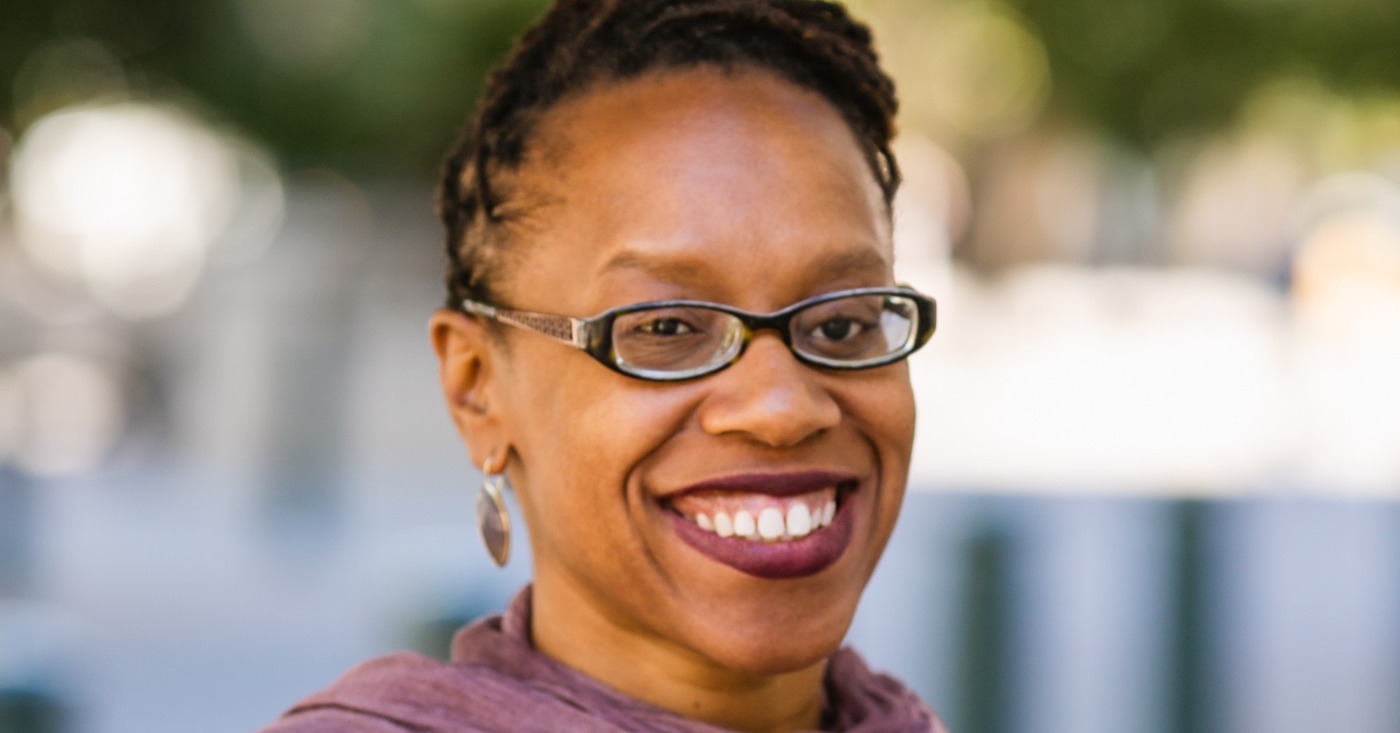
On Veterans Day, Congresswoman Lateefah Simon (D-CA-12) once again called on the Trump administration to provide answers on the status of the Alameda Point Veterans Affairs Clinic and Columbarium Project. Her statement is provided below.
“Our veterans have served our nation with dignity and sacrificed so much for our nation – they deserve the best care and benefits possible, close to home. That’s why it is abhorrent that the Trump Administration has canceled the planned construction of a new clinic and columbarium at Alameda Point, despite years of planning and more than $395 million in federal funding already invested in the project.
“Last year, I demanded answers from the Secretary of Veterans Affairs, Douglas Collins, about the decision and received no response.
That’s why, earlier this year, I worked with my colleagues Speaker Emerita Nancy Pelosi and Rep. Kevin Mullin to successfully fight for and secure report language in the Fiscal Year 2027 Military Construction, Veterans Affairs, and Related Agencies Appropriations bill that would require the Trump administration to provide answers on the status of the project.
“As the Senate considers the Fiscal Year 2027 Military Construction, Veterans Affairs (MilCon-VA), and Related Agencies Appropriations bill, the report language we secured in the House must be included in any final MilCon-VA appropriations bill, so that the 27,000 veterans in my district get the answers they deserve.
“I will not stand idly by as this administration unfairly reels back healthcare services and access for our veterans, and I will continue to hold this administration’s feet to the fire and fight for our district’s previously allocated resources.”
U.S. Rep. Lateefah Simon’s media relations office is the source of this report.
Black Press
OPINION: Mario Juarez’s Courtroom Admissions Raise Questions About Allegations That Fueled Recall of Pamela Price
POST NEWS GROUP — Juarez’ claims became a significant part of the political narrative surrounding the recall campaign that removed me from office. Even though I denied the allegations, for two years, Juarez’s allegation was repeated across news outlets and used as political ammunition against me. His former local criminal defense attorney Ernest Castillo proclaimed Juarez’ innocence and claimed that the charges were politically motivated. Castillo is now a judge in the Alameda County Superior Co
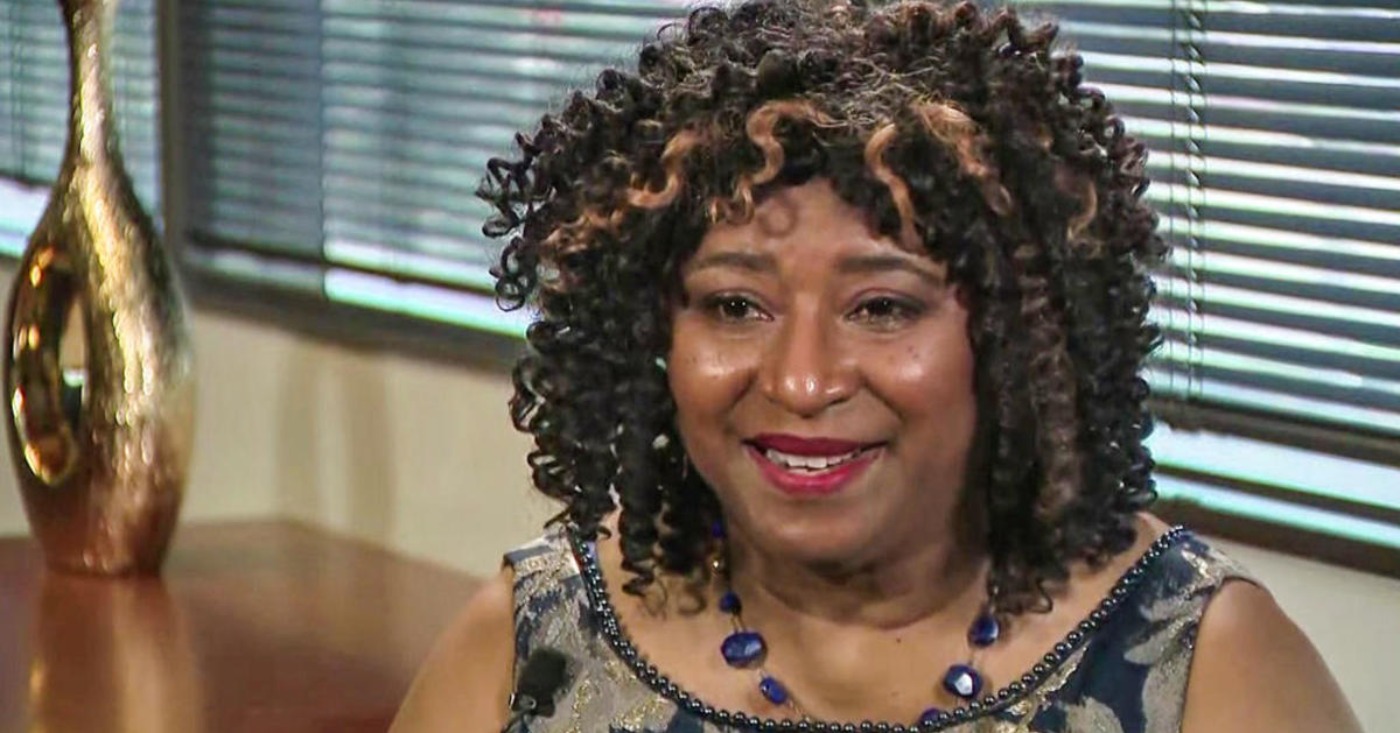
Former Alameda County District Attorney says it may take time, but ‘the truth will always catch up to the lie.’
In 2024, Mario Juarez, the U.S. government’s star witness in former Oakland Mayor Sheng Thao’s bribery case, steadfastly proclaimed his innocence of charges filed by the Alameda County District Attorney’s office under my leadership for allegedly passing tens of thousands of dollars in bad checks.
After he was charged in January 2024, Juarez fabricated a story claiming that I tried to extort $25,000 in cash from him for the anti-recall campaign.
In his recent courtroom testimony at Sheng’s trial, Juarez admitted that he knew the checks he wrote to print brokers Butterfly Direct Marketing were bad and would bounce. He also testified that he took money intended to pay the printer for himself. Juarez has a long, documented history of making false accusations and scamming business partners and acquaintances.
I denied Juarez’s allegation from the beginning. I never solicited a $25,000 payment from Juarez in exchange for dismissing criminal charges. It did not happen.
Now, in open court, the public is hearing Juarez admit that he knew the checks he wrote would bounce and that he took money intended to pay Butterfly for himself.
Juarez’ claims became a significant part of the political narrative surrounding the recall campaign that removed me from office. Even though I denied the allegations, for two years, Juarez’s allegations were repeated across news outlets and used as political ammunition against me. His former local criminal defense attorney, Ernest Castillo, proclaimed Juarez’ innocence and claimed that the charges were politically motivated. Castillo is now a judge in the Alameda County Superior Court.
Juarez’ false allegations against me had political consequences. The media and local bloggers were quick to amplify his allegations. Now they each have an obligation to give the public the same level of attention to the facts that have emerged in court. Anyone who repeated those allegations has a responsibility to revisit them now that Juarez admits he was guilty of the charges.
Juarez’s admissions also raise serious questions about why current District Attorney Ursula Jones Dickson chose to dismiss the charges against him rather than pursue accountability for the criminal conduct he has now admitted under oath. One of Jones Dickson’s first acts in February 2025 was to dismiss the charges against Juarez, despite the victim’s objections.
Political opponents should not be able to turn an unverified accusation into a public verdict. My reputation, my career, and the confidence of voters were all affected by an accusation that was never established as true.
The press should never confuse an allegation with proof and mislead the public about the veracity of a claim. And the current district attorney should not make prosecution decisions based on politics.
About Hon. Pamela Price
Pamela Price earned her B.A. from Yale College and a J.D. and M.A. from the Berkeley School of Law. She was admitted to practice law in California in 1983 and has specialized in federal civil rights litigation since 1991. She has successfully prosecuted civil and criminal cases in Bay area courts and is one of the few Black women to ever argue a case in the U.S. Supreme Court. She served as the elected District Attorney of Alameda County from 2023 to 2024.
Black Press
Hutchinson Concedes: Ballots Still Being Counted in Oakland Board Elections
Oakland District 4 incumbent Mike Hutchinson has conceded his seat on the school board as ballot counting continues for Alameda County. Following ranked-choice tabulations, challenger Kathryn Camp holds a significant lead over the longtime representative whose term ends in January. While Hutchinson expressed pride in his legislative record and opposition to the board majority, other races remain highly competitive. Updates in Districts 2 and 6 show narrow margins and shifting leads as officials finalize the local election results, providing a new outlook for the district.
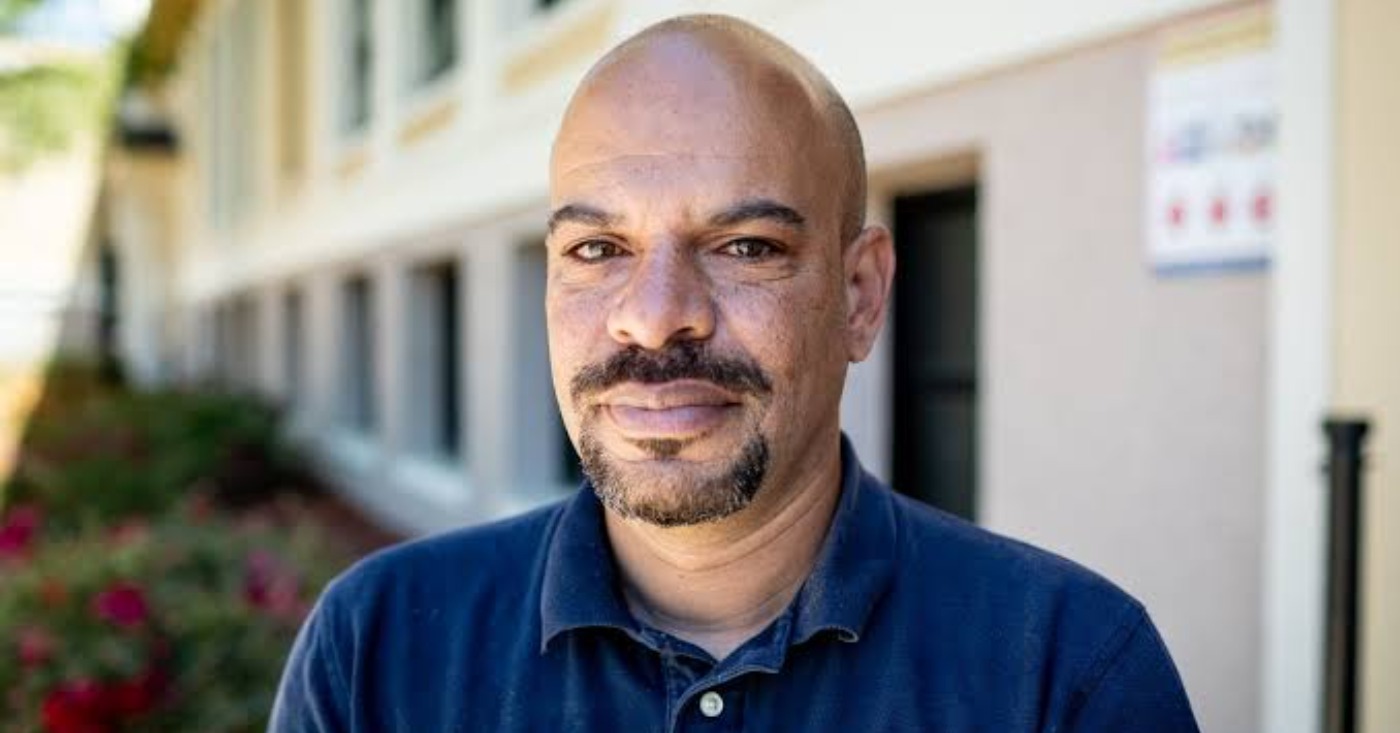
While the results of Oakland and Alameda County elections are still being counted, Oakland District 4 incumbent, Mike Hutchinson, has already conceded online. His term ends in January.
As of Monday, Nov. 9, after ranked-choice votes were tabulated, Hutchinson won 44.36%, while Kathryn Camp won 55.64%. Sylvia Pfeiffer Williams came in third.
Camp’s website describes her as “an Oakland mom, an OUSD parent, and an experienced leader who believes deeply in the power of opportunity and in our responsibility to make sure every child has a real chance to thrive.”
Writing on Facebook, Hutchinson wrote, “It appears that we did not win reelection to the school board. Although it is disappointing, it is not entirely unexpected given what we have faced over the last four years. I have often said that if doing the right thing costs me reelection then so be it.”
In summing up his achievements, he credited himself with the work of the district, the board, and the superintendent and celebrated his opposition to the school board progressive majority and the superintendent.
“During my six years in office, against all odds, and without a board majority, we changed the game. I’m proud to say that we accomplished more than I ever imagined was possible,” he wrote.
“I led through the pandemic and the safe and equitable reopening of the district. I ended the failed school closures policies,” he continued. “I authored and passed the 3 R’s, a comprehensive plan to engage in community conversations to decide how to re-envision, restructure, and redesign OUSD going forward.”
“I steadfastly took a stand against the school board majority over the last two years as they reversed our progress,” he said.
Many school observers and public-school advocates did not share Hutchinson’s enthusiasm for the role he has played.
At present, he often aligns with the Fiscal Crisis Management and Assistance Team (FCMAT), a state-funded agency that advocates for closing schools and cutting education programs, particularly in poorer districts that serve Black and Brown families.
Other school board races are showing mixed results. In District 2, School Board President Jennifer Brouhard is ahead of her challenger Arielle Fleisher, 50.99% to 49.01% as of Monday.
In the District 6 race, Board Vice President Valarie Bachelor is slightly ahead of two challengers in first-place votes at 37.82% but trails after ranked-choice votes are tabulated. With ranked-choice tabulations, Alexandra Williams is the current leader with 54.74% of the vote, ahead of Bachelor, who has 45.26%, as of Monday. Leana Powell came in third.
Williams has worked at public, private, and charter schools. She joined AIMS Academy, part of the American Indian Model Schools network in Oakland, as a math teacher in September 2024.
Black History
Mississippi Congressman Bennie Thompson Congratulates Scott Colom on Historic Victory
POST NEWS GROUP — “My relationship with Scott dates back to his participation in the Mississippi Black Leadership Institute, which I helped establish in partnership with the NAACP to develop the next generation of public servants. As one of the program’s first graduates, Scott demonstrated the leadership and commitment to public service that would later define his career.
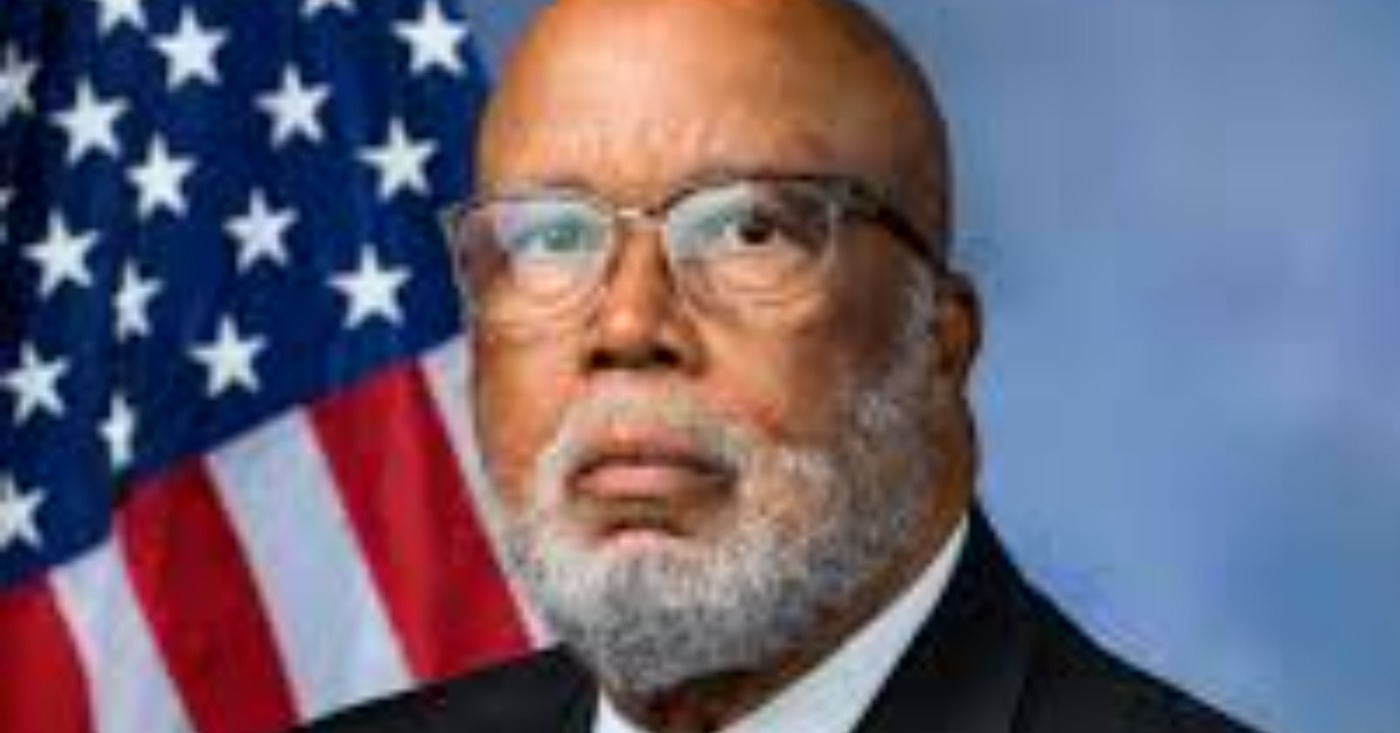
Today, Congressman Bennie G. Thompson (MS-02) issued the following statement on Mississippi Senator-elect Scott Colom’s historic election to the United States Senate:
“I am incredibly proud of Senator-elect Scott Colom and his historic victory. Having known Scott for many years, it has been a pleasure to watch him grow into the leader he is today. His campaign brought together Mississippians from every walk of life — young and old, Black and white, rural and urban —I n a way I have never witnessed in more than 50 years of public service. This victory demonstrates the power of grassroots organizing and what people can accomplish when they come together for a common purpose.
“My relationship with Scott dates back to his participation in the Mississippi Black Leadership Institute, which I helped establish in partnership with the NAACP to develop the next generation of public servants. As one of the program’s first graduates, Scott demonstrated the leadership and commitment to public service that would later define his career.
Recognizing that potential, I encouraged him to run for district attorney of Mississippi’s 16th Judicial District, where he defeated a 28-year incumbent and went on to serve three terms.
“Having witnessed Scott’s leadership firsthand, I had every confidence in his ability to serve as a federal judge when I recommended him to President Joe Biden for nomination in 2022. Former Senator Cindy Hyde-Smith’s decision to block his nomination by withholding her blue slip was disappointing, but it did not lessen my confidence in him or his commitment to serving Mississippi.
“To see him now elected to the very Senate where his nomination was blocked is especially meaningful and a testament to his perseverance and the trust Mississippians have placed in his leadership.”
“Scott has the experience, character, and determination to be an effective advocate for Mississippi. Throughout my career, I have fought to make sure those at the bottom have an opportunity to move up, and I know he shares that commitment.
Having another Mississippi Democrat alongside me in Congress who understands the needs of Mississippians means a great deal. Together, we will fight to improve access to health care, strengthen public education, expand economic opportunities, and ensure our rural and underserved communities are not left behind.
“I look forward to working with Senator-elect Colom and am pleased to welcome him to the Mississippi Congressional Delegation.”


San Diego’s Black Community & Why Unity Matters Now

Lower Loan Rates and Build Financial Confidence #shorts

How Community Leaders Are Tackling the Racial Wealth Gap #shorts

Leaving Home to Find Something Different #shorts

Financial Peace Starts With These Simple Saving Habits #shorts

Ask for HELP Before Taking a PREDATORY Business Loan #shorts

The EV Money Guide Every Black Buyer Needs #shorts

69th Annual GRAMMYs: See the Full List of Nominees!

Choose the Right School, Not the Biggest Name #shorts

Free Financial Coaching: Build a Plan for Your Future #shorts

Practitioners of African Traditional Spirituality Offer Ancestral Reverence Ritual Oct. 31

Tamiko Armstead | 2026 Lifetime Achiever in Education

HISTORY MADE: Keisha Lance Bottoms Becomes First Black Woman Elected Governor in American History

Kickstarter CEO Everette Taylor Shares Tips on Creating and Growing a Business

BLACK MEN VOTE: Mobilizing 100,000 Black Men Ahead of the Midterms 📱

NFN live presents 🎙️ THE ROAD TO BEYOND IWDM 50: WE CANNOT STOP NOW! 8-Week Podcast

Black Household Wealth Plummeted 25% in Three Years, New Data Shows

Secretary of State Shirley Weber Pushes Back Against DOJ Demands Over California Voter Rolls

Columbus’s Oldest Businesses Still Open: 10 That Have Lasted 75+ Years

COMMENTARY: BIG MAMA SAID: Don’t Throw Away the Gift Just Because It Came Wrapped Wrong
San Diego’s Black Community & Why Unity Matters Now
Lower Loan Rates and Build Financial Confidence #shorts
How Community Leaders Are Tackling the Racial Wealth Gap #shorts
Leaving Home to Find Something Different #shorts
Financial Peace Starts With These Simple Saving Habits #shorts
Ask for HELP Before Taking a PREDATORY Business Loan #shorts
The EV Money Guide Every Black Buyer Needs #shorts
Choose the Right School, Not the Biggest Name #shorts
Free Financial Coaching: Build a Plan for Your Future #shorts

Kamasi Washington at City Winery
-
 Black History1 week ago
Keisha Lance Bottoms to Govern State Where Her Great-Great-Grandfather Was Enslaved
-
 Black History7 days ago
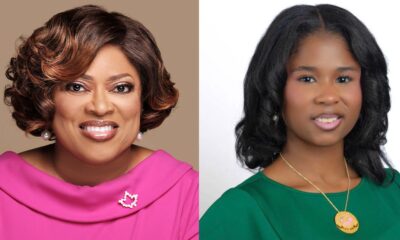
Don’t Pass the Torch. Expand the Circle.
-
 Black Press3 days ago
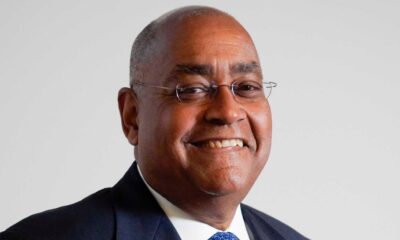
OP-ED: Closing the Next Digital Divide — Communities of Color Must Have a Voice in the AI Future
-
 Black History1 week ago
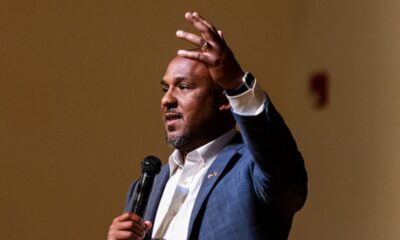
Meet Scott Colom, the Mississippi Democrat Leading Tight Mississippi Senate Race
-
 Black Press1 week ago
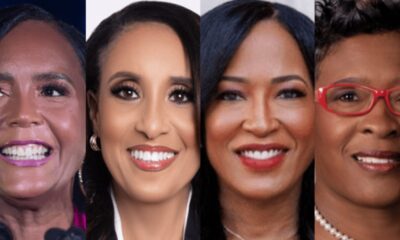
Eight Black Women Win Georgia Statewide Offices
-

 Featured7 days ago
Democratic Leadership Under Fire, Maxine Waters Challenged & Tyler Perry’s New Political Role 📱
