
Lifestyle
Black Girls Ride: Women of Color Blaze New Trails in Motorsports
WASHINGTON INFORMER — Two hundred twenty-five unapologetic, fearless and trend-setting female bikers, brought together by Black Girls Ride (BGR), will ride nearly 200,000 miles, collectively, from more than 5 states for the largest African-American music and entertainment celebration in New Orleans July 5-7. The rides, powered by Indian Motorcycle and Polaris Slingshot© represent the growing emergence of African American and female motorcyclists in the country.


More than 200 Female Riders Set to Dispel Biker Stereotypes on Journey to New Orleans
By WI Interns/DTU Fellows
Two hundred twenty-five unapologetic, fearless and trend-setting female bikers, brought together by Black Girls Ride (BGR), will ride nearly 200,000 miles, collectively, from more than 5 states for the largest African-American music and entertainment celebration in New Orleans July 5-7. The rides, powered by Indian Motorcycle and Polaris Slingshot© represent the growing emergence of African American and female motorcyclists in the country.
Black Girls Ride Founder Porsche Taylor has made it her mission to increase the number of female motorcyclists across the nation, provide safe riding adventures and inspire riders through safety education and celebration.
“This is the ultimate girls’ trip,” BGR Magazine Founder Porsche Taylor said. “We are celebrating our femininity, individuality and showing the world that there’s an indescribable feeling of accomplishment and freedom that women get when they conquer their fears on a high-quality motorcycle.”
Taylor’s passion for riding mirrors that of legendary biker, Bessie Stringfield who crossed the country in the 1930s – solo on a motorcycle. Born in 1911, Stringfield’s life comes to life on the pages of the 1993 book Hear Me Roar: Women, Motorcycles and the Rapture of the Road written by Stringfield’s protégé and eventual biographer Ann Ferrar. Stringfield eventually became the first Black woman to ride a motorcycle in every one of the connected 48 states—a solo cross-country ride she undertook eight times during her lifetime, as well as riding abroad in Haiti, Brazil, and parts of Europe.
As reported in a 2018 Motorcycle Industry Council study, female motorcycle ownership doubled in the U.S. in the last decade, with nearly one in five motorcycle riders being female. Among African-American motorcycle owners, women dominate at 53 percent over men, according to another 2018 survey of American consumers.
The majority of the riders, some of which will be riding Indian Motorcycles or the three-wheeled Polaris Slingshot vehicles, will make the multi-state journey from five states: Texas, Florida, Alabama, Georgia and Louisiana. Other riders will come from as far as California. Riders will either make the joy ride solo or in a group. The 225 riders will bring their mission to the largest African-American female festival in the nation.
“Polaris has fueled the passion of riders, workers and outdoor enthusiasts for more than 60 years,” Polaris Marketing and Customer Engagement & Growth Manager Joey Lindahl said. “Indian Motorcycle and Polaris Slingshot are proud to support and celebrate the growing national sisterhood of riders as they blaze new trails in the industry.
“Women continue to break barriers and defy stereotypes in motorcycling, and the sport has brought us together like never before,” Taylor said. “Our fellow biker sisters come from all walks of life. We work in boardrooms and classrooms across the nation but on the free road, we are one. We are a family.”
This article originally appeared in the Washington Informer.














Black History
MHU Commemorates ASCORE and Anniversary of Desegregation
THE URBAN NEWS — UNC Asheville and Mars Hill University are collaborating to host a series of commemorative events marking the 65th anniversary of their desegregation. The programming honors Etta Mae Whitner Patterson and Oralene Anderson Graves Simmons, two former members of the Asheville Student Committee on Racial Equality (ASCORE) who became the first Black students at their respective institutions in 1961.
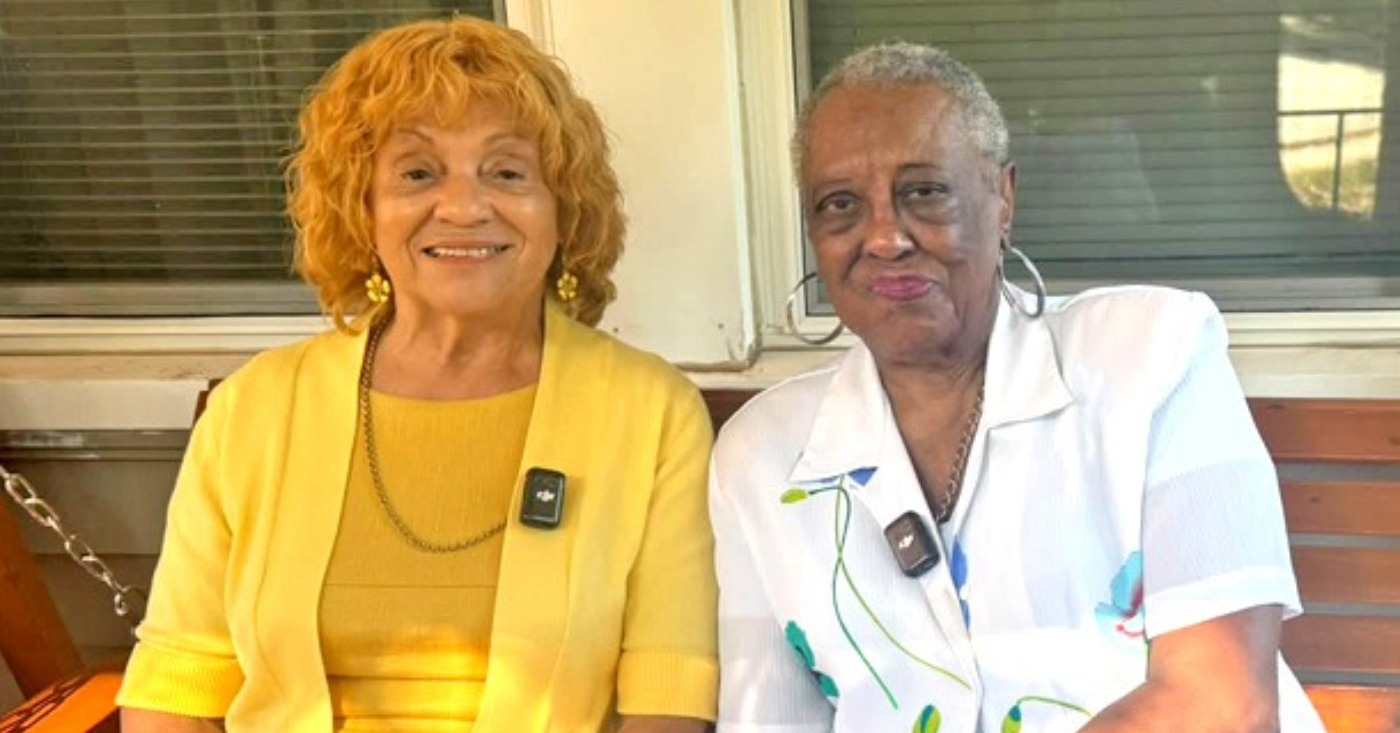
A week of events at UNC Asheville, Mars Hill University, and downtown Asheville.
In 1961, two young women broke the color barrier to become the first African American students at two Western North Carolina colleges: Etta Mae Whitner Patterson at UNC Asheville and Oralene Anderson Graves Simmons at Mars Hill University (then Mars Hill College).
Both women were students at Asheville’s Stephens-Lee High School, where they were members of the Asheville Student Committee on Racial Equality (ASCORE). Through nonviolent protest, ASCORE led efforts to desegregate many Asheville stores and businesses.
Patterson and Simmons, who later founded the Martin Luther King Jr. Association of Asheville and Buncombe County, have since received honorary doctorates from their alma maters in recognition of their achievements and lifelong service to their communities.
To commemorate ASCORE, honor the leadership of Etta Patterson and Oralene Simmons, and mark the 65th anniversary of the desegregation of UNC Asheville and Mars Hill University, UNC Asheville’s Department of History and Mars Hill University’s Liston B. Ramsey Center for Appalachian Studies invite the public to attend “Stories of ASCORE: Lessons in Courage, Desegregation, and Community Activism.”
The program will feature two panel discussions with Drs. Patterson and Simmons, along with other former members of ASCORE. Panelists will discuss how their experiences integrating Asheville’s businesses and institutions prepared them for their college careers, professional lives, and continued community activism.
The first panel discussion will take place at 6 p.m. on Tuesday, November 10, 2026, in the Blue Ridge Room of Highsmith Union at UNC Asheville. The event will feature a presentation by Dr. Patterson and a panel discussion with Dr. Simmons, Marvin Chambers, Jesse Ray, and Al Whitesides. The panel will be moderated by Deborah Miles, retired director of the former UNC Asheville Center for Diversity Education.
This event is sponsored by UNC Asheville’s Department of History and Africana Studies Program, with generous support from King and Pam Prather. A free visitor parking permit is required for the UNC Asheville event. Please visit the university’s parking website for instructions on obtaining a permit for the evening’s program.
The second panel discussion will take place at 5 p.m. on Thursday, November 12, 2026, in the Tony and Terry Floyd Conference Center in the Mars Hill University Campus Center. The event will feature Dr. Simmons, Annette Coleman, and Elizabeth Colton. The panel will be moderated by Jonathan McCoy, professor of history at Mars Hill University.
This event is sponsored by the Liston B. Ramsey Center for Appalachian Studies, with generous support from the university’s Provost’s Office.
In addition, at 12 noon on Wednesday, November 11, 2026, in Pack Square in downtown Asheville, Mayor Esther Manheimer and the Buncombe County Commission Chair will proclaim ASCORE Day and present honors to Etta Patterson and Oralene Simmons. Holly Jones of the North Carolina Governor’s Office will also participate in the ceremony.
For more information, contact Leila Weinstein at Mars Hill University ([email protected]) or Ellen Holmes Pearson at UNC Asheville ([email protected]).
Based on reporting by The Urban News.
Black History
HBCU Love: Spelman’s Dr. Letitia Plummer Makes History as Harris County’s First Black Elected County Judge
TEXAS METRO NEWS — Former Houston City Council member Dr. Letitia Plummer has made history as the first Black person elected to serve as the Harris County Judge. The Spelman College alumna defeated Republican Orlando Sanchez in the general election for Texas’ most populous county, receiving approximately 62% of the vote.
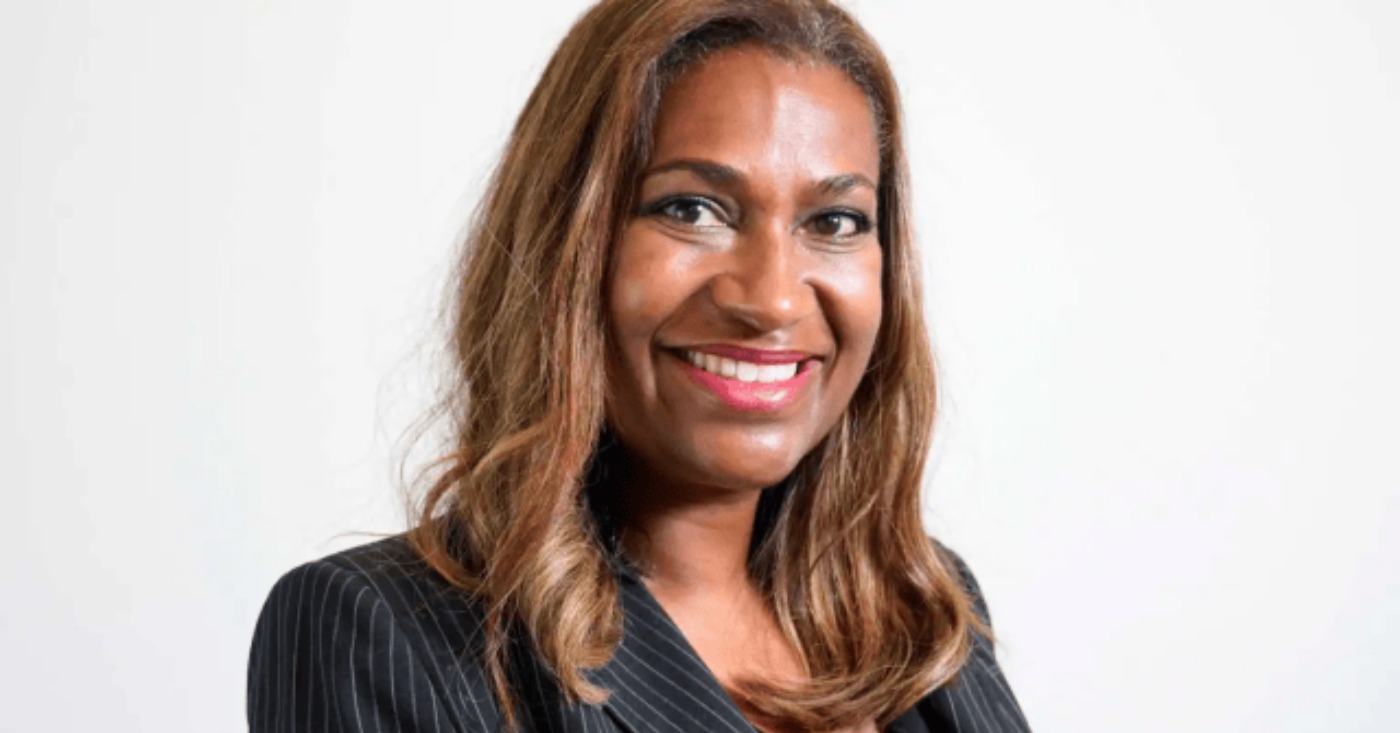
Letitia Plummer is the next Harris County judge, and the Spelman College alumna made history in Texas’ most populous county. On Tuesday night, the former Houston City Council member defeated Republican Orlando Sanchez. As a result, she becomes the first African American elected to lead Harris County.
Early unofficial results showed Plummer with about 62% of the vote to Sanchez’s 38%. Shortly after 9 p.m., Sanchez called Plummer to concede. He then asked his supporters to back her once she takes office.
The win also makes her the first Muslim elected to the post. According to the Houston Chronicle, that makes her the highest-ranking Muslim executive official in Texas history.
A Historic Night in Houston
Plummer succeeds Lina Hidalgo, who chose not to seek another term. Now, a Spelman woman takes over the top job in a county of nearly 5 million people.
ADVERTISEMENT
In Texas, the county judge is not a courtroom role. Instead, the job leads the Commissioners Court, which runs the county’s budget, roads, flood control and public health. So the seat carries real power over daily life in the Houston region.
The general election was never especially close. However, the road to November was brutal. In the March 3 primary, Plummer finished second behind former Houston Mayor Annise Parker. Parker took about 47% to Plummer’s 37%, sending the race to a runoff.
Then Plummer flipped the script. On May 26, she beat Parker in the runoff with about 51% of the vote. From there, she turned to Sanchez and never looked back. Houston Public Media has full coverage of election night.
Letitia Plummer’s Road From Linkwood to Harris County Judge
Plummer grew up in Linkwood, a neighborhood south of Brays Bayou near Buffalo Speedway. Her family history runs deep in Houston. Her grandfather was a Tuskegee Airman flight instructor. After the war, he became the first African American investigator for the Harris County district attorney.
ADVERTISEMENT
Her father, Matthew Plummer Jr., studied dentistry at Harvard. Later, he served in the Peace Corps, where he met her mother in Africa. Her mother brought Yemeni and Indian roots to the family. As a result, Plummer grew up in a multicultural household that shaped her outlook.
As a teen, she attended what is now DeBakey High School for Health Professions. Then she headed to Atlanta for Spelman. There, she joined Alpha Kappa Alpha Sorority, Inc.
After Spelman, she came home to Texas for dental school at Baylor College of Dentistry. Like her father, she became a dentist. She went on to own dental practices in the Houston area, including in Pearland.
From Dental Chair to City Hall
Plummer’s political career started with a 2018 run for Congress. She made the Democratic runoff in Texas’ 22nd District but lost to Sri Preston Kulkarni. Still, the campaign put her on the map.
A year later, she won Houston City Council At-Large Position 4. She took office in January 2020. In doing so, she became the first Muslim woman elected to the Council.
On the Council, she focused on police reform, food deserts and apartment inspections. She also chaired the Government Operations Committee. Notably, fellow Spelman alumna Carolyn Evans-Shabazz served alongside her on the Council.
In 2025, she launched her campaign for county judge. Then she timed her exit from the Council so the city could fill her seat during a regular election. That move saved Houston the cost of a standalone special election.
What She Ran On
Plummer pitched herself as a unifier for a Commissioners Court that has often split along party lines. She promised to build stronger working relationships among its members.
She also called for better county services and changes to the county’s Flock camera contract. In addition, she pushed back on state leaders for exerting authority over Harris County.
On election night, she spoke about her personal struggles with surrogacy. She said that experience helped inspire her decision to run.
Why Letitia Plummer’s Win Matters for Spelman
Spelman women had a big night across the country Tuesday. In New York, alumna Adrienne Adams won the lieutenant governor’s race. Now Plummer will run one of the largest counties in America.
Together, the wins show how far the Spelman network reaches in politics. Both women built careers outside government before winning office. And both broke barriers on the way up. For more on the school, check out our Spelman College coverage. You can also follow our Keisha Lance Bottoms coverage for more HBCU wins from election night.
What Comes Next
Plummer will take office in January. Between now and then, she will build her team and prepare for the county budget fight. For more on her path, the Houston Chronicle tracked her rise through a political roller coaster year.
Stay with HBCU Buzz for continued coverage of Harris County Judge-elect Letitia Plummer as she prepares to take office.
In this article:HBCU LOVE, Letitia Plummer, Spelman’s Dr. Letitia Plummer Makes History as Harris County’s First Black Elected County Judge
Based on reporting by Texas Metro News.
Black History
Jason Driver Named St. Louis Public Library CEO
ST. LOUIS AMERICAN — The St. Louis Public Library has appointed Jason Driver as its next chief executive officer following a national search. Driver, a veteran administrator with 27 years of experience, currently leads the Kitsap Regional Library in Washington and previously served in several roles at the Chicago Public Library. He is scheduled to take over the 15-location system on January 4, succeeding longtime leader Waller McGuire. The appointment follows a period of notable activity for the system and recent management discussions in Driver’s current role. Read more.
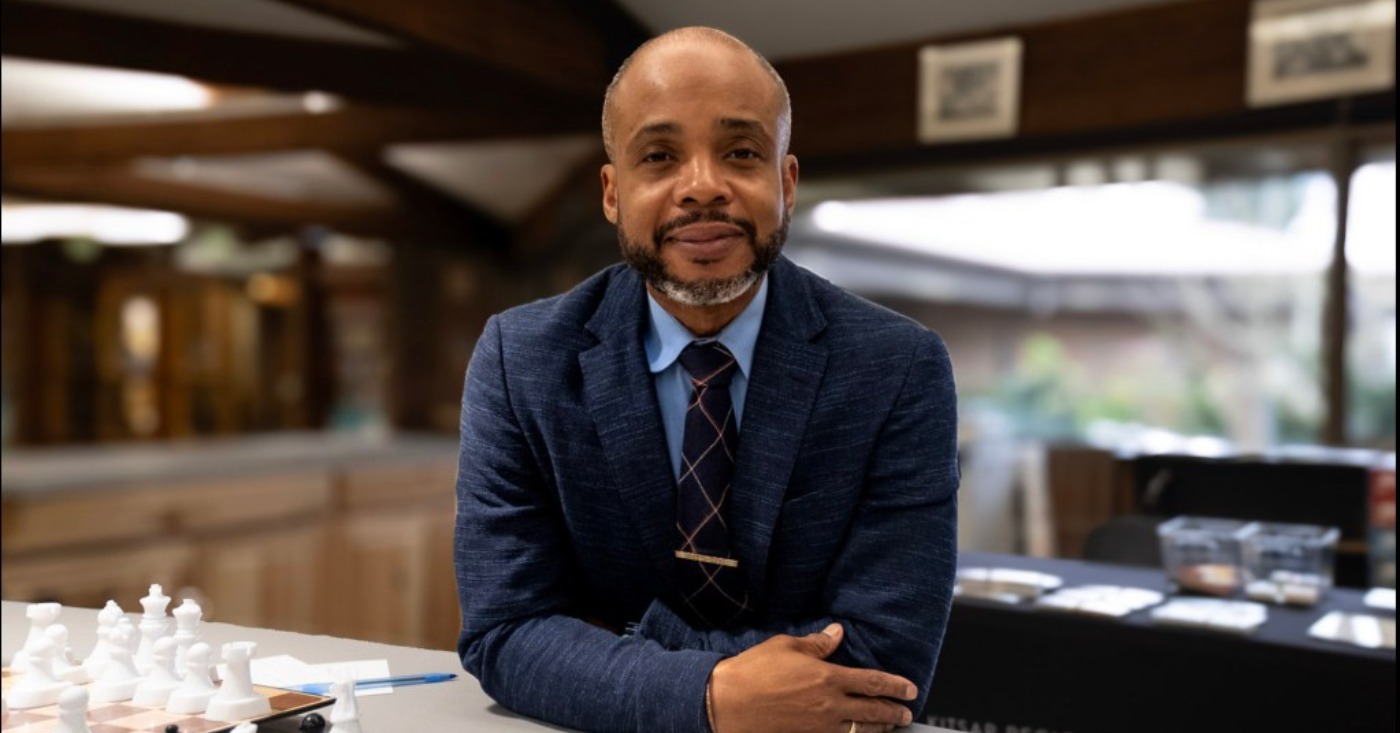
Jason Driver, a veteran library administrator with more than 27 years of experience, has been named the next chief executive officer of the St. Louis Public Library, taking over a 15-location system that serves more than 135,000 active cardholders.
Driver, who has led Kitsap Regional Library in the state of Washington since 2022, will begin his new position Jan. 4, succeeding Waller McGuire, who retired in October after 37 years with the St. Louis library system, including 22 years as its leader.
The appointment follows a national search and comes after the St. Louis system was named Missouri’s 2026 Library of the Year, in part for its response to the devastating May 2025 tornado. The library helped residents during the recovery, including through a tool-lending program established to assist with home repairs.
Driver told Sarah Fenske of St. Louis Magazine that he has no immediate plans to overhaul the system, which he described as a “well-oiled machine.”
“I’m a firm believer in one needing to follow before they can lead,” he said.
He plans to spend time learning from employees and the library board before deciding what changes might be needed.
Driver, a Chicago native, began his career working with young people in foster care through the Illinois Department of Children and Family Services. He later joined the Chicago Public Library, where he held positions ranging from children’s librarian and early literacy specialist to branch manager, regional director and district chief.
At Kitsap, Driver has overseen strategic planning, finances, communications and public services for a nine-branch system.
His selection follows several months of workplace controversy there, where union-represented employees questioned his management practices.
The Washington Public Employees Association raised concerns in May about communication, personnel decisions and branch closures. Union members later voted no confidence in Driver and called for his removal, according to reporting by Kitsap News Group.
A three-month independent investigation did not substantiate allegations of unlawful gender discrimination, retaliation or misconduct violating library policies. The Kitsap library board supported Driver’s continued leadership but acknowledged that communication, trust and workplace relationships needed improvement.
The board also said some employee concerns involving labor relations, collective bargaining and working conditions fell outside the investigation’s scope.
Driver told St. Louis Magazine he respected the union’s right to raise concerns and viewed the experience as an opportunity to improve communication.
“I definitely embrace the union to be able to have that pathway to speak out when there are things that they don’t agree with,” he said.
The St. Louis Public Library board independently confirmed the investigation’s findings with Kitsap trustees before hiring Driver, according to the St. Louis Business Journal.
“After a national search, the Board of Directors believes we have found in Jason an outstanding leader with the vision and experience to lead SLPL forward,” board President Nina North-Murphy said in a statement.
Driver will receive an annual salary of $240,000, the Business Journal reported.
Driver said returning to an urban library system was among the attractions of the St. Louis position. His background in social services, he said, helped prepare him to work with people from a wide range of circumstances.
“I felt like the background I had in social services really helped me to deal with some of the things we deal with in urban libraries,” he told Fenske.
He said libraries offer opportunities to serve people who might otherwise face barriers to accessing community resources.
“St. Louis is a wonderful city, it has a strong library core, and it certainly has a number of opportunities to dig in and help advance the mission and help the people of St. Louis,” Driver said.
The post Jason Driver named St. Louis Public Library CEO appeared first on St. Louis American.
Based on reporting by St. Louis American.
Black History
Superb Woman: Destiny B. Sadler
TEXAS METRO NEWS — Destiny B. Sadler is a dynamic entrepreneur and empowerment coach who serves as a Top Executive with the global beauty brand LimeLife by Alcone. A graduate of Southern University, Sadler leverages her background in leadership and community impact to mentor others on the transformative power of confidence.
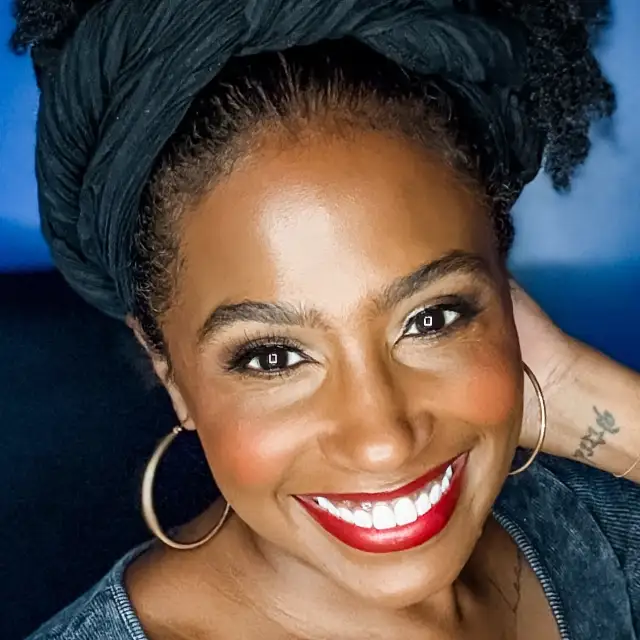
Destiny B. Sadler is a dynamic entrepreneur, digital creator, and empowerment coach dedicated to helping individuals look, feel, and live at their absolute best. With a background rooted in leadership and community impact, she serves as a Top Executive with the global beauty brand LimeLife by Alcone, where she mentors a growing network of beauty guides and champions the transformative power of confidence.
Driven by a passion for personal development and education, Destiny founded YSTBYOU and You’re Simply the Best Kids, an educational services organization focused on building foundational confidence and leadership skills in youth. She’s a graduate of Lamar High School and Southern University. Destiny’s life work centers on a simple, powerful philosophy: embracing who you are is the ultimate key to success.
Based on reporting by Texas Metro News.
Black Press
Campus Accountability: Universities Must Do More to Address Sexual Assault
SOUTHERN UNIVERSITY – SOUTHERNDIGEST — Colleges and universities are meant to be safe environments for learning and personal growth, yet recurring reports of sexual assault continue to challenge the effectiveness of institutional protections.

College campuses are supposed to be places where students can learn, grow and feel safe. However, reports of sexual assault at universities across the country continue to raise questions about whether institutions are doing enough to protect their students and hold individuals accountable.
From Louisiana State University to Harvard University and Cornell University, campus sexual assault cases have brought renewed attention to how colleges investigate allegations, discipline students and support survivors. For many, the concern is not only the actions of students accused of sexual misconduct but also how university administrators respond when these situations occur.
At LSU, recent reporting has raised questions about the effectiveness of the university’s Title IX process. According to WBRZ, more than 300 sexual assault reports were made through LSU’s Title IX process between 2022 and 2025, with three resulting in disciplinary action. Although not every report results in a finding of responsibility, the numbers raise important questions about how institutions communicate outcomes and address reports of misconduct.
Cornell University has also faced scrutiny following allegations involving seven students and an alleged sexual assault at a fraternity house in 2024. The university’s investigation resulted in different disciplinary actions, including expulsions and suspensions. However, questions about one student’s return to campus and housing arrangements have continued to draw criticism.
These cases highlight a larger issue: University accountability cannot stop at having a Title IX office or publishing policies in a student handbook.
Title IX prohibits sex-based discrimination in federally funded education programs and addresses sexual harassment and sexual violence. Universities must have procedures for responding to complaints, conducting investigations and providing supportive measures. However, having policies in place means little if students do not understand them or believe reports will be handled appropriately.
Students who are found responsible for sexual misconduct should face consequences that reflect the seriousness of their actions. Universities should also examine whether their investigative procedures are timely, whether survivors receive adequate support and whether disciplinary decisions are consistently enforced.
Accountability must also include university administrators. Institutions should be transparent about their procedures, provide clear reporting options and regularly review whether their policies are working.
At the same time, every student involved in a disciplinary proceeding deserves a fair investigation and an opportunity to respond to allegations. Protecting survivors and respecting due process should not be treated as competing priorities.
Ultimately, universities have a responsibility that extends beyond academics and athletics. Students deserve to know that their safety matters and that misconduct will be taken seriously. A university’s commitment to student safety should be measured not only by the policies it publishes but also by the actions it takes when those policies are tested.
Based on reporting by Southern University – SouthernDIGEST.
Black Press
The Jerk Man Partners with Top Chef Alum Nelson German for Thanksgiving Campaign
THE BALTIMORE TIMES — The campaign invites families to bring a new flavor to their Thanksgiving tables with The Jerk Man’s signature jerk turkey recipe, accompanied by Chef Nelson German’s cocktail and mocktail pairings. Balanced for heat, flavor, and spice, The Jerk Man offers a bold new take on a holiday classic.
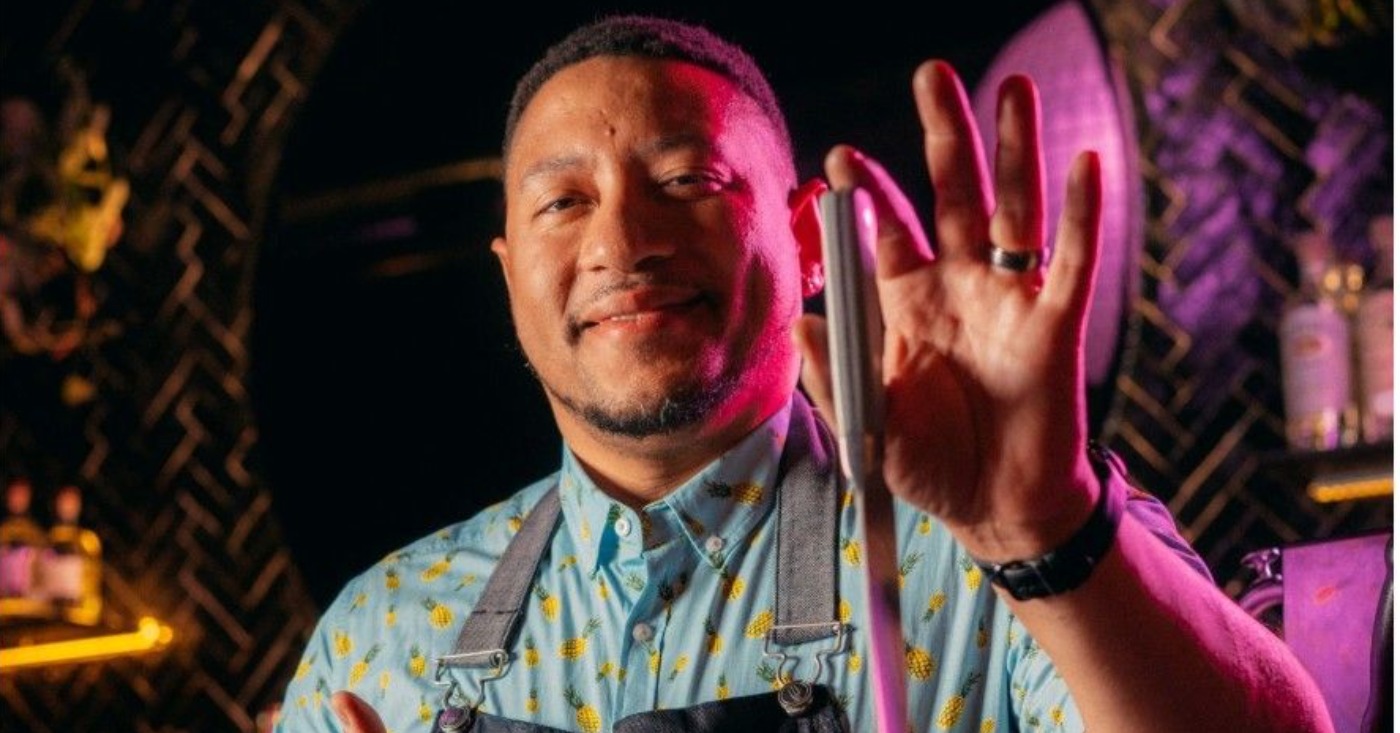
“Bring the Jerk to Thanksgiving” puts a real Jamaican spin on the holiday table with a signature jerk turkey recipe and cocktail and mocktail pairings.
Chicago, IL – The Jerk Man, a Jamaican jerk dry rub made in Jamaica, has partnered with Chef Nelson German, Top Chef alumnus, restaurateur, and author, for its first-ever “Bring the Jerk to Thanksgiving” campaign.
The campaign invites families to bring a new flavor to their Thanksgiving tables with The Jerk Man’s signature jerk turkey recipe, accompanied by Chef Nelson German’s cocktail and mocktail pairings. Balanced for heat, flavor, and spice, The Jerk Man offers a bold new take on a holiday classic.
Thanksgiving is about the people, stories, and traditions that bring families and friends together. “Bring the Jerk to Thanksgiving” celebrates that spirit, inviting home cooks to give the turkey its own place among the most-loved dishes on the table.
A Top Chef’s Guide to Thanksgiving with Flavor
Named one of TIME’s 2026 Latino Leaders, Chef Nelson German is known for his Afro-Latino culinary perspective and restaurants including alaMar Kitchen & Bar, Sobre Mesa, and Meski. He recently released the cookbook Caribbean Cocktails: Drinks and Bites from the Afro-Latino Diaspora.
“Food is how I bring people together and share a little of who I am,” said Chef German. “My Dominican roots and Caribbean heritage are always part of that, especially around the holidays. I love using Jerk Man Jerk Seasoning on my Thanksgiving turkey because it brings that authentic Jamaican flavor, with bold spices and beautiful heat that make every bite even more delicious than the last. It’s my way of bringing Island culture to a holiday classic and giving everybody at the table a reason to come back for more.”
The idea is simple: honor the traditions everyone loves, and give them another reason to ask for seconds.
Real Jamaican Jerk, Made in Jamaica. Your Way.
The Jerk Man Jamaican Jerk Dry Rub is made in Jamaica with allspice (pimento) and Scotch bonnet, the heart of real jerk, and balanced for heat, flavor, and spice so you taste the jerk, not just the burn. It comes in two heat levels, Spicy and Mild, and because it’s a dry rub, you’re in control: use a little for a gentle kick or more for full jerk. It’s made for the holiday table and stays by the stove all year.
Home cooks can use it to bring real Jamaican jerk to season:
The turkey: a real Jamaican jerk kick for the star of the holiday table.
Sweet potatoes: a savory, spice-filled makeover for a classic side.
Roasted vegetables: everyday vegetables turned into crowd-pleasers.
Holiday leftovers: a jerk twist on the day-after turkey sandwich.
The campaign also features “The Toast,” pairing jerk turkey with Caribbean-inspired holiday cocktails and mocktails, inspired by Chef German’s new book, Caribbean Cocktails: Drinks and Bites from the Afro-Latino Diaspora. Published by Ten Speed Press in June 2026 and written with Andréa Lawson Gray, a James Beard Award-winning author, Caribbean Cocktails includes more than 40 drink recipes and 20 food recipes.
Recipes for The Jerk Man 24-hour Jamaican Jerk Turkey and Two Signature cocktails below:
THE JERK MAN 24-HOUR JAMAICAN JERK TURKEY (For a 12–14 lb whole turkey)
3/4 cup The Jerk Man Spicy Dry Rub
6 scallions, roughly chopped
1 medium yellow onion, chopped
6 cloves garlic
2–3 Scotch bonnet peppers
1½ tablespoons fresh thyme leaves
1 tablespoon freshly grated ginger
2 tablespoons ground Jamaican pimento (allspice)
1 teaspoon ground cinnamon
1/2 teaspoon ground nutmeg
1 teaspoon freshly ground black pepper
2 tablespoons dark brown sugar
1/4 cup soy sauce
¼ cup fresh lime juice
1 tablespoon Jamaican Browning
2 tablespoons white vinegar
3 tablespoons neutral oil
2 tablespoons water, as needed for blending
JERK MAN SIGNATURE COCKTAILS BY CHEF NELSON GERMAN
Pineapple Old Fashioned
Doctor Bird pineapple rum, Pasión añejo t


San Diego Supervisors’ Power Grab & Discretionary Funds

How Restaurant Apprenticeships Taught Me to Run a Business #shorts

Documenting History: Why Today’s Stories Matter Tomorrow #shorts

Planning to Buy an EV? Check Charging Before You Buy #shorts

A Black Culture Café Rooted in Community and Connection #shorts
The Mission to Cultivate Black Leadership

Black Music Awards: The Fight to Recognize Prince and Black Artists #shorts

The Black Entrepreneurs Building the EV Green Book #shorts

Shaunie Grigsby on Building Flava Cafe, a Social Enterprise in St. Paul | On The Radar | MSR

Chevy Bolt RS Charging Specs: 65 kWh Battery and 150 kW Fast Charging #shorts

All Skinfolk Ain’t Kinfolk

Practitioners of African Traditional Spirituality Offer Ancestral Reverence Ritual Oct. 31

Tamiko Armstead | 2026 Lifetime Achiever in Education

Oakland Awarded More than $14 Million in State Funding

HISTORY MADE: Keisha Lance Bottoms Becomes First Black Woman Elected Governor in American History

OP-ED: The Black Church Writes AI’s Next Chapter

Inside 820 S. Michigan: New Book Captures the Lost World of Ebony and Jet

Jendayi Arrest Raises Community Concerns Regarding Sheriff’s Chain of Command

OP-ED: If the ‘Cornell 7’ Were Black Men at an HBCU — America Wouldn’t Be This Sympathetic

Kickstarter CEO Everette Taylor Shares Tips on Creating and Growing a Business
San Diego Supervisors’ Power Grab & Discretionary Funds
How Restaurant Apprenticeships Taught Me to Run a Business #shorts
Documenting History: Why Today’s Stories Matter Tomorrow #shorts
Planning to Buy an EV? Check Charging Before You Buy #shorts
A Black Culture Café Rooted in Community and Connection #shorts
Black Music Awards: The Fight to Recognize Prince and Black Artists #shorts
The Black Entrepreneurs Building the EV Green Book #shorts
Shaunie Grigsby on Building Flava Cafe, a Social Enterprise in St. Paul | On The Radar | MSR
Chevy Bolt RS Charging Specs: 65 kWh Battery and 150 kW Fast Charging #shorts

L I V E | Mississippi Senate Race UPDATE
-
 Black History5 days ago
HISTORY MADE: Keisha Lance Bottoms Becomes First Black Woman Elected Governor in American History
-

 Featured1 week ago
Multi-Faith Leaders Representing 10 Million People Launch National Anti-Authoritarian Initiative
-

 Black History7 days ago
Christianity’s Racial History
-
 Black History7 days ago
Michael Shiner: The Enslaved Man Who Wrote His Way into American History
-

 Black History7 days ago
Five Hospitals Said No! Who Will Help Annette Henry Recover?
-

 Black History6 days ago
Hundreds of Black Christian Leaders Arriving in Israel for Martin Luther King-Inspired Mission
