
Black History
Black Americans On How to Have Joyful Friendships

By
U.S. adults reported higher levels of loneliness during the height of the pandemic. This was compounded by isolation, in-person restrictions, and virtual learning. Many young adults report feeling left out or like they missed out on new friends and experiences.
But, as we move into a “new normal,” Americans are still struggling to make new friends. Friendship is vital to feeling less lonely and building an emotional support system.
A report by Survey Center on American Life found differences in feelings of satisfaction based on the number of friends Americans have. Black folks expressed greater feelings of satisfaction than white people.
I’ve spent the entire year thinking about my friends. The strength of our relationship. Making new friends. And losing friends. As a young Black woman, I thought about the joy and pain of friendships, and the vitality of those relationships.
Who and what makes a good friend depends on who you ask. But the beauty of these relationships illuminates our lives and mental health. To show the depth of good friendships and the pain of bad friends, I spoke with five Black women and men about what friendship means to them, and what they’ve learned from these relationships.
Here are their stories.
Trinity Alicia, 23, Boston, Program coordinator
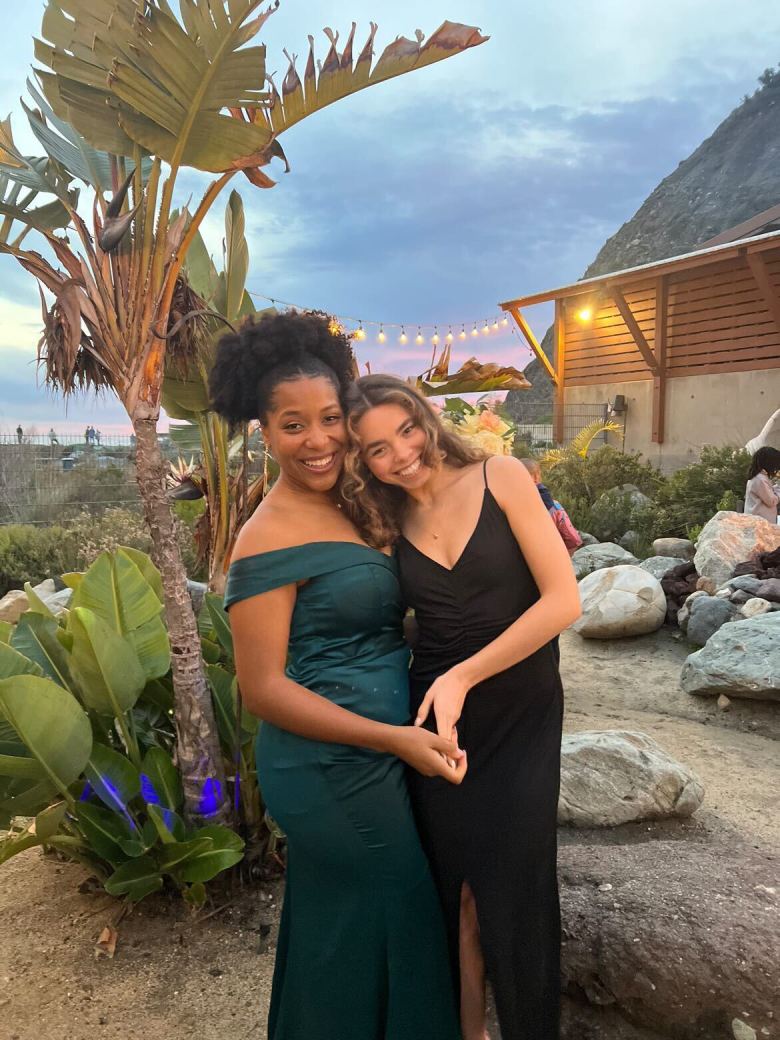
My closest friends are from college, undergrad at San Diego State. I have some post grad friendships that are in Boston. They’ve shown me so much about myself beyond being a student. I find them very valuable to my life.
Right now, I think a good friendship looks like accountability, check ins, good active listening, and just being in the loop. It takes a really good friend to have tough conversations and to understand the responsibility that they serve in your life. And to understand that their presence is powerful.
Since I graduated, I moved to a brand-new city where I knew no one and I live alone. So, I feel like it’s very easy to be lonely and kind of dwell on that quiet space. Now, I define friends as someone who gets you out of that quiet space, well-being, and centers my strengths and also pushes you to be greater.
I have a friend that I’ve known since I was 10-years-old. For him to see my growth is really cool, and we’re able to have different conversations than we were before. He channels health and well-being through difficult things like my parents’ divorce. He’s also a Black man, so there’s a lot of identity [conversations].
I think the loneliness doesn’t feel as strong. I don’t feel as alone when I’m communicating with my friends or when we’re making jokes and hanging out. I think their patience helps them to be a better friend to me.
Random calls, FaceTime’s, and audio messages are really something that I consider a love language. Audio message is really nice, it’s listening to your best friend’s podcast.
I identify as a Black American, and people that prioritize my identity especially in interracial friendships really helped me to feel safe. As I’m navigating a predominately white city, with historical stereotypes that are very anti-Black, it helps to know that friends are checking in.
It’s hard to make friends as an adult. Either I make friends, or I don’t. It’s definitely an inner conversation I have with myself. I want to see Black people, but I never know when is the next time I’ll see a Black person, which is so scary.
Taayoo Murray, 42, New York City, Freelance health writer
I’m very deliberate about how I define who my friends are, because I keep a very tight circle. My closest friends are Kathey, Rochelle, and Kimbrilee. The four of us are in a group chat. We’ve known each other for more than 25 years.
I prize loyalty. It’s not that you can’t criticize, it’s not that you can’t tell a friend they’re wrong, but I think loyalty is the main ingredient. I’m always there for my friends — always. I suppose that’s why I don’t have many because I’m so fiercely protective of my friends that I probably don’t have the bandwidth to have a ton of friends.
When Kathey had a miscarriage, I slept the entire night in the hospital with her. We were crying together. When Rochelle’s dad died, I dropped off my kids and went straight to the hospital where her dad died. Kim had a medical emergency once, and I made sure I was there with her.
My dad died when I was 25, I was really a daddy’s girl. Kathy broke the news to me. All of my girlfriends basically took over my life at that time.
I now know that they keep me sane. I kind of took my friendships for granted — it wasn’t until the pandemic that I realized how much I depended on them. Conversations that I have with my girlfriends, I don’t necessarily have with my sister, and I don’t have with my mom. It’s like a real safe space. There’s absolutely nothing that we don’t discuss in our group. We talk about anything and everything.
I like the fact that they listen, and they keep confidence. I never have to worry that the stuff I tell them I’m going to hear it somewhere else. It’s just so liberating. You don’t realize how much you need people to talk to until you don’t have it.
Jason Clarke, 23, D.C., full-time student
Some of my closest friends, we met at church. I’ve been friends with a lot of them for almost 10 years now. We’ve all seen each other grow up. It’s really crazy seeing how everyone’s life is turning out.
To me what makes a good friendship, number one, is loyalty. When I was facing some of the darkest parts of my life, I was able to depend on them. They’ve always been really dependable people who I can count on.
My brother passed away in 2017. That was a really, really tough time. The reason why I can say I’m sane today is because of my friends. I think people expect grief to be linear, but to this day my friends are still here for me.
I feel like they helped me to experience joy in different parts of my life. If I didn’t have them, I don’t know if I’d have any joy. I’ve also found peace through them. They’re truly kind, loving, and protective people.
A lot of times people believe that men can’t be friends with women, or there can’t be platonic friends — but I beg to differ. My friend group is a good mix of both.
Kayla Taylor, 24, Chicago, Content acquisitions editor
My closest friendships are friends that I met through my religious community, the Baha’i community. One of my best friends is Asiyih. Maybe two weeks into our friendship, I realized how important a spiritual component is in a friendship. We connected with each other on a level that I had never connected with any friends before.
We met in February of 2022. I had just moved away from home to Washington, D.C., for graduate school. One of the nights, we realized we were like the same person; we were just singing old Disney Channel songs. It usually takes me a really long time to get comfortable with someone, but I felt that with her right away.
She welcomed me into her life, the same way that I welcomed her into my life.
I was going through a really hard breakup at the time, and I needed a social circle. I think she intentionally and unintentionally helped me heal through that. And helped me realize there’s so much love outside of a romantic relationship. A friendship with other women is stronger than any romantic relationship I could ever build.
This time in my life feels a little bit next level, and I think part of it is that I’m getting the physical affection that I never really got growing up. Laughter is my favorite thing about these friendships.
Chantel Philip, 36, New Jersey, Photographer
My closest friends are from high school. A good friendship to me is a space to allow me to be my full self and authentically me. A lot of friendships I’ve had had to be in alignment of who I was in that moment. Navigating that is very difficult when you’re an adult. Because it’s uncomfortable and lonely when you’re growing and the other people are not, but you don’t want to let them go.
It’s important to create boundaries and have friendships that respect that and don’t push them. I’m a recovering people pleaser. When I was younger, I just wanted to be liked and to fit in. I was blessed and cursed for being very popular. I’ve realized my light is very bright, and my personality is very pure and fun to be around. With that energy, sometimes you attract the wrong people, who want to use your energy for their own means.
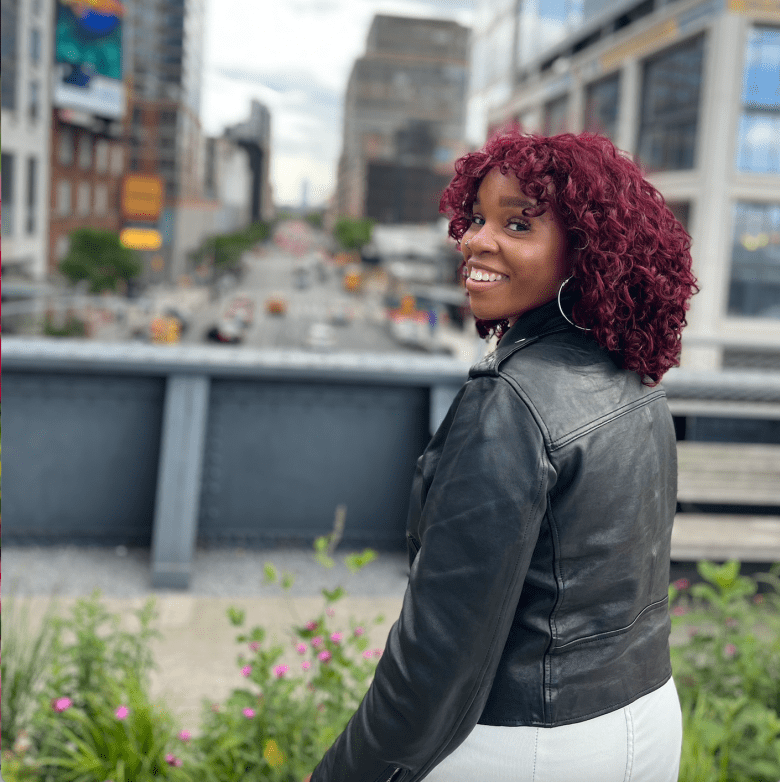
I still had difficulty in college as well. Now when I see people being jealous of me — it’s weird. That has been something that I had to learn internally and let it guide me in the direction of better and more supportive friendships.
I do appreciate those terrible friends. I appreciate the jealous ones. I appreciate the toxic ones, and the ones that slept with my man.
There was a time when my ex cheated on me. We lived together. They came over and helped me pack and move into my new space. And my friends sat me down and said ‘I think your problem is that you don’t love yourself enough and you don’t see yourself as worthy.’
I didn’t know I wasn’t confident before. I didn’t know I had low self-esteem. I didn’t know I deserved more.
How ever you treat yourself in those friendships and how those people treat you will show up in your romantic relationships. Loving myself more attracted people in that same energy, because we’re growing together.
I’m so blessed to have curated the people who are close to me. I really, really want to make new friends this year. I realize they have to be in alignment with me and doing the work internally in their spirit.
Probably the toughest thing you will learn in your adulthood, is to understand not everybody can come with you — and it’s OK. They just can’t come with you on your journey, and they have to have their own journey.
I thrive in joy and happiness. For my mental health, I need people to remind me I’m a good artist, and I know what I’m doing, and that I’m brilliant. The reminder of your worth is so important. I feel like artists are very moody.
They force you to celebrate yourself. Even the littlest of things — (they tell me) ‘don’t be humble.’ They are my cheerleaders. They are my therapists. They’re my spiritual coaches.
I need the support. I need the love.
This article originally appeared in San Diego Voice and Viewpoint.



Black History
Oakland Faith Leaders Gather to Revitalize the Interdenominational Ministerial Alliance of Oakland
Oakland faith leaders and civic officials recently gathered at the Church of All Faiths to revitalize the Interdenominational Ministerial Alliance of Oakland and Vicinity. Led by convener Pastor Mark Anthony Clifton, Sr., the meeting aimed to unite clergy around civic engagement and community restoration. The event featured a call to action for the upcoming election and presentations on workforce development, drawing support from prominent figures including Mayor Barbara Lee and local school officials. Organizers shared their vision for the alliance’s future as they prepare for new collaborative initiatives. read more.

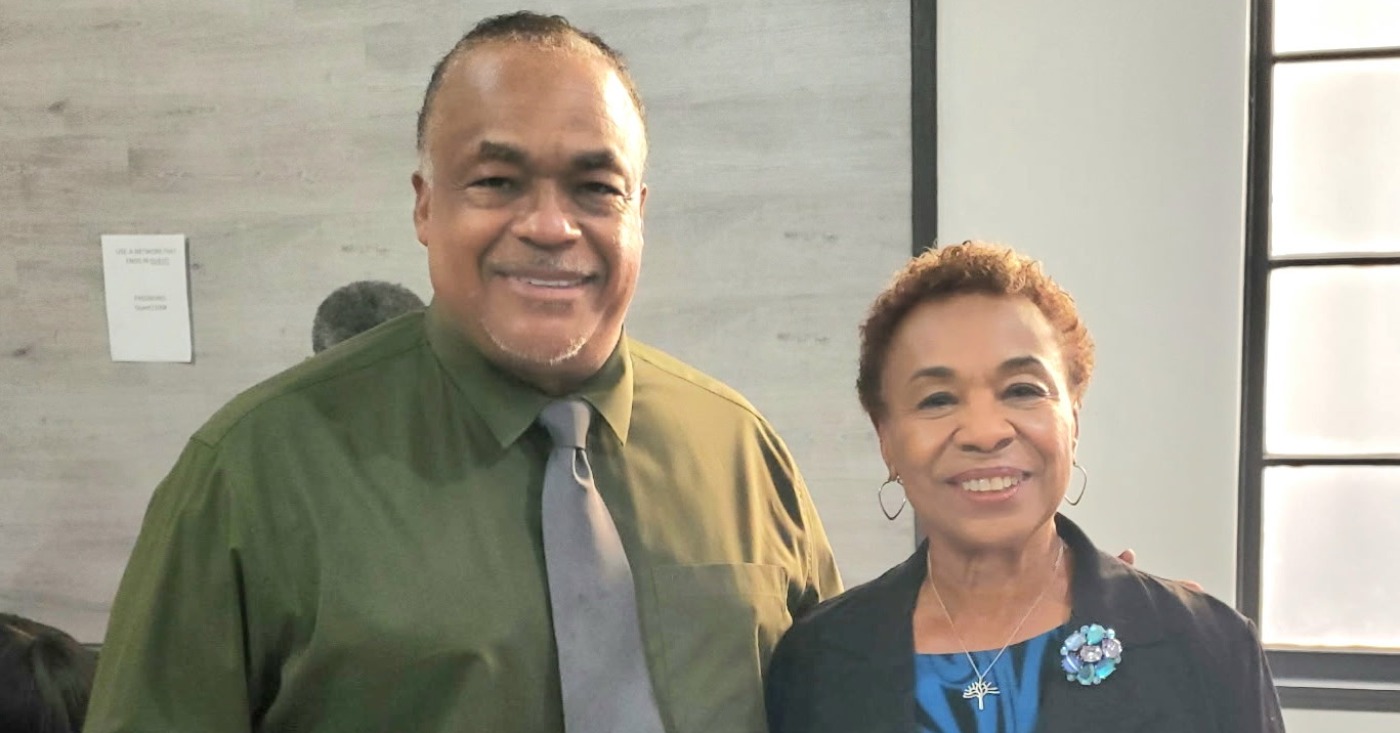
Pastors, civic leaders, and community members in the Bay Area gathered Thursday, Oct. 8, at Church of All Faiths in Oakland for a meet-and-greet marking a renewed push to revitalize the Interdenominational Ministerial Alliance (IMA) of Oakland and Vicinity.
A highlight of the evening was the “Souls to the Polls: Our Voice, Our Vote!” segment, led by Pastor Damon Owens of Genesis Church in Antioch, which urged congregations to turn out for the election. Organizers also announced a proposed joint pre-Thanksgiving worship service for Nov. 17, with the location to be announced.
Pastor Marcie Hodge of Prayer Mission Church called the program to order, and Rev. Michael Wakefield Wallace of Mt. Zion M.B. Church led the opening devotion. Pastor Cubie Finley III of Parks Chapel AME read Nehemiah 2:17-18, the passage behind the event’s rallying cry, “Let us rise up and build.”
COGIC National Evangelist Dr. Lucinda Taylor, principal of Westlake Middle School, delivered the opening welcome.
Dr. L.J. Jennings of Kingdom Builders Church gave a brief statement of purpose, explaining the alliance’s mission of ‘Voice, Vision, and Values.’ Pastor Terry Benjamin of Restoration Evangelistic Ministries then introduced the convener, Pastor Mark Anthony Clifton, Sr., who is in his 26th year leading East Oakland Church of God in Christ. Clifton has been reorganizing the alliance to unite clergy around civic engagement. He noted that IMA’s national roots in 1926 in Galveston, Texas, and honored the Oakland leaders who came before him, including his grandfather, the late Bishop Martin J. Clifton, Sr.
“The work of the IMA of Oakland is just a continuation of the work done before us. Today, working together we can continue to solve many of the issues our community faces,” said Clifton.
Members were invited to share testimonies, challenges, and ministry needs.
Other participants included Dr. Billy Dixon of At Thy Word Christian Center and Pastor Raymond Lankford, CEO of the Oakland Private Industry (OPIC) Council who shared information on the organization’s workforce development programming.
Public officials in attendance included Mayor Barbara Lee, Alameda County Supervisor Nate Miley, and Oakland Unified School District Superintendent Denise Saddler, strengthening the ties between the faith community and local government.
“We are better together and our city is stronger when we partner with our faith leaders,” said Oakland Mayor Barbara Lee.
Bishop Brondon Reems of Center of Hope Community Church provided the closing prayer and Rev. Dr. Jeffrey M. Parker, Sr., host pastor, gave final remarks and thanked attendees for coming.
“It’s an honor to serve the community and bring everyone together,” said Parker.
Dozens of pastors from Oakland, Antioch, and the greater Bay Area were recognized as supporters.
“I want our partners and attendees involved to help rebuild the city they love and this is only the beginning of a larger movement to restore our great city,” said Clifton.
Black History
Oakland Honors 60 Years of the Black Panther Party at the All Power to the People Gala
Oakland recently gathered at the Scottish Rite Center for the All Power to the People gala, celebrating the 60th anniversary of the Black Panther Party. Presented by the Dr. Huey P. Newton Foundation, the event brought together movement veterans, community leaders, and elected officials to honor the organization’s history of radical love and community service. Attendees enjoyed performances by youth arts groups and heard testimonials regarding the Party’s enduring influence on local housing and healthcare. The evening featured a keynote address exploring the moral clarity required for activism, click to read more.
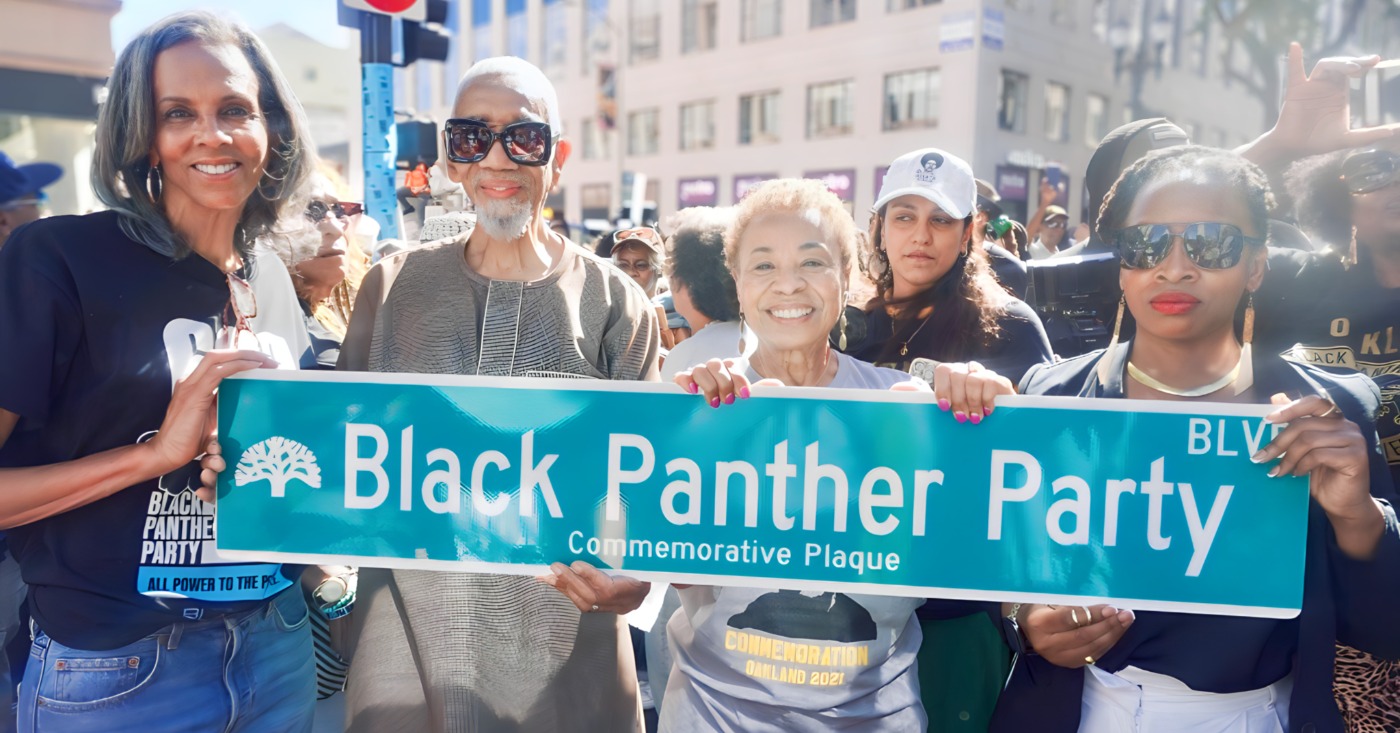
Oakland gathered on Oct. 17 to celebrate the 60th anniversary of the Black Panther Party (BPP), the movement Huey P. Newton and Bobby Seale founded in the city six decades ago.
The “All Power to the People” evening gala, at Oakland’s Scottish Rite Center, brought together Panther veterans, families, community leaders, and younger generations for a night of history, music, and recommitment.
The festivities, presented by the Dr. Huey P. Newton Foundation, began with a black carpet entrance up the staircase to the center. Each side was lined with servers holding trays of champagne for guests to retrieve while walking in.
An energetic U.S. Congresswoman Lateefah Simon opened the program as emcee. Charlotte Hill O’Neal offered libations, and 16-year-old Abayomi Lewis, a Haitian American high school junior from San Francisco, performed BBP’s anthem, “The Meeting.” Young Gifted & Black, a performing arts program that has served Bay Area youth since 2010, followed with an inspirational performance of stepping and speaking truth to power.
During dinner service by Chef Michele McQueen, Oakland Mayor Barbara Lee shared how instrumental the Black Panther Party was to her as a young single parent of two boys. “The Party provided food and lots of support and Fredrika Newton’s mother, a prominent real estate broker and housing rights activist, helped me navigate purchasing my very first home.”
Lee also shared lots of Panther history, including that she was the finance chair for Black Panther Party co-founder, Bobby Seale when he ran for Oakland mayor.
Dr. Xavier Buck, executive director of the Dr. Huey P. Newton Foundation, spoke of how being held at gunpoint by six New York City police officers in Jamaica Queens, reading the autobiography of Assata Shakur, and learning from Fredrika Newton inspired his life’s work.
“I’ve been poured into by Black Panther Party members throughout the country and what I’ve learned the most from them is “radical love.” The same love that created free breakfast programs, free ambulance services, and free sickle cell anemia testing for the Black community.”
Marvel’s Black Panther author and journalist Ta-Nehisi Coates delivered the keynote address.
“The legacy of the Black Panther Party lives on,” said Coates noting the presence of BPP veterans. He further remarked that people often focus narrowly on how to win, but real moral clarity comes from reflecting on what principles you are willing to stand for—and what you are willing to lose for—even in the face of steep odds.
Fredrika Newton, co-founder and president of the Dr. Huey P. Newton Foundation, thanked Panther veterans for “all you gave” and expressed hope that attendees would leave with a renewed commitment to the work that remains.
“Seeing Panther veterans, younger generations, and the community united to honor the Party, reminds me why this work has mattered so much,” said Newton.
Everyone in the room joined in song in tribute to Bobby Seale, wishing the 90-year-old well and took pictures with him.
Cyril Innis Jr., known as “Bullwhip,” addressed the issue of political prisoners and fighting for their freedom. The program booklet listed the dozens of imprisoned Panther members who passed away and honored the sacrifices of those still incarcerated.
A Legacy Award, was presented to Charlotte Hill O’Neal, known affectionately as “Mama C.”
“Mama C” has continued the Party’s work from Tanzania, where she and her husband, Pete O’Neal, founder of the Kansas City chapter, have lived in exile since 1970. Together they established the United African Alliance Community Center and the Leaders of Tomorrow Children’s Home which cares for orphans.
“Mama C” ceremoniously circled each table honoring the ancestors of the movement and encouraged guests to call out the names of loved ones who had passed away.
Marc Philpart of the Black Freedom Fund supported the anniversary and pledged to keep investing in the people and organizations carrying the work forward.
Trust for Public Land also marked the occasion, recalling its collaboration with the Panthers and Oakland residents who turned vacant lots into neighborhood gardens in the 1970s.
The Dr. Huey P. Newton Foundation opened the Black Panther Party Museum in January 2024, and the museum has since held multiple exhibitions and welcomes more than 30,000 visitors a year on the newly named Black Panther Party Boulevard in downtown Oakland. For more information, go to HueyPNewtonFoundation.org
Black History
Practitioners of African Traditional Spirituality Offer Ancestral Reverence Ritual Oct. 31
The Council for Global Ancestral Reverence will host “Ancestral Souls Rising” from Oct. 31 to Nov. 2, featuring a three-day gathering of prayer and discussion. Led by elders and priests across the African diaspora, the seventh annual ritual honors those lost without traditional rites while addressing current social challenges. This year’s event connects ancestral wisdom with contemporary issues, including a two-day conversation inspired by Afro-Beat music focused on Black community solidarity and the sacred importance of voting. Read more for details on the ritual schedule and participants.
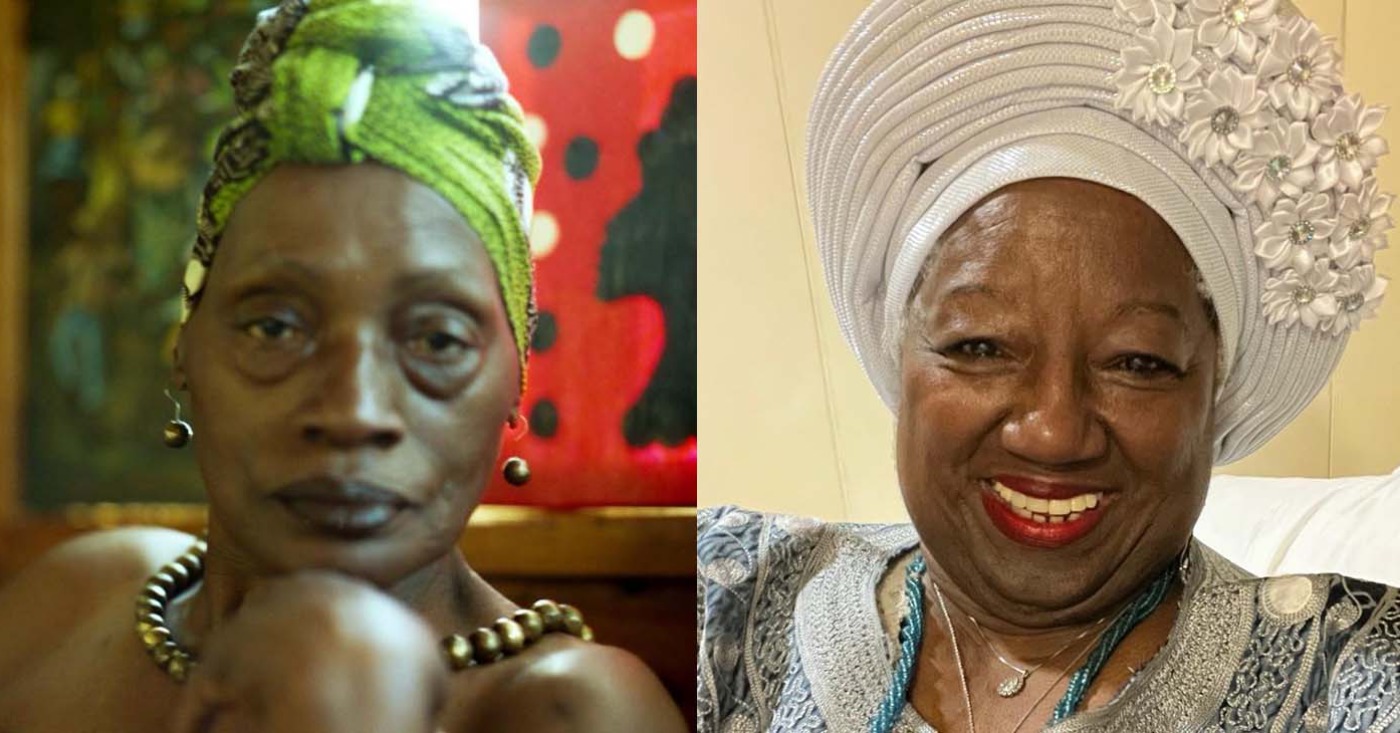
The Council for Global Ancestral Reverence (C4GAR), a group of elders who practice African traditional spirituality, will lead a three-day gathering of prayer and discussion from Oct. 31-Nov. 2.
Called ‘Ancestral Souls Rising,’ the council members and 21 priests will lead the prayers from many parts of the African diaspora: Africa, Portugal, and across the U.S. from Maryland to the Bay Area.
Now in its seventh year, the annual ritual began during the 2020 pandemic when hundreds of thousands of people died alone and were buried in mass graves without rites and rituals according to loved ones’ traditions.
This prayer event was and is intended to give peace to the departed and comfort for the living who still mourn. Each year, we gather names of new ancestors from living elders to elevate them into the “Great Hall of the Titans.”
In ensuing years, C4GAR added themes to the prayer gathering that referenced current events. In 2024, before the consequential presidential election, C4GAR called on people to vote, invoking the memory of Civil Rights Movement heroes and heroines like John Lewis, who urged “Good Trouble,” and Fannie Lou Hamer, who famously declared that she was “sick and tired of being sick and tired.”
The day of global Prayer on Oct. 31 will be followed by a two-day conversation inspired by “The Blueprint,” an Afro-Beat song by UyiosaEl, to write our new blueprint that supports solidarity and action in the Black community.
“Our elders have, for many generations, known the power of prayer, ritual and breath,” the council said in a statement.
It was and is their intention, then, to use the cultural wisdom, the gift of prayer “and the most sacred thing we have, our breath, to send energy into the world that invokes and honors our ancestors,” the council statement continued.
“Doing this creates a vibration that protects us and employs their ancient wisdom for the well-being of our communities,” the elders said.
The councilmembers, all over the age of 60, recognize that what is now history for so many was once their lived experience. And that history, those joys and sorrows, are now in their bodies.
To them, the uttered prayer and the sacred breath are oaths to an unfolding future that people can still shape.
The council members are Dr. Iyabeji Cathy Royal, Iyalocha Jennifer Dillard, Manbo Charlene Desir (Florida), Nana Sula Spirit (Louisiana), Baba Obafemi Feyemi, Ohen Nedra T. Williams, and Iyalocha Wanda Ravernell-Stewart Emeritus (Oakland).
This year, they also encourage everyone within their reach to VOTE because it is not only a secular and political act, but a sacred one. Remember, the ancestors were denied that right and died for it.
For tickets, go to:
Black History
COMMENTARY: BIG MAMA SAID: Don’t Throw Away the Gift Just Because It Came Wrapped Wrong
TEXAS METRO NEWS — Journalist and mentor Terry Allen reflects on the profound wisdom of his grandmother, Lucille “Big Mama” Allen, who believed that a person’s mistakes do not represent their total identity. Allen argues that many behavioral issues seen in young men are actually symptoms of undeveloped gifts that have been applied to the wrong environments.
Big Mama had a way of seeing something in you before you could see it in yourself.
My grandmother, Lucille “Big Mama” Allen, came from a generation that believed in correction. I grew up in a household where somebody might tell you, “Go get me a switch.” You knew what that meant.
But age has taught me something: correction without direction can stop behavior, but it doesn’t always develop the person.
Sometimes what we call a young man’s problem is really an undeveloped gift.
ADVERTISEMENT
I learned that through mentoring.
I once worked with a young man who was gambling and running numbers. Now, I wasn’t going to celebrate the behavior. Wrong is wrong. But I also refused to believe his mistakes represented the totality of who he was.
I looked underneath the behavior.
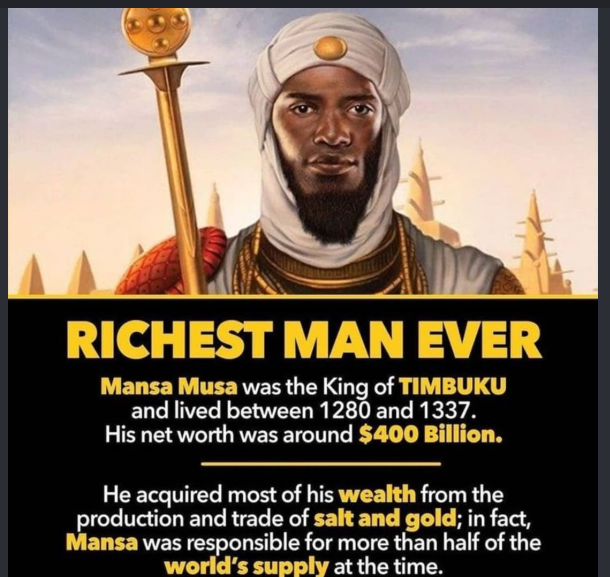
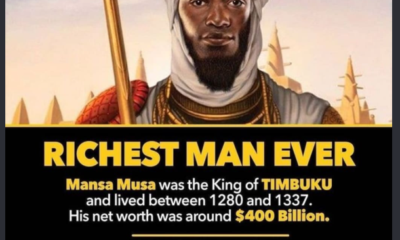
This young brother understood numbers. He understood money, calculation and risk. His gift wasn’t gambling. His gift was his mind. So I introduced him to another image: Mansa Musa, the legendary African ruler whose name became synonymous with extraordinary wealth, commerce and economic power. to The message was simple: You already have something inside you. Now what are you going to do with it? That young man redirected his abilities. What had been operating in the wrong environment found purpose through education, accounting and legitimate business. Today, he has built a leading Bookkeeping firm in California’s East Bay.
That is what mentoring can do. It is also why I created programs like City MenTor and why, for 25 years, City Men Cook has celebrated fathers, mentors and men who show up. Mentoring isn’t creating somebody in our image. It is helping somebody recognize what God already placed inside them. I thnaks GOd for allys ike Pastor Keith Lofton who helpe me keep the programs grunded in Faith.
ADVERTISEMENT
Scripture tells us to “fan into flame the gift of God.” — 2 Timothy 1:6.
Somebody reading this has a gift that survived mistakes, disappointment, rejection, bad decisions and maybe even your own attempts to bury it.
But it survived.Now comes the question Big Mama might ask
Baby, if God restored your gift, who are you using it to restore?
Don’t just celebrate your comeback. Reach back. Find somebody whose gift came wrapped wrong—and help them unwrap it.
ADVERTISEMENT
Big Mama said: Don’t throw away the gift. Redirect it. Develop it. Then give it away.
Terry Allen is an NABJ award-winning Journalist, DEI expert, PR professional, and – Vice President at FocusPR, founder of the charity City Men Cook, and Dallas Chapter President of NBPRS.org
Based on reporting by Texas Metro News.
Black History
Columbus’s Oldest Businesses Still Open: 10 That Have Lasted 75+ Years
COLUMBUS TIMES — Columbus, Georgia, traces its commercial roots to the early 19th century, when the Chattahoochee River and local cotton mills fueled a burgeoning regional economy. While the city has transformed into a modern hub for banking and manufacturing, a select group of businesses and institutions have managed to survive for more than 75 years.
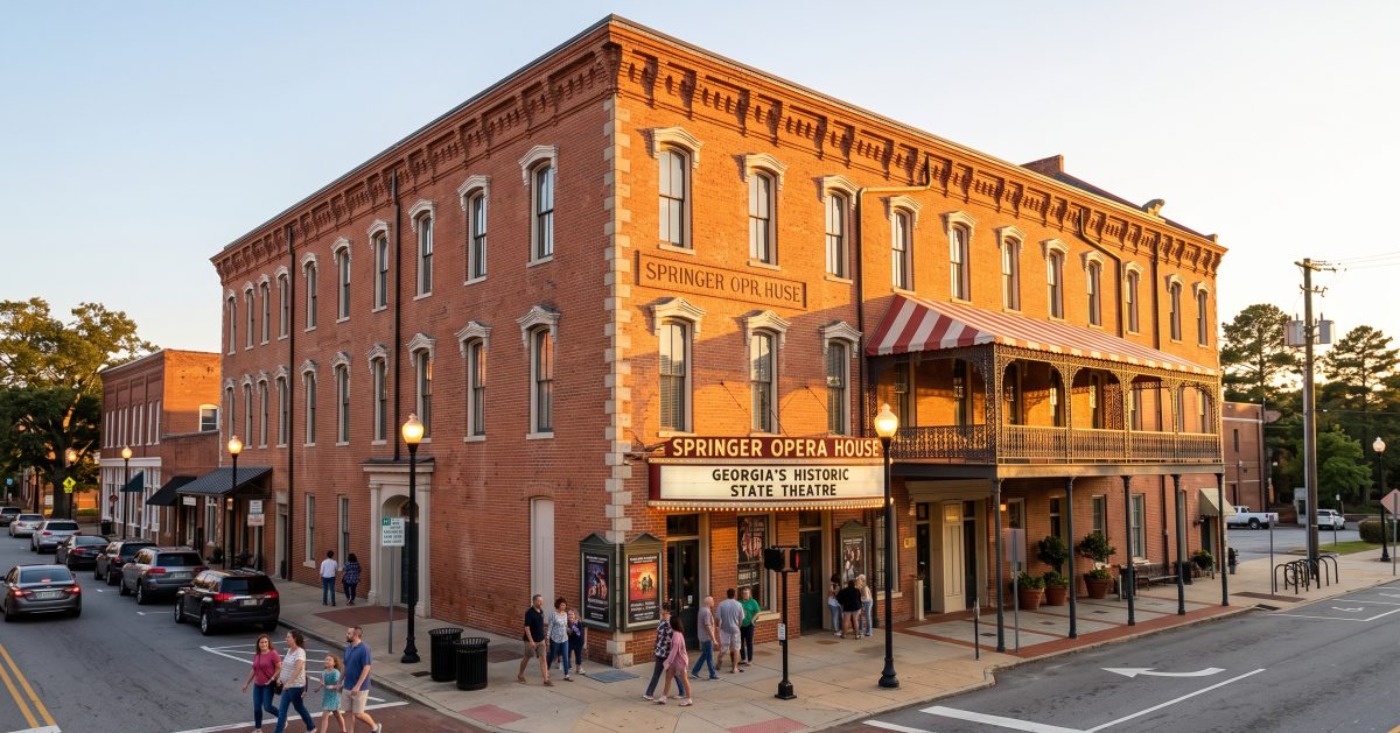
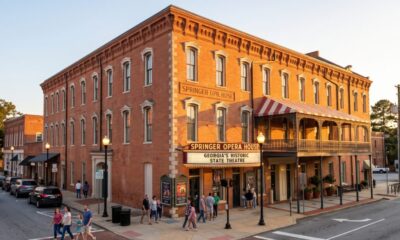
The historic Springer Opera House in downtown Columbus, Georgia, opened in 1871 and stands as one of the city’s oldest surviving cultural institutions.
Some Columbus businesses have been around longer than the automobiles, shopping centers and neighborhoods that now surround them. A handful date back to the 1800s, when cotton mills powered the local economy and the Chattahoochee River carried goods between communities. Others survived the Great Depression, two world wars, economic downturns and decades of changing consumer habits.
While hundreds of businesses have opened and closed across Columbus over the generations, these 10 have histories stretching back at least 75 years. Some remain family-owned, while others have survived mergers, ownership changes or major transformations. Together, their histories tell the story of how Columbus grew from a riverfront trading town into a regional center for banking, manufacturing, commerce and culture.
This list includes businesses, commercial institutions and their surviving successors with documented Columbus roots before 1951. It is not a definitive ranking of every surviving business, and several entries have changed ownership, names or operating models over time.
1. Columbus Ledger-Enquirer — 1828 (198 Years)
One of Columbus’s oldest surviving commercial institutions is its longtime newspaper, the Columbus Ledger-Enquirer. Its history began in 1828 with the founding of the Columbus Enquirer, the same year Columbus was established. The Columbus Ledger followed in 1886, and the two newspapers eventually became a single publication in 1988.
Over nearly two centuries, the newspaper has documented wars, elections, industrial expansion, economic downturns and major changes throughout the Chattahoochee Valley. Its ownership changed again in July 2026, when the Georgia Trust for Local News purchased the Ledger-Enquirer from McClatchy. The newspaper continues operating, although the modern publication is the product of mergers and transformations rather than an unchanged business established in 1828.
2. Willcox-Lumpkin Co. — 1848 (178 Years)
Insurance agency Willcox-Lumpkin traces its history to 1848, making it one of Columbus’s oldest documented commercial enterprises. Historical city directories identify the business as an insurance agency that protected homes, businesses and property long before automobiles became common. The company remained associated with generations of the Willcox and Lumpkin families.
Its history is supported by advertisements appearing in Columbus directories more than a century ago. Georgia Secretary of State records currently list Willcox-Lumpkin Co. as active and in compliance, with its corporate registration dating to December 1923. That distinction matters because the business’s claimed operating history is considerably older than its present corporate registration.
3. Springer Opera House — 1871 (155 Years)
The Springer Opera House opened in 1871 and became one of the city’s most important entertainment destinations. Built by businessman Francis Joseph Springer, the theater attracted nationally recognized performers and helped establish Columbus as a cultural center. Its ornate Victorian architecture remains one of downtown’s most recognizable landmarks.
The Springer nearly disappeared during the 1960s after declining attendance and years of deterioration. Preservationists rescued the building, and theatrical performances returned in 1965. Although it has not operated continuously in the same form, the Springer remains an active performing arts institution and an example of how historic properties can find new economic life.
4. Schomburg’s Jewelers — 1872 (154 Years)
Few Columbus retailers can claim a family history as long as Schomburg’s Jewelers. Carl Frederick Schomburg established the jewelry business in 1872 after working as a clockmaker, and the company gradually expanded into watches, jewelry and other luxury goods. Five generations of the family have been associated with the business.
Today, Schomburg’s operates on Rollins Way and identifies itself as Georgia’s oldest fifth-generation jeweler. Its longevity reflects a business model built around specialized craftsmanship, customer relationships and family continuity. While many traditional jewelry stores have disappeared or become part of national chains, Schomburg’s has maintained a recognizable local identity.
5. Goldens’ Foundry & Machine Co. — 1882 (144 Years)
Two brothers, Theodore and J. Poitevent Golden, established Goldens’ Foundry & Machine Co. in 1882. The company began as a small foundry and machine shop during an era when Columbus was expanding rapidly as a manufacturing center. Its products helped supply the machinery and industrial equipment needed by businesses throughout the region.
More than 140 years later, the business remains associated with descendants of its founders. Goldens’ continues manufacturing industrial castings while also developing consumer products through its Goldens’ Cast Iron brand. Its survival is especially significant because many of the textile mills and industrial operations that helped create its original market have long since closed.
6. W.C. Bradley Co. — 1885 (141 Years)
The W.C. Bradley Co. traces its origins to 1885, when William Clark Bradley entered the cotton business in Columbus. Over time, his growing enterprise expanded into groceries, fertilizer, transportation, manufacturing and financial services. The company eventually became one of the most influential business organizations in the Chattahoochee Valley.
Its business interests helped shape the development of modern Columbus, including the city’s banking and manufacturing sectors. The company also became closely associated with Char-Broil, the nationally recognized outdoor cooking brand. Today, W.C. Bradley Co. maintains its corporate headquarters near the Chattahoochee River, continuing a business legacy that began when cotton dominated the regional economy.
7. Synovus Banking Legacy — 1888 (138 Years)
The banking institution that became Synovus began in 1888 with the establishment of two Columbus banks. According to company history, the idea developed partly from the need to provide textile workers with a safe place to keep their earnings. Those early banking operations eventually evolved into Columbus Bank and Trust and later Synovus Financial Corporation.
A major change occurred in January 2026 when Synovus merged with Pinnacle Financial Partners, ending its existence as an independent corporation. The combined organization continues serving Columbus customers under the Synovus name during the transition to Pinnacle branding, which is scheduled for 2027. Pinnacle also announced plans in June to expand its downtown Columbus workspace, reinforcing the city’s continued importance to the banking operation.
8. Dinglewood Pharmacy — 1918 (108 Years)
Dinglewood Pharmacy opened on November 13, 1918, and became one of Columbus’s most recognizable neighborhood businesses. While generations of customers have visited for prescriptions and pharmacy services, the business is equally famous for its traditional lunch counter. Its signature scrambled dog has become closely associated with Columbus food culture.
The pharmacy celebrated its centennial in 2018, an achievement relatively few independent neighborhood businesses reach. Its ability to combine traditional pharmacy services with a popular local dining experience has helped preserve its reputation across generations. Dinglewood remains an especially visible example of a business whose appeal extends well beyond the original service it was established to provide.
9. Striffler-Hamby Mortuary — 1923 (103 Years)
Striffler-Hamby Mortuary traces its business history to 1923, when David Abraham Striffler opened his own funeral establishment in downtown Columbus. Striffler had entered the local funeral industry in 1908 before eventually establishing an independent operation. In 1930, he moved the business into a building constructed specifically for funeral services.
The mortuary became an established name as generations of Columbus families turned to it for funeral arrangements. Today, the business operates as part of the Dignity Memorial network, showing how a longstanding local institution can continue under different corporate ownership. Its history also offers a look at how funeral services evolved from small undertaking establishments into modern funeral homes.
10. WRCG Radio, Originally WRBL — 1928 (98 Years)
Columbus entered the broadcasting era on May 10, 1928, when WRBL began transmitting radio programs to local listeners. The station was established through the efforts of early radio pioneer Bill Lewis and became the city’s first radio broadcasting operation. Its original programming helped bring news, entertainment and live events into Columbus homes.
The station eventually changed ownership, frequencies and call letters, becoming WRCG in 1977. Historical research by Columbus State University and Historic Columbus confirms the connection between the original WRBL radio operation and its later identity. Today, WRCG represents a surviving broadcasting legacy that predates television’s arrival in Columbus by approximately 25 years.
What These Businesses Reveal About Columbus
The survival of these institutions reflects the major industries that shaped Columbus over nearly two centuries. Banking, manufacturing, retail, insurance, entertainment and communications all played important roles in the city’s economic development. Several businesses adapted to changing markets, while others survived by maintaining relationships with generations of local customers.
Their histories also demonstrate that longevity does not necessarily mean remaining unchanged. Some businesses were acquired by larger corporations, others moved into new industries, and several preserved their names despite major changes in ownership. For Columbus residents, these institutions provide a tangible connection to the city’s past while continuing to influence its economic and cultural identity.
Source: Historic Columbus Foundation; Columbus State University Archives and Special Collections; Georgia Historical Society; New Georgia Encyclopedia;
Based on reporting by Columbus Times.
Black History
OP-ED: The Black Church Writes AI’s Next Chapter
BLACKPRESSUSA NEWSWIRE — I implore my fellow faith leaders to use these tools. Start now and use them with wisdom. We count on each and every one of you to make sure our communities help write the next chapter of this story. This rapid change is not as unfamiliar as it may sound. My first understanding of AI came from using a calculator for the first time in grade school. We did not call it AI, but it was a tool that helped me work through mathematical equations hours more efficiently.

For generations, the Black church has stood strong in our communities through every historical change this country has experienced. During the civil rights movement and in recent times, faith leaders have helped uplift Black sanctuaries to register voters, keep food pantries open for people in need, and sit with families in hospital rooms in their most desperate moments. When our people faced new trials, they could always look to our faith leaders and the church to lean in to help us be included in these transformative changes.
Artificial intelligence is the latest revolutionary change to impact our society, and much like other transformations before us, underserved communities often get left behind.
I was recently featured in a report entitled “Faith, Community & AI” and it found that people send ChatGPT more than 70 million messages a week about religion. Nearly 22 million involve studying sacred texts, and 16 million ask about religious practices and holy days. Our members make up part of those numbers. They bring questions of faith to these tools every day.
Pastors have noticed, and according to a September 2025 Lifeway Research survey of 1,003 Protestant pastors, 42 percent said they use or experiment with AI in ministry. I count myself among them.
I write my sermons by hand, through prayer and study. When I finish a draft, I ask ChatGPT this question: “Where might this sermon become unclear or difficult to follow for someone early in their walk of faith?” It shows me gaps in my preparation, like where I incorrectly assumed everyone would know the context of who the Pharisees were. Then, change comes from my own pen, not the robot. The tool helps me reach the person in the back pew while the message still comes from me.
If I could have my wish, our whole community would take a similar posture. We must use these tools, understand them, and most importantly be present to help shape them if we want to be included in the coming change.
I implore my fellow faith leaders to use these tools. Start now and use them with wisdom. We count on each and every one of you to make sure our communities help write the next chapter of this story. This rapid change is not as unfamiliar as it may sound. My first understanding of AI came from using a calculator for the first time in grade school. We did not call it AI, but it was a tool that helped me work through mathematical equations hours more efficiently.
It starts with training; there is no involvement without understanding. Free AI trainings have begun in our churches and community centers across the nation. Every faith leader should sign up and, when possible, encourage members of your congregations to join you. By learning how to use AI, we can better understand what it can do, make up our own minds about its impact, and have a say in how it shapes our communities.”
Next, we must be at the tables where the builders of these tools make decisions. Presence is the first step toward understanding, and that gap is only bridged through a coordinated effort. How can any tool serve a community well if that community is not part of the conversation? Our traditions, needs, and concerns must be accounted for, and Black faith leaders are already making that happen. OpenAI’s recent Faith report states plainly that AI should never become an arbiter of religious truth. I fully intend to hold the company to its word, and the most effective way I can do that is from inside.
I will close with this––we must diligently protect what only the church can give. A believer in Seoul, Korea quoted in the report warned, “if you pour every struggle into a private chat, your pastor and your friends may never learn you need help.” A chatbot will not sit with a grieving family or pray with you at two in the morning. As we adopt this technology, it is up to us to ensure it keeps people connected to each other and to their church.
Rev. Dr. Adolphus Lacey is senior pastor of Bethany Baptist Church in Brooklyn, New York.

San Diego’s State Workers Demand Better Pay in Major Strike

Unscripted Sports Talk: Featuring Local Media Stars! #shorts

Par 365: Making Indoor Golf More Accessible in Minnesota #shorts

Honoring Clem Haskins: A Basketball Legend’s Legacy at UMN #shorts
NFN live presents Beyond IWDM 50 Podcast
The Hidden Cost of Insurance Loyalty

Retrospectro Talks Viral Videos, Lean Squad, Music & More | Interview

CBCF’s ALC 55 Recap | September 2026

The Washington Informer Celebrates 62 Years | Recap

Heated Seats & Sliding Window: Ultimate Truck Comfort #shorts

OP-ED: Haiti TPS: Have We Lost Sense of Humanity?

Remembering Chauncey Bailey as Student Journalists Face Threats to Truth-Telling

All Skinfolk Ain’t Kinfolk

Poll: Becerra Widens His Lead Over Hilton; Californians Split on Wealth Tax

Rulings Leave Questions Lingering in Nolan Wells Case

Latinas Deserve Equal Pay. Unions Help Make It Happen.

Zakiya Jendayi Arrested, Locked Out of Home by Sheriff’s Deputies

Why Black Artists Struggle to Sell Tours

COMMENTARY: The Audacity of Joyce Beatty

A $2.1 Trillion Wellness Industry Never Built a Daily Practice for Black Children. So This Atlanta Family Did.
San Diego’s State Workers Demand Better Pay in Major Strike
Unscripted Sports Talk: Featuring Local Media Stars! #shorts
Par 365: Making Indoor Golf More Accessible in Minnesota #shorts
Honoring Clem Haskins: A Basketball Legend’s Legacy at UMN #shorts
Retrospectro Talks Viral Videos, Lean Squad, Music & More | Interview
CBCF’s ALC 55 Recap | September 2026
The Washington Informer Celebrates 62 Years | Recap
Heated Seats & Sliding Window: Ultimate Truck Comfort #shorts

Test Subaru’s 11.6-Inch Screen in REAL Daylight #shorts

EV Range Anxiety? Your Daily Commute Needs Just One Overnight Charge #shorts
-

 Black History1 week ago
OP-ED: The Black Church Writes AI’s Next Chapter
-

 Featured7 days ago
Tamiko Armstead | 2026 Lifetime Achiever in Education
-
 Black History1 week ago
Practitioners of African Traditional Spirituality Offer Ancestral Reverence Ritual Oct. 31
-
 Art1 week ago
Kickstarter CEO Everette Taylor Shares Tips on Creating and Growing a Business
-
 Black History1 week ago
Columbus’s Oldest Businesses Still Open: 10 That Have Lasted 75+ Years
-
 Black History1 week ago
COMMENTARY: BIG MAMA SAID: Don’t Throw Away the Gift Just Because It Came Wrapped Wrong
