Car accidents in Sarasota, Florida, present unique challenges due to the city's mix of year-round residents, seasonal visitors, and tourists navigating unfamiliar roadways. According to the Florida Department of Highway Safety and Motor Vehicles, Sarasota County reports thousands of traffic crashes annually, with many involving visitors who may not be familiar with local traffic patterns and road conditions. The area's busy corridors, like US-41, Interstate 75, and the various bridges connecting the mainland to the barrier islands, create complex traffic situations that often lead to serious accidents requiring thorough legal investigation.
Car accidents can be overwhelming, leaving individuals confused about the next steps. If you've been involved in a collision in the area, consulting with a Sarasota car accident lawyer can help ensure that crucial evidence is properly collected and preserved to support your case. Compelling arguments stem from carefully gathered evidence. We'll look at what really makes an argument stick and helps fairness win out.
Police Reports
A police report provides an objective account of the accident. Police officers record what happened at the spot, who was there, and any laws they saw broken. Expect to see clear drawings and statements from people who saw what happened. Having this official record can significantly support a legal claim, offering an unbiased perspective.
Photographic Evidence
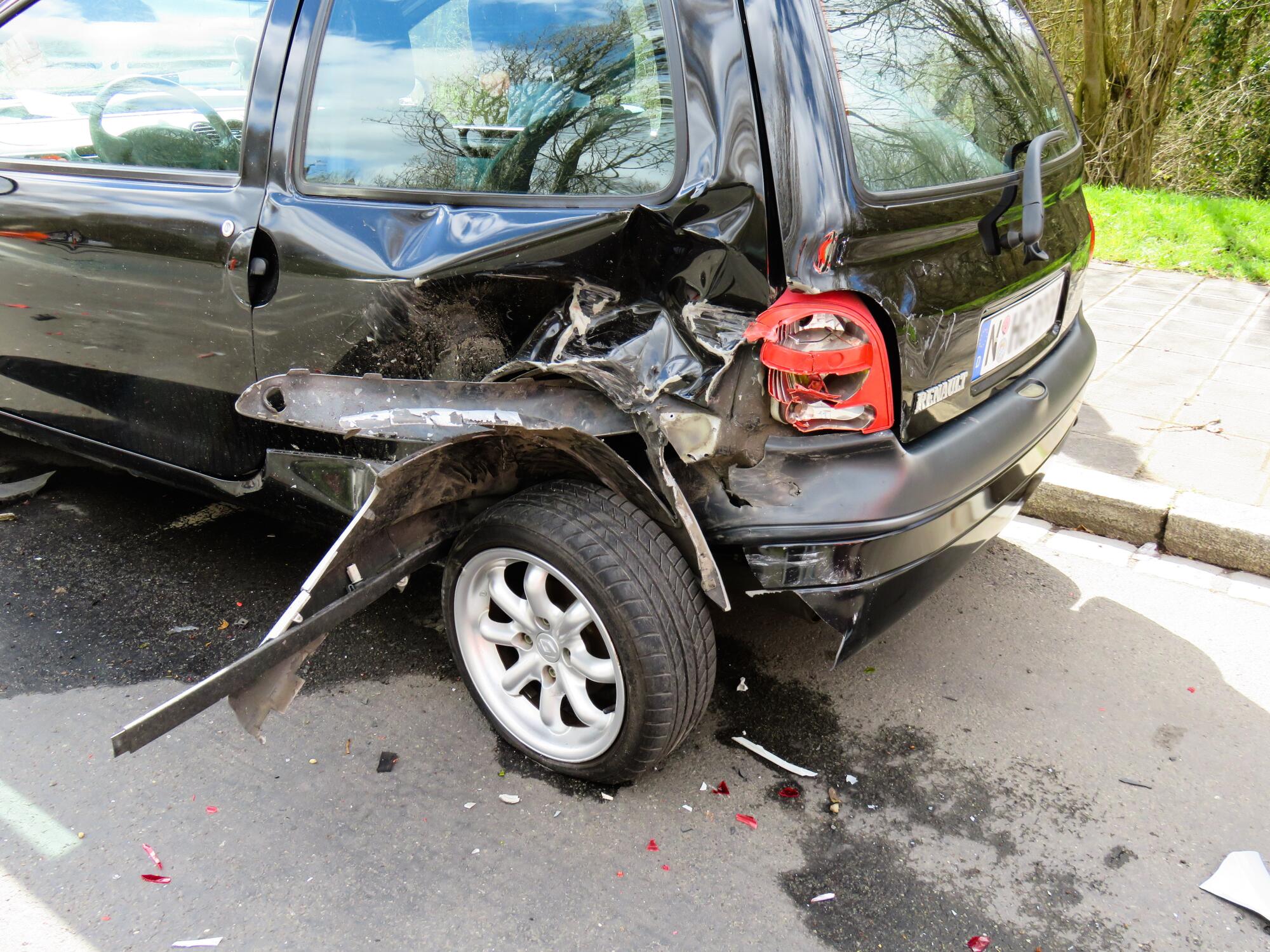
Photos capture the accident scene, vehicle damage, and road conditions. What you see in these shots really makes clear the raw impact of the collision and exactly what was going on around it. Shoot from all sides; you'll get the whole story. Ensure that photos include traffic signs, skid marks, and weather conditions, as these factors may influence the case.
Witness Statements
Those who saw it firsthand can tell us. Their accounts really help explain what went down. Their accounts can corroborate a party’s version of events. It is essential to collect names and contact information for any witnesses present. Statements should be gathered as soon as possible to ensure accuracy and reliability.
Medical Records
Documenting injuries is crucial for any car accident case. According to the National Highway Traffic Safety Administration, motor vehicle crashes cost the United States over $230 billion annually in medical expenses and lost productivity, making proper documentation essential for fair compensation. Medical charts clearly show your injuries and the care you received. You can see from these documents exactly how the accident led to these injuries. You'll find notes from your doctor, your test results, and details on your care plan.
Insurance Information
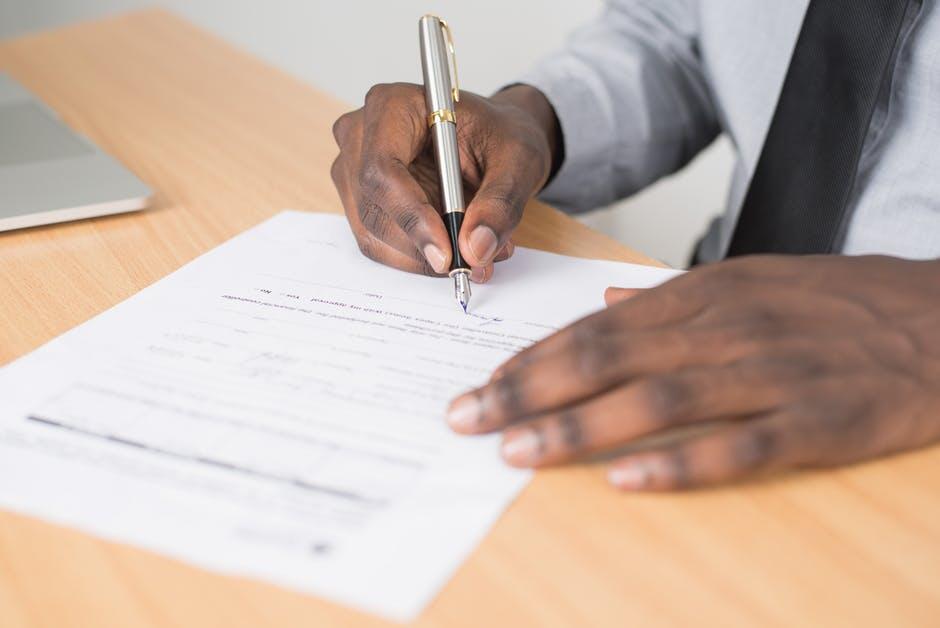
Exchanging insurance details with the other party is vital. To get your claim submitted and collect your payment, you must have these details. Always save copies of everything you send to or receive from your insurance company, including emails and notes from phone calls. Writing things down clearly helps avoid arguments and makes sure everyone understands the deal.
Accident Reconstruction
In complex cases, accident reconstruction experts may be involved. They look at many things. This helps them figure out what happened. What they discover really makes things clear. It gives legal teams a strong basis for their points. Reconstruction reports often prove who is at fault. They also show the precise order of events.
Surveillance Footage
Nearby cameras may capture useful footage of the accident. You know those security cameras—at intersections, in shops, or even on someone's porch? They often catch the important stuff. Imagine these recordings: they could reveal every step of the accident, confirming eyewitness stories and making sense of any confusion. Obtaining this evidence quickly is important, as footage may be overwritten.
Vehicle Inspection Reports
A detailed vehicle inspection can reveal mechanical issues or problems. We check these records to see if a product problem was behind the incident. You really need to know the vehicle's state; it lays out all the possible reasons for an incident. This information directly helps with the investigation and any legal steps.
Traffic Signal Data
Traffic signal data can offer insights into who had the right of way. Getting this data needs local help. Talk to the authorities there. This information helps us figure out exactly what happened during crashes at intersections. It shows what the traffic lights were doing and what each driver did.
Weather Reports
Don't forget, bad weather seriously impacts how many accidents happen. Reports detailing rain, fog, or snow at the time can influence the case outcome. We don't control the weather. But seeing its effects clarifies why things happen and who needs to act.
Personal Notes
Keeping a personal record of the accident details is helpful. Write down your recollection of events as soon as possible. Include descriptions of what happened before, during, and after the incident. Jotting a quick note can jog your memory. It helps keep your account records straight and true.
Legal Assistance
Consulting with a legal professional can make navigating the legal process smoother. Your lawyer will show you which proof truly matters. Forget about hunting down paperwork or going back and forth with insurance companies; they handle those conversations and get the right documents.
Conclusion
If you've been in a car crash, collecting every piece of proof yourself really sets up your claim for success. A complete claim draws on all available data. Police accounts and weather records are equally vital. When you stay organized and do things right, success usually follows. Once you understand what proof really counts, you can champion your own cause and get the fairness you've earned.