
Religion
Anti-Gay Protest Backfires at Howard University

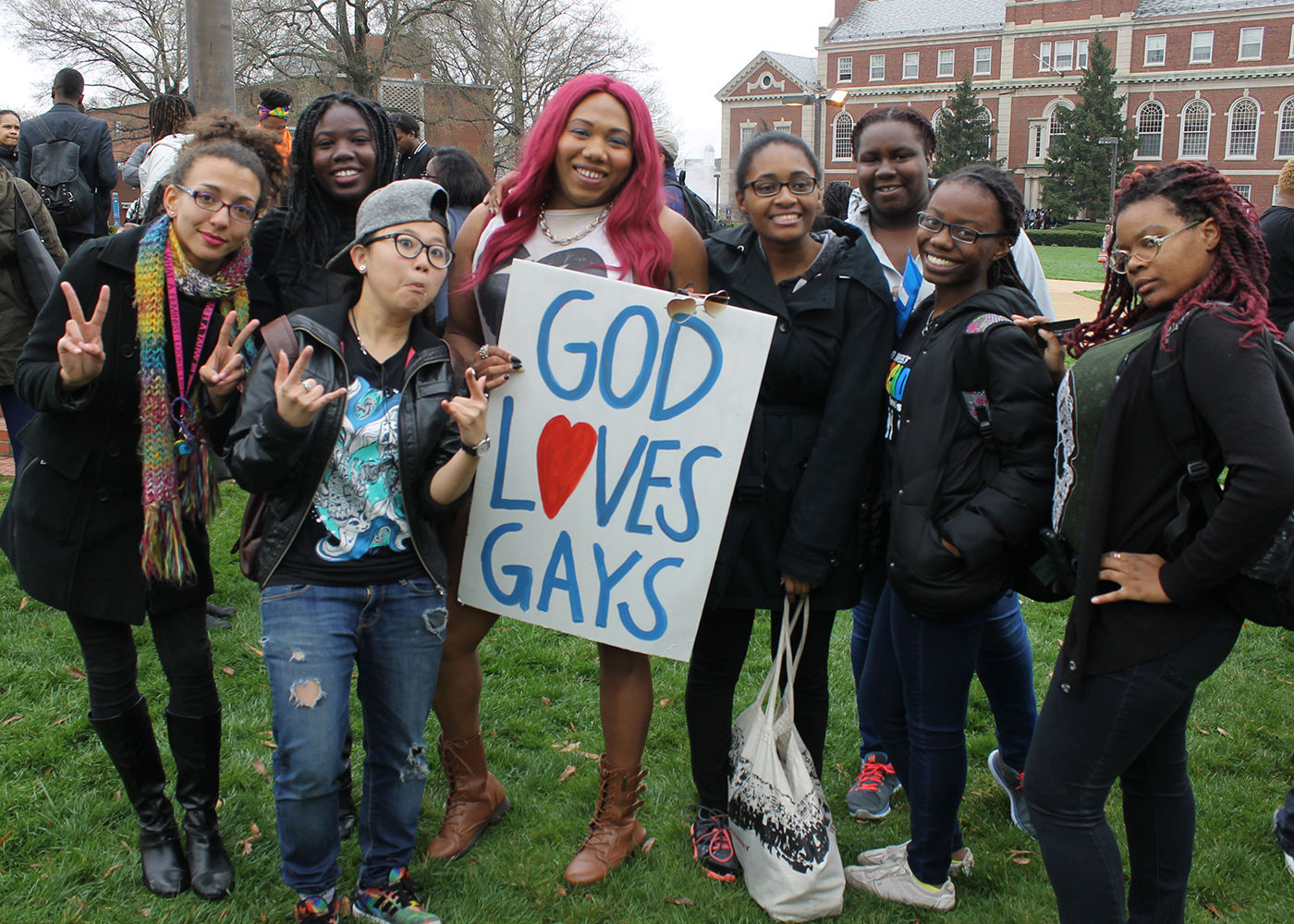
A group of students pose for a picture during a counterprotest against Westboro Baptist Church members (not shown) on the campus of Howard University. Church members were on campus protesting Howard University School of Law’s organization for lesbians, gays, bisexuals, and transgender and queer students. (Shenarri Freeman/HUNS)
By Rachel Kersey
Special to NNPA from Howard University News Service
WASHINGTON – Westboro Baptist Church, the infamous unaffiliated church known for its hateful, unorthodox protests, especially against homosexuality, brought its hate speech to Howard University – and the university’s students and staff fought back.
Armed with picket signs, the organization, which has been denounced by the two largest Baptist denominations, Friday, April 10, gathered on 6th Street on Howard’s campus to denounce OUTlaw, Howard University School of Law’s organization for lesbians, gays, bisexuals, and transgender and queer students.
“AMERICA IS DOOMED,” “MOURN FOR YOUR SINS” and “GOD H8S FAG MARRIAGE,” the signs read. One sign featured a depiction of anal sex.
“It is a shameful sight to see the way that these young people behave, and the parents teachers and preachers have done that to them,” the church said on its website in explaining why it came to Howard. “They have no chance when they stand before the Great White throne on Judgment Day. We come in hopes that one little lamb is out there and may be called to repentance by the Lord their God.”
Howard students met the signs with their own. Dressed in all-black or rainbow colors, the students held signs that read “HOWARD <3s OUR LGBTQ,” “ALL BLACK LOVE MATTERS” and “GOD LOVES EVERYONE.”
Nearly 100 students gathered at the flagpole and marched to the corner of 6th Street and Howard Place, where they promptly turned their backs on Westboro.
With fists raised in defiance, the sea of students sang “Lift Every Voice and Sing,” and more than one student shed a few tears. Only 20 minutes after starting, Westboro headed down the hill to the taunts of Howard students, who turned around to send them on their way.
“I thought it was perfect,” said Nia Johnson, a junior economics major. “I definitely felt the love and I felt proud. I was actually happy it ended early. Our power showed them that it wasn’t worth it here.”
Amber Mason, president of OUTlaw, agreed.
“This sort of hate filled rhetoric is not condoned on our campus, and we want to show them that through a show of solidarity,” Mason said.
“That’s now how we think here at Howard. We are inclusive, we’re accepting and their kind of speaking and behavior will not be condoned.”
Lydia Durfler, the organizer of the student protest, said she did so because LGBT community at Howard is often slighted.
“I don’t think it gets enough outright support from the Howard community, especially where the administration and faculty is concerned,” said Durfler, a senior political science major and an Amnesty International intern.
“And if we had a group on campus saying derogatory things about black folk and we weren’t doing something to build ourselves up in the midst of that, that would seem pretty crazy. The same goes for the LGBTQ community.”
Joshua Narcisse, president of the Chapel Assistants, an interfaith organization with Howard’s Andrew Rankin Memorial Chapel, said his organization stands against Westboro Baptist Church.
“One of the dominant themes in Christianity is love,” Narcisse said. “So, at the end of the day, whether it be Christianity, Islam, Hinduism or Buddhism, this love or respect for humanity is at the center of the work that the chapel does. And this is really just a part of us affirming that.”
Tyleah Hawkins, a senior broadcast journalism major, also objected to Westboro’s belief and its tactics.
“I’m a Christian, but I’ve always been an advocate for gay rights,” Hawkins said. “I don’t agree with preaching hate. I am a proud Christian. I love Jesus . . . and I feel like Jesus would be out here protesting with me.”
In the end, the protest – both sides – was one chapter of the rich social and political saga of the university, and there is undoubtedly more to follow,” said the Rev. Bernard Richardson, dean of the Andrew Rankin Memorial Chapel.
“This is Howard University,” Richardson said. “Protests and all the other things are what happen here at Howard. It’s part of our legacy. It’s part of our history.”







Black Press
When Your Faith Is Put to the Test
THE POSITIVE COMMUNITY — Reverend J. Loren Russell explores the profound challenges of maintaining faith during seasons of unexpected adversity through the biblical narrative of Job. Despite being a man of integrity who feared God, Job suffered the sudden loss of his wealth, his ten children, and his physical health.

Scripture: Job 1:20–22; Job 42:5 (NKJV)
Job 1:20–22: Then Job arose, tore his robe, and shaved his head; and he fell to the ground and worshiped. 21 And he said: “Naked I came from my mother’s womb, And naked shall I return there. The Lord gave, and the Lord has taken away; Blessed be the name of the Lord.” 22 In all this Job did not sin nor charge God with wrong.
Job 42:5: “I have heard of You by the hearing of the ear, but now my eye sees You.”
Have you ever experienced a season when everything seemed to go wrong, even though you were doing your best to live faithfully before God? Have you ever prayed, served, sacrificed, and trusted God, only to find yourself facing circumstances you could not understand? If so, you are not alone. The story of Job reminds us that faithfulness to God does not exempt us from adversity, but adversity does not have to destroy our faith.
Job was a man of integrity who feared God and turned away from evil. He was blessed with a large family, great wealth, and an excellent reputation. Yet, in a series of devastating events, he lost his possessions, his servants, and all ten of his children. Then his own health deteriorated, leaving him physically and emotionally broken.
How could such tragedy happen to a man who was faithful to God?
Job’s story challenges the assumption that good people will never experience hardship. Sometimes we mistakenly believe that if we pray enough, obey enough, and live right, we can avoid life’s painful seasons. But Scripture never promises that believers will be spared every trial.
Faith is not measured only by how loudly we praise God when life is good, but also by whether we continue to trust Him when life becomes difficult. Job grieved deeply. He tore his robe, shaved his head, and fell to the ground in worship. His grief did not cancel his faith, and his worship did not mean he was free from pain. He brought his brokenness before God while acknowledging God’s sovereignty.
We can learn from Job that faith does not require us to pretend we are not hurting. We can cry, ask questions, and seek understanding without abandoning our relationship with God.
Job’s friends made matters worse by assuming his suffering must have resulted from personal sin. Their mistake reminds us not to judge people by their circumstances. When others are hurting, they may need our compassion more than our explanations.
Eventually, God spoke to Job out of the whirlwind. God did not provide a detailed explanation for every tragedy Job had experienced. Instead, He revealed the greatness of His wisdom and the limitations of human understanding. Job responded, “I have heard of You by the hearing of the ear, but now my eye sees You” (Job 42:5).
His encounter with God changed his perspective. He came to recognize more deeply the greatness of the One he served. He was then prepared to pray for his friends and God promised He would answer.
Sometimes God changes our understanding before He changes our circumstances. We may not receive every answer we seek, but we can continue to grow in humility, trust, and compassion.
When your faith is tested, keep praying, keep trusting, keep serving, and remember that your suffering does not define the limits of God’s greatness.
Your faith may be tested by adversity, but you can continue trusting the God whose wisdom is greater than your understanding.
Be Blessed!
Rev. J. Loren Russell is an associate minister at Goodwill Baptist Church and is the clergy officiant of the Evangelical Church of God, all in the Bronx, President/CEO of The JLR Company for Church Financial & Strategic Consulting (718-328-8096), and hosts “Matters of Faith – The Radio Show” on Monday nights from 8:00–10:00 PM on Facebook Live. Be sure to Friend “Matters of Faith” on YouTube and email us at [email protected]. Order your copy of Matters of Faith: The eBook at www.smashwords.com/books/view/993177.
Based on reporting by The Positive Community.
Black History
Oakland Faith Leaders Gather to Revitalize the Interdenominational Ministerial Alliance of Oakland
Oakland faith leaders and civic officials recently gathered at the Church of All Faiths to revitalize the Interdenominational Ministerial Alliance of Oakland and Vicinity. Led by convener Pastor Mark Anthony Clifton, Sr., the meeting aimed to unite clergy around civic engagement and community restoration. The event featured a call to action for the upcoming election and presentations on workforce development, drawing support from prominent figures including Mayor Barbara Lee and local school officials. Organizers shared their vision for the alliance’s future as they prepare for new collaborative initiatives. read more.
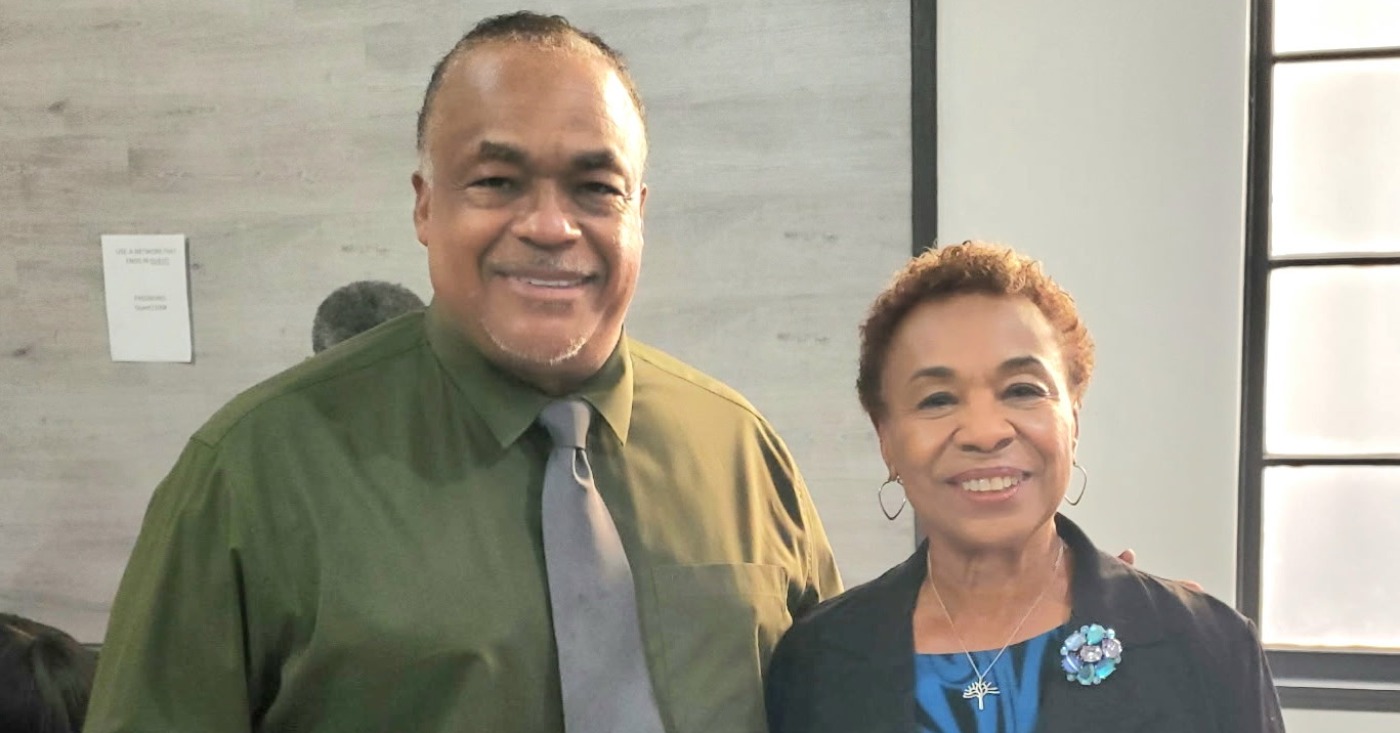
Pastors, civic leaders, and community members in the Bay Area gathered Thursday, Oct. 8, at Church of All Faiths in Oakland for a meet-and-greet marking a renewed push to revitalize the Interdenominational Ministerial Alliance (IMA) of Oakland and Vicinity.
A highlight of the evening was the “Souls to the Polls: Our Voice, Our Vote!” segment, led by Pastor Damon Owens of Genesis Church in Antioch, which urged congregations to turn out for the election. Organizers also announced a proposed joint pre-Thanksgiving worship service for Nov. 17, with the location to be announced.
Pastor Marcie Hodge of Prayer Mission Church called the program to order, and Rev. Michael Wakefield Wallace of Mt. Zion M.B. Church led the opening devotion. Pastor Cubie Finley III of Parks Chapel AME read Nehemiah 2:17-18, the passage behind the event’s rallying cry, “Let us rise up and build.”
COGIC National Evangelist Dr. Lucinda Taylor, principal of Westlake Middle School, delivered the opening welcome.
Dr. L.J. Jennings of Kingdom Builders Church gave a brief statement of purpose, explaining the alliance’s mission of ‘Voice, Vision, and Values.’ Pastor Terry Benjamin of Restoration Evangelistic Ministries then introduced the convener, Pastor Mark Anthony Clifton, Sr., who is in his 26th year leading East Oakland Church of God in Christ. Clifton has been reorganizing the alliance to unite clergy around civic engagement. He noted that IMA’s national roots in 1926 in Galveston, Texas, and honored the Oakland leaders who came before him, including his grandfather, the late Bishop Martin J. Clifton, Sr.
“The work of the IMA of Oakland is just a continuation of the work done before us. Today, working together we can continue to solve many of the issues our community faces,” said Clifton.
Members were invited to share testimonies, challenges, and ministry needs.
Other participants included Dr. Billy Dixon of At Thy Word Christian Center and Pastor Raymond Lankford, CEO of the Oakland Private Industry (OPIC) Council who shared information on the organization’s workforce development programming.
Public officials in attendance included Mayor Barbara Lee, Alameda County Supervisor Nate Miley, and Oakland Unified School District Superintendent Denise Saddler, strengthening the ties between the faith community and local government.
“We are better together and our city is stronger when we partner with our faith leaders,” said Oakland Mayor Barbara Lee.
Bishop Brondon Reems of Center of Hope Community Church provided the closing prayer and Rev. Dr. Jeffrey M. Parker, Sr., host pastor, gave final remarks and thanked attendees for coming.
“It’s an honor to serve the community and bring everyone together,” said Parker.
Dozens of pastors from Oakland, Antioch, and the greater Bay Area were recognized as supporters.
“I want our partners and attendees involved to help rebuild the city they love and this is only the beginning of a larger movement to restore our great city,” said Clifton.
Black History
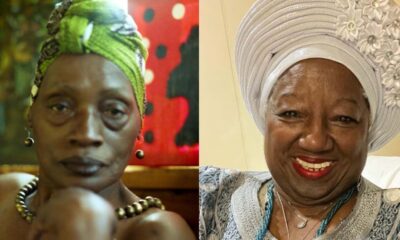
Practitioners of African Traditional Spirituality Offer Ancestral Reverence Ritual Oct. 31
The Council for Global Ancestral Reverence will host “Ancestral Souls Rising” from Oct. 31 to Nov. 2, featuring a three-day gathering of prayer and discussion. Led by elders and priests across the African diaspora, the seventh annual ritual honors those lost without traditional rites while addressing current social challenges. This year’s event connects ancestral wisdom with contemporary issues, including a two-day conversation inspired by Afro-Beat music focused on Black community solidarity and the sacred importance of voting. Read more for details on the ritual schedule and participants.
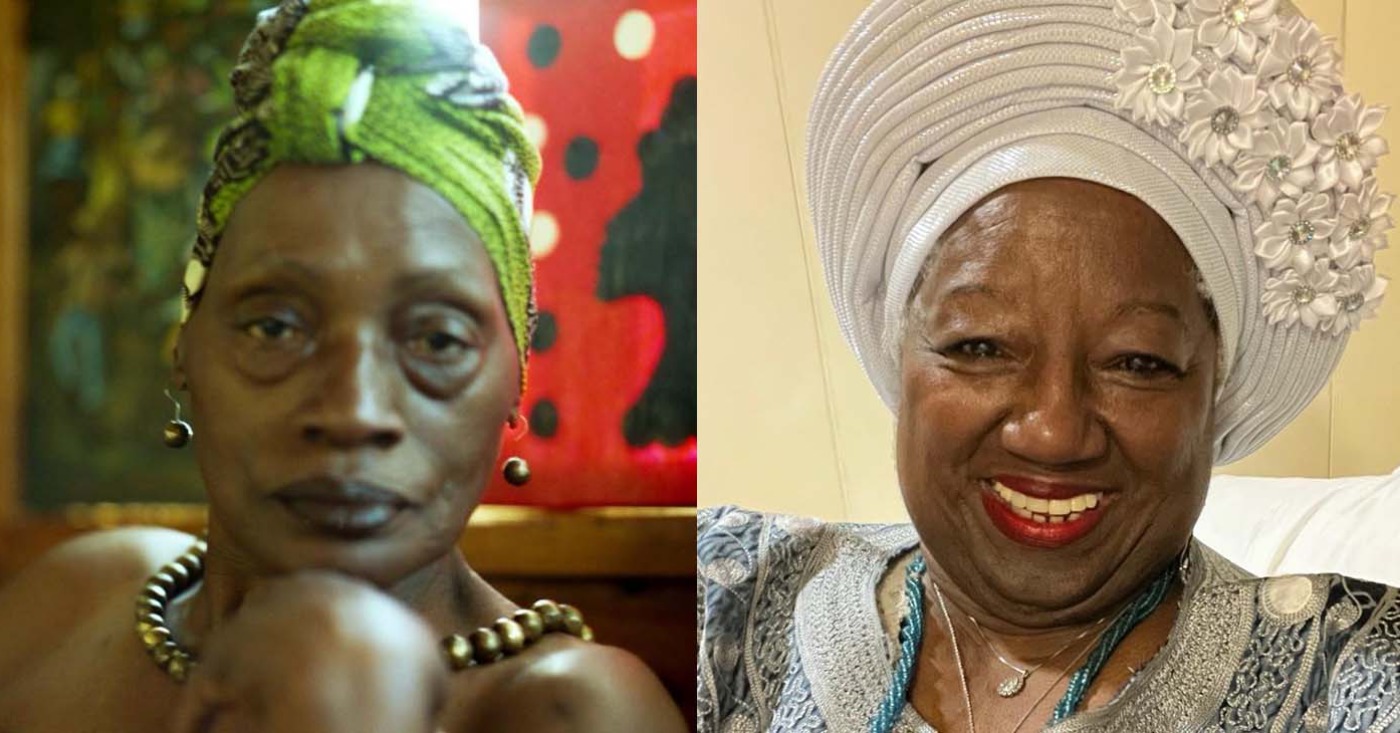
The Council for Global Ancestral Reverence (C4GAR), a group of elders who practice African traditional spirituality, will lead a three-day gathering of prayer and discussion from Oct. 31-Nov. 2.
Called ‘Ancestral Souls Rising,’ the council members and 21 priests will lead the prayers from many parts of the African diaspora: Africa, Portugal, and across the U.S. from Maryland to the Bay Area.
Now in its seventh year, the annual ritual began during the 2020 pandemic when hundreds of thousands of people died alone and were buried in mass graves without rites and rituals according to loved ones’ traditions.
This prayer event was and is intended to give peace to the departed and comfort for the living who still mourn. Each year, we gather names of new ancestors from living elders to elevate them into the “Great Hall of the Titans.”
In ensuing years, C4GAR added themes to the prayer gathering that referenced current events. In 2024, before the consequential presidential election, C4GAR called on people to vote, invoking the memory of Civil Rights Movement heroes and heroines like John Lewis, who urged “Good Trouble,” and Fannie Lou Hamer, who famously declared that she was “sick and tired of being sick and tired.”
The day of global Prayer on Oct. 31 will be followed by a two-day conversation inspired by “The Blueprint,” an Afro-Beat song by UyiosaEl, to write our new blueprint that supports solidarity and action in the Black community.
“Our elders have, for many generations, known the power of prayer, ritual and breath,” the council said in a statement.
It was and is their intention, then, to use the cultural wisdom, the gift of prayer “and the most sacred thing we have, our breath, to send energy into the world that invokes and honors our ancestors,” the council statement continued.
“Doing this creates a vibration that protects us and employs their ancient wisdom for the well-being of our communities,” the elders said.
The councilmembers, all over the age of 60, recognize that what is now history for so many was once their lived experience. And that history, those joys and sorrows, are now in their bodies.
To them, the uttered prayer and the sacred breath are oaths to an unfolding future that people can still shape.
The council members are Dr. Iyabeji Cathy Royal, Iyalocha Jennifer Dillard, Manbo Charlene Desir (Florida), Nana Sula Spirit (Louisiana), Baba Obafemi Feyemi, Ohen Nedra T. Williams, and Iyalocha Wanda Ravernell-Stewart Emeritus (Oakland).
This year, they also encourage everyone within their reach to VOTE because it is not only a secular and political act, but a sacred one. Remember, the ancestors were denied that right and died for it.
For tickets, go to:
Black History
COMMENTARY: BIG MAMA SAID: Don’t Throw Away the Gift Just Because It Came Wrapped Wrong
TEXAS METRO NEWS — Journalist and mentor Terry Allen reflects on the profound wisdom of his grandmother, Lucille “Big Mama” Allen, who believed that a person’s mistakes do not represent their total identity. Allen argues that many behavioral issues seen in young men are actually symptoms of undeveloped gifts that have been applied to the wrong environments.

Big Mama had a way of seeing something in you before you could see it in yourself.
My grandmother, Lucille “Big Mama” Allen, came from a generation that believed in correction. I grew up in a household where somebody might tell you, “Go get me a switch.” You knew what that meant.
But age has taught me something: correction without direction can stop behavior, but it doesn’t always develop the person.
Sometimes what we call a young man’s problem is really an undeveloped gift.
ADVERTISEMENT
I learned that through mentoring.
I once worked with a young man who was gambling and running numbers. Now, I wasn’t going to celebrate the behavior. Wrong is wrong. But I also refused to believe his mistakes represented the totality of who he was.
I looked underneath the behavior.
This young brother understood numbers. He understood money, calculation and risk. His gift wasn’t gambling. His gift was his mind. So I introduced him to another image: Mansa Musa, the legendary African ruler whose name became synonymous with extraordinary wealth, commerce and economic power. to The message was simple: You already have something inside you. Now what are you going to do with it? That young man redirected his abilities. What had been operating in the wrong environment found purpose through education, accounting and legitimate business. Today, he has built a leading Bookkeeping firm in California’s East Bay.
That is what mentoring can do. It is also why I created programs like City MenTor and why, for 25 years, City Men Cook has celebrated fathers, mentors and men who show up. Mentoring isn’t creating somebody in our image. It is helping somebody recognize what God already placed inside them. I thnaks GOd for allys ike Pastor Keith Lofton who helpe me keep the programs grunded in Faith.
ADVERTISEMENT
Scripture tells us to “fan into flame the gift of God.” — 2 Timothy 1:6.
Somebody reading this has a gift that survived mistakes, disappointment, rejection, bad decisions and maybe even your own attempts to bury it.
But it survived.Now comes the question Big Mama might ask
Baby, if God restored your gift, who are you using it to restore?
Don’t just celebrate your comeback. Reach back. Find somebody whose gift came wrapped wrong—and help them unwrap it.
ADVERTISEMENT
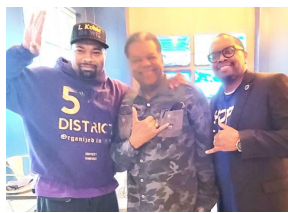
Big Mama said: Don’t throw away the gift. Redirect it. Develop it. Then give it away.
Terry Allen is an NABJ award-winning Journalist, DEI expert, PR professional, and – Vice President at FocusPR, founder of the charity City Men Cook, and Dallas Chapter President of NBPRS.org
Based on reporting by Texas Metro News.
Black History
OP-ED: The Black Church Writes AI’s Next Chapter
BLACKPRESSUSA NEWSWIRE — I implore my fellow faith leaders to use these tools. Start now and use them with wisdom. We count on each and every one of you to make sure our communities help write the next chapter of this story. This rapid change is not as unfamiliar as it may sound. My first understanding of AI came from using a calculator for the first time in grade school. We did not call it AI, but it was a tool that helped me work through mathematical equations hours more efficiently.

For generations, the Black church has stood strong in our communities through every historical change this country has experienced. During the civil rights movement and in recent times, faith leaders have helped uplift Black sanctuaries to register voters, keep food pantries open for people in need, and sit with families in hospital rooms in their most desperate moments. When our people faced new trials, they could always look to our faith leaders and the church to lean in to help us be included in these transformative changes.
Artificial intelligence is the latest revolutionary change to impact our society, and much like other transformations before us, underserved communities often get left behind.
I was recently featured in a report entitled “Faith, Community & AI” and it found that people send ChatGPT more than 70 million messages a week about religion. Nearly 22 million involve studying sacred texts, and 16 million ask about religious practices and holy days. Our members make up part of those numbers. They bring questions of faith to these tools every day.
Pastors have noticed, and according to a September 2025 Lifeway Research survey of 1,003 Protestant pastors, 42 percent said they use or experiment with AI in ministry. I count myself among them.
I write my sermons by hand, through prayer and study. When I finish a draft, I ask ChatGPT this question: “Where might this sermon become unclear or difficult to follow for someone early in their walk of faith?” It shows me gaps in my preparation, like where I incorrectly assumed everyone would know the context of who the Pharisees were. Then, change comes from my own pen, not the robot. The tool helps me reach the person in the back pew while the message still comes from me.
If I could have my wish, our whole community would take a similar posture. We must use these tools, understand them, and most importantly be present to help shape them if we want to be included in the coming change.
I implore my fellow faith leaders to use these tools. Start now and use them with wisdom. We count on each and every one of you to make sure our communities help write the next chapter of this story. This rapid change is not as unfamiliar as it may sound. My first understanding of AI came from using a calculator for the first time in grade school. We did not call it AI, but it was a tool that helped me work through mathematical equations hours more efficiently.
It starts with training; there is no involvement without understanding. Free AI trainings have begun in our churches and community centers across the nation. Every faith leader should sign up and, when possible, encourage members of your congregations to join you. By learning how to use AI, we can better understand what it can do, make up our own minds about its impact, and have a say in how it shapes our communities.”
Next, we must be at the tables where the builders of these tools make decisions. Presence is the first step toward understanding, and that gap is only bridged through a coordinated effort. How can any tool serve a community well if that community is not part of the conversation? Our traditions, needs, and concerns must be accounted for, and Black faith leaders are already making that happen. OpenAI’s recent Faith report states plainly that AI should never become an arbiter of religious truth. I fully intend to hold the company to its word, and the most effective way I can do that is from inside.
I will close with this––we must diligently protect what only the church can give. A believer in Seoul, Korea quoted in the report warned, “if you pour every struggle into a private chat, your pastor and your friends may never learn you need help.” A chatbot will not sit with a grieving family or pray with you at two in the morning. As we adopt this technology, it is up to us to ensure it keeps people connected to each other and to their church.
Rev. Dr. Adolphus Lacey is senior pastor of Bethany Baptist Church in Brooklyn, New York.
Black History
Pleasant Zion Missionary Baptist Church Celebrates 100 Years of Spiritual, Mind, Body, and Soul Ministries
LOUISIANA WEEKLY — Pleasant Zion Missionary Baptist Church, located at 3317 Toledano Street in uptown New Orleans, is celebrating its 100th anniversary with a Centennial Weekend on October 17-18.
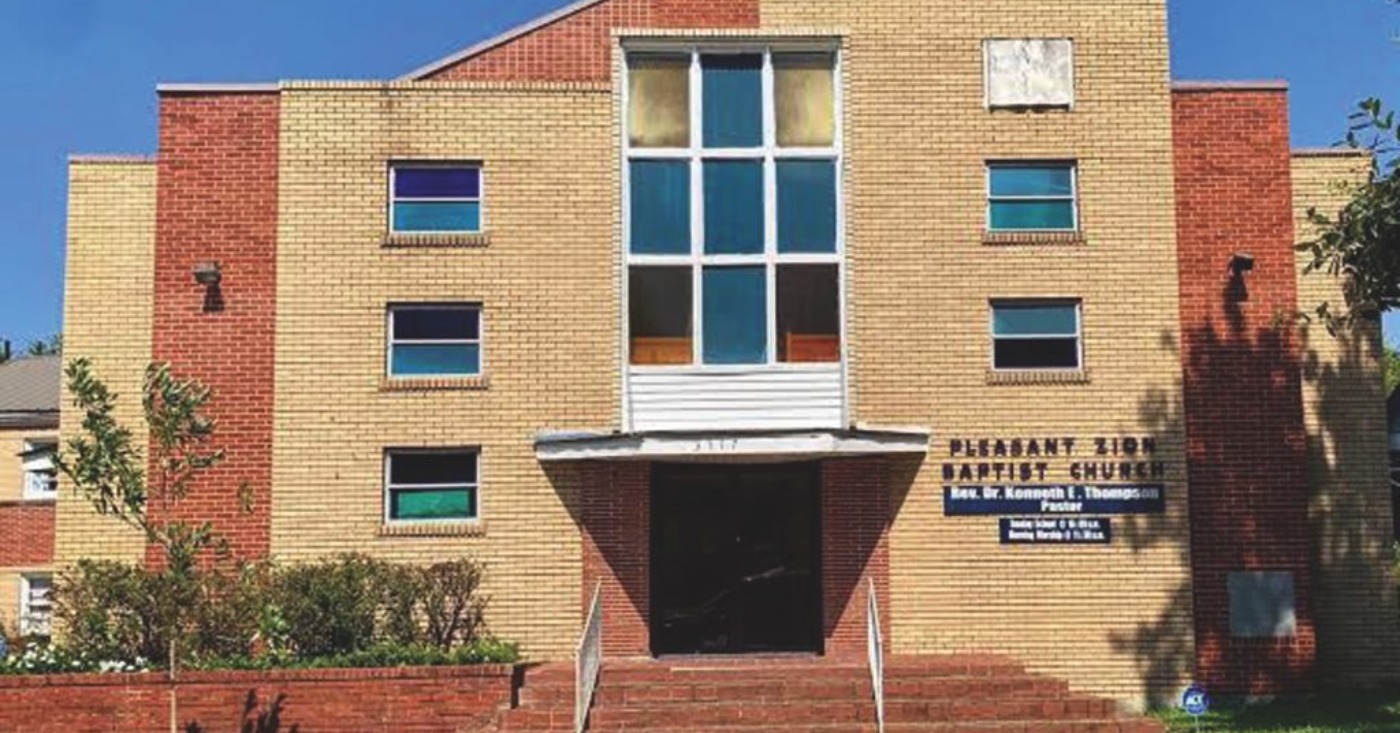
The legacy of the African-American church in the United States is that of a refuge, a caring and welcoming institution, a port in the storm, that has fed African Americans spiritually, economically, mentally and physically, and has nurtured the souls of people of African ancestry throughout their existence in America.
Pleasant Zion Missionary Baptist Church has carried on that legacy for the past 100 years. Established in 1926, Pleasant Zion MBC, located at 3317 Toledano Street, is a cornerstone of faith in uptown New Orleans and a beacon of hope for the Hoffman Triangle/Central City neighborhood.
Pleasant Zion MBC continues its mission of faith, education and empowerment for future generations. The church celebrates its 100th anniversary with a forward-looking Centennial Weekend, October 17-18.
Throughout its long history, Pleasant Zion has served its community by providing religious training and cultural, educational and recreational activities for children and adults. For decades, PZMBC has worked with neighborhood leadership to address issues such as neighborhood blight, housing and safety concerns.
Many have sought Pastor Kenneth E. Thompson’s confidential, wise counsel and comfort.
Pleasant Zion Missionary Baptist Church’s Centennial Celebration focuses on youth. “Our Centennial is not just about looking back – it’s about investing in our youth and building the future of our community,” Pastor Thompson affirms.
For decades, PZMBC has worked with neighborhood leadership to address issues such as neighborhood blight, housing, and safety concerns, Pastor Thompson adds.
During the summer, PZMBC sponsored summer enrichment camps for children with a range of activities, including culinary arts, STEM, music and field trips to museums and Black historic sites such as Armstrong Park.
The church has provided free food baskets, placed homeless women in hotel rooms, and provided financial assistance to people at risk of eviction or homelessness.
“Throughout its long history, Pleasant Zion has served the needs of its community by providing religious training, cultural, educational and recreational activities for both children and adults.
This upcoming Centennial Celebration honors a century of spiritual leadership while investing in the next generation, uplifting youth voices, education and sacred music.
Special guests at the celebration include the famous Zion Harmonizers. The world-renowned gospel group celebrated 87 years in gospel music with a special anniversary performance in March 2026 at St. John Institutional Missionary Baptist Sanctuary.
The program also features acclaimed Bishop Tyrone Jefferson, Voices of SUNO and the NORD Choir.
This article originally published in the October 12, 2026 print edition of The Louisiana Weekly newspaper.
Based on reporting by Louisiana Weekly.


Lawmakers Back Push Against Military Sexual Assault

Virginia State Dominates Shaw 76-13 Behind Explosive Second-Quarter Surge

Message from the Associate Editor: Blindness, Hurts, Cops

Capturing Black Life’s Beauty

A Legacy of Service, a Future of Hope: North Carolina Juvenile Services Association Commemorates 60 Years of Empowering Youth

Roland Martin Brings Black Votes Matter to Tallahassee

When Your Faith Is Put to the Test

2027 Buick Enclave Sport Touring worth $66,550?

2027 Buick Enclave Sport Touring Interior 360 Video

FAMU Shooting Arrest, New Trump and ICE Activity Near Florida Polling Site 📱

OP-ED: Haiti TPS: Have We Lost Sense of Humanity?

Remembering Chauncey Bailey as Student Journalists Face Threats to Truth-Telling

All Skinfolk Ain’t Kinfolk

Poll: Becerra Widens His Lead Over Hilton; Californians Split on Wealth Tax

Rulings Leave Questions Lingering in Nolan Wells Case

Latinas Deserve Equal Pay. Unions Help Make It Happen.

Zakiya Jendayi Arrested, Locked Out of Home by Sheriff’s Deputies

Why Black Artists Struggle to Sell Tours

COMMENTARY: The Audacity of Joyce Beatty

A $2.1 Trillion Wellness Industry Never Built a Daily Practice for Black Children. So This Atlanta Family Did.
2027 Buick Enclave Sport Touring worth $66,550?
2027 Buick Enclave Sport Touring Interior 360 Video

FAMU Shooting Arrest, New Trump and ICE Activity Near Florida Polling Site
FAMU Shooting Arrest, New Trump and ICE Activity Near Florida Polling Site 📱

Buying a Subaru WRX? Get the FULL Price Before You Sign #shorts

Houston Screenwriter Shannan E. Johnson on Making It in Hollywood

Golf Opportunities Beyond the Pros: Mentors, Scholarships & Mental Health #shorts

This Election Is Critical: Potecting Our Freedoms

Passion for Gopher Sports: The Podcast Origin Story! #shorts

Super Cruise: Hands-Free Driving on Your Routes #shorts
-

 Black History1 week ago
OP-ED: The Black Church Writes AI’s Next Chapter
-

 Featured1 week ago
Tamiko Armstead | 2026 Lifetime Achiever in Education
-
 Black History1 week ago
Practitioners of African Traditional Spirituality Offer Ancestral Reverence Ritual Oct. 31
-
 Art1 week ago
Kickstarter CEO Everette Taylor Shares Tips on Creating and Growing a Business
-
 Black History1 week ago
Columbus’s Oldest Businesses Still Open: 10 That Have Lasted 75+ Years
-
 Black History1 week ago
COMMENTARY: BIG MAMA SAID: Don’t Throw Away the Gift Just Because It Came Wrapped Wrong
