
Black History
AFRICAN-AMERICANS ARE NO BETTER OFF THAN 50 YEARS AGO DATA SHOWS
SAN ANTONIO OBSERVER — 50 year serves as a great opportunity to look back and see how far race in America has come and according to Race and Social Policy Research Center Director, Wornie Reed, “the bottom line is that we have not come very far, if at all, since 1968.”


By Cece Leonard, The San Antonio Observer
December 26, 2018 — As 2018 comes to an end, we close out a 50 year period that began with the tumultuous 1968. This was the year Martin Luther King, Jr was assassinated; the year the Fair Housing Act passed; the year the Kerner Commision report revealed the cause of riots; and the same year John Carlos and Tommie Smith gave the Black Power salute at the Olympics.
50 year serves as a great opportunity to look back and see how far race in America has come and according to Race and Social Policy Research Center Director, Wornie Reed, “the bottom line is that we have not come very far, if at all, since 1968.”
Reed notes “Unfortunately, the data show that with all of this progress on the electoral front there was little if any relative improvement in the lives of African Americans. In fact, with the gutting of the Voting Rights Act by the U.S. Supreme Court in 2013, made 2018 one of the the worst years for voter suppression of African Americans and other minorities since 1968.”
Quoting Reed
Poverty:

“This year marked the 50th anniversary of Martin Luther King’s Poor People’s Campaign when MLK put his life on the line to start a very aggressive push to force the country to address the issue of poverty. He said, “I choose to identify with the underprivileged. I choose to identify with the poor. I choose to give my life for the hungry. I choose to give my life for those who have been left out…This is the way I’m going.” We called the rate of poverty an outrage then. It is worse now. The numbers and proportions of people in poverty in the United States have increased since 1968.”
Housing:

“In 2008 the National Commission on Fair Housing and Equal Opportunity, co-chaired by former Housing and Urban Development (HUD) Secretaries, Democrat Henry Cisneros and Republican Jack Kemp, investigated the state of fair housing. To assess progress since the Fair Housing Act of 1968, the Commission held hearings for six months in five major cities. They concluded that ongoing discriminatory practices in the nation’s housing and lending markets continued to produce residential segregation.”
“Despite this bipartisan assessment, the current Administration is scaling back fair housing enforcement and moving to make it more difficult to find patterns of discriminatory or predatory lending. They have passed legislation to exempt banks from their obligation to collect and provide data routinely collected on their lending processes.”
Economics:

“The Great Recession of 2007-8 was far worse for African Americans. Black homeowners had a higher percentage of their wealth tied up in home equity, and they were much more likely to be victims of predatory lending during the housing boom. Blacks and Latinos were more than twice as likely as comparable whites to receive high-cost loans. African-Americans have lost over half of their wealth since the beginning of the recession through falling homeownership rates and loss of jobs.”
“African American families are continuing to fall behind whites in building wealth — how much a family has in savings, investments, real estate, and cash, less any debts. White family wealth was seven times greater than black family wealth in 2016. Despite some fluctuations over the past five decades, this disparity is as high or higher than was in 1963.”
“Further, there has been no reduction in labor market discrimination. At the Race and Social Policy Research Center at Virginia Tech, we analyzed the income of all black and white full-time workers in the United States between 1967 and 2005. Controlling for education, we found that for every dollar a white worker earned in 1967 a black worker earned 65 cents. In 2005 a black work earned 66 cents for every dollar that a white person earned, not a real increase.”
Sports:

“During the last 50 years African Americans have become even more prominent in sports, with four current stars arguably considered the best of all time in their respective sports: Simone Biles in gymnastics, Serena Williams in Tennis, Tiger Woods in golf, and Lebron James in Basketball. Nevertheless, just like in 1968 black athletes are protesting racial discrimination. Two years ago Colin Kaepernick took a knee to protest the disproportionate use of police force against African American males and related issues, That protest was joined by other African American athletes, in football and other sports. And some of it continues.”
Kerner Commission Report:
“One month before Martin Luther King was assassinated, the Kerner Commission released its report. This Presidential commission investigated the riots and disorders of the mid-1960s and reported what MLK called a “physician’s warning of approaching death, with a prescription for life.” The Commission offered the most forthright analysis and discussion of the racial situation in America that has ever been done by a high-level commission or committee.”
“The Kerner Commission stated that “White racism is essentially responsible for the explosive mixture which has been accumulating in our cities since the end of World War II.” And they continued, “What white Americans have never fully understood but what the Negro can never forget—is that white society is deeply implicated in the ghetto. White institutions created it, white institutions maintain it, and white society condones it.”
“The Kerner Commission concluded that the United States had three options for dealing with the situation. One was to do nothing, which was not acceptable. A second option was to work on improving black ghettoes, which was useful but not desirable. The third was to integrate cities, suburbs, and transportation to workplaces (factories and plants). Many Americans thought we would choose the third option and be on our way to a better America. However, one month later Martin Luther King was assassinated, blacks rioted all over America, and the narrative changed—from correcting what white society had wrought to blaming it all on the problematic culture of black folks. To this day we have not overcome the political and policy effects of that narrative.”
About Reed
Reed is the Director of the Race and Social Policy Research Center at Virginia Tech. He is an expert on race, ethnic health disparities, social policy, criminal justice and his research focus is on criminal justice, discrimination, healthcare, and labor. Reed’s expertise has been featured in Huffpost, CTV (Toronto, Canada), WBFO (Buffalo, NY NPR Affiliate), WFAE (Charlotte, NC NPR affiliate), WCVE(Richmond, VA PBS member station) and WVTF (Virginia NPR affiliate).
This article originally appeared in The San Antonio Observer.












Black History
Don’t Pass the Torch. Expand the Circle.
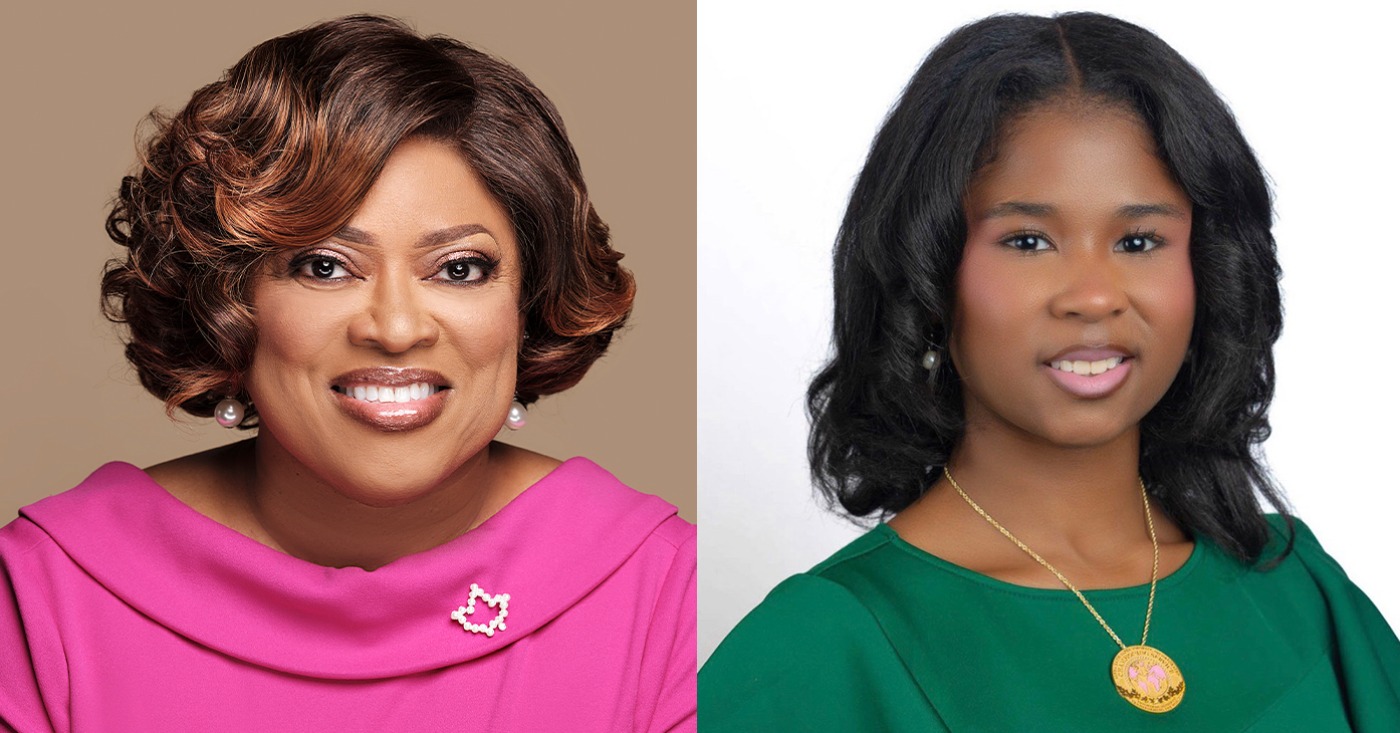
Alpha Kappa Alpha Sorority, Inc. is redefining mentorship by empowering undergraduate women to take active roles in high-level organizational governance. Instead of asking young leaders to wait their turn, the sorority is integrating students like Noah M.P. Harris into international boards and planning committees alongside seasoned veterans like Dr. Tonja L. Ringgold. This intergenerational model aims to combat professional burnout and systemic barriers by offering meaningful responsibility and guidance today, rather than in the distant future, to learn how this approach is transforming leadership. read more.
On Nov. 14, hundreds of undergraduate women gathering at Morgan State University in Baltimore for Alpha Kappa Alpha Sorority’s Undergraduate Leadership Institute will do more than listen to presentations. They will run the program. Graduate advisers will take seats in the back of the room.
This is intentional. Too many institutions invite young people to observe leadership without trusting them to exercise it. We believe the future of leadership depends not on one generation stepping aside for another, but on generations sharing responsibility now.
We have seen the difference from two vantage points.
For Dr. Ringgold, Morgan State is where that journey began. Initiated into Alpha Kappa Alpha’s Alpha Delta Chapter in 1982, she recently reunited with two sorority sisters who guided her as an undergraduate, including a former chapter president whose example still informs her leadership today. Forty-four years later, she returns as director of the sorority’s North Atlantic Region, keenly aware of what it means when someone invests in a young woman’s potential. The homecoming carries added significance: Alpha Delta, chartered in 1926, is celebrating its centennial; and the chapter that shaped her is still helping shape new leaders.
For Ms. Harris, leadership is not a distant destination. She is a Bowie State University senior and president of its Eta Chapter who, this summer, was elected Alpha Kappa Alpha’s International Second Vice President. As an undergraduate member of the sorority’s international governing board, she carries student perspectives into decisions affecting the organization. A 2025 Leadership Fellows experience encouraged her to seek that larger platform. To her, leadership is measured by the people she can serve, not simply the position she holds.
Our experiences challenge a familiar assumption: Young people must wait their turn. Founded in 1908 by Black college women, Alpha Kappa Alpha now counts more than 390,000 initiated members across more than 1,122 chapters. That reach brings a responsibility to open doors, not merely preserve tradition.
Deloitte’s 2026 global survey found that 76% of Gen Z respondents were interested in pursuing senior leadership roles eventually, although only 6% of surveyed Gen Z and millennials named leadership their primary career goal. Many cited burnout, excessive responsibility and work-life balance as concerns. Young people are not necessarily avoiding leadership. They are questioning the conditions under which it is exercised.
At a time when companies are pulling back on women’s advancement, Black women face persistent barriers. McKinsey and LeanIn.Org’s 2025 report found that among companies studied, only 60 Black women were promoted to manager for every 100 men. Telling young women to wait their turn cannot fix an unequal pathway to leadership.
Experience matters. Seasoned leaders carry institutional memory, hard-won judgment and relationships that take years to build. But experience cannot develop in a waiting room. Young leaders need meaningful assignments, honest guidance and room to make mistakes. Experienced leaders must also be prepared to reconsider familiar ways of doing things.
We see that exchange in our own relationship. Ms. Harris draws on Dr. Ringgold’s decades of sorority service and higher education experience. Dr. Ringgold listens when Ms. Harris speaks, recognizing that younger perspectives can challenge assumptions and reveal better approaches. Neither of us has all the answers. Both of us have something to contribute.
Our upcoming Undergraduate Leadership Institute will put that principle into practice. Undergraduate members will lead, with graduate members offering guidance and expertise. We’re taking the same approach in planning our 96th North Atlantic Regional Conference, scheduled for March 2027, where undergraduate counterparts will work alongside graduate vice chairs in operations, programming, social activities and logistics. They’ll help plan an event serving the entire region, not just their undergraduate peers.
That is the distinction between inclusion and influence. A seat at the table means little if the people invited cannot help determine what happens there.
Businesses, colleges, nonprofits and civic organizations can do the same. Pair mentorship with meaningful assignments. Involve emerging leaders in decisions before those decisions are final. Give them resources and room to grow. When they challenge a familiar practice, ask whether it still serves its purpose.
We should not ask experienced leaders to disappear or young leaders to wait. The goal isn’t to pass the torch and walk away. It’s to expand the circle of people empowered to lead and build stronger institutions together.
Dr. Tonja L. Ringgold is the North Atlantic Regional Director of Alpha Kappa Alpha Sorority, Incorporated. Noah M.P. Harris, a senior at Bowie State University, is the sorority’s International Second Vice President and president of its Eta Chapter.
Black History
Nixon Unbought, Unbossed and Undeterred Following U.S. Senate Defeat – Free Press of Jacksonville
Angie Nixon, who garnered over 3 million votes in her bid for the U.S. Senate, expressed disappointment after losing to Ashley Moody with a narrow margin of 50-48. Despite the defeat, she remains dedicated to holding elected officials accountable on healthcare and community issues and plans to challenge Moody again in 2028. Nixon highlighted the essential role of Black women in her campaign, noting their significant support and efforts to mobilize voters. Despite a lower voter turnout in Duval County compared to previous elections, grassroots efforts by local activists, particularly Black women, were notable. Nixon aims to inspire future generations of leaders and voters, emphasizing the importance of civic engagement.
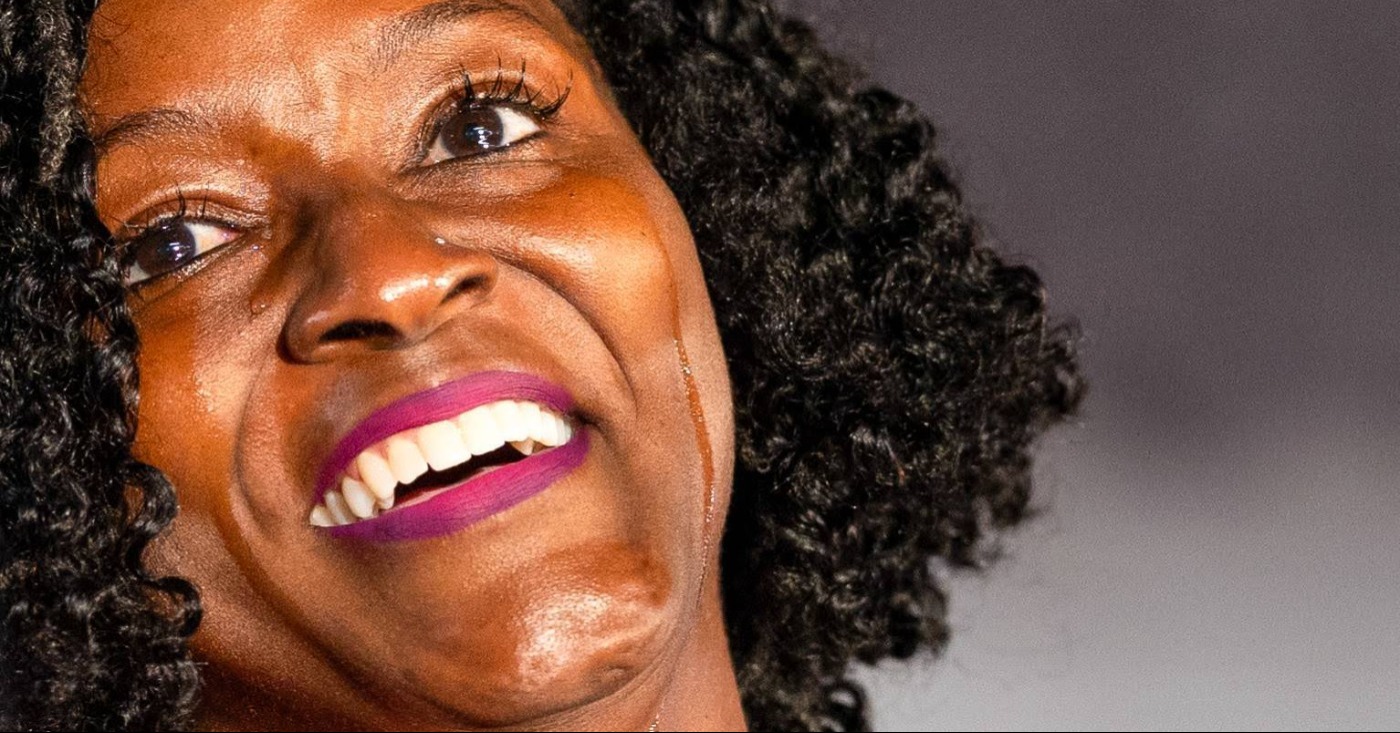
A Black woman from the heart of Moncrief earned the support of more than 3 million Floridians this election season.
Angie Nixon did not become the first Jacksonville resident to serve in the U.S. Senate since 1936.
At least not yet.
The 42-year-old organizer, small business owner, politician and mother says she will challenge Senator-elect Ashley Moody in 2028.
“I’m disappointed in the outcome, but I’m ready to get back to work – everyone is – because we’re going to make sure that Ashley Moody is held accountable for making sure that people have access to quality healthcare, a roof over their head, food on the table, and trying to lower these costs,” Nixon said on Tuesday night. “So, I’m OK. I’m not happy with the outcome, but I’m ready to get to work.”
That fact that Nixon came so close can only be attributed to the scores of Black women who supported her campaign.
Some were on staff, others volunteered, tens of thousands more voted for the former state representative who has used her bullhorn to bulldoze through staid situations in Tallahassee.
A Black woman has never won statewide office in Florida. Nixon’s 50-48 loss to Moody means it still hasn’t happened.
Not many politicians would walk onto a stage after losing a statewide race playing Bonecrusher’s “Never Scared”.
Nixon faced racist attacks from an advisor to President Donald Trump. Nazi rhetoric was used on Fox News to describe Nixon’s supporters. Yet, they traversed the state – from Marathon to Marianna; from Sarasota to South Florida – connecting with voters.
The forlorn, yet hopeful faces of so many Black women in the audience said more than their words could muster. Some were pastors, others were elected officials. One, Sandra Thompson, attended the March on Washington for Jobs and Freedom in 1963.
Thompson spent Election Day providing information to voters outside the Legends Center in Sherwood.
“It’s a very important election,” Thompson said. “We are electing our new leaders: the governor, a senator, and the House of Representatives. We need to get it right.”
If Thompson’s presence at Nixon’s campaign party was any indicator, people did not get it right.
Despite the chance to send a Jacksonville native to the U.S. Senate, hundreds of thousands of Duval County voters did not cast a ballot this year.
Preliminary data from the Duval County Supervisor of Elections shows only 55 percent of eligible voters participated this year.
Felicia Demps was not going to miss this election season. She brought five of her grandchildren with her inside the polling booth.
“They came home, and their teacher said, ‘We need to vote.’ I said, ‘Well, let’s go!”
Demps says she is a reliable Democrat who supported lowering property taxes, supported the 1-mil tax extension for Duval County Public Schools, and cares about community.
“Everyone needs to get together. Everyone wants the streets fixed until it’s time to vote,” Demps said. “The most important thing is: we want these things; but we won’t get out and vote.”
This year’s turnout is better than 2022, when Gov. Ron DeSantis won re-election for fun. But it’s lower than the 63 percent of Duval voters who turned out – many of whom hoped Andrew Gillum would become Florida’s first Black governor.
Black women were at the heart of the local effort to inform and motivate voters.
Cortina Floyd spent three hours waving signs along Moncrief Road ahead of the Northwest Classic football game between Raines and Ribault. Floyd and her Sigma Gamma Rho Sorority, Inc. sisters were among the nearly 50 people who sported Black Greek-letter organizations and informed voters last week.
“As a Black educator, I feel it’s important for me to do my civic duty,” Floyd said.
Exit polling indicates Black women in Jacksonville, in Florida and beyond, did their civic duty.
Afterward, girls of all ages danced on stage after the Associated Press called Florida’s Senate race in Moody’s favor. As they danced, they were unencumbered by the burdens and expectations that are placed on the bodies, minds, and souls of Black girls.
The organizer who lives on the Northside, in a household with multiple union members, says it was not her dream to run for the U.S. Senate. But the woman who openly invoked Shirley Chisholm and Fannie Lou Hamer on the campaign trail committed to doing what she could to help the next generation of girls.
“It’s not necessarily a dream personally. I just want to help people,” Nixon said on Tuesday night. “I wanted to make sure that we’re improving their lives. But the young people that came up to me tonight, they’re excited. They’re ready to continue to do the work and ready to, actually, build a better vision for their future. I’m all hands on deck with them, helping them grow as leaders and helping register more voters so that we can actually win.”
Black History
MHU Commemorates ASCORE and Anniversary of Desegregation
THE URBAN NEWS — UNC Asheville and Mars Hill University are collaborating to host a series of commemorative events marking the 65th anniversary of their desegregation. The programming honors Etta Mae Whitner Patterson and Oralene Anderson Graves Simmons, two former members of the Asheville Student Committee on Racial Equality (ASCORE) who became the first Black students at their respective institutions in 1961.
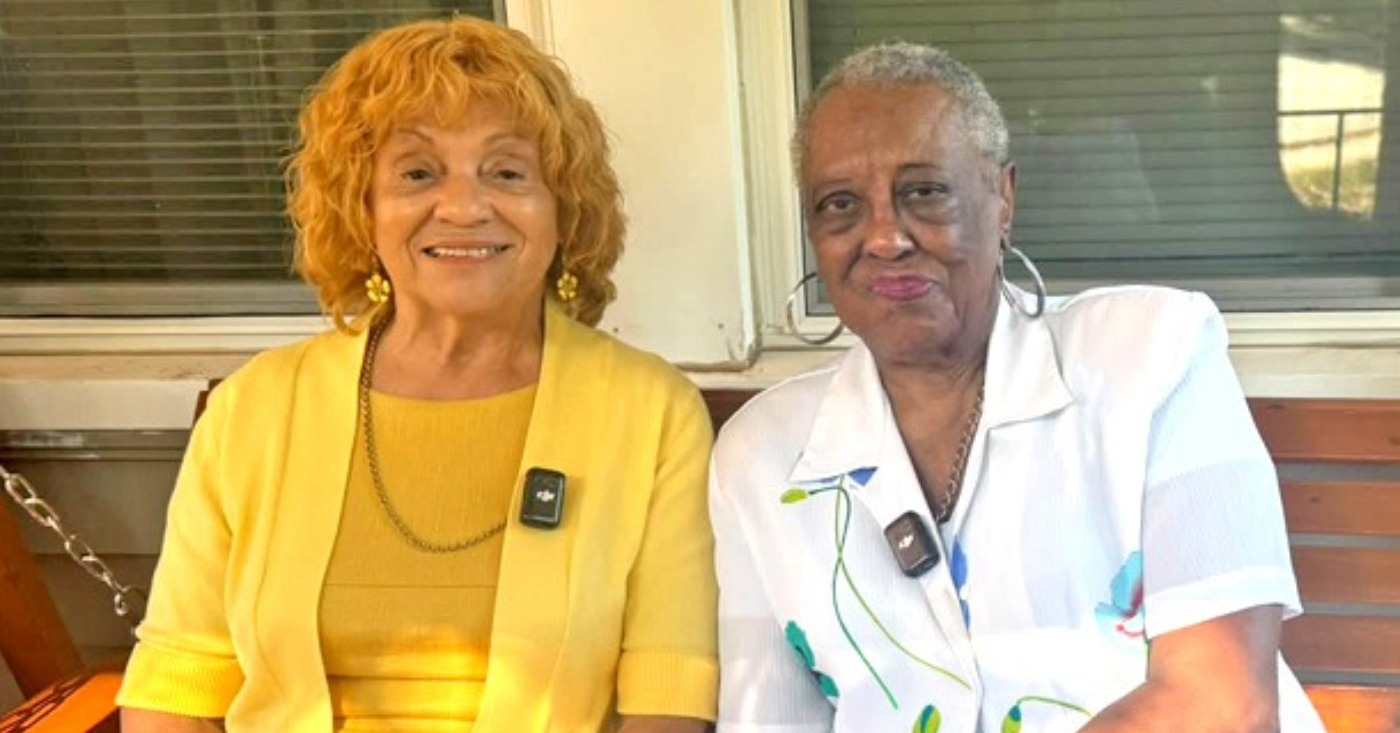
A week of events at UNC Asheville, Mars Hill University, and downtown Asheville.
In 1961, two young women broke the color barrier to become the first African American students at two Western North Carolina colleges: Etta Mae Whitner Patterson at UNC Asheville and Oralene Anderson Graves Simmons at Mars Hill University (then Mars Hill College).
Both women were students at Asheville’s Stephens-Lee High School, where they were members of the Asheville Student Committee on Racial Equality (ASCORE). Through nonviolent protest, ASCORE led efforts to desegregate many Asheville stores and businesses.
Patterson and Simmons, who later founded the Martin Luther King Jr. Association of Asheville and Buncombe County, have since received honorary doctorates from their alma maters in recognition of their achievements and lifelong service to their communities.
To commemorate ASCORE, honor the leadership of Etta Patterson and Oralene Simmons, and mark the 65th anniversary of the desegregation of UNC Asheville and Mars Hill University, UNC Asheville’s Department of History and Mars Hill University’s Liston B. Ramsey Center for Appalachian Studies invite the public to attend “Stories of ASCORE: Lessons in Courage, Desegregation, and Community Activism.”
The program will feature two panel discussions with Drs. Patterson and Simmons, along with other former members of ASCORE. Panelists will discuss how their experiences integrating Asheville’s businesses and institutions prepared them for their college careers, professional lives, and continued community activism.
The first panel discussion will take place at 6 p.m. on Tuesday, November 10, 2026, in the Blue Ridge Room of Highsmith Union at UNC Asheville. The event will feature a presentation by Dr. Patterson and a panel discussion with Dr. Simmons, Marvin Chambers, Jesse Ray, and Al Whitesides. The panel will be moderated by Deborah Miles, retired director of the former UNC Asheville Center for Diversity Education.
This event is sponsored by UNC Asheville’s Department of History and Africana Studies Program, with generous support from King and Pam Prather. A free visitor parking permit is required for the UNC Asheville event. Please visit the university’s parking website for instructions on obtaining a permit for the evening’s program.
The second panel discussion will take place at 5 p.m. on Thursday, November 12, 2026, in the Tony and Terry Floyd Conference Center in the Mars Hill University Campus Center. The event will feature Dr. Simmons, Annette Coleman, and Elizabeth Colton. The panel will be moderated by Jonathan McCoy, professor of history at Mars Hill University.
This event is sponsored by the Liston B. Ramsey Center for Appalachian Studies, with generous support from the university’s Provost’s Office.
In addition, at 12 noon on Wednesday, November 11, 2026, in Pack Square in downtown Asheville, Mayor Esther Manheimer and the Buncombe County Commission Chair will proclaim ASCORE Day and present honors to Etta Patterson and Oralene Simmons. Holly Jones of the North Carolina Governor’s Office will also participate in the ceremony.
For more information, contact Leila Weinstein at Mars Hill University ([email protected]) or Ellen Holmes Pearson at UNC Asheville ([email protected]).
Based on reporting by The Urban News.
Black History
HBCU Love: Spelman’s Dr. Letitia Plummer Makes History as Harris County’s First Black Elected County Judge
TEXAS METRO NEWS — Former Houston City Council member Dr. Letitia Plummer has made history as the first Black person elected to serve as the Harris County Judge. The Spelman College alumna defeated Republican Orlando Sanchez in the general election for Texas’ most populous county, receiving approximately 62% of the vote.
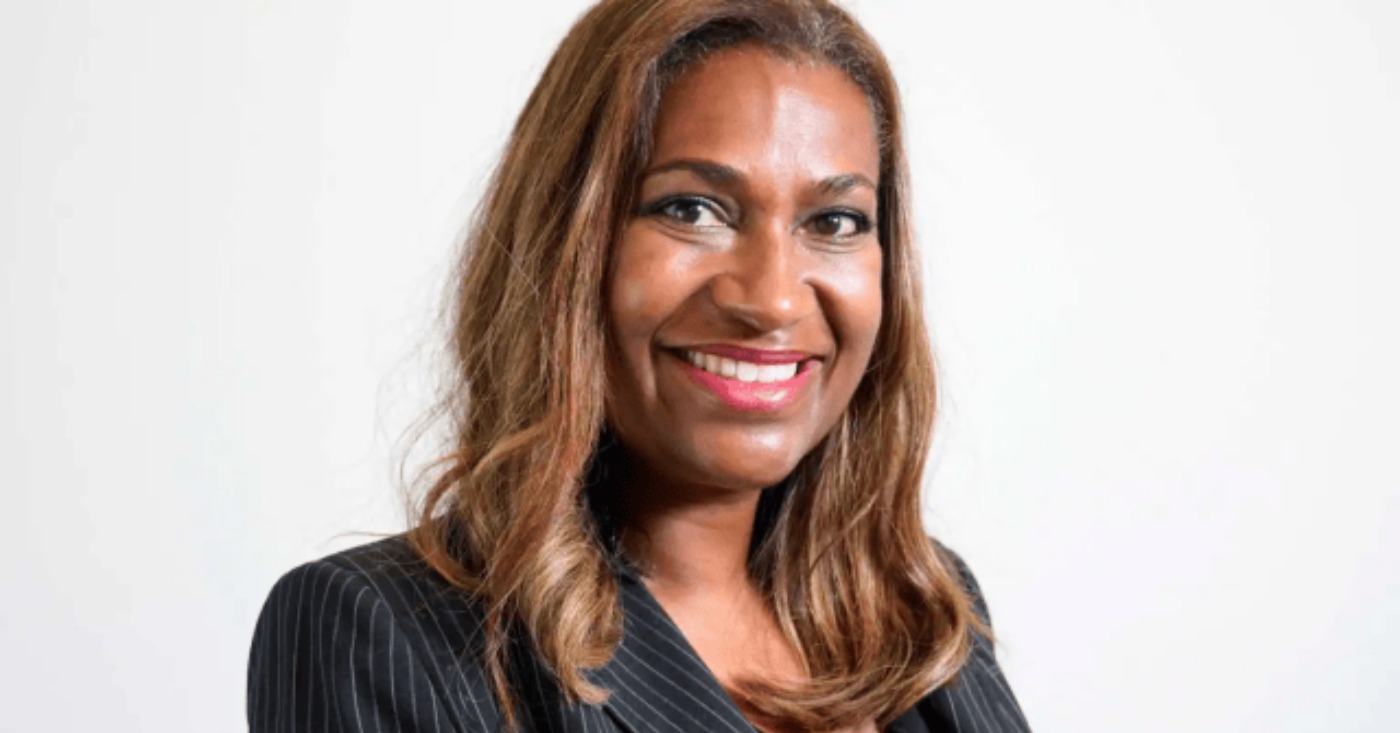
Letitia Plummer is the next Harris County judge, and the Spelman College alumna made history in Texas’ most populous county. On Tuesday night, the former Houston City Council member defeated Republican Orlando Sanchez. As a result, she becomes the first African American elected to lead Harris County.
Early unofficial results showed Plummer with about 62% of the vote to Sanchez’s 38%. Shortly after 9 p.m., Sanchez called Plummer to concede. He then asked his supporters to back her once she takes office.
The win also makes her the first Muslim elected to the post. According to the Houston Chronicle, that makes her the highest-ranking Muslim executive official in Texas history.
A Historic Night in Houston
Plummer succeeds Lina Hidalgo, who chose not to seek another term. Now, a Spelman woman takes over the top job in a county of nearly 5 million people.
ADVERTISEMENT
In Texas, the county judge is not a courtroom role. Instead, the job leads the Commissioners Court, which runs the county’s budget, roads, flood control and public health. So the seat carries real power over daily life in the Houston region.
The general election was never especially close. However, the road to November was brutal. In the March 3 primary, Plummer finished second behind former Houston Mayor Annise Parker. Parker took about 47% to Plummer’s 37%, sending the race to a runoff.
Then Plummer flipped the script. On May 26, she beat Parker in the runoff with about 51% of the vote. From there, she turned to Sanchez and never looked back. Houston Public Media has full coverage of election night.
Letitia Plummer’s Road From Linkwood to Harris County Judge
Plummer grew up in Linkwood, a neighborhood south of Brays Bayou near Buffalo Speedway. Her family history runs deep in Houston. Her grandfather was a Tuskegee Airman flight instructor. After the war, he became the first African American investigator for the Harris County district attorney.
ADVERTISEMENT
Her father, Matthew Plummer Jr., studied dentistry at Harvard. Later, he served in the Peace Corps, where he met her mother in Africa. Her mother brought Yemeni and Indian roots to the family. As a result, Plummer grew up in a multicultural household that shaped her outlook.
As a teen, she attended what is now DeBakey High School for Health Professions. Then she headed to Atlanta for Spelman. There, she joined Alpha Kappa Alpha Sorority, Inc.
After Spelman, she came home to Texas for dental school at Baylor College of Dentistry. Like her father, she became a dentist. She went on to own dental practices in the Houston area, including in Pearland.
From Dental Chair to City Hall
Plummer’s political career started with a 2018 run for Congress. She made the Democratic runoff in Texas’ 22nd District but lost to Sri Preston Kulkarni. Still, the campaign put her on the map.
A year later, she won Houston City Council At-Large Position 4. She took office in January 2020. In doing so, she became the first Muslim woman elected to the Council.
On the Council, she focused on police reform, food deserts and apartment inspections. She also chaired the Government Operations Committee. Notably, fellow Spelman alumna Carolyn Evans-Shabazz served alongside her on the Council.
In 2025, she launched her campaign for county judge. Then she timed her exit from the Council so the city could fill her seat during a regular election. That move saved Houston the cost of a standalone special election.
What She Ran On
Plummer pitched herself as a unifier for a Commissioners Court that has often split along party lines. She promised to build stronger working relationships among its members.
She also called for better county services and changes to the county’s Flock camera contract. In addition, she pushed back on state leaders for exerting authority over Harris County.
On election night, she spoke about her personal struggles with surrogacy. She said that experience helped inspire her decision to run.
Why Letitia Plummer’s Win Matters for Spelman
Spelman women had a big night across the country Tuesday. In New York, alumna Adrienne Adams won the lieutenant governor’s race. Now Plummer will run one of the largest counties in America.
Together, the wins show how far the Spelman network reaches in politics. Both women built careers outside government before winning office. And both broke barriers on the way up. For more on the school, check out our Spelman College coverage. You can also follow our Keisha Lance Bottoms coverage for more HBCU wins from election night.
What Comes Next
Plummer will take office in January. Between now and then, she will build her team and prepare for the county budget fight. For more on her path, the Houston Chronicle tracked her rise through a political roller coaster year.
Stay with HBCU Buzz for continued coverage of Harris County Judge-elect Letitia Plummer as she prepares to take office.
In this article:HBCU LOVE, Letitia Plummer, Spelman’s Dr. Letitia Plummer Makes History as Harris County’s First Black Elected County Judge
Based on reporting by Texas Metro News.
Black History
Jason Driver Named St. Louis Public Library CEO
ST. LOUIS AMERICAN — The St. Louis Public Library has appointed Jason Driver as its next chief executive officer following a national search. Driver, a veteran administrator with 27 years of experience, currently leads the Kitsap Regional Library in Washington and previously served in several roles at the Chicago Public Library. He is scheduled to take over the 15-location system on January 4, succeeding longtime leader Waller McGuire. The appointment follows a period of notable activity for the system and recent management discussions in Driver’s current role. Read more.
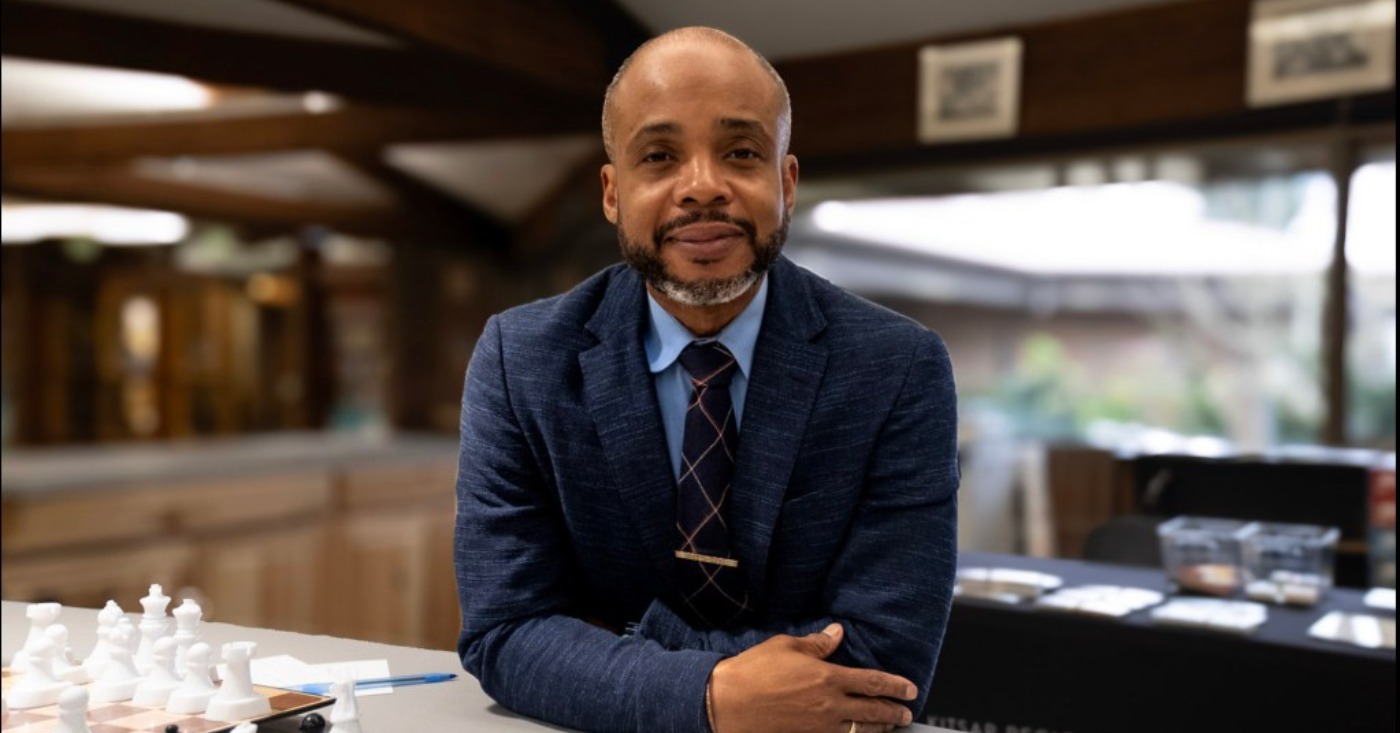
Jason Driver, a veteran library administrator with more than 27 years of experience, has been named the next chief executive officer of the St. Louis Public Library, taking over a 15-location system that serves more than 135,000 active cardholders.
Driver, who has led Kitsap Regional Library in the state of Washington since 2022, will begin his new position Jan. 4, succeeding Waller McGuire, who retired in October after 37 years with the St. Louis library system, including 22 years as its leader.
The appointment follows a national search and comes after the St. Louis system was named Missouri’s 2026 Library of the Year, in part for its response to the devastating May 2025 tornado. The library helped residents during the recovery, including through a tool-lending program established to assist with home repairs.
Driver told Sarah Fenske of St. Louis Magazine that he has no immediate plans to overhaul the system, which he described as a “well-oiled machine.”
“I’m a firm believer in one needing to follow before they can lead,” he said.
He plans to spend time learning from employees and the library board before deciding what changes might be needed.
Driver, a Chicago native, began his career working with young people in foster care through the Illinois Department of Children and Family Services. He later joined the Chicago Public Library, where he held positions ranging from children’s librarian and early literacy specialist to branch manager, regional director and district chief.
At Kitsap, Driver has overseen strategic planning, finances, communications and public services for a nine-branch system.
His selection follows several months of workplace controversy there, where union-represented employees questioned his management practices.
The Washington Public Employees Association raised concerns in May about communication, personnel decisions and branch closures. Union members later voted no confidence in Driver and called for his removal, according to reporting by Kitsap News Group.
A three-month independent investigation did not substantiate allegations of unlawful gender discrimination, retaliation or misconduct violating library policies. The Kitsap library board supported Driver’s continued leadership but acknowledged that communication, trust and workplace relationships needed improvement.
The board also said some employee concerns involving labor relations, collective bargaining and working conditions fell outside the investigation’s scope.
Driver told St. Louis Magazine he respected the union’s right to raise concerns and viewed the experience as an opportunity to improve communication.
“I definitely embrace the union to be able to have that pathway to speak out when there are things that they don’t agree with,” he said.
The St. Louis Public Library board independently confirmed the investigation’s findings with Kitsap trustees before hiring Driver, according to the St. Louis Business Journal.
“After a national search, the Board of Directors believes we have found in Jason an outstanding leader with the vision and experience to lead SLPL forward,” board President Nina North-Murphy said in a statement.
Driver will receive an annual salary of $240,000, the Business Journal reported.
Driver said returning to an urban library system was among the attractions of the St. Louis position. His background in social services, he said, helped prepare him to work with people from a wide range of circumstances.
“I felt like the background I had in social services really helped me to deal with some of the things we deal with in urban libraries,” he told Fenske.
He said libraries offer opportunities to serve people who might otherwise face barriers to accessing community resources.
“St. Louis is a wonderful city, it has a strong library core, and it certainly has a number of opportunities to dig in and help advance the mission and help the people of St. Louis,” Driver said.
The post Jason Driver named St. Louis Public Library CEO appeared first on St. Louis American.
Based on reporting by St. Louis American.
Black History
Superb Woman: Destiny B. Sadler
TEXAS METRO NEWS — Destiny B. Sadler is a dynamic entrepreneur and empowerment coach who serves as a Top Executive with the global beauty brand LimeLife by Alcone. A graduate of Southern University, Sadler leverages her background in leadership and community impact to mentor others on the transformative power of confidence.
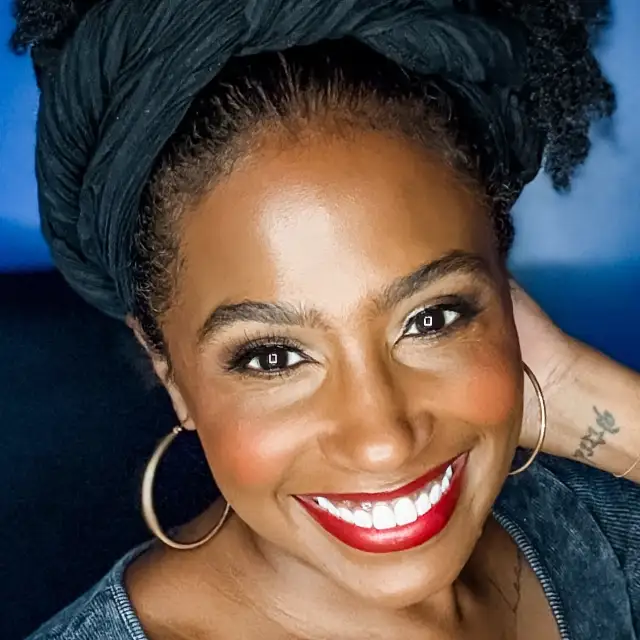
Destiny B. Sadler is a dynamic entrepreneur, digital creator, and empowerment coach dedicated to helping individuals look, feel, and live at their absolute best. With a background rooted in leadership and community impact, she serves as a Top Executive with the global beauty brand LimeLife by Alcone, where she mentors a growing network of beauty guides and champions the transformative power of confidence.
Driven by a passion for personal development and education, Destiny founded YSTBYOU and You’re Simply the Best Kids, an educational services organization focused on building foundational confidence and leadership skills in youth. She’s a graduate of Lamar High School and Southern University. Destiny’s life work centers on a simple, powerful philosophy: embracing who you are is the ultimate key to success.
Based on reporting by Texas Metro News.


2027 Nissan Frontier PRO-4X: Is the Seat Too Low? #shorts

Frontier PRO-4X Off-Road Features That Make Rough Terrain Easier #shorts

How Electric Vehicles Work: Motors, Batteries, and EV Basics #shorts

What Black Houston did on November 3

Wanna hold election winners accountable? Do this:

Is the 2027 Chevy Bolt RS Worth $38,940? #shorts
Ballots, Black Press & Veterans: Voices That Matter!

Ayanna Pressley Calls for Action 📱

Ayanna Pressley Calls for Action

Rear Seat Legroom Test: Will Adults Fit Comfortably? #shorts

Practitioners of African Traditional Spirituality Offer Ancestral Reverence Ritual Oct. 31

Tamiko Armstead | 2026 Lifetime Achiever in Education

HISTORY MADE: Keisha Lance Bottoms Becomes First Black Woman Elected Governor in American History

OP-ED: The Black Church Writes AI’s Next Chapter

Inside 820 S. Michigan: New Book Captures the Lost World of Ebony and Jet

OP-ED: If the ‘Cornell 7’ Were Black Men at an HBCU — America Wouldn’t Be This Sympathetic

Kickstarter CEO Everette Taylor Shares Tips on Creating and Growing a Business

While Black Families Pay More for Power, Some Attorneys General Fight to Save High-Cost Coal

BLACK MEN VOTE: Mobilizing 100,000 Black Men Ahead of the Midterms 📱

NFN live presents 🎙️ THE ROAD TO BEYOND IWDM 50: WE CANNOT STOP NOW! 8-Week Podcast
2027 Nissan Frontier PRO-4X: Is the Seat Too Low? #shorts
Frontier PRO-4X Off-Road Features That Make Rough Terrain Easier #shorts
How Electric Vehicles Work: Motors, Batteries, and EV Basics #shorts
What Black Houston did on November 3
Wanna hold election winners accountable? Do this:
Is the 2027 Chevy Bolt RS Worth $38,940? #shorts
Ayanna Pressley Calls for Action 📱
Ayanna Pressley Calls for Action
Rear Seat Legroom Test: Will Adults Fit Comfortably? #shorts

L I V E | Scott Colom Speaks for the First Time as Mississippi’s Senator-Elect | Tougaloo College
-
 Black History1 week ago
HISTORY MADE: Keisha Lance Bottoms Becomes First Black Woman Elected Governor in American History
-
 Black History1 week ago
Christianity’s Racial History
-

 Black History1 week ago
Michael Shiner: The Enslaved Man Who Wrote His Way into American History
-

 Black History1 week ago
Five Hospitals Said No! Who Will Help Annette Henry Recover?
-
 Black History1 week ago
Hundreds of Black Christian Leaders Arriving in Israel for Martin Luther King-Inspired Mission
-
 Black History5 days ago
Keisha Lance Bottoms to Govern State Where Her Great-Great-Grandfather Was Enslaved
