
Health
Dyslexia Unrelated to Eye Sight, Study Says


A child suffering from Dyslexia (AP Photo)
BRISTOL, England (UPI) – Dyslexia is not connected to bad eyesight, according to a study which found that many patients had near-perfect vision at the same rates as people who are not dyslexic.
Researchers reviewed eye tests for 5,822 children between age 7 and 9, comparing the results from 172 severely dyslexic children to 5,650 who either were mildly dyslexic or not dyslexic at all, and found no great deviation between the two groups.
Most of the dyslexic children, they found, had perfect vision based on the tests. Results of specific tests for 3-D vision and image fusing – the combination of images from both eyes into one vision — were also nearly identical between children with dyslexia and those without.
The study is the first of its kind to consider data from such a large number of people.







Black Press
Experts Convene to Make the ‘Early Connections’ that Matter for Children’s Health, Learning
BLACKPRESSUSA NEWSWIRE — “Early Connections: Building Bridges for Brighter Futures,” was hosted by the Equity Research Action Coalition at UNC’s Frank Porter Graham (FPG) Child Development Institute, along with several partners, including the state Division of Child Development and Early Education and UNC’s Department of Maternal and Child Health.
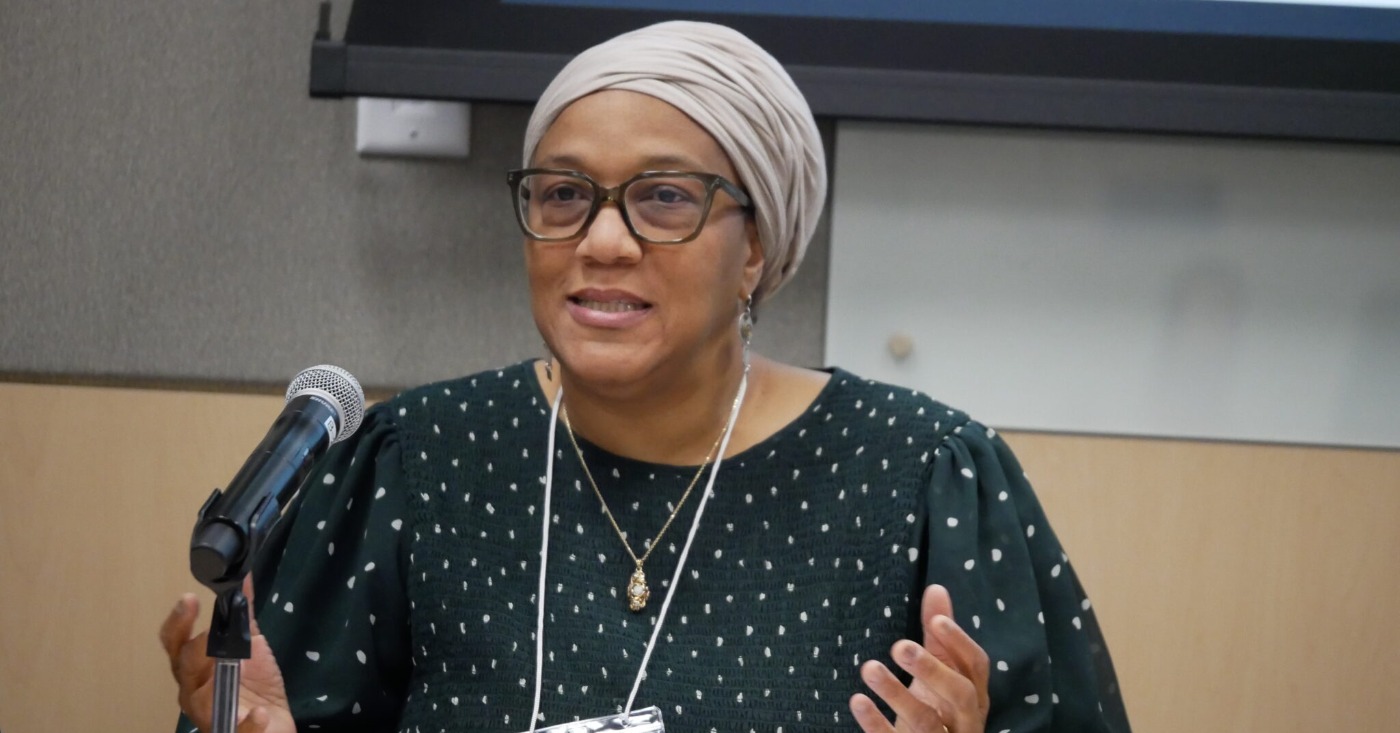
As children enter the world, research says the level of support babies, mothers, and families receive makes a lasting impact on children’s health and well-being.
“The bonds formed in the earliest years between caregivers and children, between families and communities, between systems and the people that they serve really shape a lifetime of well-being,” said Alessandra Bazzano, chair of University of North Carolina-Chapel Hill’s Department of Maternal and Child Health at a conference held at the university.
Yet too often, services during pregnancy and through the early years of life are fragmented — or nonexistent — advocates, researchers, and practitioners said at the event.
“Early Connections: Building Bridges for Brighter Futures,” was hosted by the Equity Research Action Coalition at UNC’s Frank Porter Graham (FPG) Child Development Institute, along with several partners, including the state Division of Child Development and Early Education and UNC’s Department of Maternal and Child Health. It convened leaders across policy, philanthropy, research, advocacy, and practice with the goal of creating new partnerships that better serve young children and families.
“We must ensure that there’s a through line from healthy pregnancies and births to infancy to entry into high-quality early childhood education settings, because we know that the first three years of life is essential and important for healthy brain development,” said Brian Boyd, director of the FPG Institute.
Iheoma Iruka, director of the Equity Research Action Coalition, planned the event to bring together individuals and agencies that are not often in conversation yet serve the same communities, including experts on early care and education and infant and maternal health.
Building authentic and new relationships matters now more than ever, Iruka said.
“We are living through a moment of profound change — from climate change and natural disasters, to the rapid rise of artificial intelligence, to shifting global relationships and increasingly complex interdependence across communities, institutions, and nations,” Iruka said. “These changes bring real opportunities for innovation, for collaboration, and for addressing longstanding inequities, but they also bring tension, uncertainty, and difficult questions and conversations.”
‘Prenatal care makes a difference’
During pregnancy, the services available to mothers and families vary widely.
Many mothers, especially in rural areas, struggle to access prenatal care and must drive far from their homes to reach hospitals to give birth. About 28% of mothers in 2024 did not receive prenatal care in the first trimester of their pregnancies, according to the North Carolina Maternal and Infant Health Dashboard.
“Prenatal care makes a difference — making sure that they are educated during those visits, that you talk about nutrition, that you talk about hydration and proper exercise, that you get into what kind of food do you have in your cabinet at the house,” said Tina Braimah, director of Aya Birth & Community Wellness in Durham and a panelist at the convening.
Thirteen counties in northeastern North Carolina have no hospital, according to an investigation published by Carolina Public Press on the “the desertification of women’s health care in rural counties.” The region experienced a net loss of 11 delivery rooms from 2013 to 2023. In the far western part of the state, five counties have no hospital, and the region had a net loss of 13 delivery rooms over the same period.
These gaps in access show up in babies’ birth outcomes, several experts at the convening said. North Carolina had the 18th highest infant morality rate in the country in 2024, and mortality rates are uneven across race.
Black babies were nearly three times more likely to die in the first year of life than white babies in 2024. Black mothers were 1.6 times more likely to die from a cause related to their pregnancies than white mothers in 2018 and 2019, according to a February 2024 report from the North Carolina Maternal Mortality Review Committee.
“That ought to be a great concern to all of us,” said Sen. Jim Burgin, R-Harnett, on the racial disparities in infant mortality. Burgin, a panelist at the convening, has advocated for maternal and infant health efforts at the state legislature.
“One of the goals I set was to reduce infant mortality in the Black community by half, and I don’t see that happening,” Burgin said. “So you all need to tell us what we need to do.”
Improving maternal and infant health requires ensuring families’ basic needs are met, Braimah said.
“The other part of it is making sure they have everything they need — that they’re not stressed out, that you have access to medicine … that you have access to food,” she said. “It’s about so much more than just the prenatal care and having a baby.”
Transforming rural maternal health
Researchers from North Carolina Central University’s Center for Health Disparities Research shared several efforts to link families, particularly those in marginalized communities, with research and services that improve their health.
For example, the university’s Rural Health Hub, based in Halifax County, launched a Community-Based Doula Program in 2025 that trains individuals from rural northeastern counties to work as doulas in their communities. The program has graduated 22 doulas, 18 of whom are focused in northeastern counties, with another cohort planned this year.
“Our goal is definitely to be able to utilize this program as a means and a way to help transform maternal health outcomes across rural North Carolina,” said Undi Hoffler, director for the Office of Research Compliance and Technology Transfer at NC Central. “We’re starting in the northeast, but we hopefully will be expanding widely.”
The hub provides scholarships for those who already live in the counties in which they will provide doula services.
“We are also establishing trust, because these are people that you see in the grocery store, you go to church with, you work with, and so there’s a relationship already there,” Hoffler said.
The researchers said their efforts are informed by the families and communities they serve.
“We don’t want to just work on the community, we want to work with the community, and that’s our role,” said Seronda Robinson, an epidemiologist. Robinson leads a “Community Engagement Core,” a team that “serves as the bridge between researchers and the communities most affected by health disparities,” according to its website. “The CEC ensures that community voices inform every stage of research.”
Professionals shaping policy and systems need to do a better job of listening to and learning from the experiences, needs, and assets of marginalized communities, several speakers said at the conference.
“We gain truth when we center families and their experiences,” said Devonya Govan-Hunt, executive director of Black Child Development Carolinas, an advocacy nonprofit.
Licensed child care programs are meeting about 55% of the potential need, according to a national analysis from Child Care Trust, and rural communities are particularly struggling.
Black Press
OP-ED: America’s Healthcare System Isn’t Sustainable. What Would a Better Alternative Look Like?
BLACKPRESSUSA NEWSWIRE — Rather than waiting for Washington to impose changes from the top down, it’d be far better for patients, providers, insurers, employers, drug companies, and pharmacy benefit managers to work together now — to reimagine, and ultimately redesign, the system with a shared vision.

Virtually no one in America is satisfied with the healthcare status quo. Not doctors. Not hospital executives. Not drug or insurance company leaders. And most certainly not patients.
This nearly universal anger is setting the stage for seismic reforms. Policymakers in both parties are planning ambitious healthcare overhauls.
Rather than waiting for Washington to impose changes from the top down, it’d be far better for patients, providers, insurers, employers, drug companies, and pharmacy benefit managers to work together now — to reimagine, and ultimately redesign, the system with a shared vision.
America boasts the most talented doctors and best hospitals in the world. Our researchers develop the lion’s share of new medicines. And far more of those treatments are available here than in other peer nations, at least in theory.
Yet despite all these advantages, our current healthcare system fails to deliver the outcomes that matter most to families — because it was simply never designed to do so. We often cannot agree on what healthcare should ultimately accomplish, which outcomes matter most, or what tradeoffs we are willing to tolerate.
In the absence of this shared understanding, companies default to prioritizing their own short-term finances — even if that’s not in the long-term interests of patients, families, or society.
For instance, consider the dilemma facing health insurers. Americans frequently bounce from insurer to insurer as they change jobs, move states, retire and enroll in Medicare, or simply select new plans that better fit their needs.
So even when an expensive treatment would clearly improve a patient’s health and prevent future complications, the insurer or employer that shoulders the upfront cost likely will not reap the eventual savings.
Consider the dilemma posed by gene therapies, which target the underlying genetic malfunctions and mutations that cause certain diseases.
In many cases, a one-time dose of these therapies can completely cure a patient’s disease for life — and prevent millions of dollars in spending on hospitalizations and other care down the road. Multiple gene therapies are cost-effective, even with price tags exceeding $1 million.
In all likelihood, insurers that cover these therapies will see only a fraction of the return before patients switch plans. They therefore have a strong incentive to limit access, even when everyone agrees these treatments offer good value over a lifetime.
This behavior makes perfect sense from the perspective of an individual insurer or employer. But it makes no sense for society as a whole.
We need a genuinely market-based system in which providers, drug companies, and insurers can transparently compete for customers on both price and quality.
And that competition cannot happen unless we first adopt new valuation metrics to better understand the full costs and benefits of different treatments and care models — and then redesign payment and insurance rules so that organizations are rewarded, rather than penalized, for investing in patients’ long-term health.
The question is whether stakeholders can set aside their differences, agree on a shared definition of success, and implement reforms that improve patients’ long-term physical, mental, and financial health.
If they cannot, Washington will eventually impose changes from above.
Marc Boutin, J.D., a three-time cancer survivor and caregiver, is president and CEO of IVI and previously served as CEO of the National Health Council, where he led policy initiatives that helped shape national health care reform. This column originally appeared at DCJournal.com
Black Press
OP-ED: If Food Is Medicine, Teach Doctors How to Prescribe It
BLACKPRESSUSA NEWSWIRE — Since diet is first-line therapy for many of the most common chronic diseases afflicting Americans, physicians should be as comfortable evaluating nutrition evidence as they are interpreting the science behind the medications they prescribe. That starts with understanding how nutrition research differs from many other areas of medicine.

The Department of Health and Human Services recently announced an initiative to improve nutrition education across every stage of physician education and training. As part of the effort, dozens of medical schools have pledged to include 40 hours of nutrition training — or a competency-based equivalent — in their graduation requirements.
Those pledges target a longstanding gap. Medical schools currently devote less than 1% of lecture hours to nutrition, and until recently, roughly three-quarters of schools didn’t require a dedicated nutrition course.
As a cardiologist, I welcome this initiative.
But adding hours alone won’t be enough. More nutrition education won’t meaningfully improve our nation’s chronic disease crisis unless medical schools also rethink what they teach. For decades, medical and dietetic societies — even the government — have promoted similar dietary guidance, yet metabolic disease continues to rise.
Rather than repeat the same nutrition mantra, schools should focus on two priorities: teaching physicians how to evaluate nutrition evidence and translate it into individualized patient care.
Since diet is first-line therapy for many of the most common chronic diseases afflicting Americans, physicians should be as comfortable evaluating nutrition evidence as they are interpreting the science behind the medications they prescribe. That starts with understanding how nutrition research differs from many other areas of medicine.
A conventional drug trial can often isolate a single intervention and compare it with a placebo under tightly controlled conditions. Nutrition rarely fits that model.
Nutrition science therefore relies on observational studies, controlled feeding trials, mechanistic research, and clinical interventions.
Medical schools must teach future physicians how to weigh these different forms of evidence and understand what each study design can — and cannot — tell them.
Evaluating the evidence is only half the job — physicians also need to know how to apply it to the patient in front of them.
For decades, major medical groups have recommended a one-size-fits-all approach to healthy eating: reduce saturated fat, increase whole grains, eat less, and move more. But that conventional advice has failed to stem the rise of metabolic disease.
Today, approximately 90% of Americans show at least one sign of suboptimal metabolic health, while obesity and type 2 diabetes have steadily increased. It’s increasingly clear that a dietary strategy that works for a metabolically healthy patient may not be the best starting point for someone whose body is struggling to regulate glucose and insulin.
Future physicians need a toolkit that recognizes a range of evidence-based dietary approaches. For instance, research routinely shows that low-carbohydrate and ketogenic diets can improve glycemic control, weight, and other metabolic markers for many patients. Mediterranean-style or plant-based dietary patterns that emphasize whole, nutrient-dense foods can also offer benefits.
Medical schools must therefore teach future physicians how to match the right strategy to the right patient.
With this initiative, HHS has created an opportunity to rethink nutrition education for the next generation of physicians. Now it’s up to policymakers and accrediting bodies to ensure that the new requirements define competencies, not merely hours.
Get that right, and those 40 hours can produce better doctors — and healthier Americans.
Bret Scher, MD, is a board-certified cardiologist and lipidologist, and the founding medical director of the Coalition for Metabolic Health.
Black Press
Mom Com & Co Is Building a Village for DFW Mothers, One Connection at a Time
THE DALLAS WEEKLY — Founder Jordan Thompson is transforming the landscape of motherhood in the Dallas-Fort Worth area through her new initiative, Mom Com & Co. Inspired by her own feelings of isolation during pregnancy, Thompson created the organization to provide “child-inclusive” spaces where mothers can connect without the fear of judgment or the need for childcare.
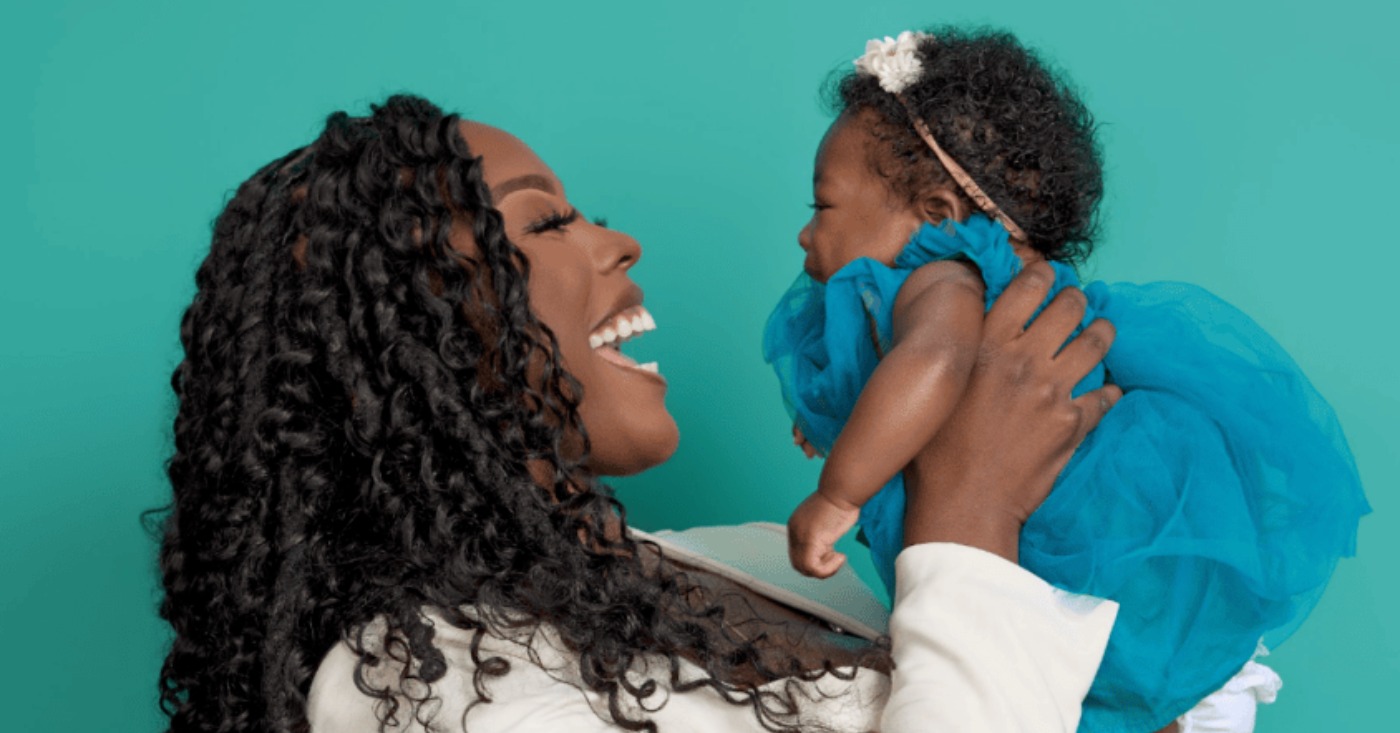
Founder Jordan Thompson’s launch social made room for babies, honest connection and the women navigating motherhood together.
During a doula-led stretch session at Mom Com & Co’s launch social, one mother paused to feed her baby. Founder Jordan Thompson held her own sleeping daughter in her arms. The gathering continued without anyone missing a beat.
For Thompson, that moment captured exactly what she wanted to create: a space where mothers could enjoy themselves with their children’s needs fully welcomed.
“That’s what child-inclusive means: no judgment, and no feeling embarrassed for bringing your baby along,” Thompson said to Dallas Weekly.

The launch introduced her vision for Mom Com & Co, a community connecting mothers across Dallas–Fort Worth through intentional gatherings and ongoing support. Its name carries the mission: “Com” stands for community. And while the social offered thoughtful touches, from grazing boxes to a signature mocktail, Thompson’s measure of success was more personal. According to the founder, every mother left with at least one new contact.
For someone who once searched for answers about pregnancy alone at 4 a.m., those connections represent the beginning of the village she had been looking for.
Thompson recalls attending some prenatal appointments by herself and spending early mornings online trying to understand what was happening inside her body. Early in her pregnancy, she did not have a connection to a doula and had to research how to find one.
Those experiences helped her recognize the kind of support she wanted: people willing to sit with a mother through difficult moments, along with knowledgeable guidance during pregnancy and recovery.
“Funny enough, the name Mom Com & Co came to me at 4 a.m. too,” Thompson said. “That hour used to be the loneliest part of my night. Now it’s where all of this began.”
Motherhood also brought an unexpected desire to heal and connect. The joy she found with her daughter made her want to bridge the distance between mothers whose circumstances might differ but whose need for dependable support could overlap.
“People assume that if you’re pregnant, you have a partner, and if you have a partner, you have a village,” she said. “There’s an assumption that everyone has a built-in support system. That’s a misconception. Even partnered moms can feel alone.”
Her background producing television and podcasts helped shape how she introduced the community. Thompson describes her career as finding meaningful ways to bring stories to the right audiences. Now, she applies that experience to Mom Com & Co’s marketing while putting particular emphasis on meeting women face to face.
“Marketing can introduce you to a mom. Real connection is what brings her back,” she said.
At the launch, that connection began with an intimate gathering where attendees could learn names, remember one another’s babies and discover whose children were close in age.

Thompson said the mothers arrived with different reasons for seeking community. Some did not have family nearby. One had friends but had entered motherhood later than they had and wanted to meet women raising babies. Another attended after encouragement from her lactation consultant. Another simply needed to get out of the house.
The event gave those different needs room to exist together. Alongside the stretch session, mothers enjoyed desserts and received goodie bags with custom bibs, tumblers and other items. Attendance was free for mothers and babies.
Thompson’s approach to an “elevated” experience is to treat the mother as the guest of honor while planning for her child. She said events are designed around specific age ranges so that babies’ needs are considered in advance.
Before attendees left, she gave them a challenge: exchange phone numbers and make an effort to get to know someone beyond social media.
“It’s kind of like dating, honestly,” Thompson said.
That invitation is central to what she hopes will happen after the gatherings end. A private Facebook group gives mothers a place to continue conversations between events, while future programming will include opportunities to bring their babies, spend time with other women and volunteer.
“A beautiful event opens the door, but the village is built in the follow-up,” she said.
Accessibility is also part of the plan. Thompson said future events will include both free and paid offerings, with partnerships and sponsorships helping support access. She is developing Mom Com Cares, the initiative’s giving arm, which she said has already delivered its first care box to a Texas mother.

Next, Thompson said, Mom Com & Co plans to host Sips & Storytime on Sunday, Dec. 6, at The COACH Coffee Shop in Allen. The shop will open early for the group, and mothers are encouraged to bring a new or gently used book to donate to local families for the holidays.
As the community grows, Thompson imagines its impact showing up in everyday life: two mothers grocery shopping together, an invitation to a baby’s birthday party or a phone call on an ordinary Tuesday.
“That’s success: when the village shows up in the ordinary days, not only the big ones,” she said.
For the mother who wants that connection but feels nervous about walking into a new space, Thompson offers an invitation with room to move at her own pace.
“So come when you’re ready. Come home when you’re ready.”
Learn more at momcomco.app, follow @momcomco on Instagram, Facebook and TikTok, or join the Mom Com & Co Facebook group.
The post Mom Com & Co Is Building a Village for DFW Mothers, One Connection at a Time appeared first on Dallas Weekly.
Based on reporting by The Dallas Weekly.
Black Press
Black Men Encouraged to Start Prostate Cancer Screening at 45
ATLANTA DAILY WORLD — The American Cancer Society has released updated guidelines for prostate cancer screening, emphasizing the need for earlier detection among populations at higher risk. The new recommendations follow a comprehensive modeling study conducted by clinicians, epidemiologists, and patient representatives to evaluate the benefits and harms of PSA-based screening.

Health should be a concern of the highest priority for anyone, and our Black brothers have a special obligation to take care of themselves against prostate cancer.
The American Cancer Society recently made updates to its guidelines for prostate cancer screening in efforts to detect the disease before it spreads. Among the key changes is a recommendation for annual PSA-based screening beginning at 45 years old for Black men due to a culturally recognized high risk.
RELATED:Doctors Need To Talk Through Treatment Options Better For Black Men With Prostate Cancer
Here’s What You Need To Know Now About Prostate Cancer
ACS put together a modeling study to accurately evaluate the benefits and harms of PSA-based screening strategies, made possible through the combined efforts of clinicians, epidemiologists, biostatisticians, and patient representatives.
Take a look below at the core updates made by ACS, via the official press release:
- PSA-based screening every two years for average-risk men aged 50 to 69 years.
- Men at high risk, including Black men and non-Black men with a strong family history of prostate cancer (either a first-degree relative diagnosed before age 65, or multiple first-degree relatives diagnosed at any age), should undergo annual PSA-based screening from age 45 to 69 years.
- Non-Black men with a single first-degree relative diagnosed at age 65 or older should be screened every two years from ages 45 to 69.
- Individualized decision-making on continuing screening is recommended for men aged 70 to 74 years, as the balance of benefits and harms remains uncertain.
- Men with elevated PSA levels (3.0 ng/mL or higher for men aged 45 to 69 years, and 6.5 ng/mL or higher for men aged 70 to 74 years) should undergo repeat PSA testing between two weeks and three months.
- Men with a confirmed elevated PSA should be offered testing by magnetic resonance imaging (MRI) and/or a validated biomarker to guide biopsy decisions.
- Screening is not recommended for men aged 75 years and older. Some men aged 75 to 79 who are very healthy may want to continue screening, especially if their PSA has been rising on previous tests. But this should be discussed with a healthcare provider.
- Screening is not recommended for men aged 80 and older, and for men who are not expected to live another ten years.
- Men diagnosed with prostate cancer that has a low risk of growing or spreading should be offered active surveillance as the initial management option.
The updates were made following contemporary evidence gathered so far in the fight to reduce prostate cancer deaths and diagnoses of advanced-stage disease. According to Dr. William Dahut, chief scientific officer at the American Cancer Society and one of the authors in the study, it all goes back to easing the disease burden, going on to state, “Black men experience a 67% higher incidence and nearly double the mortality rate compared with White men, an inequity that needs immediate reversal.”
Stay educated out here, fellas. Find out more information on screening for prostate cancer by clicking here.
The post Black Men Encouraged To Start Prostate Cancer Screening At 45 appeared first on Atlanta Daily World.
Based on reporting by Atlanta Daily World.
Black History
New NAACP Report Warns AI Could Deepen Health Disparities in Black Communities
The NAACP and Sanofi’s ACE Your Health StoryMap was released during AfroTech 2026, finding that healthcare deserts, broadband gaps, and distrust could keep Black Americans from benefiting from the AI boom in medicine. Read more.

Every day, Americans put about 50 million health questions to Microsoft’s Copilot and Bing. More than eight in 10 physicians say they already use AI in their work and believe that proof of safety for these tools is essential. According to a new NAACP report, the emerging technology has quietly become part of how healthcare gets delivered in this country. But the nation’s largest civil rights organization is warning that Black communities may be at risk of being left behind or even harmed by it.
The NAACP and the pharmaceutical company Sanofi released “AI Fluency is a Challenge on Both Sides of the Exam Room” during the AfroTech Conference 2026 in Houston. It is the third installment of the groups’ ACE Your Health StoryMap series, an interactive, data-driven look at how AI, internet access and long-standing healthcare inequities are shaping the future of health in Black America.
The report warns that new technology does not instantly erase old gaps on its own.
“Too many Black communities continue to face healthcare deserts, provider shortages, clinic closures, inadequate internet access, and concerns about racial bias,” said Dr. Chris T. Pernell, Director of the NAACP Center for Health Equity. “If these gaps remain unaddressed, AI could inadvertently widen existing healthcare disparities instead of helping close them. Equity and fairness must be intentionally designed into the future of healthcare AI from the very beginning, not as patchwork fixes.”
The numbers show why. Nineteen percent of people who use AI for health information say they turned to it because they could not afford to see a provider, according to the report. Black adults are significantly more likely than White adults to use AI for mental health advice.
Meanwhile, the report finds, the health system many Black Americans rely on remains hard to reach. One in three Americans lives in a healthcare desert. In the Mississippi Delta, all 154,000 Black residents live more than 25 miles from a hospital rated four or five stars. About 3.8 million Black Americans live in homes without a broadband subscription, which limits their access to digital health tools and AI-enabled resources. Safety-net providers are likewise concerned about having access to these tools due to limited funding and training in their systems.
Trust may be the toughest barrier, says the NAACP. Nearly two-thirds of Black adults believe racial bias remains a major problem in healthcare, the report found, and one-third expect AI to make that bias worse.
The findings draw on the ACE Your Health initiative, national datasets and input from nearly 23,000 community members across 47 states, the District of Columbia and Puerto Rico. The initiative launched in 2024 as a collaboration between the NAACP and Sanofi, which describes itself as an R&D driven, AI-powered biopharma company. The StoryMap follows the NAACP’s AI White Paper on designing AI for health equity and its Policy Framework for Equitable Health AI.
“Scientific innovation is transforming healthcare in ways that were unimaginable just a few years ago, but innovation must be matched by intentional efforts to expand access, build trust, and address barriers that prevent communities from fully benefiting from these advances,” said Tanisha M. Sullivan, Head of External Engagement & Health Equity Strategy at Sanofi.
She added that pharmaceutical companies should do more than develop breakthrough medicines and technologies. “Pharmaceutical companies have an important role to play, not only in developing breakthrough medicines and technologies, but also in partnering with community organizations, healthcare providers, and policymakers to ensure those innovations reach the people who need them most, ensuring no community gets left behind.”
The report also lays out steps communities can take, including expanding broadband adoption, building AI fluency and digital skills, strengthening community-based health education and advocating for equitable technology policies. It also invites community members to add their voices to the StoryMap.
The full report and other ACE Your Health resources are available at naacp.org.



PRESS ROOM: Governor-Elect Byron Donalds Announces Leadership Team for 2027 One Florida Inauguration

COMMENTARY: Historic Elections Bring Joy to an Embattled Nation

Black Women’s Roundtable Unveils Its First 100 Days Federal Policy Agenda Priorities & Congratulates Congressman Hakeem Jeffries on Historic House Speaker Nomination

Staying Ready: What Every Californian Should Know About Preparing for El Niño

Experts Convene to Make the ‘Early Connections’ that Matter for Children’s Health, Learning

PRESS ROOM: Donalds Transition Website Now Open to All Floridians Who Want to Serve

Delay Motherhood: What you need to know about egg freezing

Car Buying Tips: 5 Steps to Get a Better Deal #shorts

Massive Chevy Tahoe Interior Tour: The Cup Test Challenge #shorts

Scott Colom’s Nike Challenge Goes National, Freshman Democrats Get a Surprise 📱

HISTORY MADE: Keisha Lance Bottoms Becomes First Black Woman Elected Governor in American History

Secretary of State Shirley Weber Pushes Back Against DOJ Demands Over California Voter Rolls

Retirement Triggers Doctor to Pen Book for Young Audience

Capturing Black Life’s Beauty

Multi-Faith Leaders Representing 10 Million People Launch National Anti-Authoritarian Initiative

Christianity’s Racial History

Hundreds of Black Christian Leaders Arriving in Israel for Martin Luther King-Inspired Mission

Oakland Honors 60 Years of the Black Panther Party at the All Power to the People Gala

Message from the Associate Editor: Blindness, Hurts, Cops

Michael Shiner: The Enslaved Man Who Wrote His Way into American History
Delay Motherhood: What you need to know about egg freezing
Car Buying Tips: 5 Steps to Get a Better Deal #shorts
Massive Chevy Tahoe Interior Tour: The Cup Test Challenge #shorts
Scott Colom’s Nike Challenge Goes National, Freshman Democrats Get a Surprise 📱

Scott Colom’s Nike Challenge Goes National, Freshman Democrats Get a Surprise

MLGW offers up to $7,500 per home to help builders connect to the grid

San Diego Black Judges: A Historic Shift on the Bench

She’s Turning Her Ovarian Cancer Story Into a Lifesaving Mission #shorts

Tahoe 15-Inch Head-Up Display: Can You Read It in Sunlight? #shorts

MC Scat Cat: The Story Behind Paula Abdul’s No. 1 Hit #shorts
-

 Black Press1 week ago
OP-ED: Closing the Next Digital Divide — Communities of Color Must Have a Voice in the AI Future
-

 Black History1 week ago
New NAACP Report Warns AI Could Deepen Health Disparities in Black Communities
-

 Black Press7 days ago
COMMENTARY: Thank You, Trump, for Making America Great Again!
-

 Black History1 week ago
“Blue Tsunami” Sweeps Georgia, Bottoms Makes History
-

 Black Press6 days ago
Black Men Encouraged to Start Prostate Cancer Screening at 45
-

 Black Press1 week ago
OP-ED: And Then What?
