
Art
The ultimate review: 2018’s best hip-hop albums
ROLLINGOUT.COM — Through it all, hip-hop didn’t loosen its grip on dominating the charts and R&B bounced back into the discussion of relevance. You could sense something special was happening by the first quarter this year, as the pace of releases accelerated to the point that four or five projects were dropping every Friday. It was the year where veteran emcees returned to the charts, and a new generation cemented its position in the culture

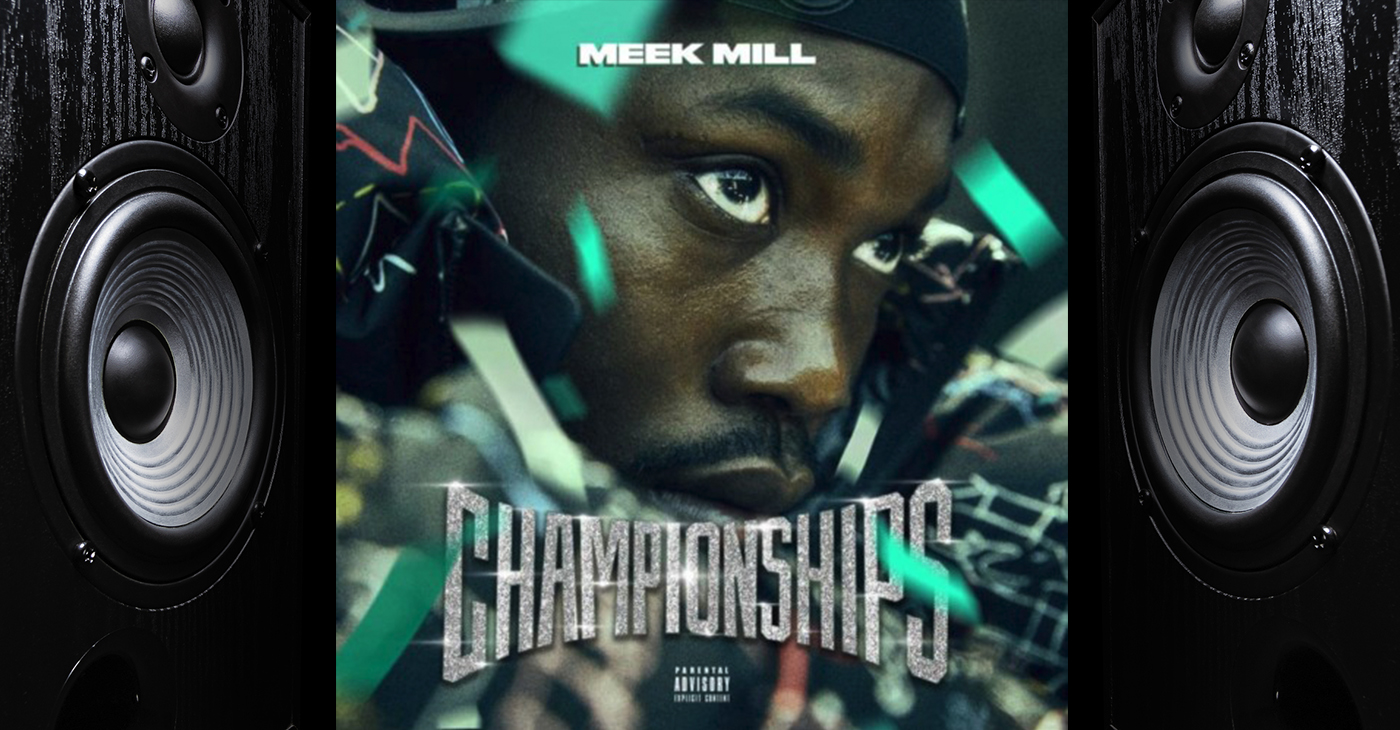

Meek Mill’s album CHAMPIONSHIPS (Photo courtesy of MMG/ Atlantic)
We experienced many memorable musical moments in 2018. For example, Kanye West produced five albums alone but overshadowed them all with his MAGA hat and White House visit; Childish Gambino’s “This is America” video created controversy and dialogue; 6ix9ine trolled his way into jail; Cardi B and Drake each had three No. 1 singles; and the culture lost several artists to death, including Mac Miller and XXXTentacion.
Through it all, hip-hop didn’t loosen its grip on dominating the charts and R&B bounced back into the discussion of relevance. You could sense something special was happening by the first quarter this year, as the pace of releases accelerated to the point that four or five projects were dropping every Friday. It was the year where veteran emcees returned to the charts, and a new generation cemented its position in the culture.
We had close to 100 albums that could have made our list of the year’s best and at least 50 that were really good, but we settled on 30 — that’s how much quality music was released this year.
Counting down from 30 to 1, here is our list of the best for 2018:
30. Jaden Smith – The Sunset Tapes: A Cool Tape Story
Album Releases: Third
City: Malibu, California
Vibe: Smith positioned himself in the artist-of-the-year conversation by releasing three stellar projects in 2018. The Sunset Tapes: A Cool Tape Story is the latest release and arguably the best of the trilogy. The ever-evolving artist delivers his most personal album addressing intimate moments, philosophical views and what some consider conspiracies. The production is beautifully woven together as he flexes bars one moment and harmonizes using Auto-Tune the next.
Standout tracks: “SOHO,” “A Calabasas Freestyle” and “Better Things”
This album is best appreciated while cruising along the coast or on the interstate as dusk approaches during an introspective moment.

Jaden Smith’s album The Sunset Tapes (Photo courtesy of MSTFS Music/Roc Nation)
29. DaniLeigh – The Plan
Album Releases: First
City: Miami, Florida
Vibe: You can dance, cruise or just spark up a blunt and appreciate the arrival of DaniLeigh’s debut album The Plan. The South Florida native is a Renaissance woman who’s been flexing her skills since she relocated to Los Angeles at 16 years old. Her years of dancing in music videos paid off once Prince reached out to her to direct his “Breakfast Can Wait” video. The Plan takes the listener through various moods from the signature West Coast G-Funk, to R&B, and trap music all within 33 minutes, leaving listeners motivated to persevere despite all obstacles.
Standout tracks: “Can’t Relate,” “Cruz” and “Family Only”
This album is best appreciated as the soundtrack to a beach party or cruising in your car reflecting on moments that’ll elicit a smile as dusk starts to settle on the day.

DaniLeigh’s album The Plan (Photo courtesy of Def Jam)
28. Cardi B – Invasion of Privacy
Album Releases: First
City: Bronx, New York
Vibe: Cardi B surprised the culture with her rise out of the exotic clubs to reality TV and to full-fledged rap star. Invasion of Privacy proves Cardi’s more than a one-hit wonder. She demonstrates her genre-hopping style throughout the album as she flips from aggressive hip-hop lyrics to a tender R&B vibe to Latin trap, capturing listeners around the globe.
Standout tracks: “Bodak Yellow,” “I Like It” and “Money Bag”
This album is best appreciated in building confidence to be yourself no matter how others judge you because your originality can lead you to success.
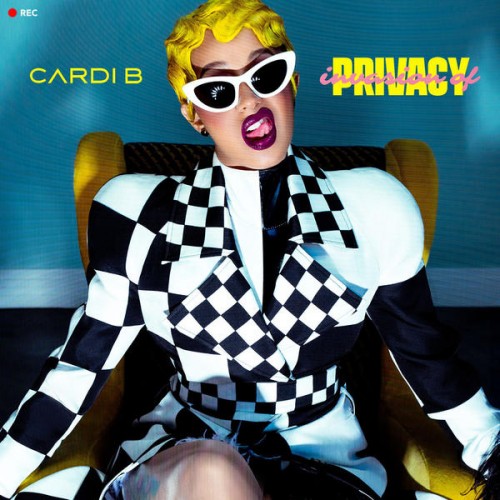
Cardi B’s album Invasion of Privacy (Photo courtesy of Atlantic/KSR)
27. Nicki Minaj – Queen
Album Releases: Fourth
City: Queens, New York
Vibe: After taking a four-year break between albums, Nicki Minaj is back to reign over her competition as she sits in her throne. Several female emcees have gathered in the courtyard to claim the crown, but Nicki will not relinquish it without a challenge. On Queen, every iteration of her career thus far is packaged into one project. Minaj once again rips microphones with the kind of rapid-fire tongue-twisted rhymes that made her famous on Kanye’s song “Monster.” Throughout the album, the rap diva expresses her independence using sexually charged lyrics that would make legendary emcee Roxanne Shante blush.
Standout tracks: “Barbie Dreams,” “Majesty” and “Coco Chanel”
This album is best appreciated by individuals facing adversity from challengers looking to take their position and how they respond from the top.

Nicki Minaj’s album Queen (Photo courtesy of Young Money/Cash Money/ Republic)
26. Drake – Scorpion
Album Releases: Fifth
City: Toronto, Ontario, Canada
Vibe: After years of fans requesting an album with more rhymes than singing from Drake, he delivers Scorpion, a double album — one side rap, and one side R&B. The singer inside Drake will not let the rapper stand out too much; he started signing three songs into the rap side and had a few rap tracks on the R&B side. It’s hard to deliver a subpar album with so many hits, but that’s what happened with Scorpion. The album had three No. 1 hits and a few other bangers separating him further from his peer group and ensuring he stays in the conversation for the throne.
Standout tracks: “Nonstop,” “God’s Plan” and “In My Feelings”
This album is best appreciated with your significant other or going to the hookah lounge.

Drake’s album Scorpion (Photo courtesy of Young Money Entertainment)
25. Teyana Taylor – K.T.S.E.
Album Releases: Second
City: Harlem, New York
Vibe: K.T.S.E. captivated listeners by pulling them into the inner workings of a married woman, who is not only expressing love to her family, daughter and husband but also her sexual freedom. This is the album that R&B listeners needed but didn’t know it. It feels nostalgic, like early Mary J. Blige, and liberating, like Rihanna, but fresh enough to be all Teyana.
Standout tracks: “Gonna Love Me,” “3Way” and “Rose in Harlem”
This album is best appreciated while baring your soul and connecting with someone you love.

Teyana Taylor’s album K.T.S.E. (Photo courtesy of Good Music/Def Jam)
24. Dave East & Styles P – Beloved
Album Releases: First
City: Harlem and Yonkers, New York
Vibe: Yonkers, New York, representer Styles P of The Lox and Harlem’s Dave East both released several projects in 2018 but still managed to surprise fans with a joint album to end the year. Beloved is a 13-track banger full of nostalgic boom-bap beats, quintessential East Coast rhymes, and dark tales with both emcees bouncing off one another effortlessly.
Standout tracks: “It’s Lit,” “For All My N—–” and “Cut From a Different Cloth”
This album is best appreciated by those seeking that East Coast energy from two lyrical beasts wrecking the mic.

Dave East x Styles P’s album Beloved (Photo courtesy of Def Jam)
23. J. Cole – KOD
Album Releases: Fifth
City: Raleigh, North Carolina
Vibe: J. Cole tackles the current rise of drug use promoted by the new generation of rappers. KOD is a warning to the culture that drugs will lead to a path of destruction along with people willing to do anything for money and Instagram likes.
Standout tracks: “Motiv8, “Kevin’s Heart” and “Windows Pain (outro)
This album is best appreciated as a deterrent to drug use and losing yourself in social media.

J. Cole’s album KOD (Photo courtesy of J. Cole/ P&D)
22. Royce Da 5’9″ – Book of Ryan
Album Releases: Ninth
City: Detroit, Michigan
Vibe: With Book of Ryan, Royce da 5’9″ is transforming his diary into rhymes and giving his fans the most personal album of his stellar career. He covers the challenges of his childhood in witnessing addiction, domestic abuse and the downfalls alcohol had on his life before getting clean and sober. Royce makes each rhyme count, weaving his flow with each beat. He sounds focused throughout the album while freeing himself from the burden of hardship and struggles that once hindered him.
Standout tracks: “Caterpillar,” “Cocaine” and “Boblo Boat”
This album is best-appreciated learning of the trials and tribulations of an elder statement offering insight to heed.

Royce da 5’9″‘s album Book of Ryan (Photo courtesy of Heaven Studios)
21. Phonte – No News Is Good News
Album Releases: Second
City: Greensboro, North Carolina
Vibe: Phonte is back with his grown man dialogue, navigating listeners through ups and downs of marriage, fatherhood and how your examples have more lasting effects on your children than your words. He also addresses issues facing African American communities by stressing the importance of proper diet, physical fitness, doctor visits and not being ashamed of seeking therapy to attain mental peace.
Standout tracks: “Pastor Tigallo,” “Cry One” and “Sweet You”
This album is best appreciated while relaxing after the daily grind and seeking a soothing introspective vibe.

Phonte’s album No News Is Good News (Photo courtesy of Foreign Exchange Music)
20. Rejjie Snow – Dear Annie
Album Releases: First
City: Dublin, Ireland
Vibe: This soft-spoken, laid-back Dublin rapper rhymes over jazzy samples and trip-hoppy beats, producing groovy tracks that resemble The Beach Boys’ stellar album Pet Sounds. Snow’s sound is reminiscent of Native Tongues, the rap collective that paved the way for free-spirited, Afrocentric and funk vibes in hip-hop.
Standout tracks: “Mon Amour,” “Oh” and “23”
This album is best appreciated while relaxing after the daily grind or if you’re seeking a soothing introspective vibe.

Rejjie Snow’s album Dear Annie (Photo courtesy of 300 Entertainment/Honeymoon)
19. Saba – Care For Me
Album Releases: First
City: Chicago, Illinois
Vibe: Care For Me exhibits Saba’s rhythmic flow and melancholy style, weaving together tales of love and loss that have deeply impacted the 24-year-old Midwest native. Saba warrants your attention, whether rapping or singing. Throughout this album, he reflects on his cousin’s death, strained relationships with women and navigating the terrain of his hometown Chicago.
Standout tracks: “Broken Girls,” “Smile” and “Logout”
This album is best appreciated for its insight into the struggles millennials face settling into adult life.

Saba’s album Care For Me (Photo courtesy of Saba Pivot, LLC)
18. Noname – Room 25
Album Releases: Second
City: Chicago, Illinois
Vibe: Noname returns with her second installment since departing her hometown of Chicago for Los Angeles. Room 25 chronicles the journey of an artist transitioning into adulthood, addressing love, heartbreak, racism and maneuvering through the world as a female emcee in 2018 during the Me Too era.
Standout tracks: “Blaxploitation,” “Window” and “I like Ace.
This album is best appreciated as a guide as you transition from one stage of life to the next.
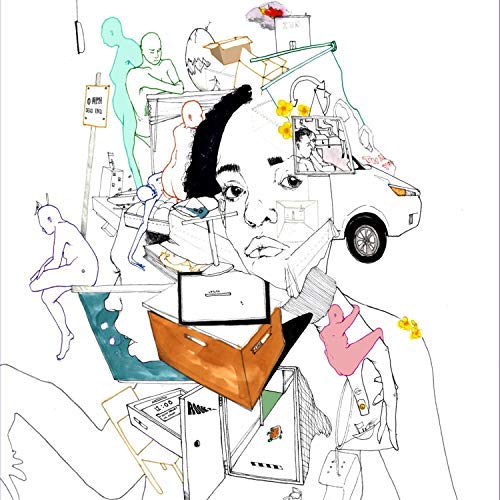
Noname’s album Room 25 (Photo courtesy of No/Name)
17. Black Milk – FEVER
Album Releases: Seventh
City: Detroit, Michigan
Vibe: Black Milk an elite producer and rapper who shines on his new album. He delivers the culture a new Black revolutionary soundtrack filled with jazz, funk and hip-hop to guide listeners through the struggles currently facing society.
Standout tracks: “But I Can Be,” “Laugh Now Cry Later,” and “Will Remain”
This album is best appreciated while reflecting on the current state of African Americans and how we should strive to seek stability as a people.
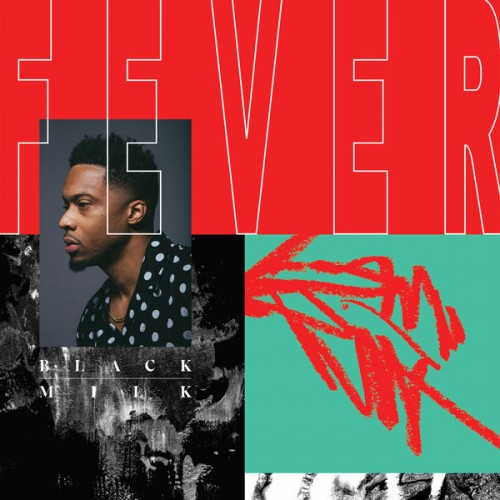
Black Milk’s album FEVER (Photo courtesy of Mass Appeal)
16. Janelle Monáe – Dirty Computer
Album Releases: Fourth
City: Kansas City, Kansas
Vibe: Monáe finally delivers her opus with Dirty Computer, an album addressing sexuality and all its intersections. There is a celebration of liberation taking place on the album, especially following Monaé’s public announcement that she is pansexual. Dirty Computer feels like an homage to Prince, Michael and Madonna, covering three decades of electric sound waves and freedom of expression.
Standout tracks: “Django Jane,” “Make Me Feel” and “I Like That”
This album is best appreciated for inspiring individuals to live their best life.
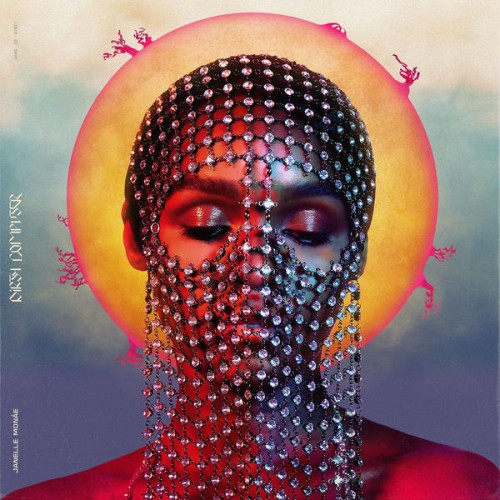
Janelle Monáe’s album Dirty Computer (Photo courtesy of Bad Boy Records)
15. Travis Scott – Astroworld
Album Releases: Third
City: Houston, Texas
Vibe: Astroworld is another a glimpse inside the mind of Houston’s eccentric rap star Travis Scott. This album pulls you slowly into the eclectic psychedelic carnival world, surprising and delighting listeners throughout the 60-minute experience. Scott smears textures of various sounds that become ear candy under his Auto-tuned vocals. He weaves back and forth between rapping and singing, covering dark several subjects, including drugs, heartbreak and the impact of loneliness.
Standout tracks: “Sickomode,” “5% Tint” and “Stop Trying To Be God”
This album is best appreciated while searching for moments of bliss during a mundane day.

Travis Scott’s album Astroworld (Photo courtesy of Epic/Grand Hustle/ Cactus Jack)
14. Black Thought – Streams of Thoughts Vol. 2
Album Releases: Second
City: Philadelphia, Pennsylvania
Vibe: The lyrical terror that is Black Thought and producer extraordinaire Salaam Remi deliver the Black soundtrack to wrap up 2018. Thought touches on the destruction that drugs are having on society and how youth have become heartless regarding life with senseless killings on the rise as if there are no consequences. He covers so much more in the album’s 24 minutes, touching on slavery, the lasting effects of PTSD, misogyny, generational rap beefs and love.
Standout tracks: Fentanyl,” “Soundtrack to Confusion” and “Conception”
This album is best appreciated as an inspirational guide to maneuver through the current state of society.

Black Thought’s album Streams of Thoughts Vol. 2 (Photo courtesy of Passyunk)
13. The Black Eyed Peas – Masters of the Sun Vol. 1
Album Releases: Seventh
City: Los Angeles, California
Vibe: Masters of the Sun Vol.1 is one of best albums in the Black Eyed Peas’ discography. The album is a complete body of work that speaks to the current climate of today’s society and still will get you to the dance floor but in a conscious state.
Standout tracks: “Back 2 Hiphop,” “All Around The World” and “Wings”
This album is best appreciated in a b-boy and b-girl state of mind and while getting ready for a night out on the weekend.
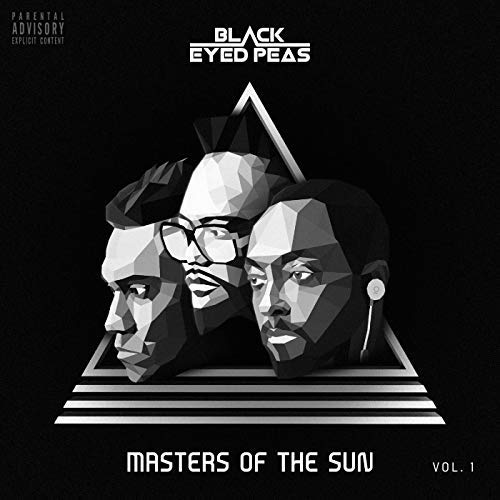
Black Eyed Peas’s album Masters of The Sun (Photo courtesy of UMGRI)
12. Vince Staples – FM!
Album Releases: Fourth
City: Long Beach, California
Vibe: FM! is a concept album with Staples spending a summer’s day at “Big Boy’s Neighborhood,” the long-running, nationally syndicated hip-hop radio show in Los Angeles. The 11-track, 22-minute project feels like the listener is roaming inside one of Staples’ dreams where he is finally having his music played over the airwaves after taking over the radio station.
Standout tracks: “Feels like Summer,” “Don’t Get Chipped” and “Fun!”
This album is best appreciated while cruising in your ride or chilling with the homies in the summertime.

Vince Staples’ album FM! (Photo courtesy of Def Jam Recordings)
11. J.I.D – DiCaprio 2
Album Releases: Second
City: Atlanta, Georgia
Vibe: J.I.D’s high-pitched flow is back on DiCaprio 2, showcasing his acrobatic lyrical abilities from start to finish. The album is narrated by mixtape legend DJ Drama. The tempo, beats and frantic determination of J.I.D fuels this album enough to keep ears perked to the speakers and fingers ready to hit rewind. He touches on the current rise and celebration of drug usage by the youth, domestic violence, abortions and how jealousy can lead to death. There is something for everyone on this album.
Standout tracks: “Slick Talk,” “Off Deez” and “Mounted Up”
This album is best appreciated with a focused state of mind to fully absorb the lyrical onslaught.

J.I.D’s album Dicaprio 2 (Photo courtesy of J. Cole/ DreamVille)
10. A$AP Rocky – Testing
Album Releases: Third
City: Harlem, New York
Vibe: There is an emotional ride of eclectic and psychedelic vibes transcending out of the speakers into listeners ears on Testing. Fans are often marveled at the range of A$AP imagination, the clashes of sounds being brought together, the depth of his lyrics and artists selected for collaborations. Rocky produces 70 percent of Testing and continues stepping away from the current trends of mainstream rap albums.
Standout tracks: “A$AP Forever,” “Fukk Sleep” and “Praise The Lord”
This album is best appreciated while relaxing in your house or chilling at your local coffee shop.

A$AP Rocky’s album Testing (Photo courtesy of A$AP Worldwide/Polo Grounds Music/RCA Records)
9. Kanye West and KidCudi – Kids See Ghost
Album Releases: First
City: Chicago, Illinois, and Cleveland, Ohio
Vibe: The beautiful mind of Kanye West and the introspective harmonizing wizard Kid Cudi finally deliver the long-awaited album Kids See Ghost to their legion of fans. Kids See Ghost arrived right as awareness about mental health was rising in communities, especially among African Americans. Kanye and Cudi are both struggling with mental health issues and alienation from others as they seek to find peace and balance in a judgmental society. Kids See Ghost sounds and feel like what you would expect when two of the greatest artists to emerge from hip-hop pair rock-and-hip-hop-infused production with insightful lyrics celebrating being free and at peace.
Standout tracks: “Feel the Love,” “Freeee” and “Reborn”
This album is best appreciated during a time of introspection or while simply rocking out.

Kanye West and Kid Cudi’s album Kids See Ghosts (Photo courtesy of GOOD and Def Jam)
8. Mac Miller – Swimming
Album Releases: Fifth
City: Pittsburgh, Pennsylvania
Vibe: Mac Miller had a lot to say during his short span on earth, releasing more than 15 projects, five of which were major releases. Swimming — the album released one month before his unexpected death — finds Mac at the steps of clarity regarding the artist and the man he was, struggling with substance abuse and a broken heart. The production and lyrics are a perfect blend, setting the perfect tone of the emotions Mac is expressing. Some may find this album heavy due to his passing, and others might find it darker and colder than previous projects. I see it as the final offering from a musical prodigy swimming and seeking to find a way out of his own head.
Standout tracks: “Come Back to Earth,” “Self Care,” and “Ladders”
This album is best appreciated while relaxing in your house or if you need an introspective soundtrack.

Mac Miller’s album Swimming (Photo courtesy of Warner Bros Records)
7. Nas – Nasir
Album Releases: Eleventh
City: Queens, New York
Vibe: Nasir continues the narrations, attempting to enlighten the youth by urging them to watch out for drugs, guns, social media and dire choices with lasting effects and concentrate on building wealth and knowledge and the rewards of working hard work at your craft can yield. Nas is as sharp as ever over Kanye’s soulful production and sample-filled wonderland.
Standout tracks: “Cops Shot the Kid,” “everything,” and “Adam and Eve”
This album is best appreciated as insight from an elder statement’s perspective offering wisdom of how to maintain and maneuver through the obstacles facing society.

Nas’s album NASIR (Photo courtesy of Mass Appeal and Def Jam)
6. Anderson .Paak – Oxnard
Album Releases: Fourth
City: Oxnard, California
Vibe: Anderson continues the theme of naming his albums after cities in California where he lived or somehow influenced him over the years. As a musician, singer and rapper, Paak’s joyous melodies and use of instrumentation and Dr. Dre’s mixing skills combine to deliver one of the best albums this year and what I feel is Anderson’s best album to date.
Standout tracks: “Tints,” “Mansa Musa,” and “Cheers.”
This album is best appreciated reminiscing on the days of when funk and soul dominated the sound waves and music felt like love.

Anderson .Paak’s album Oxnard (Photo courtesy of Aftermath/ 12 Tone Music, LLC)
5. Swizz Beats – Poison
Album Releases: Second
City: Bronx, New York
Vibe: Swizz delivered a cohesive project woven together so well that the listener forgets they’re listening to a compilation album with 10 tracks and 12 artists such as Lil Wayne, Young Thug, Kendrick, Pusha T and Nas. The production is truly the driving force throughout Poison, showing Swizz’s talent as a great arranger along with top-tier emcees delivering high-quality lyrics.
Standout tracks: “Preach,” “Echo,” and “Cold Blooded.”
This album is best appreciated as the score to an art, music and culinary fusion event.

Swizz Beatz’s album Poison (Photo courtesy of EPIC/Swizz Beatz Production, Inc.)
4. Black Panther: The Album
Album Releases: First
City: Compton, California
Vibe: Top Dawg Entertainment is gradually becoming the most talented label in hip-hop. Kendrick Lamar leads the charge on the Black Panther movie soundtrack, a project perfectly woven like Kente cloth for the entire diaspora of Africans around the globe.
Standout tracks: “All The Stars,” “Pray for Me,” and “King’s Dead”
This album is best appreciated while relaxing in your house or if you need a burst of inspiration to improve your day.

Black Panther: The Album (Photo courtesy of TDE)
3. Nipsey Hussle – Victory Lap
Album Releases: First
City: Los, California
Vibe: Nipsey Hussle followed through on his promise to deliver his debut album Victory Lap — albeit five years later than expected—but, oh boy, was it worth the wait. It’s filled with tales of getting your wealth up through entrepreneurial endeavors, the pits of street life and the journey into manhood coming up in Los Angeles.
Standout tracks: “Hussle and Motivate,” “Last time I Checc’d,” and “Grinding All My Life”
This album is best appreciated when cruising in your ride to your next hustle.

Nipsey Hussle’s album Victory Lap (Photo courtesy of Atlantic Records)
2. Jay Rock – Redemption
Album Releases: Third
City: Watts, California
Vibe: Jay Rock released an inspirational album for those who represent the grit. Redemption is full of gritty street tales with melodious, catchy hooks, and Eastside Johnny, aka Jay Rock, delivers his best hook to date.
Standout tracks: “Win,” “OSOM featuring J.Cole,” and “Wow Freestyle”
This is album is best appreciated for getting the adrenaline pumping.
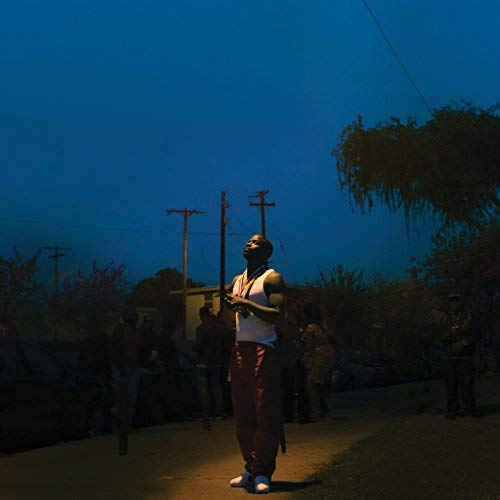
Jay Rock’s album Redemption (Photo courtesy of TDE)
1. Pusha – DAYTONA
Album Releases: Third
City: Virginia Beach, Virginia
Vibe: Pusha T delivers his opus magnum in DAYTONA. It’s a masterstroke of elevated drug tales from a former dealer reflecting on adventures. He also instigated the beef of the year with Drake by sending him the calm before the storm shot on “Infrared” prompting Drake to respond, only setting him up for the southpaw knockout with the second diss “Story of Adion” that silenced the back and forth. This album was made to push replay!
Standout tracks: “If You Know You Know,” “The Games We Play,” and “Infrared”
Produced by Kanye West, this album is best appreciated for its glimpse into the life and reflections of a hustler.

Pusha T’s album DAYTONA (Photo courtesy of GOOD and Def Jam)
Well, that’s it. But before we go, here’s one we had to add as a bonus, especially for all your Meek Mill fans.
Bonus: Meek Mill – Championship
Album Releases: Fourth
City: Philadelphia, Pennsylvania
Vibe: Meek Mill deserves applause for ending 2018 with the release of Championships, the strongest album of his career. He went from beefing with Drake, to watching his star gradually grow dimmer, to eventually landing back in jail for violating his probation due to popping a wheelie in New York City. Meek survived what would destroy most emcees in the midst of their ascension. This album finds the street champ busting wheelies back onto the charts, with songs that challenge the judicial system, speak out against the mental impact of incarceration, and call for prison reform.
Standout tracks: “What’s Free,” “Oodles O’Noodles Babies” and “Trauma”
This album is best appreciated as a warning that one criminal act committed in your teens can hinder you in your adult life and keep you from being free in mind, body and spirit.

Meek Mill’s album CHAMPIONSHIPS (Photo courtesy of MMG/ Atlantic)









Art
Houston’s ‘call Me Mother’ Exhibit Opens Today, Spotlighting Black Maternal Health
AFRICAN-AMERICAN NEWS AND ISSUES – DALLAS — The Health Museum in Houston today opens “The Call Me Mother Experience,” an exhibition spotlighting Black maternal health through art and personal storytelling. Curated by Houston’s first Black poet laureate, Deborah D.E.E.P. Mouton, the project originated from her own poem written during a miscarriage.
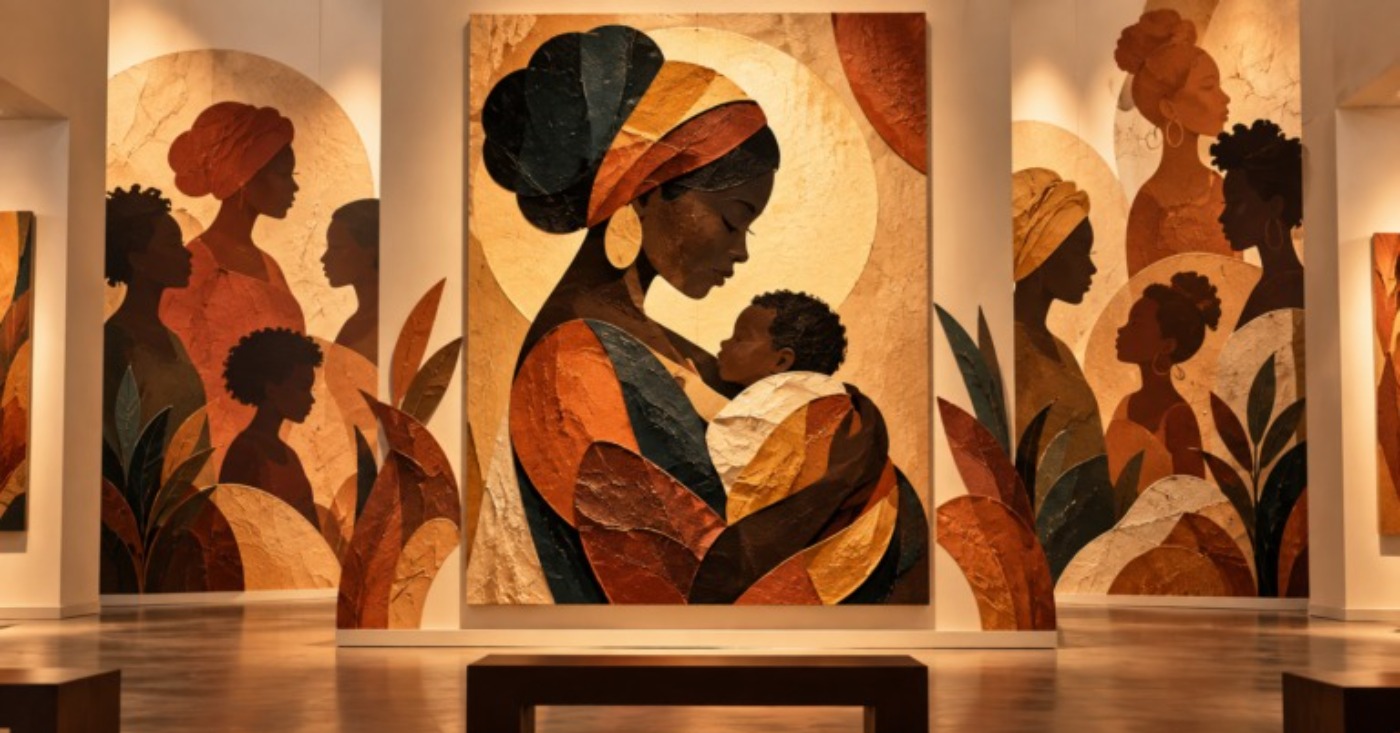
HOUSTON — A new exhibition opening Sunday, Oct. 4, at The Health Museum is bringing Black maternal health into public view through art and personal storytelling.
The Call Me Mother Experience will be on display through Feb. 28, 2027. The museum lists a preview reception today from 3 to 5 p.m. at 1515 Hermann Drive, with tickets priced at $5 for members and $15 for nonmembers.
A personal story becomes a community conversation
According to the museum, founder, curator and lead artist Deborah D.E.E.P. Mouton developed the project from a poem she wrote during a miscarriage. The installation combines films, recorded interviews, visual artwork and contributions created with community members.
Mouton, Houston’s first Black poet laureate, discussed the exhibition and her connection to its subject in an Oct. 1 appearance on KPRC’s Houston Life. The station described the project as addressing the unequal burden of pregnancy-related illness and death faced by Black women in Harris County.
An announcement distributed by the Call Me Mother Experience says the initiative will also reach community locations and faith-based organizations across Greater Houston. Those additional settings are intended to extend the conversation beyond a museum visit.
What visitors can expect
The museum says reception guests can explore the exhibit, hear the curator and meet participating artists. Reception admission includes general museum entry; refreshments are available while supplies last.
The featured image accompanying this article is an original illustrative concept, not a photograph of the exhibition or its artwork.
Sources and visitor information:The Health Museum exhibition listing; preview reception details and tickets; KPRC Houston Life; organizer announcement.
The post Houston’s ‘Call Me Mother’ Exhibit Opens Today, Spotlighting Black Maternal Health appeared first on African American News and Issues.
Based on reporting by African-American News and Issues – Dallas.
Art
Montclair Brewery: Brewing Culture, Community, History
THE POSITIVE COMMUNITY — Montclair Brewery, located in Montclair, New Jersey, has evolved beyond a craft beer destination into a community gathering place. Founded by husband-and-wife team Leo and Denise Sawadogo, the brewery connects its beers to African, Caribbean, and African American history and culture.
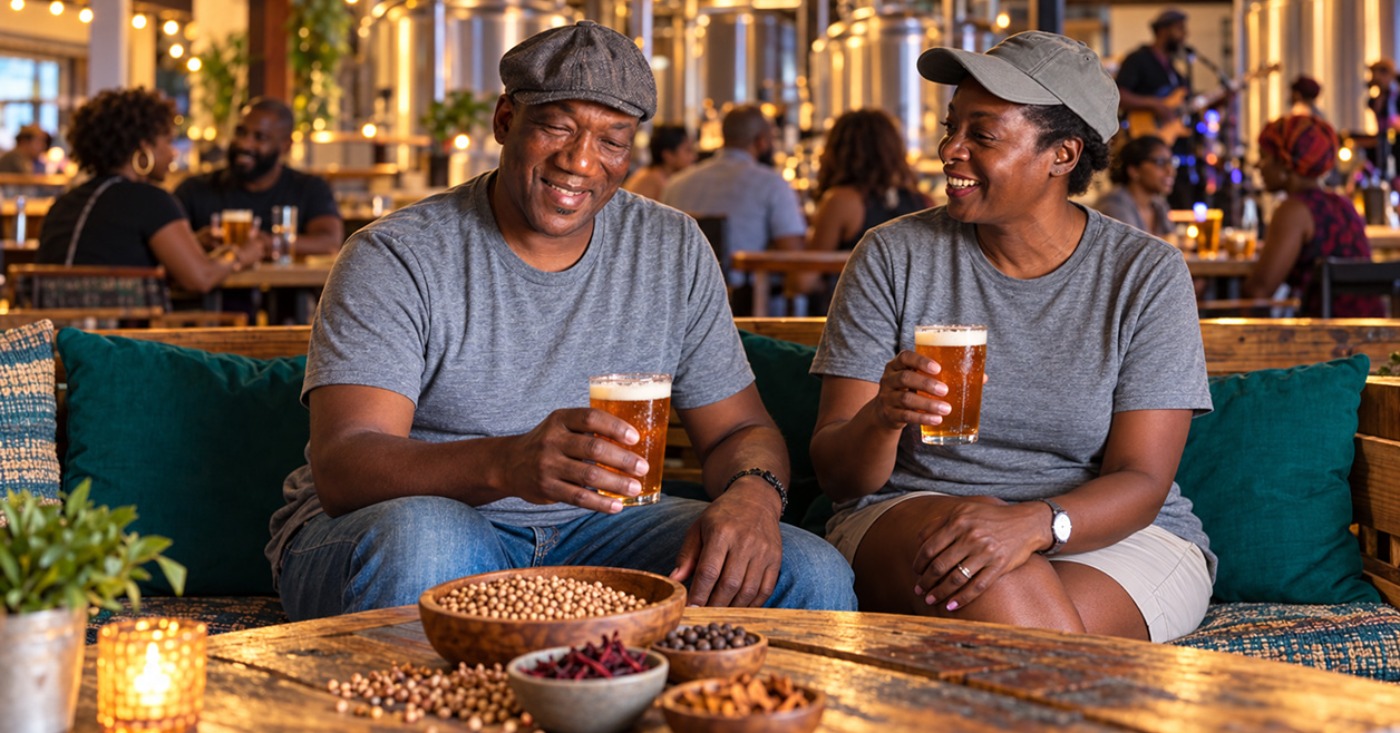
Montclair Brewery has become much more than a place to enjoy a craft beer. Located on Walnut Street in Montclair, New Jersey, the family-owned microbrewery has developed into a gathering place where beer, music, culture, history and community come together. Founded by husband-and-wife team Leo and Denise Sawadogo, the brewery has established a distinctive identity by connecting its beers to African, Caribbean and African American history and culture.
The story began with Leo Sawadogo’s passion for home brewing. Originally from Burkina Faso in West Africa, Leo grew up watching his mother brew traditional beverages using grains, herbs and spices. Brewing was part of his cultural experience long before craft beer became a major American trend. After years of making beer at home and sharing it with friends and family, Leo and Denise began imagining how they could transform that passion into a business. The company was established in 2014, and after years of planning and nearly a year of construction, Montclair Brewery opened its doors in October 2018.
The brewery represented an important milestone for Montclair because it became the town’s first microbrewery. But its significance extended beyond being a new business. Leo and Denise brought together two different cultural backgrounds: Leo’s West African heritage and Denise’s Jamaican roots. Those influences became part of the brewery’s personality and, importantly, part of the beers themselves. Instead of treating culture as something separate from the business, the couple made it an essential ingredient in their approach to brewing.
One of the brewery’s most distinctive traditions is its annual Black History Month beer series. These beers are often inspired by prominent figures, historical events and cultural traditions. Over the years, the brewery has created beers honoring people such as Harriet Tubman, Larry Doby, Maya Angelou, Chadwick Boseman and journalist Gil Noble. The brewery has also used its beers to celebrate African heritage and important moments in Black history. In 2026, for example, its series included beers inspired by Patrice Lumumba and Larry Doby.
The story behind each beer is almost as important as the beer itself. Montclair Brewery demonstrates how food and beverages can become vehicles for storytelling. A beer named for Larry Doby can introduce customers to the history of the baseball pioneer who broke the American League’s color barrier and later made Montclair his home. A beer inspired by Patrice Lumumba can encourage people to learn about African independence and the history of the Democratic Republic of Congo. In this way, the brewery turns a visit to a taproom into an opportunity for cultural discovery.
Montclair Brewery has also connected its business to local history. One example is the Howe House, one of Montclair’s historic homes associated with the town’s African American history. The brewery created a Belgian-style ale honoring James Howe and committed a portion of sales from the beer toward efforts to preserve the historic property. This illustrates a larger philosophy behind the brewery: its identity is not simply based on selling beer, but on using the business as a platform to recognize people, places and stories that deserve greater attention.
The brewery’s importance also comes from its role as a community gathering place. Its taproom offers indoor and outdoor seating and hosts a variety of events and activities. Music, entertainment, cultural programs and community gatherings have helped make the brewery part of Montclair’s social landscape. During the COVID-19 pandemic, when gathering in public spaces became difficult, the brewery adapted its business model by shifting toward bottling and outdoor operations. Its ability to adapt helped it survive a period that was devastating for many small businesses.
Another important part of Montclair Brewery’s story is representation within the craft-beer industry. Black-owned breweries remain a small portion of the American craft-brewing landscape, making the visibility of businesses like Montclair Brewery particularly significant. Denise has also become an important voice for women in the brewing industry, while Leo’s background and approach have helped challenge traditional ideas about who a brewer is supposed to be. Together, they demonstrate that the craft-beer industry can reflect a much broader range of cultures and experiences.
The brewery’s success has also allowed its reach to extend beyond Montclair. Its beers have received attention from regional and national media, and the company has participated in collaborations with other breweries and cultural organizations. One collaboration celebrated the 50th anniversary of hip-hop with the legendary DJ duo Awesome 2. Other beers have incorporated ingredients such as baobab fruit, sorghum and spices connected to African and Caribbean traditions. These collaborations and unusual ingredients help distinguish Montclair Brewery from breweries whose identities are based primarily on conventional beer styles.
Ultimately, Montclair Brewery represents an example of how a small business can become part of the cultural fabric of a community. Leo and Denise Sawadogo created a brewery from a personal passion, but they built something larger than a place to drink. Their beers tell stories about Africa, the Caribbean, Black America and Montclair itself. The brewery demonstrates that entrepreneurship can preserve history, celebrate culture and bring people together. In Montclair, every pint can become part of a larger conversation about heritage, creativity, community and the continuing evolution of Black-owned businesses in America.
Based on reporting by The Positive Community.
Art
From Ma Rainey to AI: New Technology Amplifies an Old Fight over Artist Control
HOWARD UNIVERSITY NEWS SERVICE — August Wilson’s “Ma Rainey’s Black Bottom” explores Ma Rainey’s struggle for control over her music during a 1920s recording session, highlighting conflicts over art, money, and power dynamics between musicians and business interests. Round House Theatre’s production, running through October 18 in Bethesda, Maryland, stages this historical fight, drawing parallels to contemporary issues.
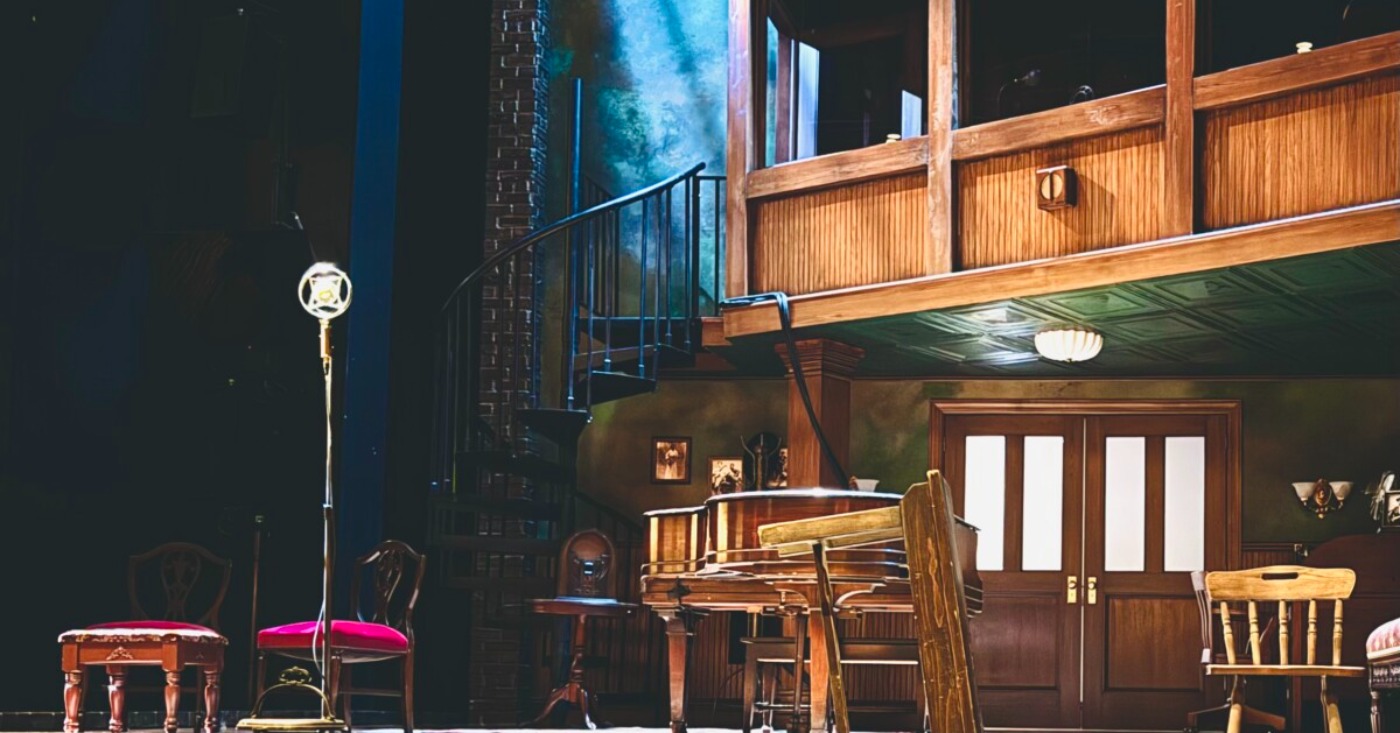
In August Wilson’s “Ma Rainey’s Black Bottom,” Ma Rainey fights to control what happens to her music once she enters the recording studio. Today, musicians are confronting a new question: What happens when artificial intelligence can profit from the identity attached to their music?
Round House Theatre’s production of “Ma Rainey’s Black Bottom,” which runs through Oct. 18 in Bethesda, Maryland, brings an older struggle over artistic control to the stage. Set during a recording session in 1920s Chicago, Wilson’s play follows Ma and her band as conflicts over art, money and control expose the imbalance between the musicians creating the work and the people conducting the business around it. That same question of who can profit from an artist’s value is now being tested in a very different setting nearly a century later.
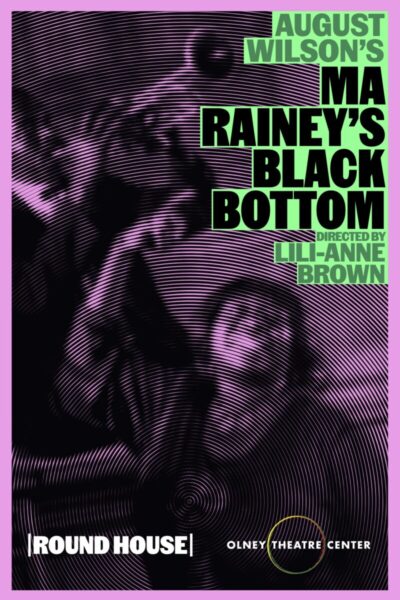
Musicians Jason Isbell, David Lowery, Guy Forsyth and Eduardo Calle filed a class-action lawsuit on Aug. 31 against AI music company Suno. They allege that the company commercially exploits artists through an AI system capable of generating music imitating artists’ identities and styles without permission. Suno disputes the allegations.
The U.S. Copyright Office has also studied AI-generated digital replicas and recommended federal legislation to address gaps in protections against unauthorized replicas of a person’s voice or appearance. Its broader AI inquiry received more than 10,000 public comments.
For Nicole Michelle Haskins, who portrays Ma Rainey in the Round House production, the struggle over power begins with understanding Ma as more than a demanding recording star.
“She is the only advocate she has,” Haskins said. “The choices presented to her are to surrender or fight. Ma chooses to fight.”
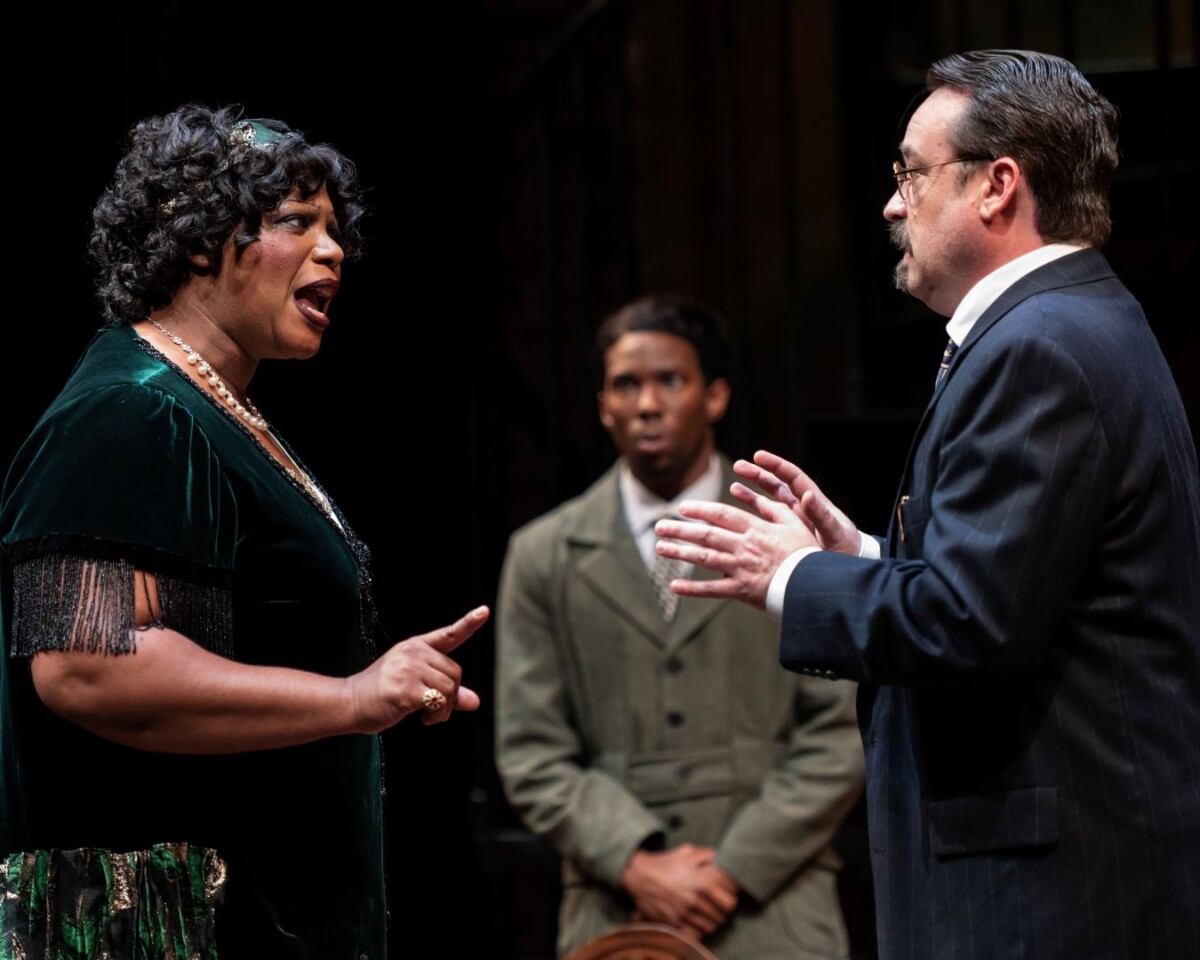
Haskins said Ma enters the recording studio knowing the value that she brings, even as the people around her repeatedly challenge her decisions. She exercises her leverage and pushes back when others attempt to dictate how the session will proceed.
The real Gertrude “Ma” Rainey was one of the earliest Black women to record blues commercially. Between 1923 and 1928, she made more than 100 recordings for Paramount Records, according to the Smithsonian.
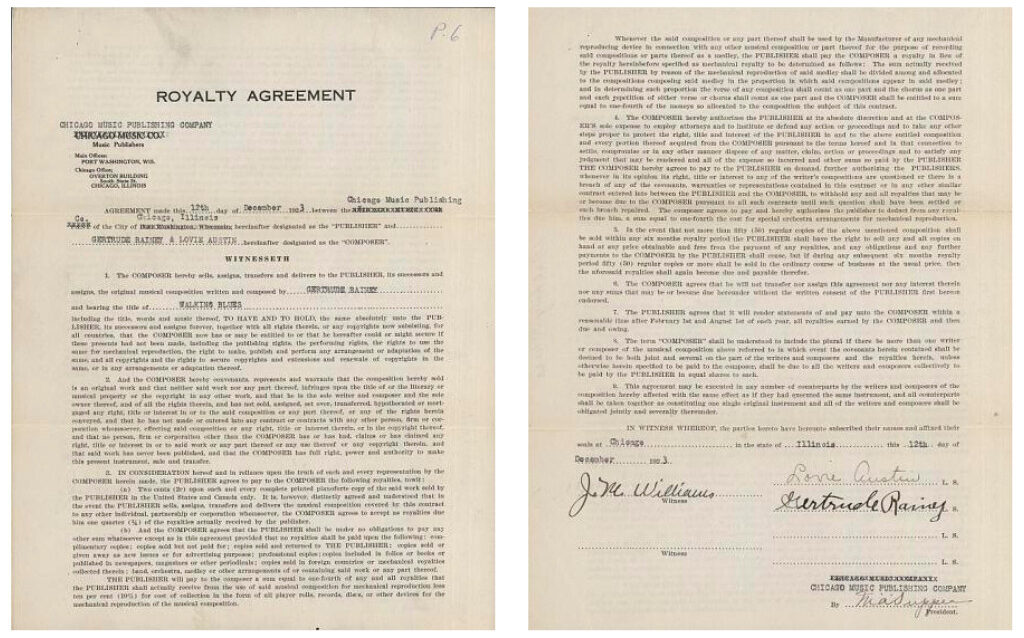
One surviving agreement shows how at least part of that business worked. A Dec. 12, 1923, royalty agreement for “Walking Blues,” signed by Rainey and composer Lovie Austin, provided them two cents for each printed piano copy sold in the United States and Canada. They were also entitled to one-fourth of the royalties the publisher received from mechanical reproductions, minus a 10% collection cost.
For Haskins, portraying a character negotiating those relationships does not feel entirely removed from being an artist today.
“The life that I live as an artist is not that dissimilar from the world that August Wilson has written,” Haskins said.
The technology surrounding artists, however, has changed dramatically.
The scale of AI-generated music has grown quickly. In July, streaming service Deezer said it was receiving about 90,000 fully AI-generated tracks a day, more than half of its daily uploads. Those tracks accounted for less than 3% of all streams.
The lawsuit against Suno is not primarily a traditional copyright case about whether an AI-generated song copied a particular recording. Instead, the musicians rely largely on state right-of-publicity laws, which concern the commercial use of a person’s identity.
According to the complaint, users can enter musicians’ names and use them as a retrieval key for AI-generated music drawing on characteristics associated with those artists. The plaintiffs argue that an output does not have to copy a specific song or perfectly reproduce an artist’s voice for the artist’s commercial identity to be exploited.
Suno disputes that characterization of its technology. The company has said it does not use artists’ names as training metadata and does not permit users to prompt its system for specific artists. Suno says references to artists are filtered and redirected toward descriptions of musical characteristics. Its own prompting guide, for example, encourages users to describe features such as tempo, vocals and instrumentation, using phrases like “bright pop track,” “110 BPM,” “female vocals” and a “big synth hook.”
The Suno dispute centers on more than ownership of a particular song or recording. It raises the question of whether an artist’s name, likeness and other identifying characteristics can be used commercially to generate new music without permission.
Haskins resists describing that underlying conflict as merely contemporary.
“I don’t think they feel contemporary,” Haskins said of Ma’s concerns. “I think they feel worldly.”
For Haskins, AI is one setting for a larger struggle over who has power over creative work. She said the problem of Black people being separated from control of things they created has existed far longer than the technology now raising those questions. The Library of Congress notes that early record companies sometimes used white performers to record music associated with Black artists rather than hire the Black performers themselves, while Black musicians remained rare on early commercial recordings.
“It just hasn’t stopped happening,” she said.
That interpretation shapes the way Haskins portrays Ma’s fight for control. She pointed to a brief moment in the second act when Ma’s manager attempts to steer her toward a different song. Ma refuses and proceeds with the recording she intends to make.
Haskins said the moment stands out precisely because Ma does not need a dramatic confrontation to establish who has the final say.
“She’s not demanding control. She’s not asserting control,” Haskins said. “She is simply positioning herself in correct order.”
La Tetra Metts-Owens is a reporter forHUNewsService.com. She covers Prince George’s County and theater.
Based on reporting by Howard University News Service.
Art
Mothership Sirius B: Atlanta’s Immersive Afrofuturist Art Exhibit Decodes The Past and Future for Black Americans

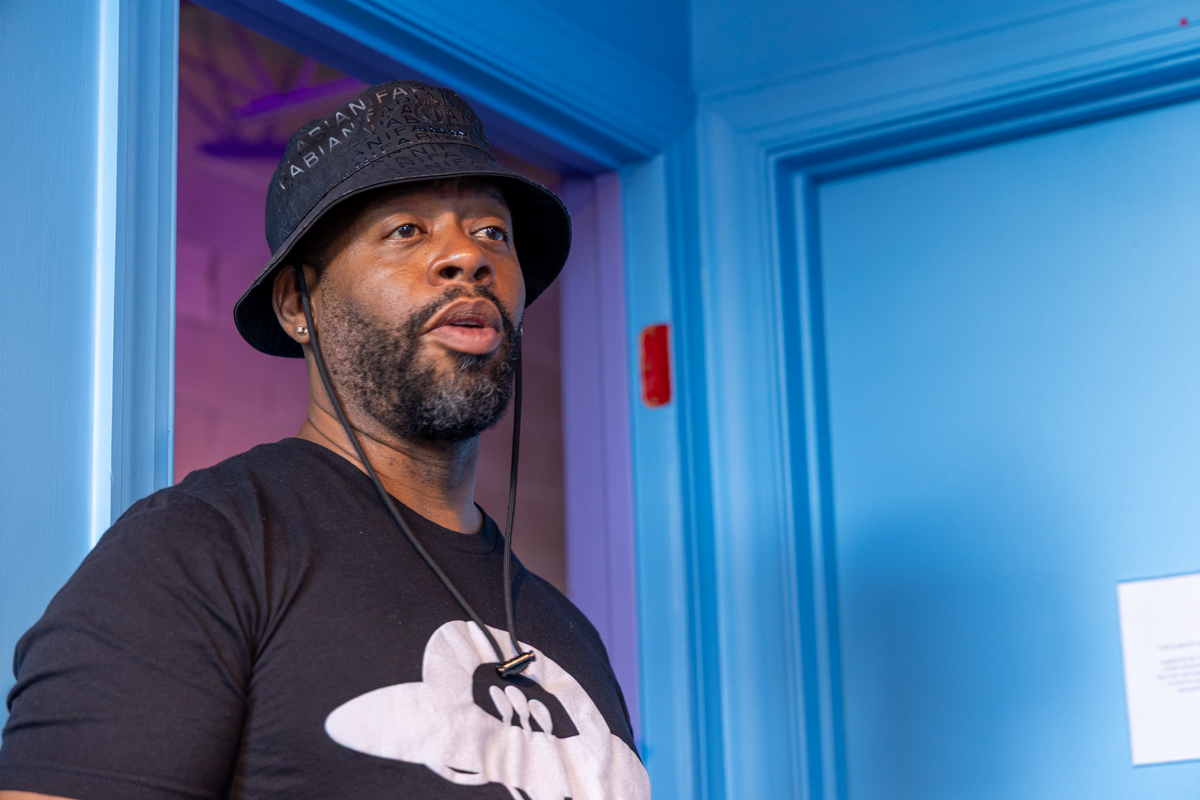
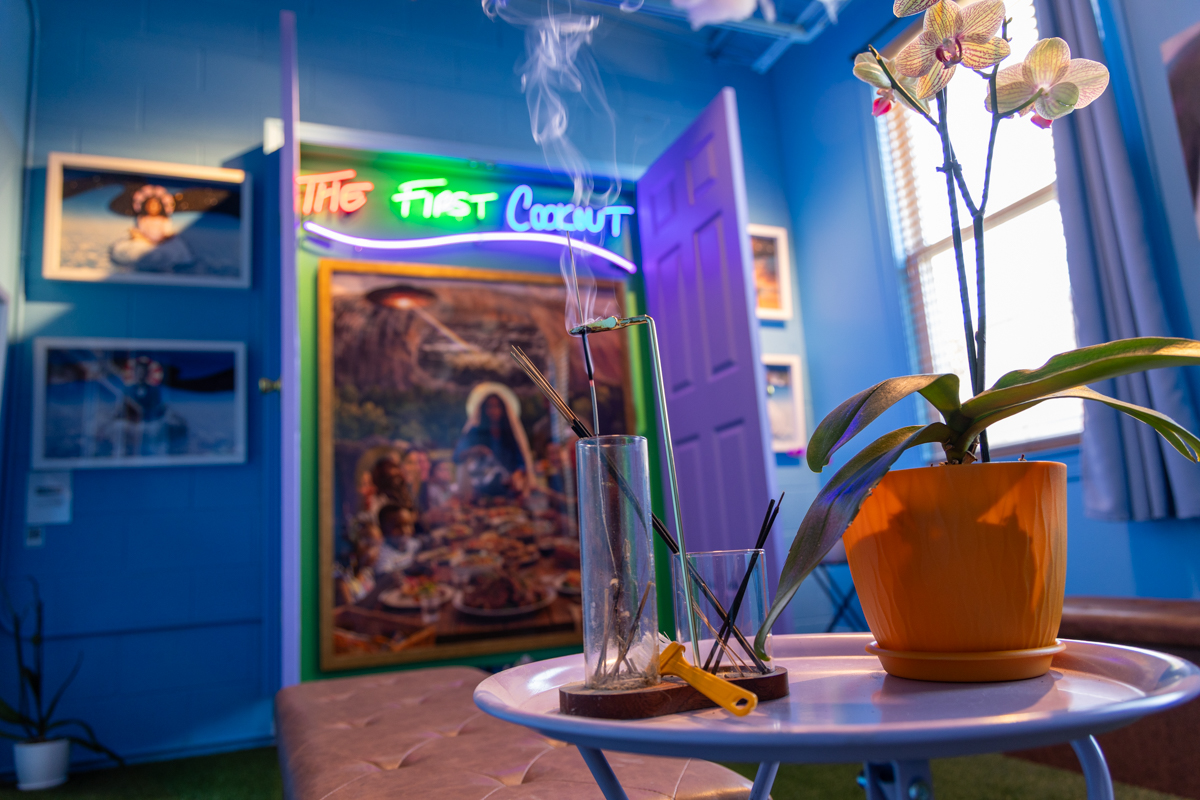
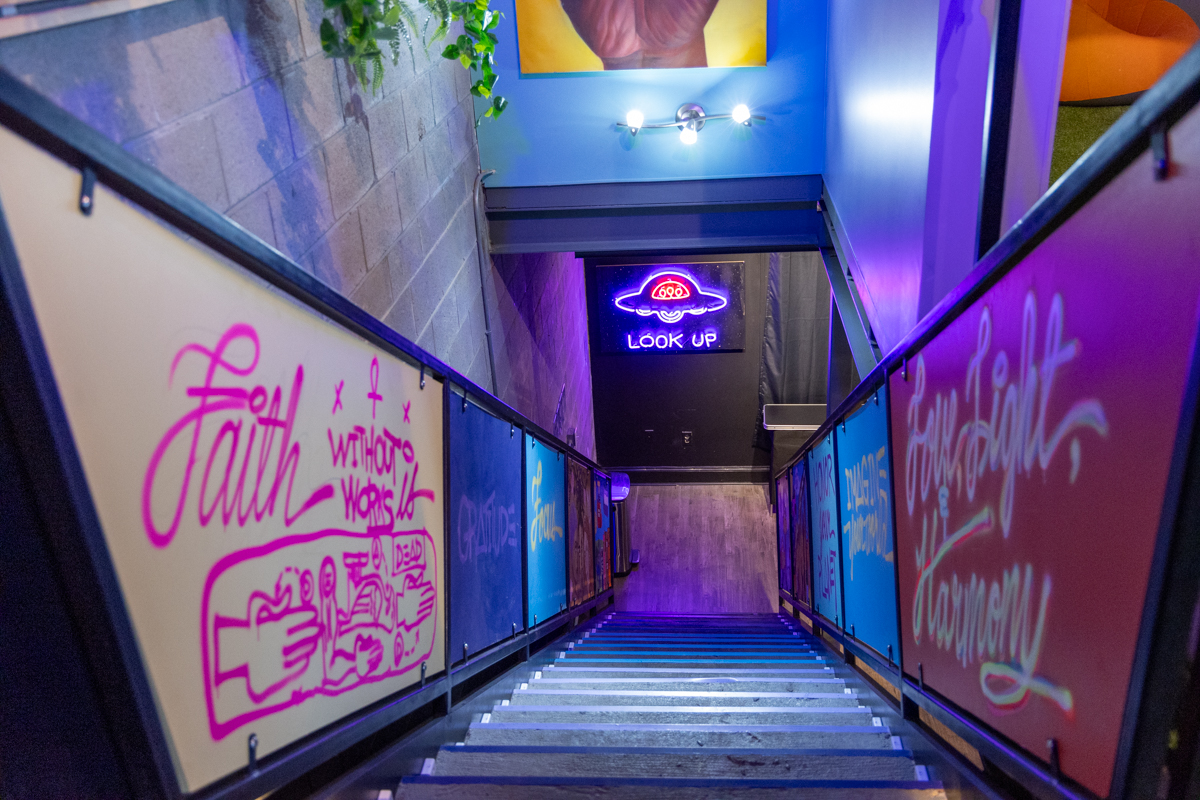
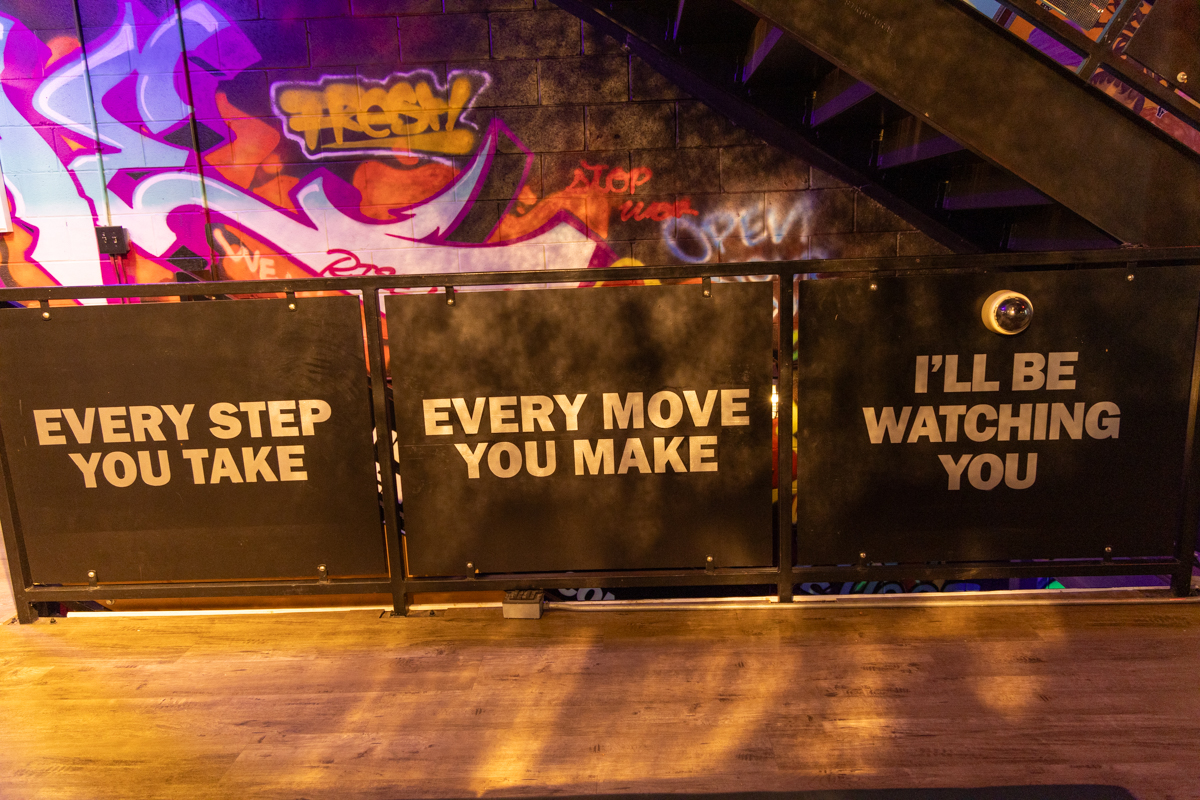
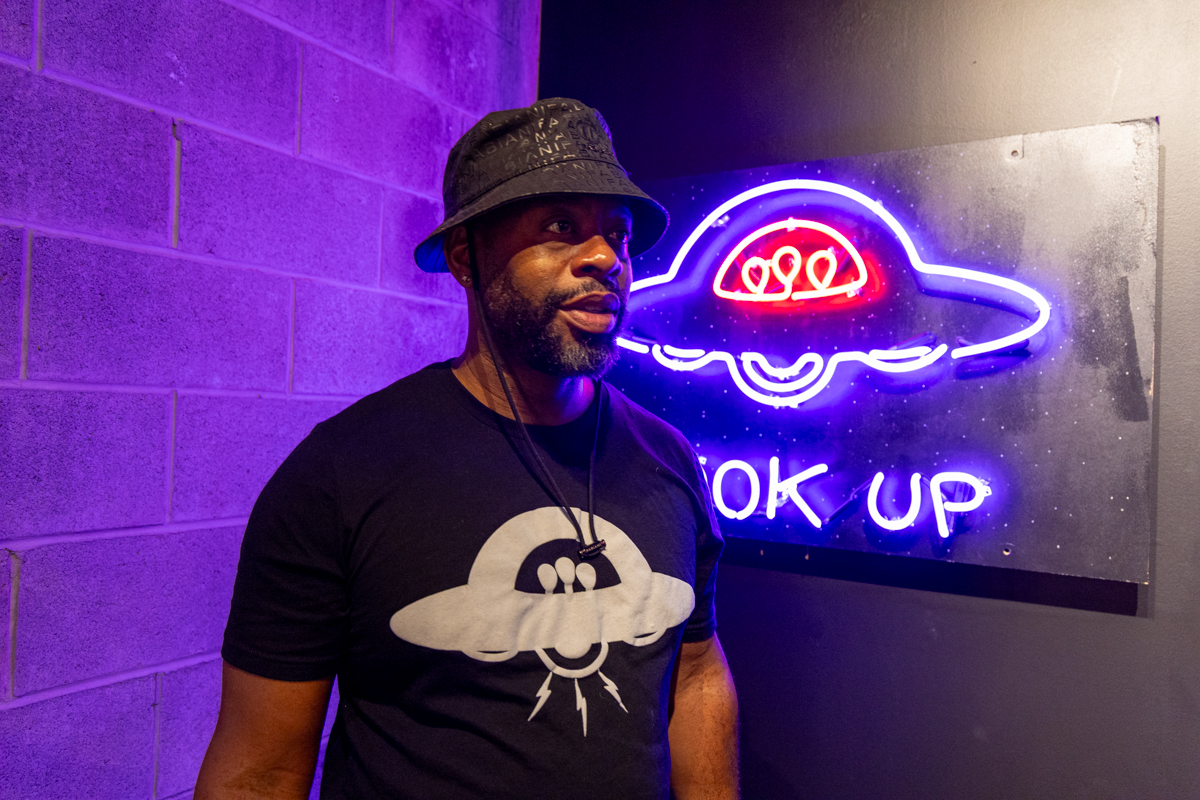
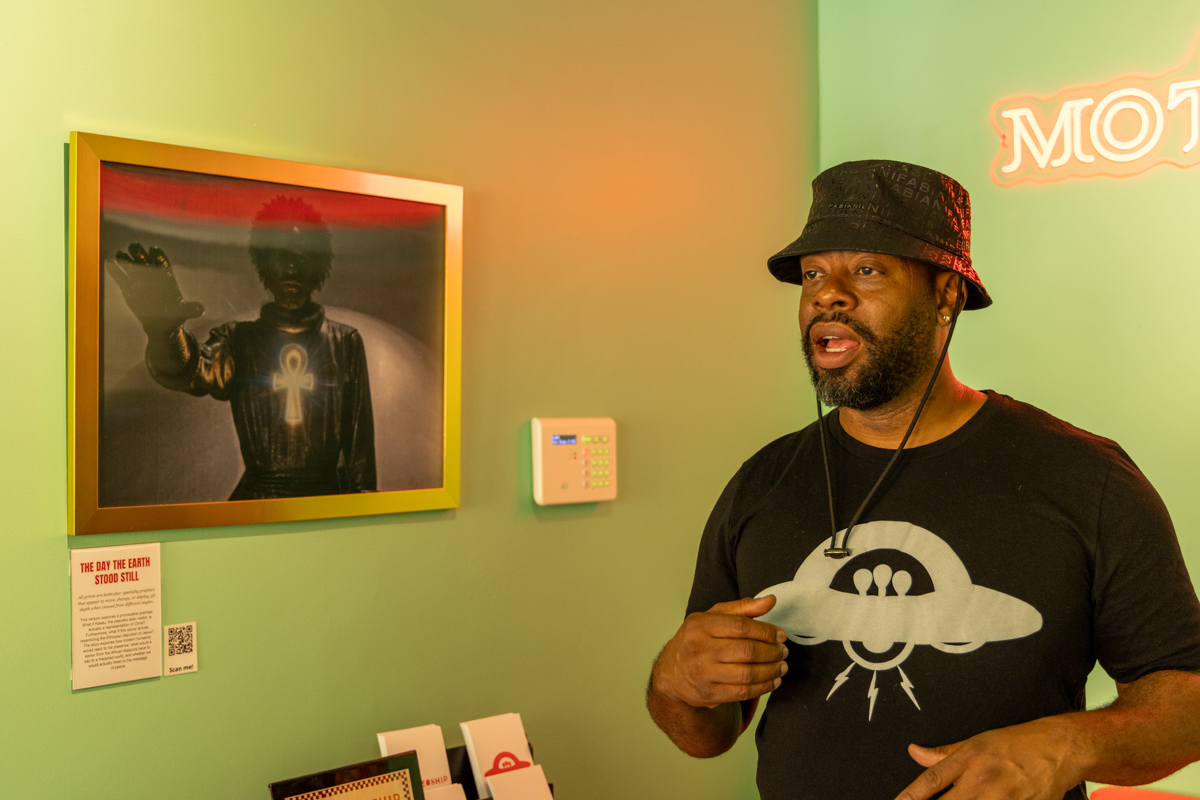
Who decides what the future looks like? For generations, science fiction and pop culture have handed us the answer. Artist Fabian Williams opened Mothership Sirius B, a three-story immersive art installation, to offer a different one.
Atlanta Students Help Shape the Exhibit
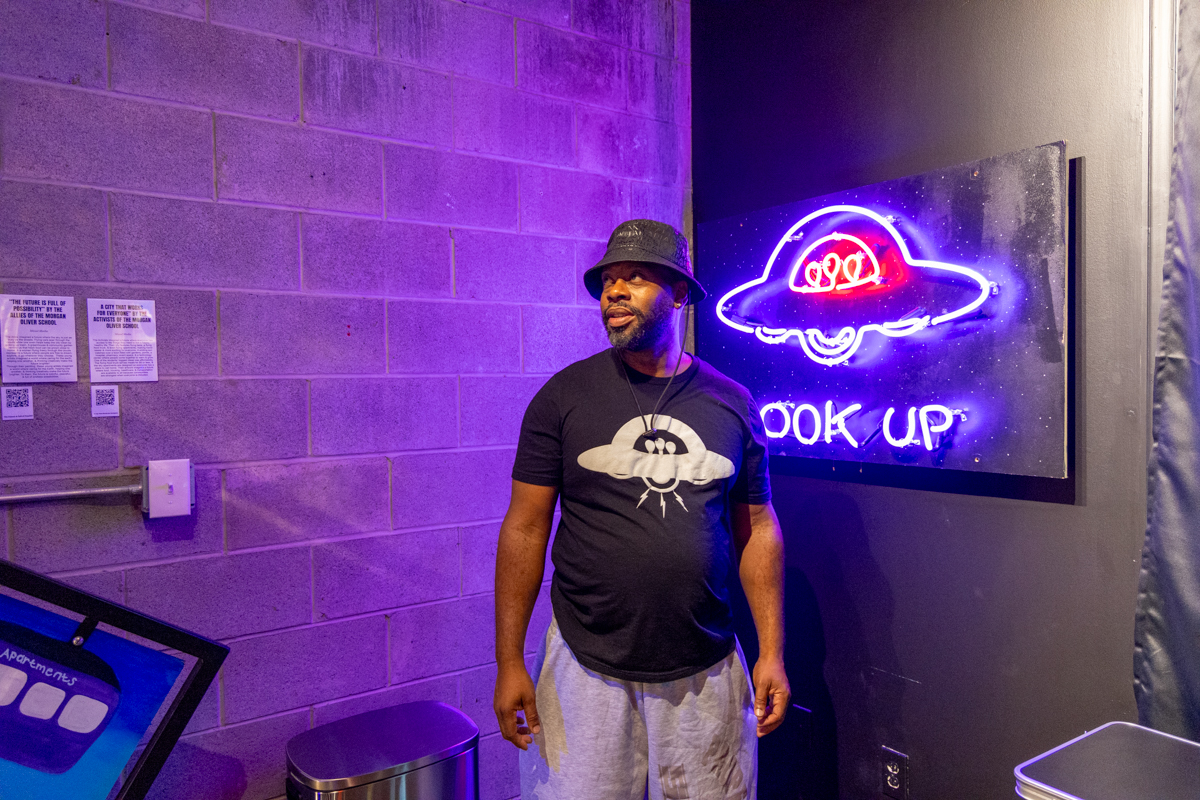
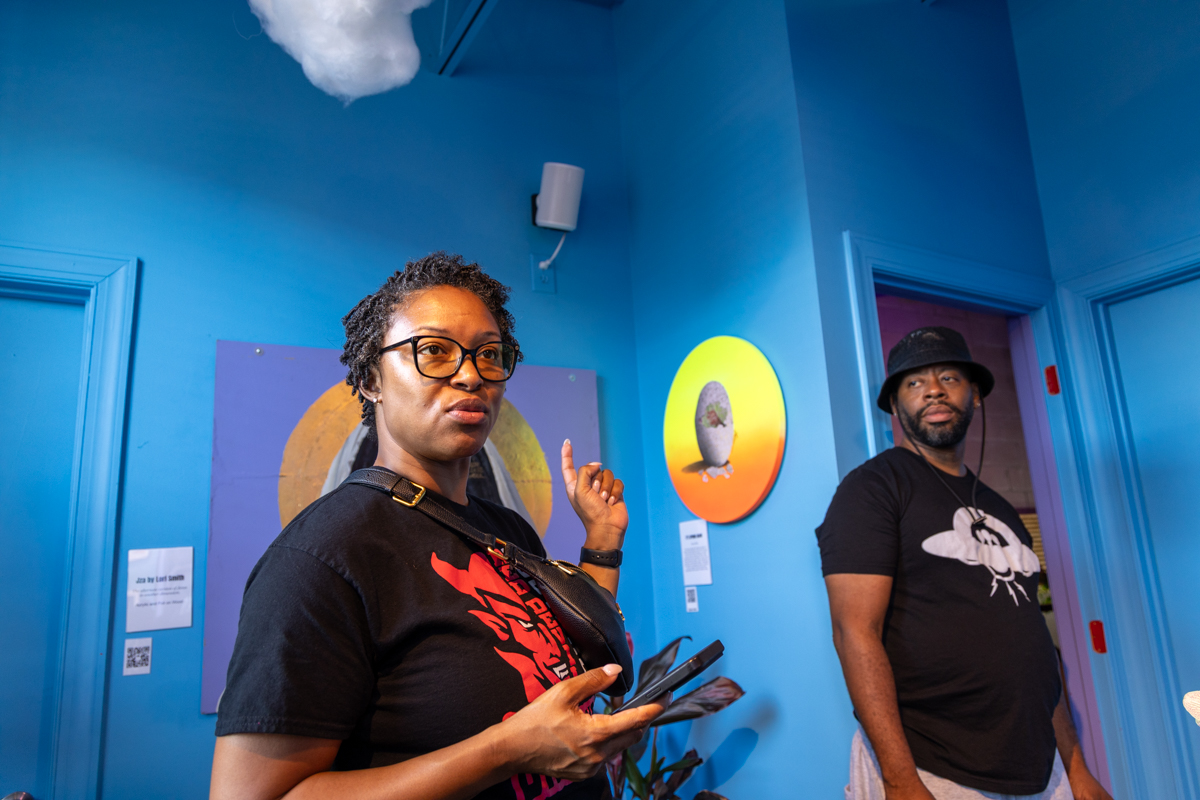
Inside the art installation at 12 Jackson St in Atlanta, the project’s community roots are what set it apart. Students from Morgan Oliver School, Maynard Jackson High School, and Georgia Tech created original artwork that runs through the whole show. It all leads to the Future Lab, a room built for conversation, creativity, and imagining what comes next together.
Williams also sat down with many of the students to ask what kind of future they want to build. Their answers give a real look at how Atlanta’s next generation pictures its city. The Mayor’s Office of Cultural Affairs, led by Adriane Jefferson, is a confirmed institutional partner.
What “Sirius B” Means
The exhibit covers six decades across its three floors, and the name carries the idea behind it. Sirius A and B form a double star system that can’t be seen with the naked eye. According to a story Afrofuturist thinkers often cite, the Dogon people of Mali knew of it centuries before Western astronomers confirmed it. For those thinkers, it shows that Black communities have always held knowledge about the future that mainstream culture was too narrow to notice. Williams puts it this way: the vessel “was always there.”
Pop Culture, Black Empowerment, and Political Commentary
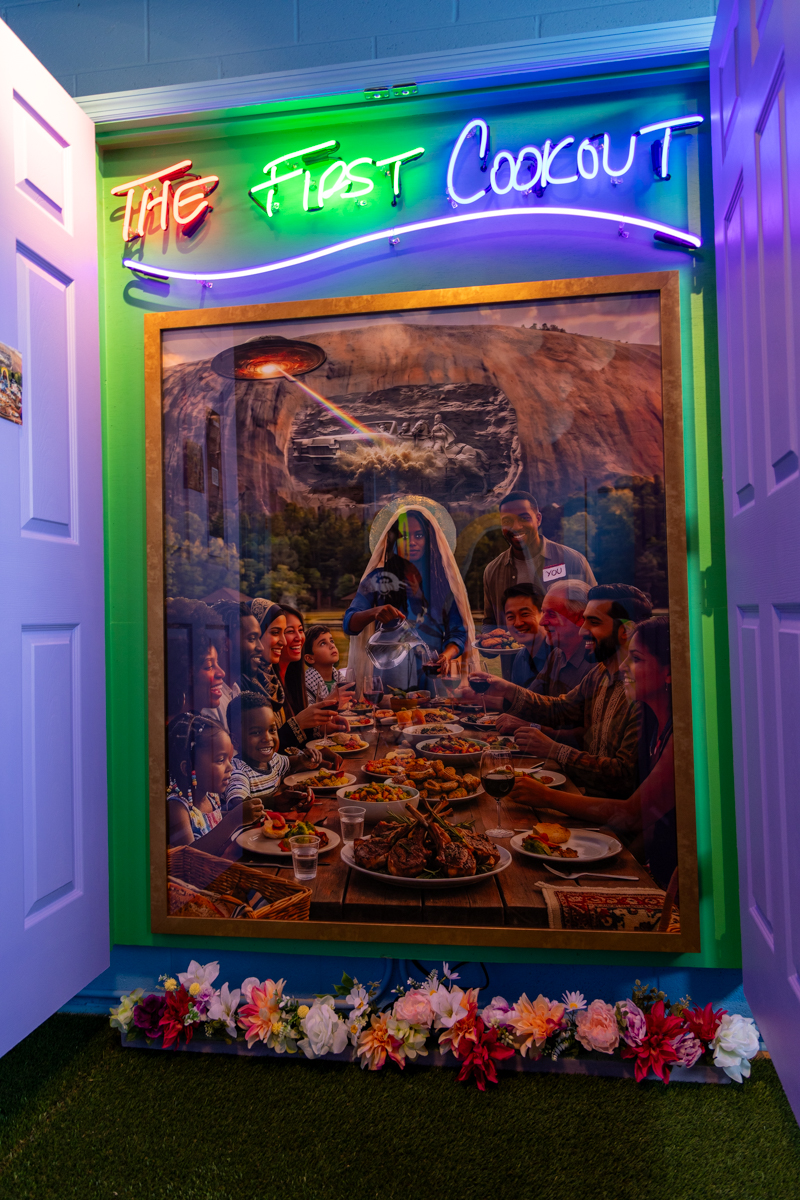
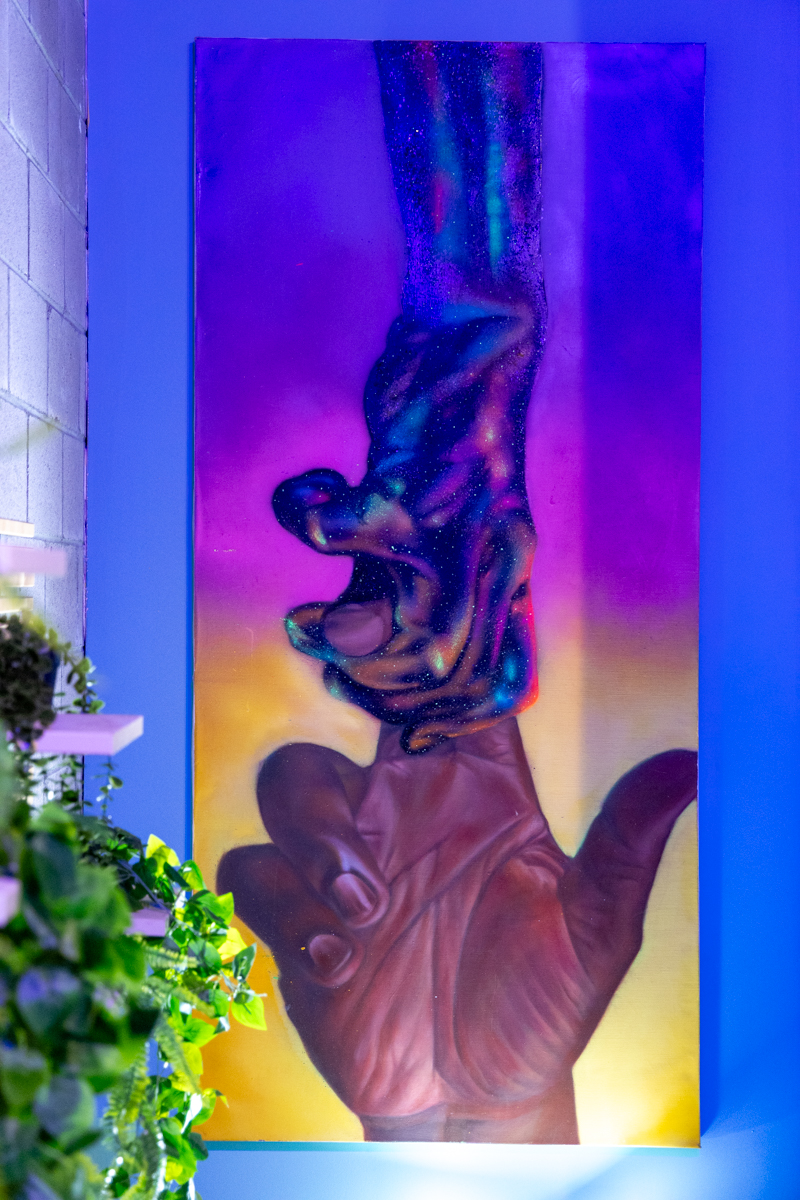
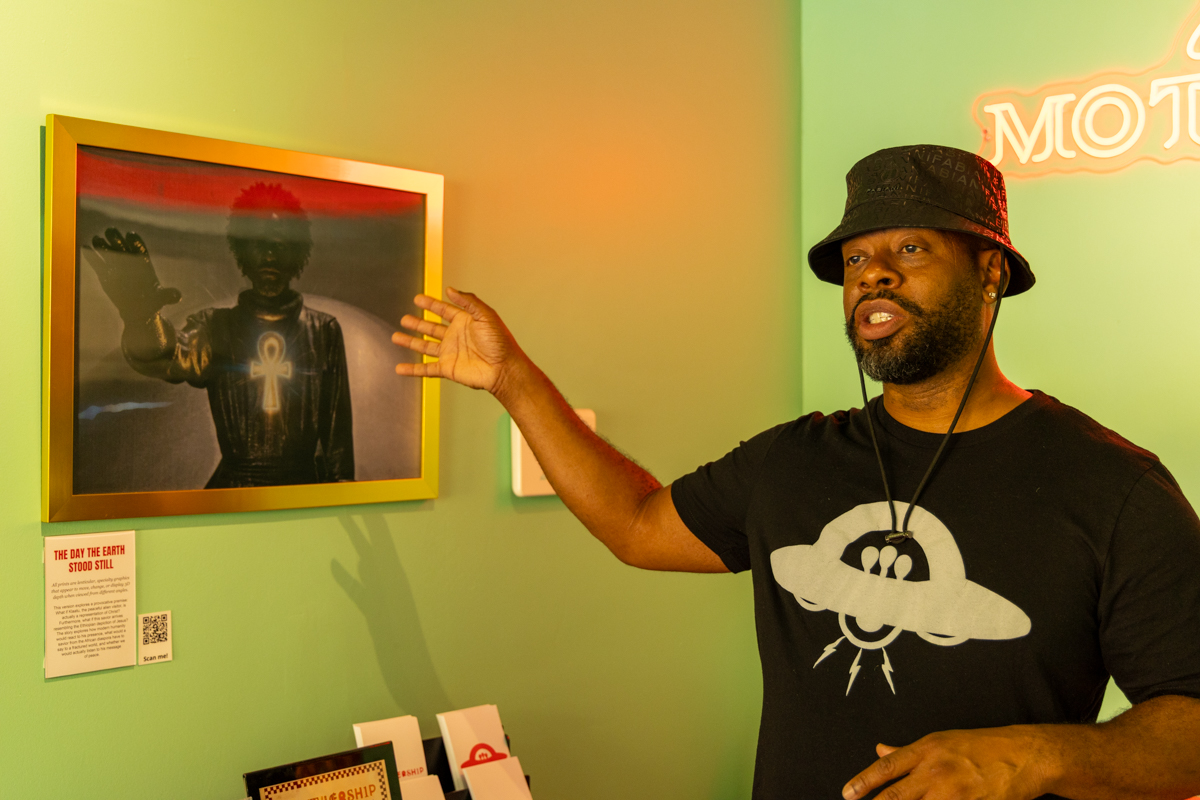
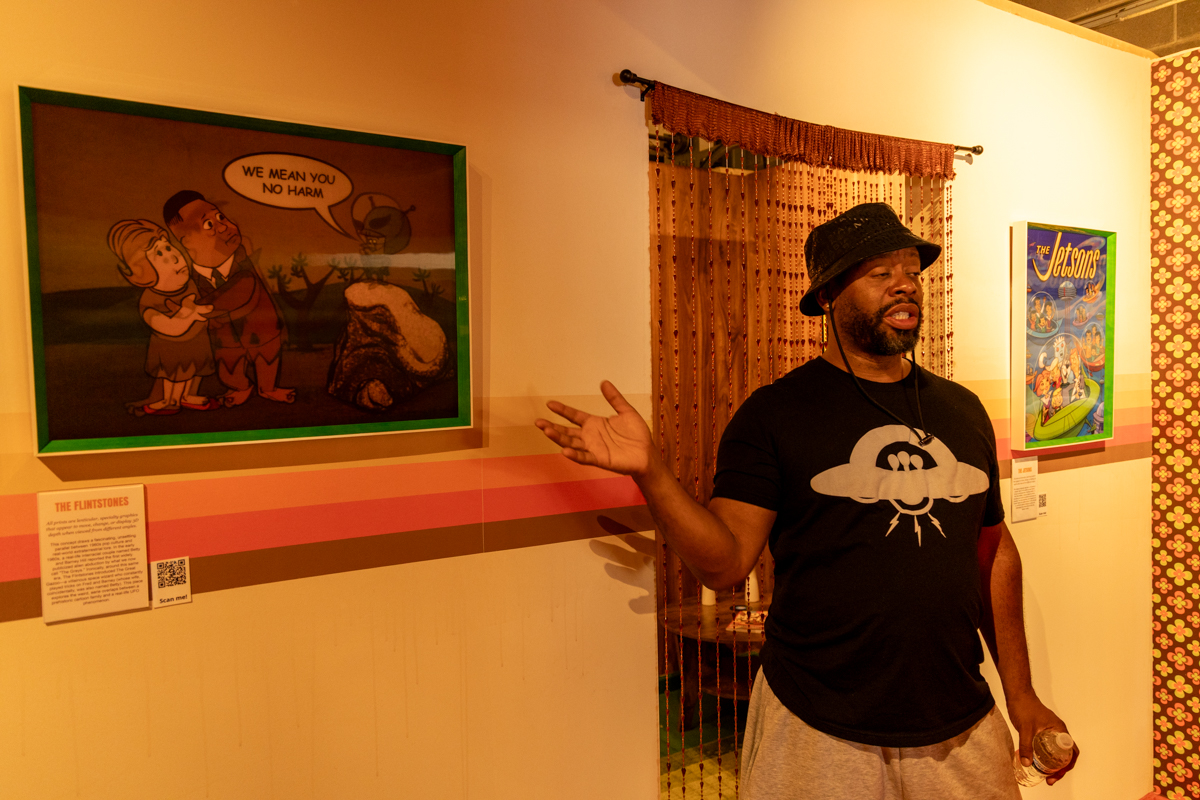
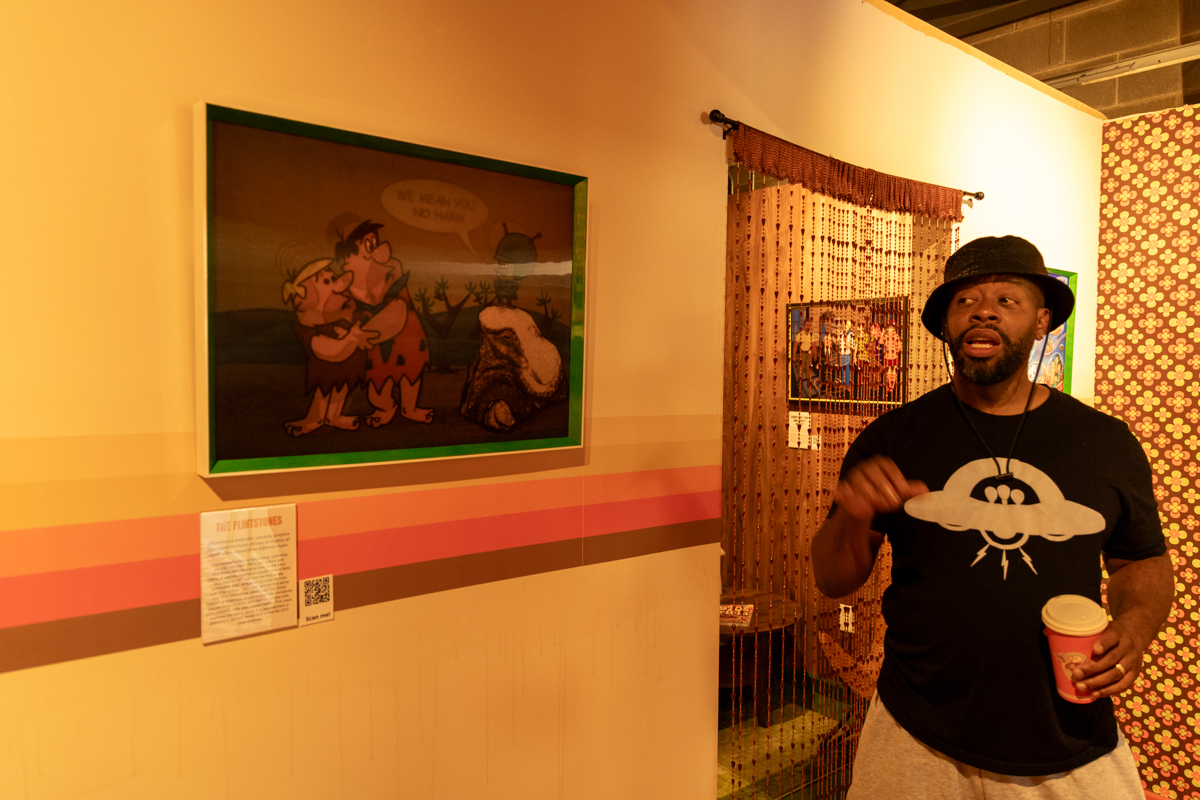
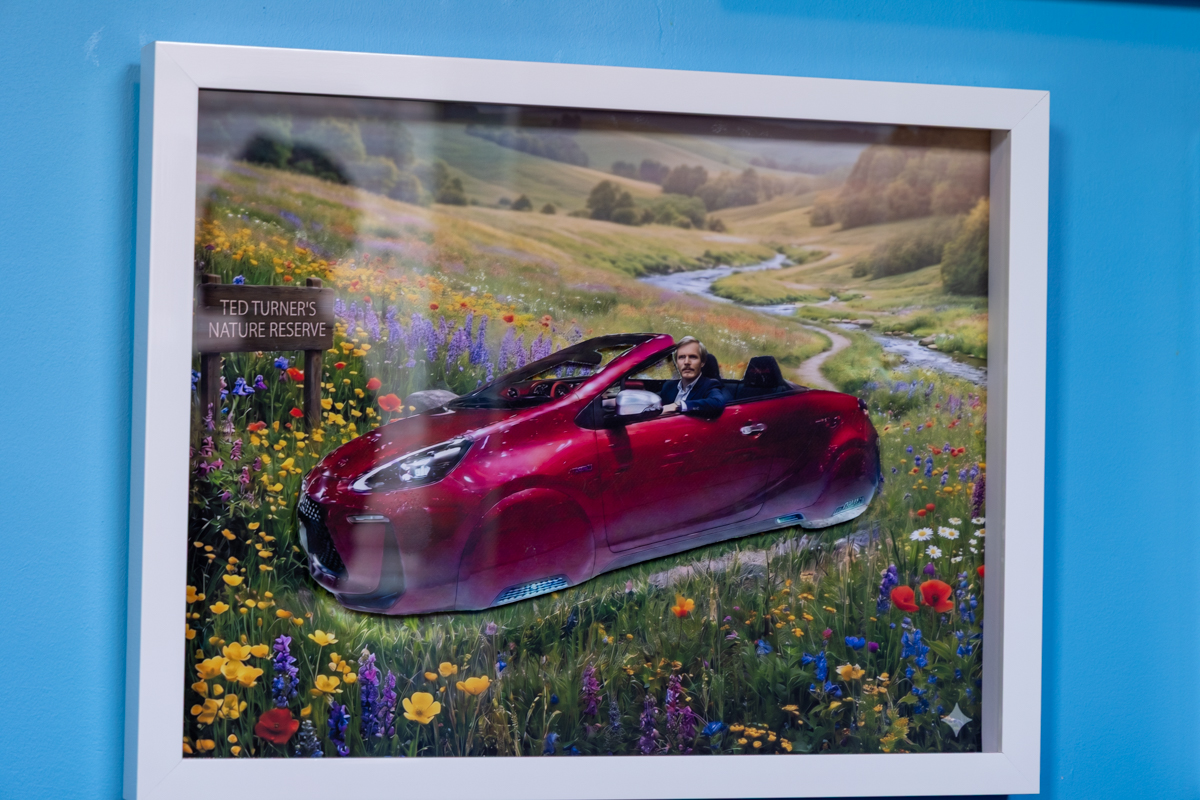
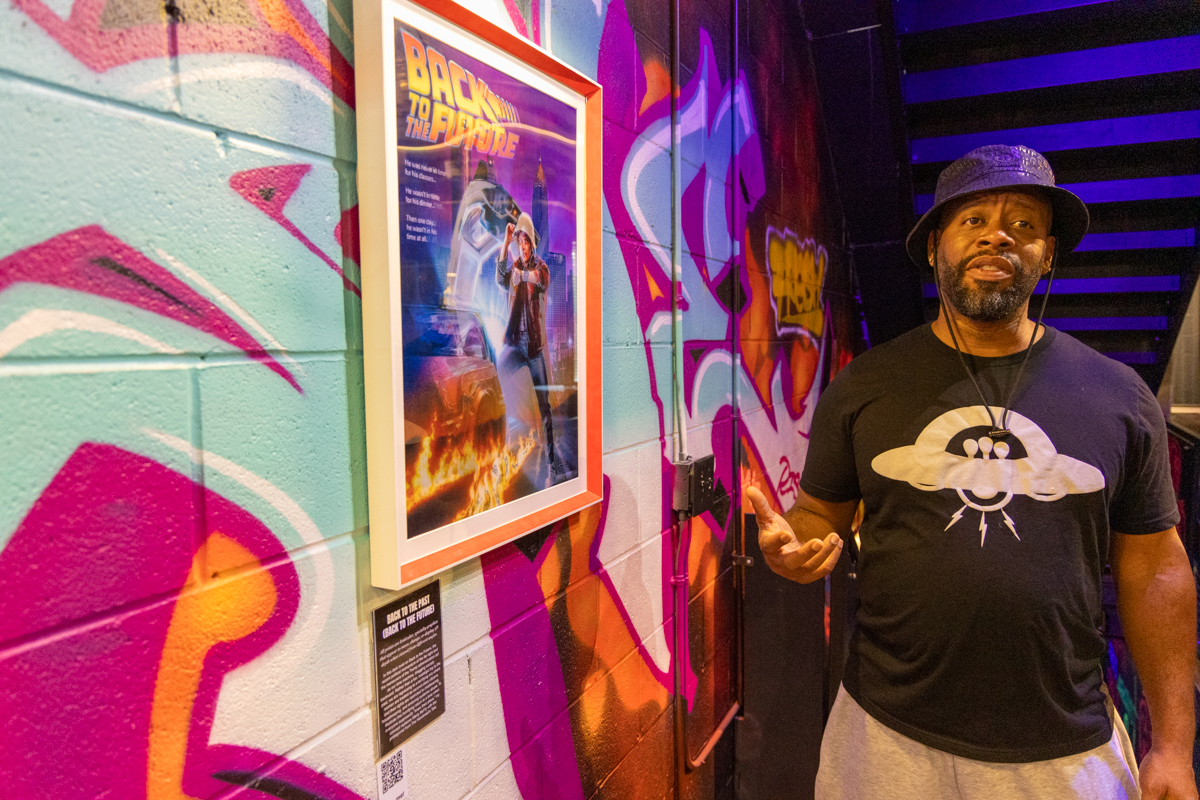
The work plays pop culture against themes of Black empowerment, and it doesn’t hide its disdain for President Donald J. Trump. Many pieces use lenticular printing, so the image changes as you move. A familiar original shifts into Williams’ own take.
Inside the Exhibit, Floor by Floor
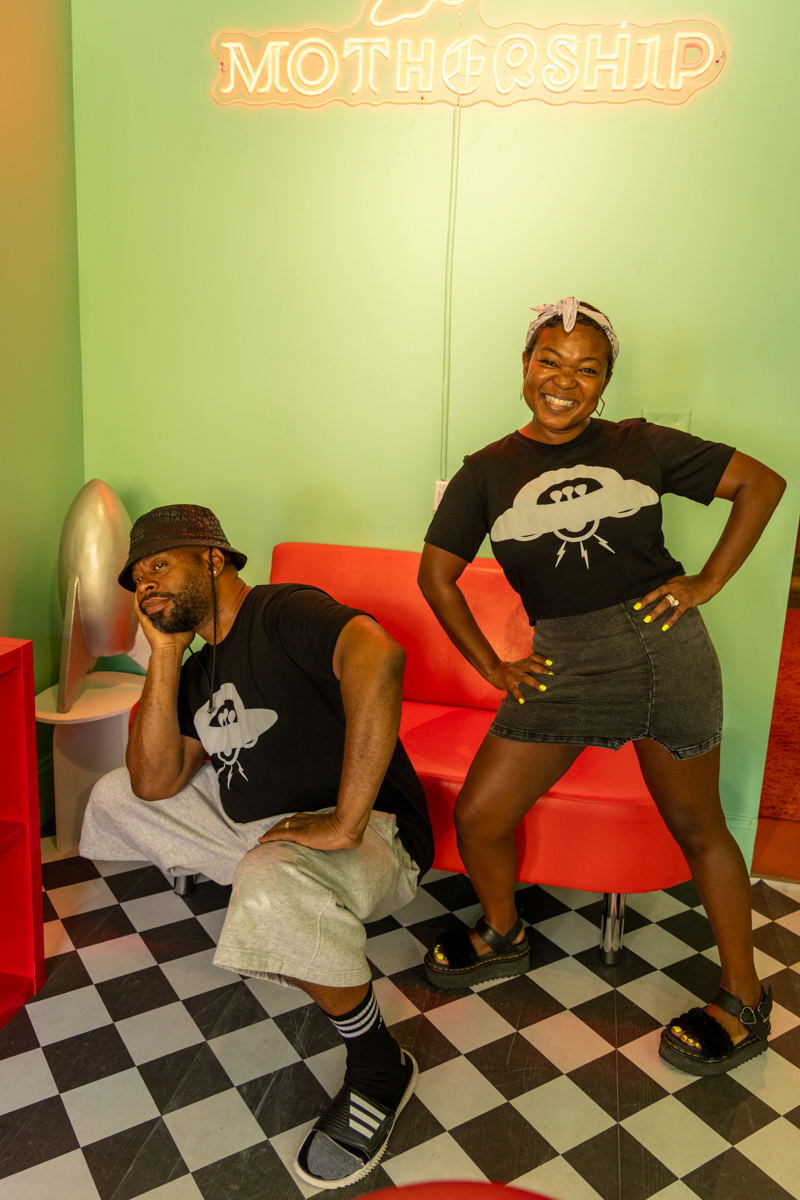
First floor: America in the 1950s. Mint green walls and checkerboard linoleum set the scene. The art draws on posters for “The Twilight Zone,” “Planet of the Apes,” and “Soylent Green,” which expose the fears and false assumptions white Americans held about Black Americans.
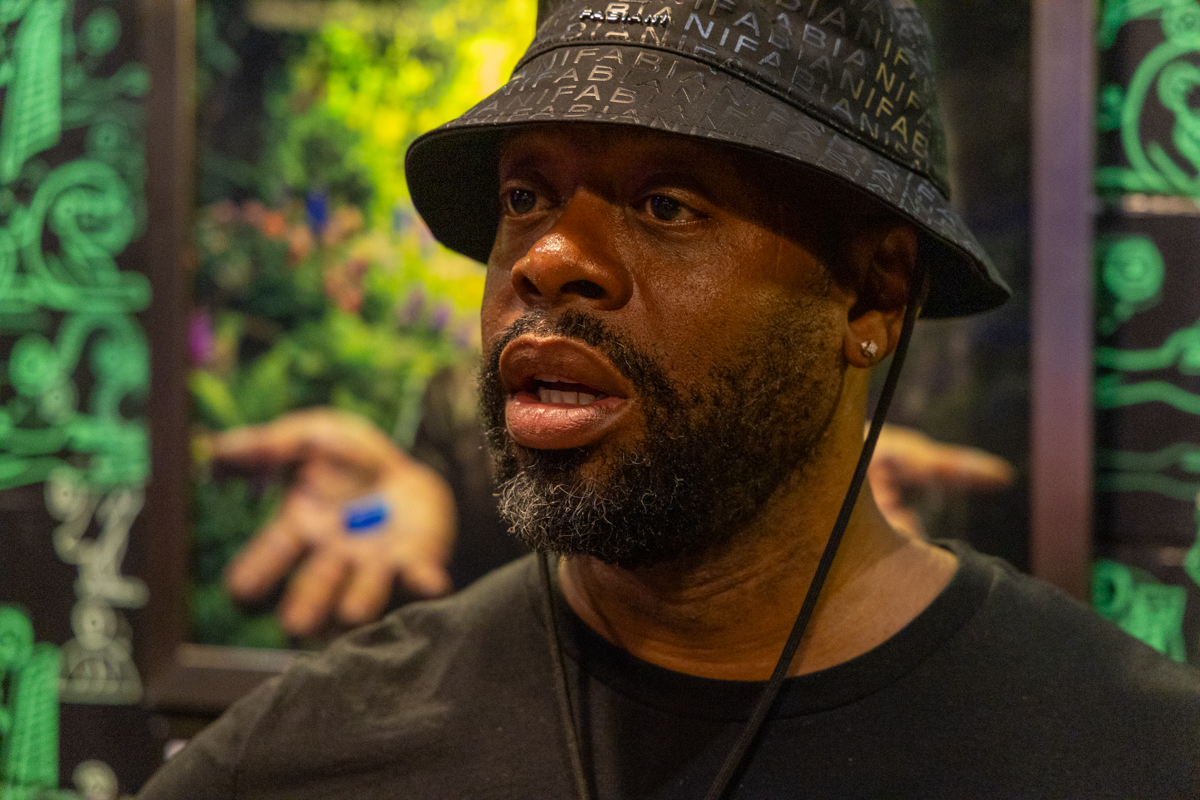
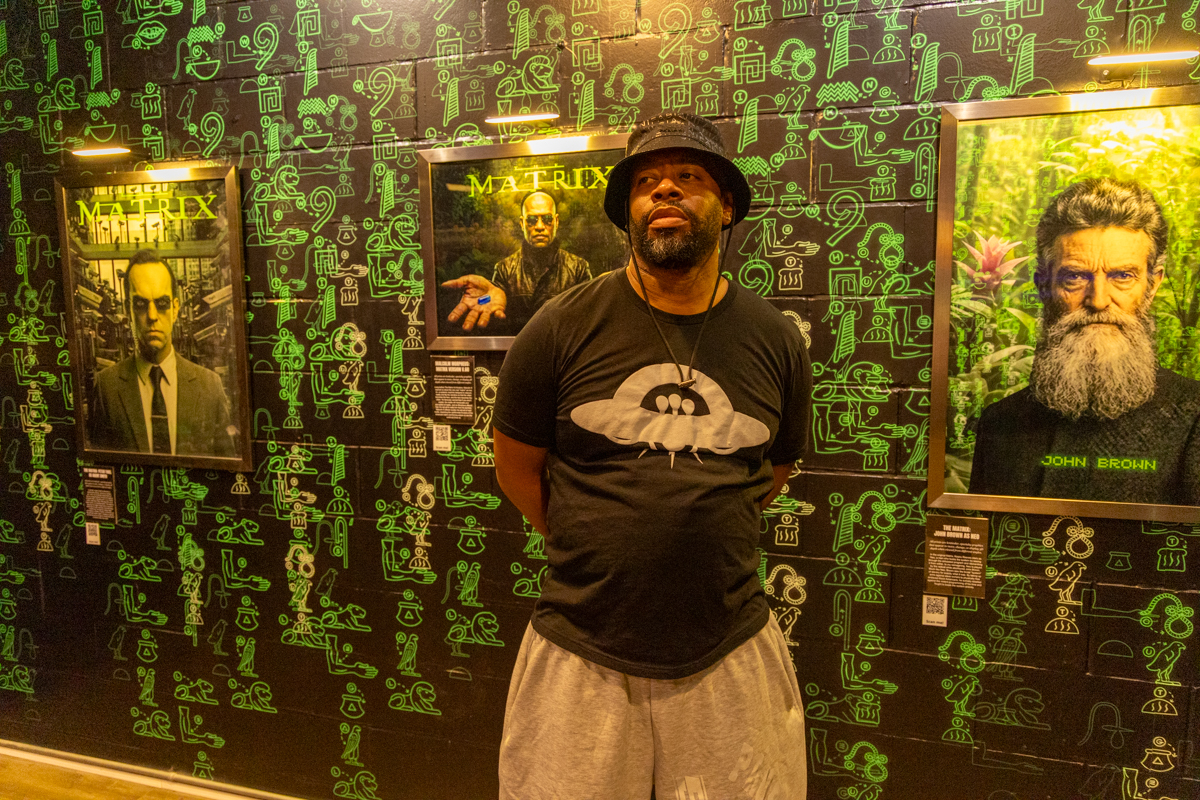
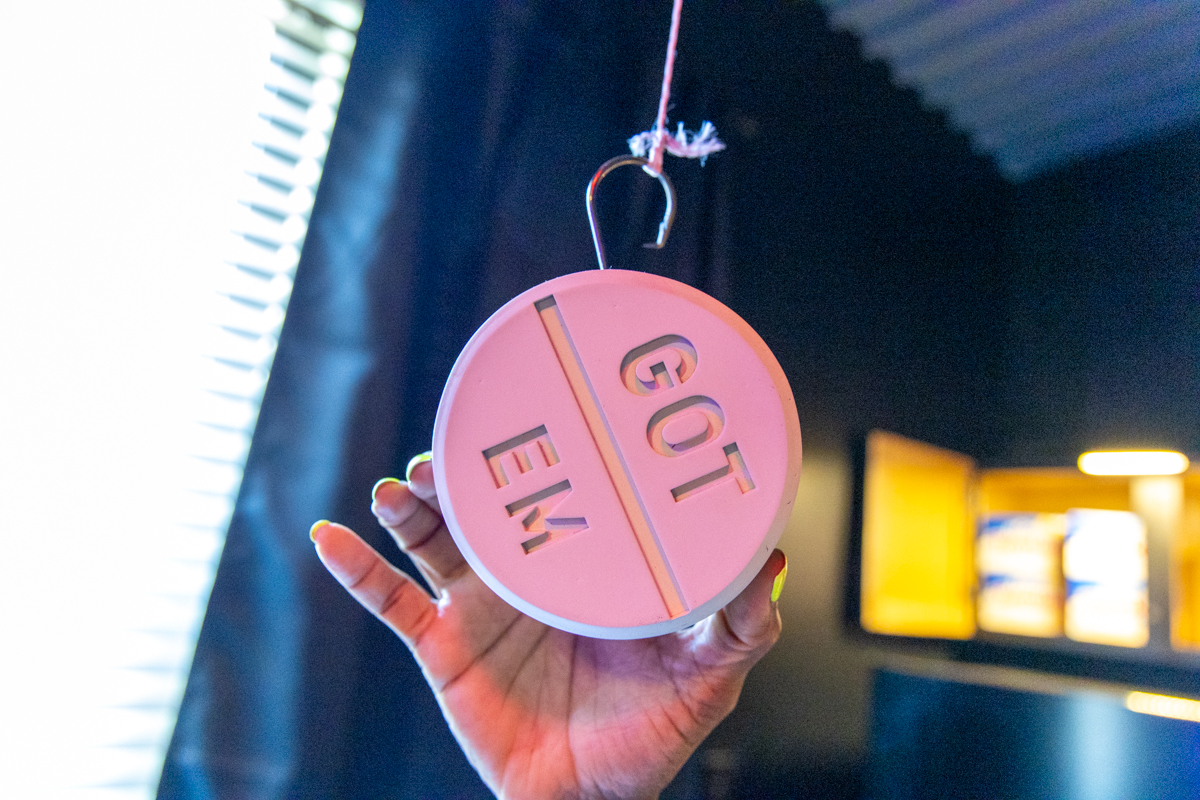
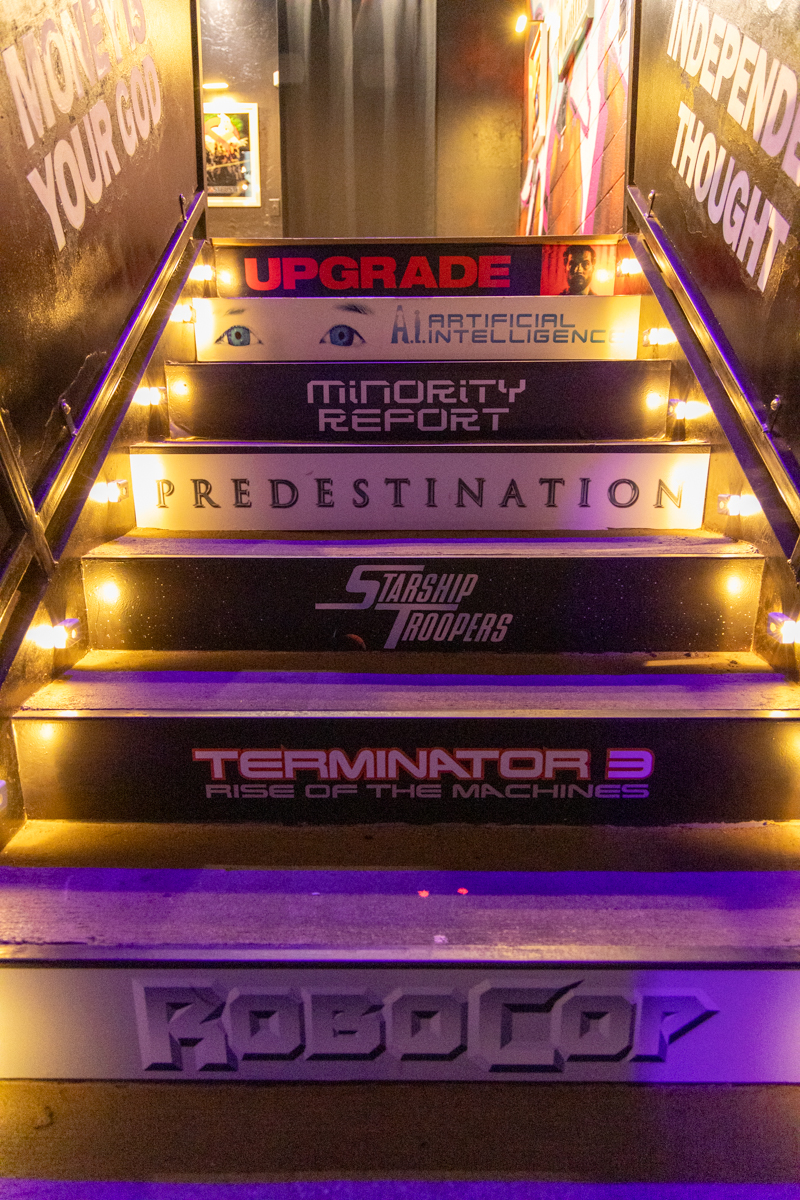
Second floor: the 1980s and 1990s. This level looks at the privatization of public life. The centerpiece of the 1990s section is “Malcolm Morpheus: Matrix Version v.68,” a lenticular print that flips between Morpheus from “The Matrix,” palms open with a red pill and a blue pill, and Malcolm X in the same pose. The wall text says Malcolm X “offered society the red pill of hard truths.”
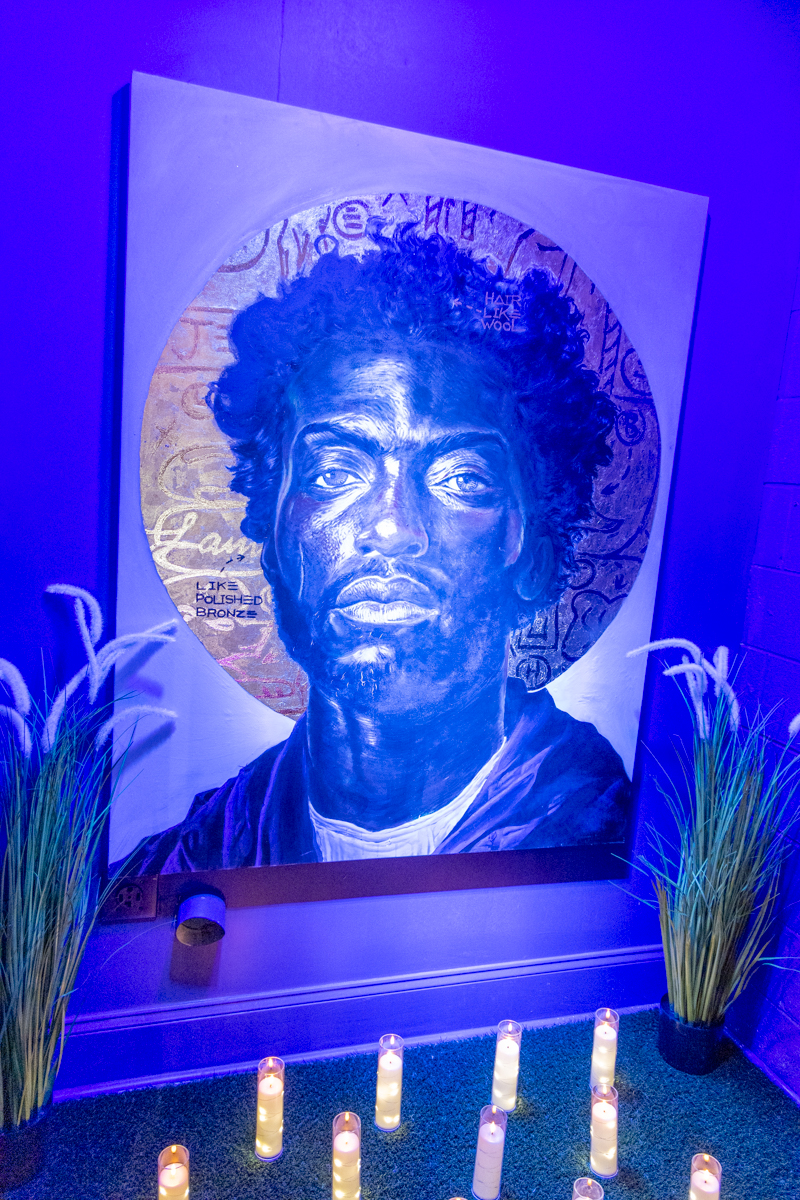
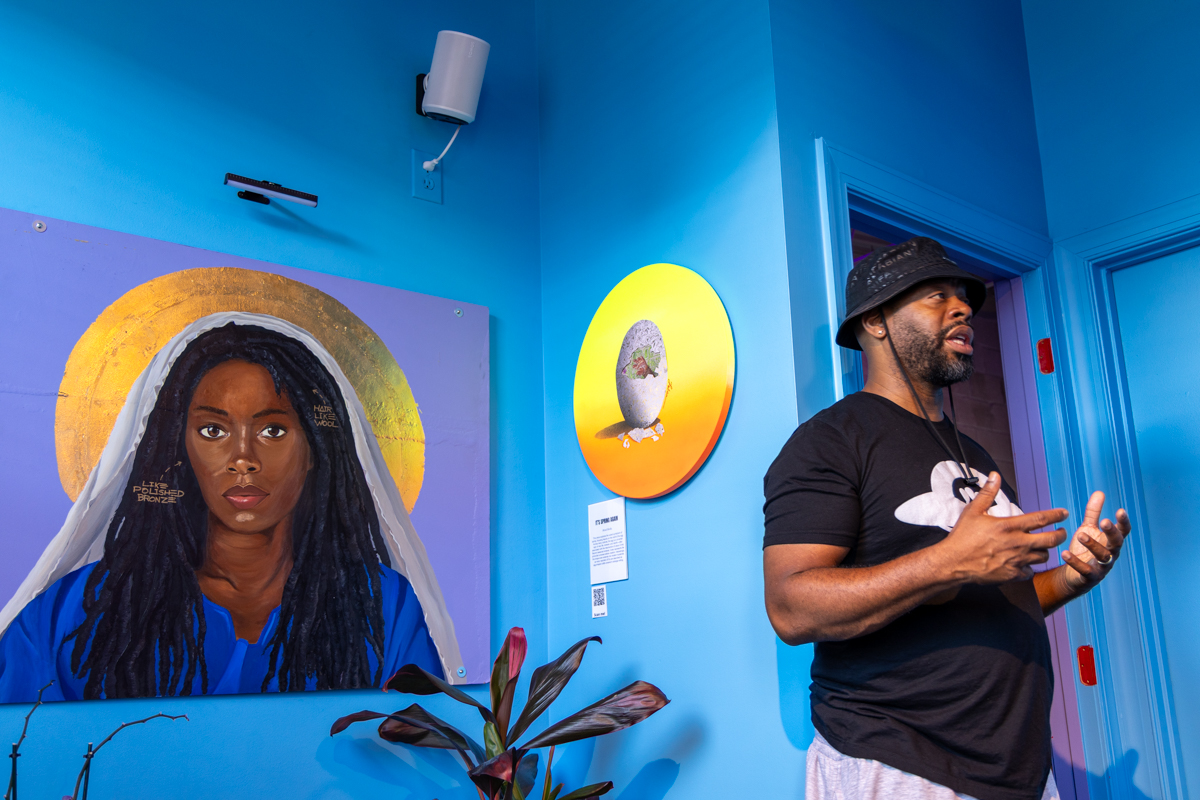
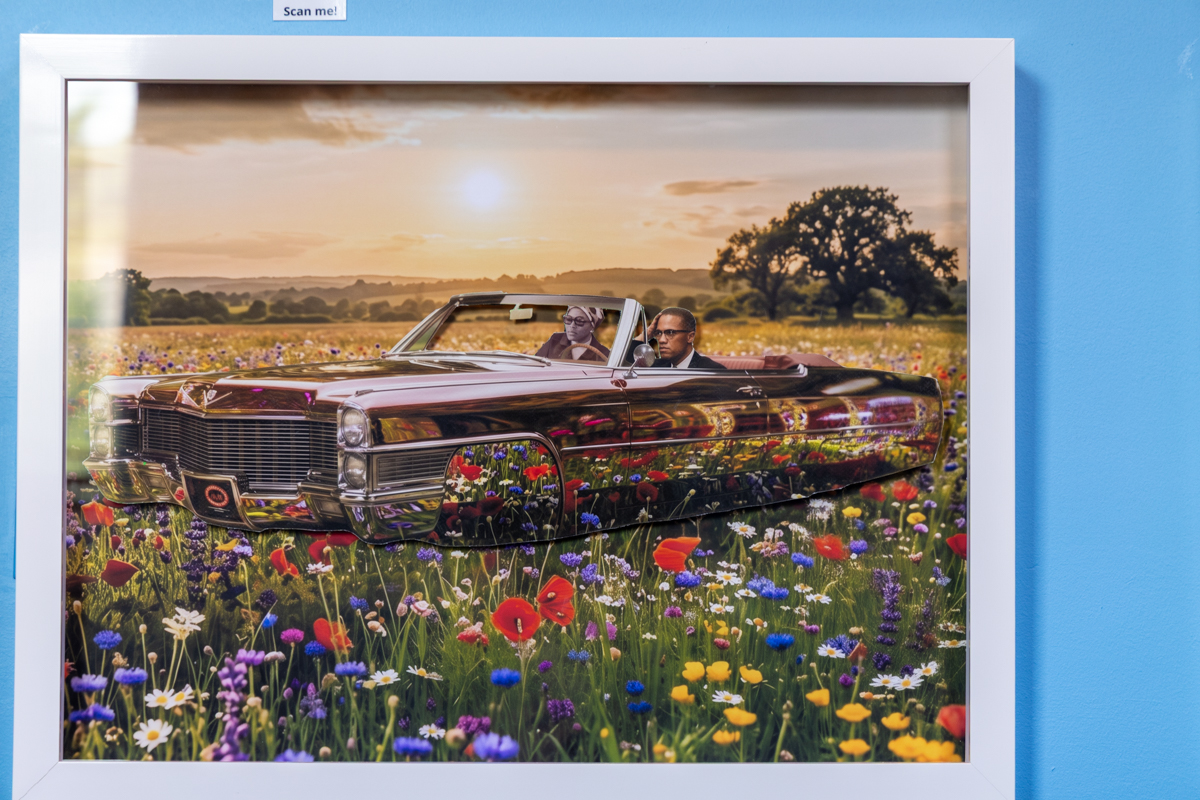
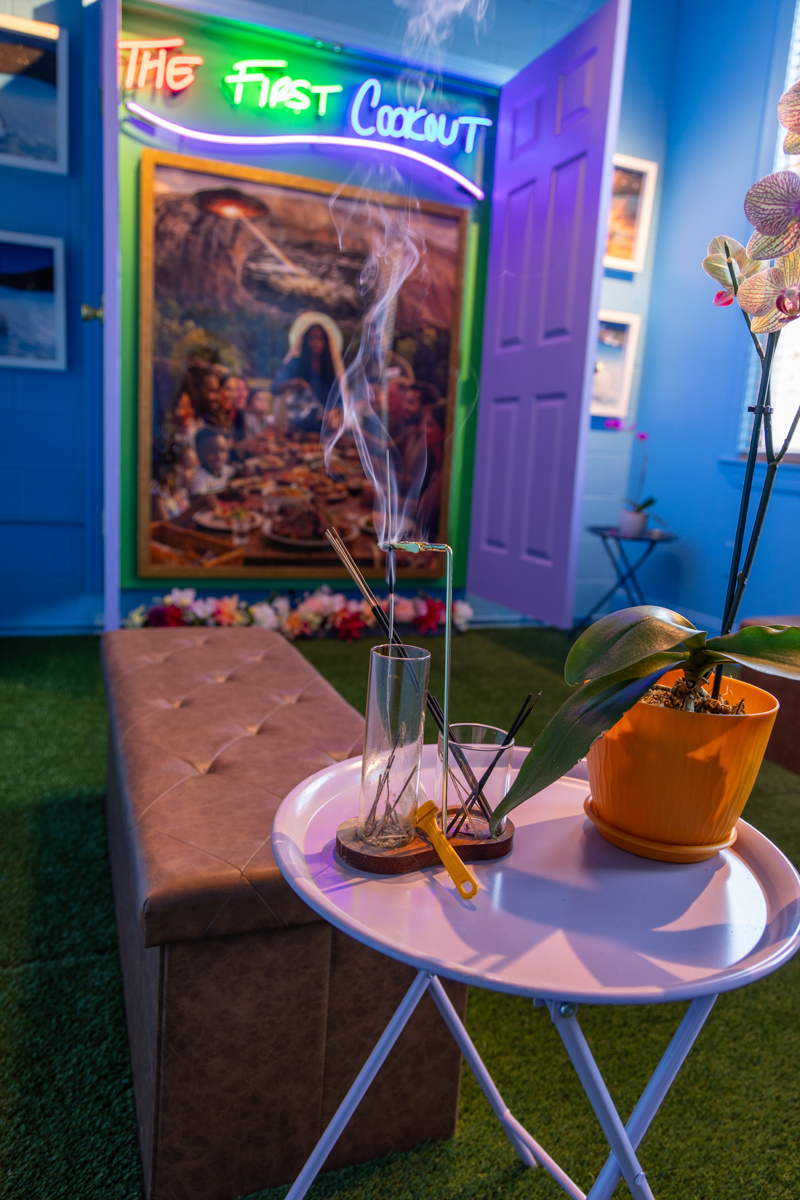
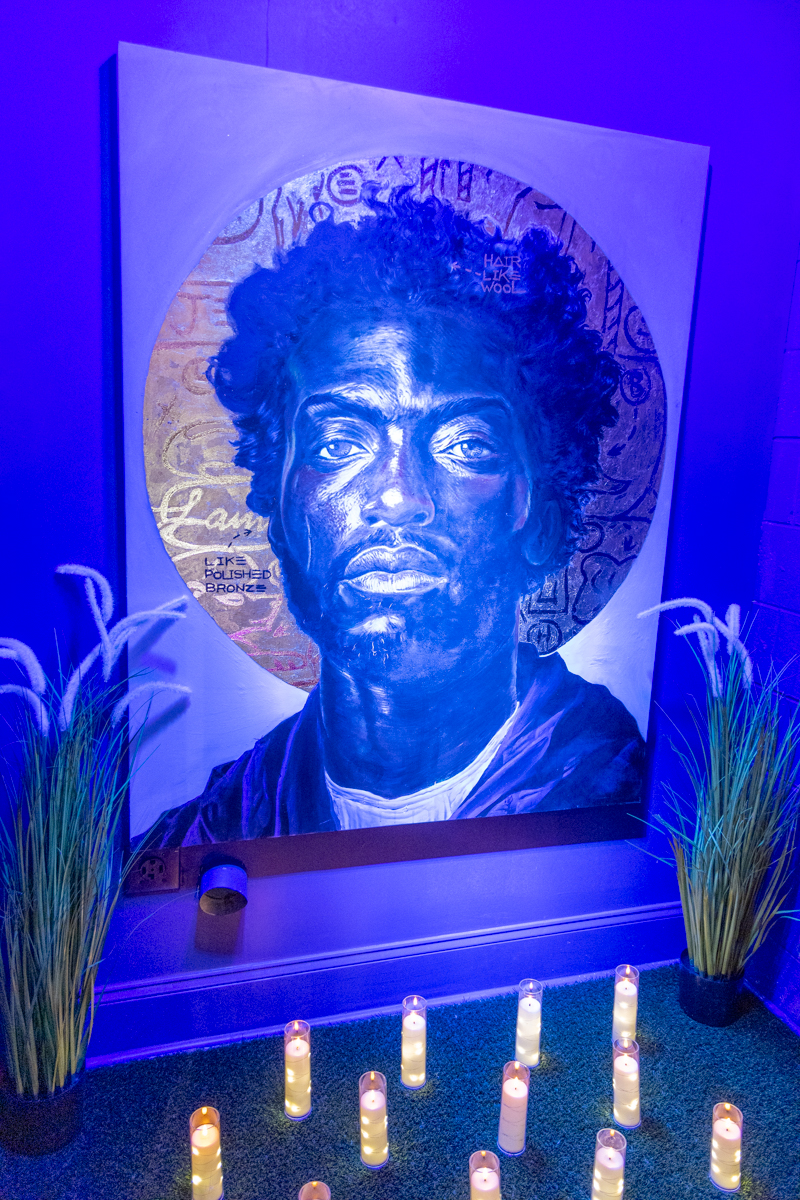
Third floor: Black Jesus and the Future Lab. A huge painting of Black Jesus greets you on arrival. The first room off the hallway, the Garden of Jza, breaks from Williams’ usual style. Its collages show civil rights figures, including Jimmy Carter, Martin Luther King Jr., and Malcolm X, alongside their spouses, drifting through peaceful landscapes in vintage cars.
The Future Lab is a lounge-style think tank with bean bag seating, curated music, and a black-lit “aether room.” Visitors are invited to write their hopes and prayers for the future on sticky notes and leave them behind.
Tickets and Admission
- General admission: $20 per person, includes one drink ticket
- RSVP without a drink: $15
- Children ages 5 to 16: $10
- Children under 5: $5
Buy tickets through Eventbrite at isawmothership.com. To support the exhibition, you can donate through Satellite Collective at secure.givelively.org/donate/satellite-collective-inc/mothership-atl.
-
- (Photo: Itoro N. Umontuen/Black Press USA)
-
- (Photo: Itoro N. Umontuen/Black Press USA)
-
- (Photo: Itoro N. Umontuen/Black Press USA)
-
- (Photo: Itoro N. Umontuen/Black Press USA)
-
- (Photo: Itoro N. Umontuen/Black Press USA)
-
- (Photo: Itoro N. Umontuen/Black Press USA)
-
- (Photo: Itoro N. Umontuen/Black Press USA)
-
- (Photo: Itoro N. Umontuen/Black Press USA)
-
- (Photo: Itoro N. Umontuen/Black Press USA)
-
- (Photo: Itoro N. Umontuen/Black Press USA)
-
- (Photo: Itoro N. Umontuen/Black Press USA)
-
- (Photo: Itoro N. Umontuen/Black Press USA)
-
- (Photo: Itoro N. Umontuen/Black Press USA)
-
- (Photo: Itoro N. Umontuen/Black Press USA)
-
- (Photo: Itoro N. Umontuen/Black Press USA)
-
- (Photo: Itoro N. Umontuen/Black Press USA)
-
- (Photo: Itoro N. Umontuen/Black Press USA)
-
- (Photo: Itoro N. Umontuen/Black Press USA)
-
- (Photo: Itoro N. Umontuen/Black Press USA)
-
- (Photo: Itoro N. Umontuen/Black Press USA)
-
- (Photo: Itoro N. Umontuen/Black Press USA)
-
- (Photo: Itoro N. Umontuen/Black Press USA)
-
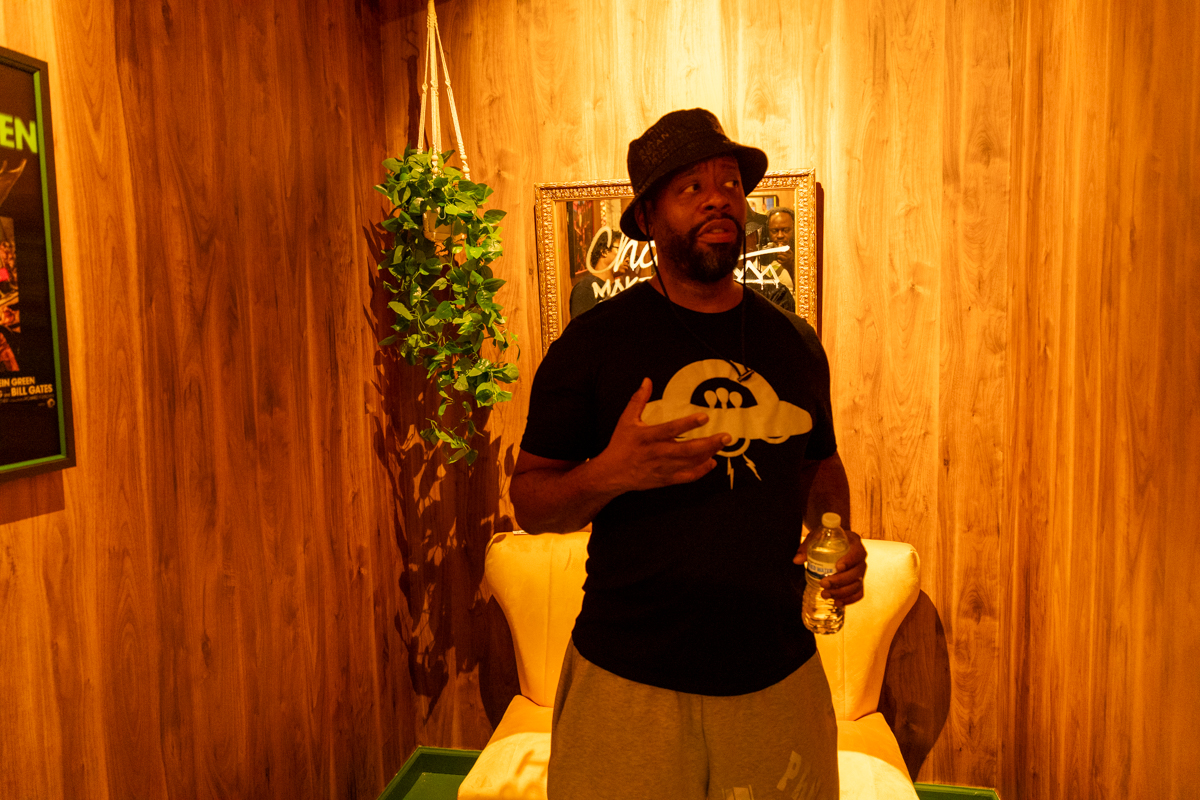
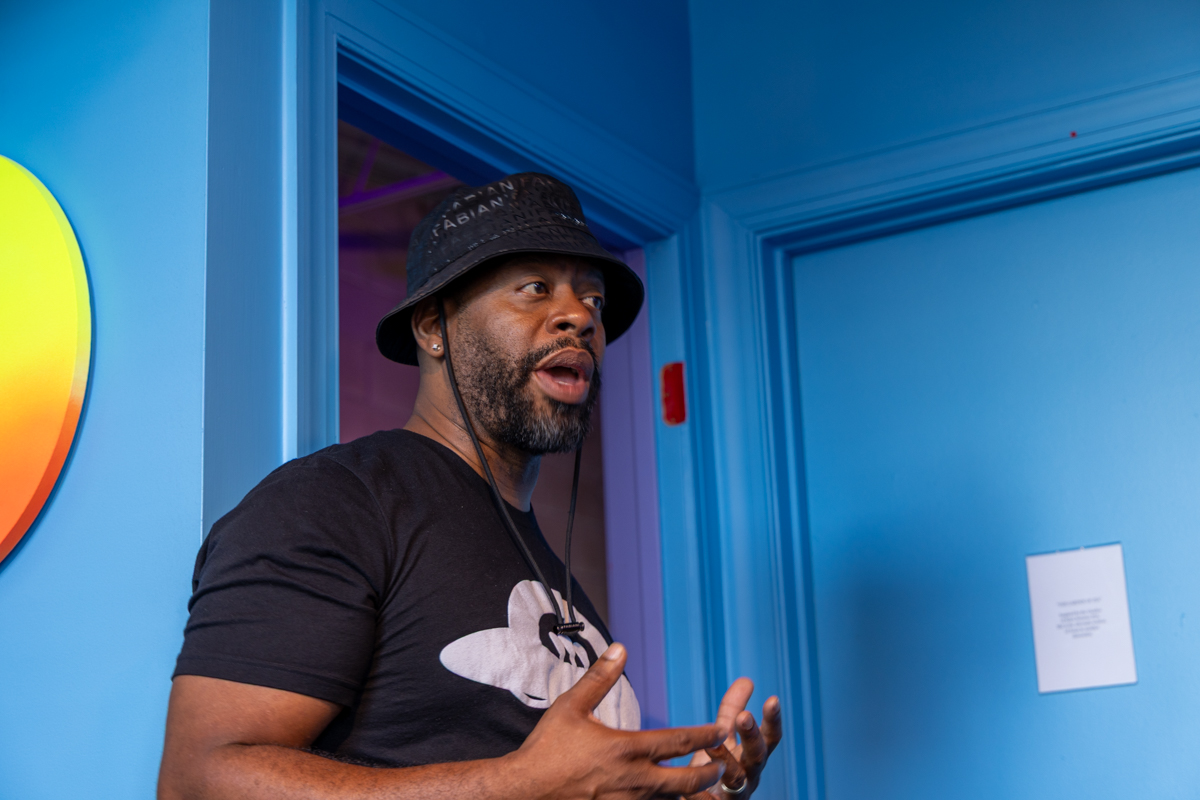
- Fabian Williams delivers a presentation inside his art installation, Mothership Sirius B in Atlanta, Georgia. (Photo: Itoro N. Umontuen/Black Press USA)
-

- (Photo: Itoro N. Umontuen/Black Press USA)
-
- (Photo: Itoro N. Umontuen/Black Press USA)
-
- (Photo: Itoro N. Umontuen/Black Press USA)
-
- (Photo: Itoro N. Umontuen/Black Press USA)
-
- (Photo: Itoro N. Umontuen/Black Press USA)
Art
BLACspace Cooperative Invites Bay Area to Experience Oakland’s Black Cultural Ecosystem Through a BLAC Map Tour + Party
BLACspace Cooperative invites the Bay Area to experience Oakland’s Black cultural ecosystem through its BLAC Map Tour + Party on October 2. Presented as part of the Museum of the African Diaspora’s Nexus: SF/Bay Area Black Art Week, the event offers a guided field trip through creative and cultural spaces, followed by a celebration. Guests will explore the people and places shaping Black arts and culture across Oakland. The tour highlights BLACspace’s interactive guide to spaces stewarded by its members. Read more to learn about this unique event.
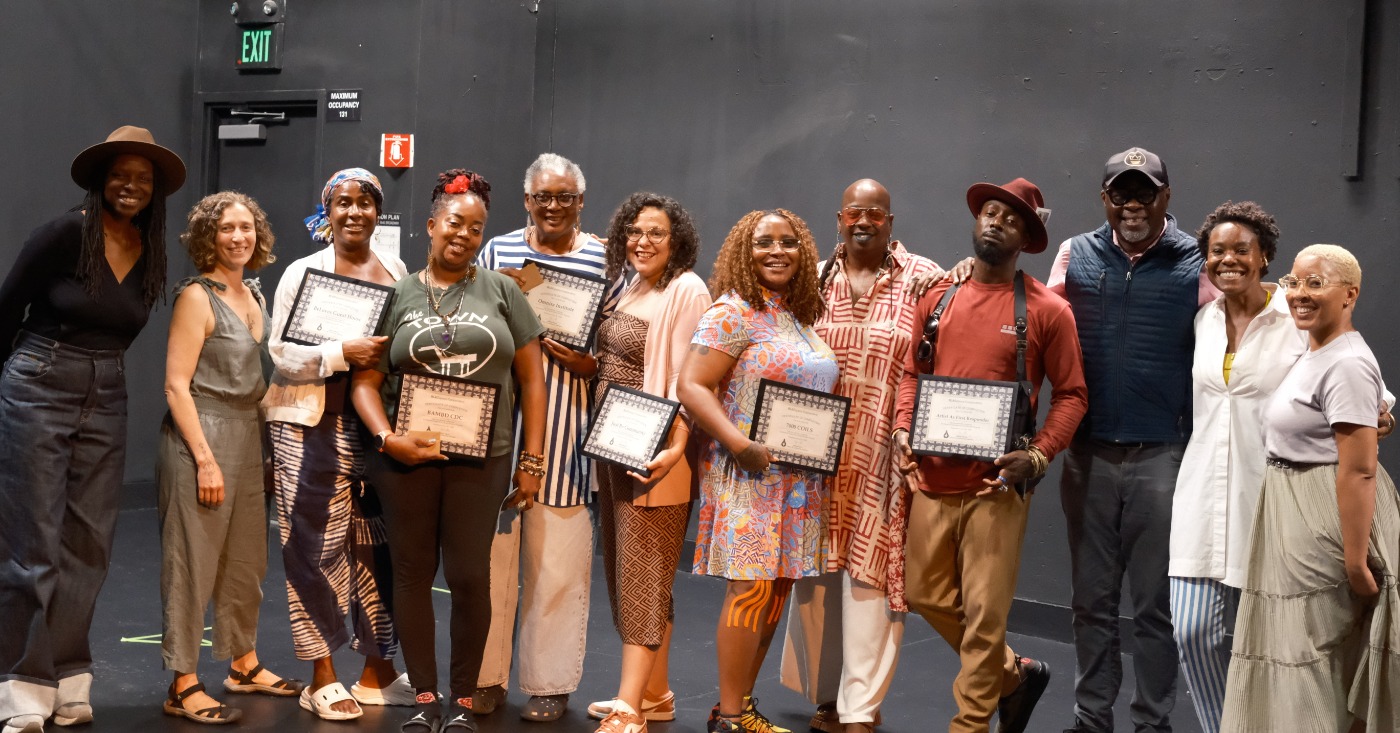
Presented as part of MoAD’s Nexus: SF/Bay Area Black Art Week, the October 2 experience takes guests inside the spaces, practices, and relationships that keep Black arts and culture rooted in Oakland
What does Oakland’s Black cultural ecosystem look like from the inside?
On Friday, October 2, BLACspace Cooperative will bring its BLAC Map to life with The BLAC Map Tour + Party, a two-part experience connecting artists, cultural workers, community partners, funders, and arts lovers with the people and places shaping Black arts and culture across Oakland and the greater Bay Area.
Presented as part of the Museum of the African Diaspora’s Nexus: SF/Bay Area Black Art Week, the day begins at MoAD at 685 Mission St. at 12 noon with a guided field trip through creative and cultural spaces connected to the BLACspace ecosystem.
Guests will travel together by bus from San Francisco to Oakland, stepping inside studios, cultural hubs, creative businesses, and gathering places while experiencing artist talks, exhibitions, film, music, movement, ancestral practice, and opportunities for conversation.
The Tour is an extension of The BLAC Map of Oakland, BLACspace’s interactive guide to creative and cultural spaces stewarded by members of its ecosystem. The map makes visible a network of people and places working to keep Black culture rooted in a city where displacement, rising costs, and shrinking arts funding continue to threaten cultural permanence.
“We call this work Cultural Reforestation,” said Zakiya Harris, Vision and Leadership steward of BLACspace Cooperative. “It’s about repairing, replenishing, and rooting Black arts and culture where it has been displaced, and creating the conditions for our cultural ecosystem to remain for generations to come.”
The Tour will move through several Bay Area cultural spaces, including Minnesota Street Project, The Barn, B-Love’s Guest House, Koo Labs Production & Design Center, BAM House, and BlaQyard, with experiences featuring members and collaborators across the BLACspace ecosystem.
At 5 p.m., the field trip gives way to The BLAC Map Party, a celebration of the ecosystem the Tour spent the day exploring. The evening invites the wider community to gather for music, food, art, cultural activations, an opening Ring Shout ceremony, and connection among Black artists, cultural workers, organizations, and the people who support their work.
The experience reflects BLACspace’s larger belief that the future of Black arts and culture requires cooperation.
As a Black arts and culture-promoting cooperative, BLACspace brings together artists, cultural workers, creative businesses, and organizations to share resources, relationships, knowledge, and stewardship.
Through membership, holistic business coaching, mutual aid, consulting, storytelling, and advocacy for cultural spaces, the cooperative is building infrastructure intended to strengthen Oakland’s Black cultural economy for the long term.
EVENT INFORMATION
The BLAC Map Tour + Party
Friday, Oct. 2
BLAC Map Tour: 12–5 p.m.
Begins at the Museum of the African Diaspora (MoAD)
685 Mission St., San Francisco
BLAC Map Party: 5–8 p.m.
Oakland, California
Party location provided to confirmed RSVP guests.
Tickets, RSVP information, and additional event details are available through BLACspace Cooperative at ABOUT BLACSPACE COOPERATIVE
About BLACspace Cooperative:
BLACspace Cooperative connects and cultivates an ecosystem of artists, cultural workers, creative businesses, and organizations shaping Black arts and culture. Through holistic business coaching, values-aligned consulting, shared stewardship, and advocacy for cultural spaces, BLACspace works to create the conditions for its ecosystem to remain rooted and thrive.
Its work is grounded in Cultural Reforestation: strengthening what is here, restoring what has been displaced, and building toward cultural permanence in Oakland and beyond for the next 100 years.
Adéniké Amin is the storytelling steward for BLACspace Cooperative. For media and other information, please reach out to [email protected]
Art
Peter Magubane: a Camera Against Apartheid
THE POSITIVE COMMUNITY — Peter Magubane, a pioneering South African photographer, dedicated his life to documenting the realities of apartheid. Born in 1932, Magubane began his career at Drum magazine in 1954, initially as a driver before becoming a photographer.
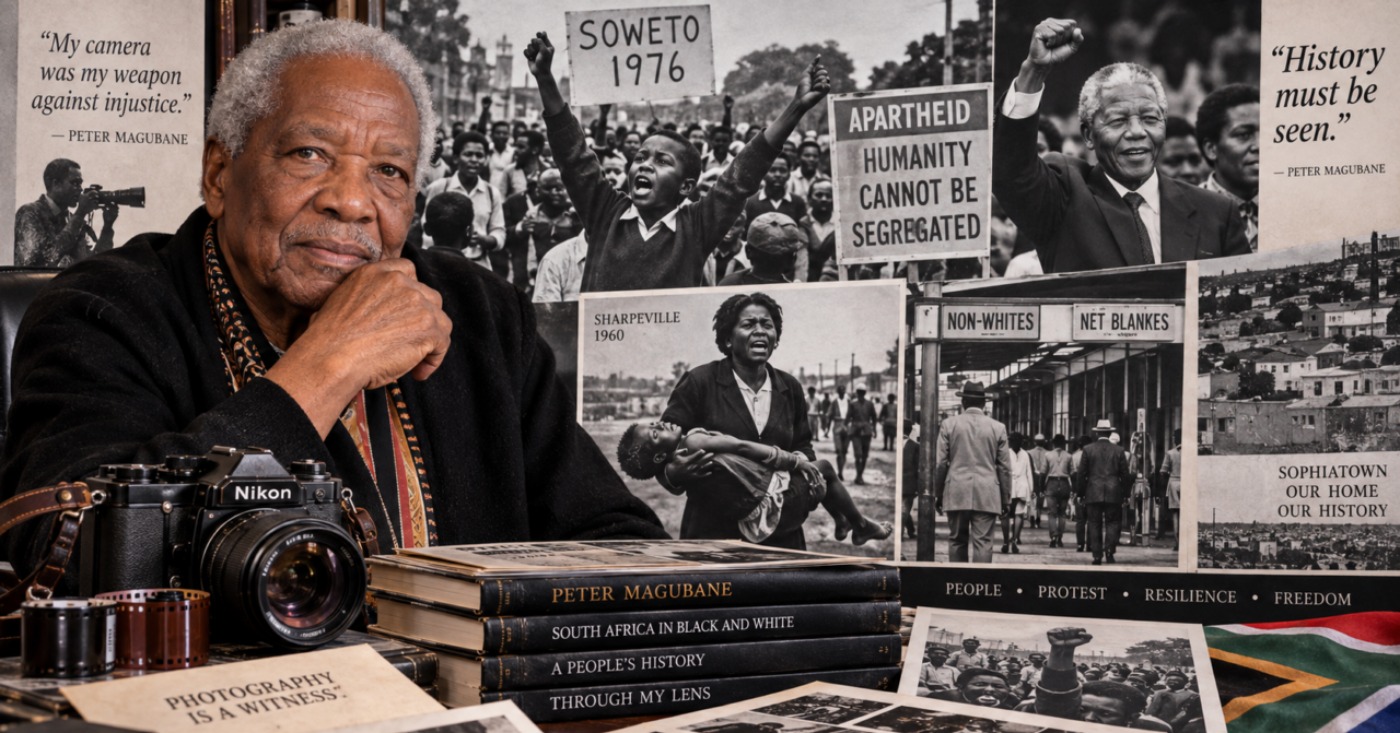
Peter Magubane was more than a photographer. He was a witness, storyteller, historian and courageous chronicler of one of the most turbulent periods in South African history. Born on January 18, 1932, in Vrededorp, Johannesburg, and raised in Sophiatown, Magubane discovered photography as a young boy after receiving a Kodak Brownie camera. That simple camera would eventually become his instrument for documenting the lives, struggles and determination of Black South Africans. He died on January 1, 2024, at the age of 91, leaving behind one of the most important photographic archives of South Africa’s apartheid era.
Magubane’s professional journey began at Drum magazine in 1954. He initially worked as a driver and messenger, but his ambition was to become a photographer. Under the mentorship of Drum’s legendary chief photographer Jürgen Schadeberg, Magubane developed his skills and began photographing major political and social events. His first significant assignment involved covering the 1955 African National Congress convention. From that point forward, photography became his way of documenting a country undergoing enormous change.
The South Africa that Magubane photographed was governed by apartheid, a system that legally enforced racial segregation and discrimination. For Black South Africans, everyday life was shaped by restrictions on where they could live, work and travel. Magubane did not limit himself to photographing politicians or famous leaders. He photographed ordinary people—children, workers, families and communities—giving the outside world a visual record of what apartheid meant in everyday life.
One of the defining moments of Magubane’s career came in 1960, when he photographed the aftermath of the Sharpeville Massacre. His photographs helped bring international attention to the violence surrounding resistance to apartheid. He also photographed the 1956 women’s anti-pass march, the Rivonia Trial involving Nelson Mandela and other activists, and numerous other events that became part of South Africa’s historical record.
Magubane paid an enormous personal price for his work. In 1969, he was arrested while photographing protesters outside Pretoria Central Prison. He was subsequently held in solitary confinement for 586 days. After his release, the apartheid government placed him under a banning order that severely restricted his ability to work and move freely. Yet the restrictions did not convince him to abandon photography. Instead, they demonstrated just how powerful the authorities believed his photographs could be.
In 1976, Magubane documented the Soweto Uprising, when thousands of Black students protested against the apartheid government’s education policies. His photographs captured young people confronting police violence and became some of the most internationally recognized images of the uprising. Despite the danger, Magubane continued photographing what was happening around him. His work transformed individual moments of protest into permanent historical evidence that could not easily be erased.
His creativity was matched by his determination to get the picture. Because authorities restricted photographers and attempted to prevent journalists from documenting certain events, Magubane sometimes concealed his camera in unusual places, including a hollowed-out Bible, bread and other objects. These methods allowed him to continue working when openly carrying a camera could attract police attention. His photographs demonstrated that documentary photography sometimes requires not only technical ability but extraordinary courage and resourcefulness.
After Nelson Mandela was released from prison in 1990, Magubane entered another important chapter of his career. He became Mandela’s official photographer and documented the transition toward democracy, including significant moments surrounding South Africa’s first democratic election and the Truth and Reconciliation Commission. The photographer who had spent decades documenting resistance now had the opportunity to photograph a country moving toward a new political era.
Magubane’s legacy extends far beyond the individual photographs he made. He published numerous books, exhibited internationally and received major honors, including an honorary Doctor of Literature from the University of Cape Town in 2010. His photographs remain part of the historical record because they show not only the brutality of apartheid but also the humanity, resilience and determination of the people who lived through it.
Peter Magubane ultimately demonstrated the extraordinary power of photography. He understood that a photograph can preserve a moment long after the people who witnessed it are gone. His camera recorded injustice, resistance, suffering, courage and eventually freedom. For photographers today, his life offers an enduring lesson: photography is not simply about making beautiful pictures—it can also be about seeing clearly, standing close to history and making sure that important stories are never forgotten. Magubane’s photographs gave South Africa a visual memory, and his life’s work reminds every photographer that sometimes the most important picture is the one that history needs someone brave enough to make.
Based on reporting by The Positive Community.


Style Takes Center Stage at the 39th Annual Salute to Excellence in Education

Car Review: Seat Comfort & Dashboard Glare Issues #shorts

134 Black-Owned Banks Founded: See How Many Remain Today! #shorts

Dr. Earleen Patterson’s 30 Year Legacy of Education and Service at SIUE

Latinas Deserve Equal Pay. Unions Help Make It Happen.

Defender ONE-on-ONE: U.S. Rep. Christian Menefee

Unlock Your Best Auto Loan: Ask These Questions! #shorts

News Observer Weekly — October 7, 2026 | Top 5 Stories of the Week

Atlas Family Comfort: Worth the Extra Cash? #shorts

Antron Brown Takes His Impact Beyond the Racetrack

Latest Massacre in Haiti Reveals Cruelty U.S. Deportations

The Youngest American Killed in the Vietnam War

Booked and Unbound: The Legacy of Black Women’s Literary Circles

Passing for White, Fighting for Black America: The Courage of Walter White

OPINION: Nolan Wells’ Death One of Several Signifying Racial Terror Lives on in U.S. South

Prostate Cancer is Twice as Likely to Kill Black Men. Talking to Your Doctor Could Help Save Your Life

OP-ED: Haiti TPS: Have We Lost Sense of Humanity?

OP-ED: If AI Is the New Language of Power, Then NAN Wants Black Communities Fluent

OP-ED: How Does Your State Rank for Pre-K?

Henry O. Flipper: A Trailblazer at West Point and Beyond
Style Takes Center Stage at the 39th Annual Salute to Excellence in Education
Car Review: Seat Comfort & Dashboard Glare Issues #shorts
134 Black-Owned Banks Founded: See How Many Remain Today! #shorts
Dr. Earleen Patterson’s 30 Year Legacy of Education and Service at SIUE
Defender ONE-on-ONE: U.S. Rep. Christian Menefee
Unlock Your Best Auto Loan: Ask These Questions! #shorts
News Observer Weekly — October 7, 2026 | Top 5 Stories of the Week
Atlas Family Comfort: Worth the Extra Cash? #shorts
Antron Brown Takes His Impact Beyond the Racetrack

Headlines and Hot Topics with Rodney Perry
-
 Black Press1 week ago
OP-ED: Haiti TPS: Have We Lost Sense of Humanity?
-

 Black History1 week ago
Rulings Leave Questions Lingering in Nolan Wells Case
-
 Black History1 week ago
Baptist Minister Says Black Church Champions for Civil Rights to Reign but Hesitates to Let Black Women Lead
-
 Black History1 week ago
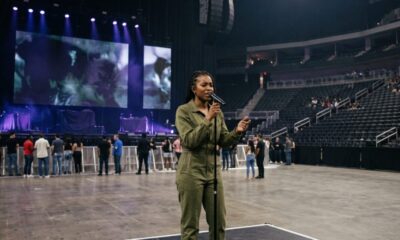
Why Black Artists Struggle to Sell Tours
-

 Auto1 week ago
Consumers and States Awarded $694 Million After Predatory Auto Lender Settles Lawsuit
-

 Black Press1 week ago
A Viral Moment with Purpose: Keep Your Head Up Gives Back
