
Featured
Delay Motherhood: What you need to know about egg freezing
Thinking about delaying motherhood? Dr. Timothy Hickman explains the egg-freezing process, fertility timelines, and what you need to know before you start.


Dr. Timothy Hickman, medical director of CCRM Fertility Houston, explains what women should know about egg freezing and why timing matters when delaying motherhood.
More women are waiting until their 30s to start families. Hickman breaks down how fertility changes with age, what the four-to-six-week egg-freezing process involves, and the biggest myth about freezing your eggs. We also look at fibroids, which are most common in Black women, and why it’s worth checking what your employer’s benefits cover.
In this video, you’ll hear about:
• How chances of having a baby naturally drop at 35 and 40
• How egg freezing works and how long it takes
• Why egg freezing doesn’t use up your eggs or cause menopause
• Fibroids and fertility in Black women
• Cost and checking your employer benefits
Chapters
0:00 Why timing matters
0:11 Keeping the choice open
0:19 How egg freezing works
0:30 The biggest myth
0:43 Fibroids and cost
0:57 Not a perfect insurance policy
Thinking about your options? Talk to your doctor about your fertility status and ask your employer’s benefits department what’s covered. Read the full story at DefenderNetwork.com.
Visit Our Website
Read more stories by our team
https://defendernetwork.com/category/news/opinion/
Sign-up for the Top 5 newsletter
Donate/ Support Our Work







Black Press
Experts Convene to Make the ‘Early Connections’ that Matter for Children’s Health, Learning
BLACKPRESSUSA NEWSWIRE — “Early Connections: Building Bridges for Brighter Futures,” was hosted by the Equity Research Action Coalition at UNC’s Frank Porter Graham (FPG) Child Development Institute, along with several partners, including the state Division of Child Development and Early Education and UNC’s Department of Maternal and Child Health.

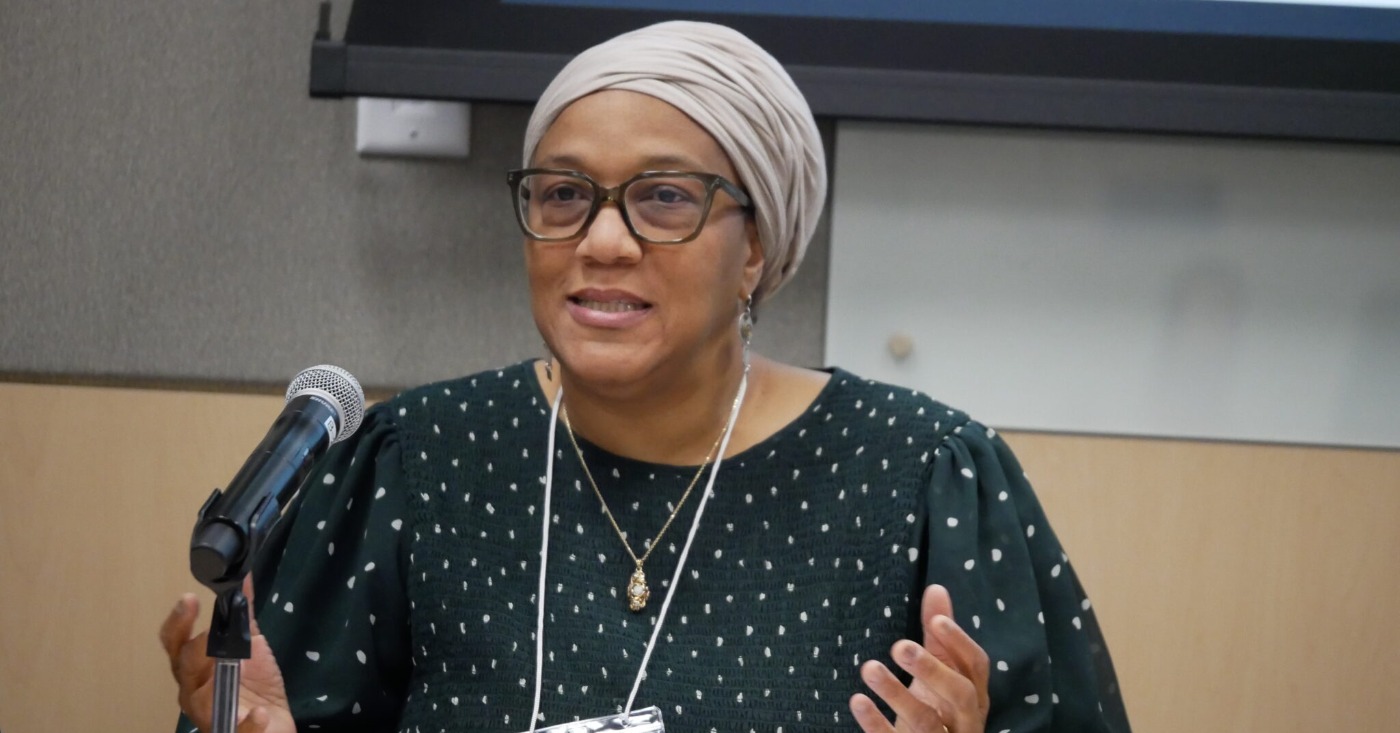
As children enter the world, research says the level of support babies, mothers, and families receive makes a lasting impact on children’s health and well-being.
“The bonds formed in the earliest years between caregivers and children, between families and communities, between systems and the people that they serve really shape a lifetime of well-being,” said Alessandra Bazzano, chair of University of North Carolina-Chapel Hill’s Department of Maternal and Child Health at a conference held at the university.
Yet too often, services during pregnancy and through the early years of life are fragmented — or nonexistent — advocates, researchers, and practitioners said at the event.
“Early Connections: Building Bridges for Brighter Futures,” was hosted by the Equity Research Action Coalition at UNC’s Frank Porter Graham (FPG) Child Development Institute, along with several partners, including the state Division of Child Development and Early Education and UNC’s Department of Maternal and Child Health. It convened leaders across policy, philanthropy, research, advocacy, and practice with the goal of creating new partnerships that better serve young children and families.
“We must ensure that there’s a through line from healthy pregnancies and births to infancy to entry into high-quality early childhood education settings, because we know that the first three years of life is essential and important for healthy brain development,” said Brian Boyd, director of the FPG Institute.
Iheoma Iruka, director of the Equity Research Action Coalition, planned the event to bring together individuals and agencies that are not often in conversation yet serve the same communities, including experts on early care and education and infant and maternal health.
Building authentic and new relationships matters now more than ever, Iruka said.
“We are living through a moment of profound change — from climate change and natural disasters, to the rapid rise of artificial intelligence, to shifting global relationships and increasingly complex interdependence across communities, institutions, and nations,” Iruka said. “These changes bring real opportunities for innovation, for collaboration, and for addressing longstanding inequities, but they also bring tension, uncertainty, and difficult questions and conversations.”
‘Prenatal care makes a difference’
During pregnancy, the services available to mothers and families vary widely.
Many mothers, especially in rural areas, struggle to access prenatal care and must drive far from their homes to reach hospitals to give birth. About 28% of mothers in 2024 did not receive prenatal care in the first trimester of their pregnancies, according to the North Carolina Maternal and Infant Health Dashboard.
“Prenatal care makes a difference — making sure that they are educated during those visits, that you talk about nutrition, that you talk about hydration and proper exercise, that you get into what kind of food do you have in your cabinet at the house,” said Tina Braimah, director of Aya Birth & Community Wellness in Durham and a panelist at the convening.
Thirteen counties in northeastern North Carolina have no hospital, according to an investigation published by Carolina Public Press on the “the desertification of women’s health care in rural counties.” The region experienced a net loss of 11 delivery rooms from 2013 to 2023. In the far western part of the state, five counties have no hospital, and the region had a net loss of 13 delivery rooms over the same period.
These gaps in access show up in babies’ birth outcomes, several experts at the convening said. North Carolina had the 18th highest infant morality rate in the country in 2024, and mortality rates are uneven across race.
Black babies were nearly three times more likely to die in the first year of life than white babies in 2024. Black mothers were 1.6 times more likely to die from a cause related to their pregnancies than white mothers in 2018 and 2019, according to a February 2024 report from the North Carolina Maternal Mortality Review Committee.
“That ought to be a great concern to all of us,” said Sen. Jim Burgin, R-Harnett, on the racial disparities in infant mortality. Burgin, a panelist at the convening, has advocated for maternal and infant health efforts at the state legislature.
“One of the goals I set was to reduce infant mortality in the Black community by half, and I don’t see that happening,” Burgin said. “So you all need to tell us what we need to do.”
Improving maternal and infant health requires ensuring families’ basic needs are met, Braimah said.
“The other part of it is making sure they have everything they need — that they’re not stressed out, that you have access to medicine … that you have access to food,” she said. “It’s about so much more than just the prenatal care and having a baby.”
Transforming rural maternal health
Researchers from North Carolina Central University’s Center for Health Disparities Research shared several efforts to link families, particularly those in marginalized communities, with research and services that improve their health.
For example, the university’s Rural Health Hub, based in Halifax County, launched a Community-Based Doula Program in 2025 that trains individuals from rural northeastern counties to work as doulas in their communities. The program has graduated 22 doulas, 18 of whom are focused in northeastern counties, with another cohort planned this year.
“Our goal is definitely to be able to utilize this program as a means and a way to help transform maternal health outcomes across rural North Carolina,” said Undi Hoffler, director for the Office of Research Compliance and Technology Transfer at NC Central. “We’re starting in the northeast, but we hopefully will be expanding widely.”
The hub provides scholarships for those who already live in the counties in which they will provide doula services.
“We are also establishing trust, because these are people that you see in the grocery store, you go to church with, you work with, and so there’s a relationship already there,” Hoffler said.
The researchers said their efforts are informed by the families and communities they serve.
“We don’t want to just work on the community, we want to work with the community, and that’s our role,” said Seronda Robinson, an epidemiologist. Robinson leads a “Community Engagement Core,” a team that “serves as the bridge between researchers and the communities most affected by health disparities,” according to its website. “The CEC ensures that community voices inform every stage of research.”
Professionals shaping policy and systems need to do a better job of listening to and learning from the experiences, needs, and assets of marginalized communities, several speakers said at the conference.
“We gain truth when we center families and their experiences,” said Devonya Govan-Hunt, executive director of Black Child Development Carolinas, an advocacy nonprofit.
Licensed child care programs are meeting about 55% of the potential need, according to a national analysis from Child Care Trust, and rural communities are particularly struggling.
Black History
PRESS ROOM: Donalds Transition Website Now Open to All Floridians Who Want to Serve
BLACKPRESSUSA NEWSWIRE — Governor-elect Byron Donalds and Lieutenant Governor-elect Bryan Avila are looking for talented, mission-driven people from every corner of Florida to help carry out the agenda voters approved this month.

The Donalds-Avila Transition Team has announced that its official transition website is now open for anyone who wants to apply to serve in the incoming administration.
Governor-elect Byron Donalds and Lieutenant Governor-elect Bryan Avila are looking for talented, mission-driven people from every corner of Florida to help carry out the agenda voters approved this month.
Through the website, Floridians can:
Apply for positions across state agencies and the Executive Office of the Governor
Volunteer for boards and commissions
Share ideas on how to keep Florida the freest, safest, and most affordable state in the nation
“Florida’s best days are ahead, and building this administration starts with our greatest strength: our people,” said Governor-elect Byron Donalds. “We want the hardest-working, most committed people in this state on our team. If you’re ready to serve, we want to hear from you.”
Applications are being accepted on a rolling basis. Interested applicants are encouraged to apply early at DonaldsTransition2026.com
Featured
Scott Colom’s Nike Challenge Goes National, Freshman Democrats Get a Surprise 📱
From Scott Colom’s national Nike challenge to Nevada Pierre’s big move to Spain, we’re covering the top headlines and culture shifts you need to know today.


Plus, a petition calls for a pardon in the Karmelo Anthony case, New Edition’s Mike Bivins and Jermaine Dupri take their fight for music royalties to Congress, and Stephen A. Smith teams up with BET to bring HBCU basketball back to television.
And remember 3-year-old soccer sensation Nevada Pierre? He’s making even bigger moves, with an Adidas deal and plans to train in Spain!
🎙️ Join us for the headlines, the culture, and the conversations that matter.
📺 BlackPressUSA Morning Show | LIVE at 8 AM ET
#BlackPressUSA #BlackPressUSAMorningShow #ScottColom #HBCUBasketball #StephenASmith #KarmeloAnthony #NewEdition #NevadaPierre #BlackNews
Featured
Scott Colom’s Nike Challenge Goes National, Freshman Democrats Get a Surprise
Scott Colom takes his Nike challenge national, Mike Bivins fights for artist royalties, and 3-year-old soccer star Nevada Pierre secures an Adidas deal.

Plus, a petition calls for a pardon in the Karmelo Anthony case, New Edition’s Mike Bivins and Jermaine Dupri take their fight for music royalties to Congress, and Stephen A. Smith teams up with BET to bring HBCU basketball back to television.
And remember 3-year-old soccer sensation Nevada Pierre? He’s making even bigger moves, with an Adidas deal and plans to train in Spain!
🎙️ Join us for the headlines, the culture, and the conversations that matter.
📺 BlackPressUSA Morning Show | LIVE at 8 AM ET
#BlackPressUSA #BlackPressUSAMorningShow #ScottColom #HBCUBasketball #StephenASmith #KarmeloAnthony #NewEdition #NevadaPierre #BlackNews
Featured
MLGW offers up to $7,500 per home to help builders connect to the grid
MLGW is offering builders up to $7,500 per home to offset electrical connection costs. Watch the full news conference to see how this incentive promotes development.

At a Nov. 12, 2026, news conference in North Memphis, city and utility officials outlined a new MLGW rebate backed by $1 million from the Tennessee Valley Authority. Qualifying builders can receive up to $7,500 per single-family home or $1,500 per multifamily unit to help cover electrical connection costs in designated neighborhoods. Projects must meet MLGW’s EcoBUILD standards, which are designed to reduce energy use and help lower utility bills.
Watch the full news conference to hear Mayor Paul Young explain the “math problem” builders face when a home costs more to build than it appraises for. Homebuilder Evaniel Johnson III also shares why he returned to North Memphis to help his children build a home across from Humes, where he went to middle school.
Featured
PRESS ROOM: American Cancer Society Updates Prostate Cancer Screening Guideline: Major Changes Include Regular PSA Testing for Average and High-Risk Men
BLACKPRESSUSA NEWSWIRE — “PSA testing remains the cornerstone of detecting prostate cancer early, and we now have stronger evidence of its benefits,” said Dr. Robert Smith, senior vice president, early cancer detection science, and director, Center for Early Cancer Detection at the American Cancer Society and senior author of the report.

The guideline aims to lower prostate cancer deaths, focusing on clinical management strategies to reduce harms associated with PSA testing
Key Takeaways:
- Regular screening is recommended with a PSA-based test to detect prostate cancer earlier and reduce the risk of diagnosis of advanced prostate cancer and death.
- Updates include recommendations for men at average risk and men who are at higher risk, including Black men and men with a family history of prostate cancer.
- The previous ACS prostate cancer screening guideline did not include a direct recommendation for regular screening, but rather that most men undergo shared decision-making with their healthcare provider about testing for the disease.
- The changes reflect stronger evidence of the benefits of PSA-based screening combined with the increasing use of management strategies that can reduce harms such as unnecessary biopsies and treatment.
The American Cancer Society (ACS) today released an updated guideline for prostate cancer screening to help find cancer before it spreads and reduce the risk of dying from the disease. Key changes include a direct recommendation for prostate-specific antigen (PSA)-based screening every two years for average-risk men aged 50-69, with clinicians ensuring patients understand the potential benefits, limitations, and harms before starting screening. Also, ACS recommends annual PSA-based screening beginning at 45 years old for Black men and men with a strong family history of prostate cancer.
Since the previous ACS guideline was published in 2010, there is stronger evidence showing that screening for prostate cancer with a PSA test significantly reduces prostate cancer mortality and diagnosis of advanced-stage disease. A PSA test is a simple blood test that measures the level of prostate-specific antigen. There have been advances in approaches to an elevated PSA that can reduce the risk of adverse outcomes associated with diagnosing and treating prostate cancer that may not be life-threatening. The guideline update is published in a report in CA: A Cancer Journal for Clinicians, the flagship journal of ACS.
“PSA testing remains the cornerstone of detecting prostate cancer early, and we now have stronger evidence of its benefits,” said Dr. Robert Smith, senior vice president, early cancer detection science, and director, Center for Early Cancer Detection at the American Cancer Society and senior author of the report. “We also have better approaches to catching lethal tumors while avoiding unnecessary tests for slow-growing cancers that may never need aggressive care. The PSA test is just the first step in a screening process. Secondary testing for men with elevated PSA levels determines who needs a biopsy if an individual has prostate cancer, and if so, who needs immediate treatment and who can be safely monitored via active surveillance. These updated guidelines are a critical step toward preventing diagnoses of advanced disease, reducing premature deaths, and minimizing treatment-related harms.”
Prostate cancer is one of the most common cancers in men and is the second leading cause of cancer death in men in the United States. An estimated 333,830 men will be diagnosed with prostate cancer in 2026, with an estimated 36,320 men dying of the disease. Incidence and mortality rates display substantial disparities across racial and socioeconomic groups.
For this update, ACS conducted a systematic evidence review and commissioned a modeling study to evaluate the benefits and harms of PSA-based screening strategies. Consistent with ACS procedures, an interdisciplinary volunteer Guideline Development Group, including clinicians, epidemiologists, biostatisticians, and patient representatives, was charged with updating the cancer screening guidelines.
Updated ACS recommendations for prostate cancer screening include:
- PSA-based screening every two years for average-risk men aged 50 to 69 years.
- Men at high risk, including Black men and non-Black men with a strong family history of prostate cancer (either a first-degree relative diagnosed before age 65, or multiple first-degree relatives diagnosed at any age), should undergo annual PSA-based screening from age 45 to 69 years.
- Non-Black men with a single first-degree relative diagnosed at age 65 or older should be screened every two years from ages 45 to 69.
- Individualized decision-making on continuing screening is recommended for men aged 70 to 74 years, as the balance of benefits and harms remains uncertain.
- Men with elevated PSA levels (3.0 ng/mL or higher for men aged 45 to 69 years, and 6.5 ng/mL or higher for men aged 70 to 74 years) should undergo repeat PSA testing between two weeks and three months.
- Men with a confirmed elevated PSA should be offered testing by magnetic resonance imaging (MRI) and/or a validated biomarker to guide biopsy decisions.
- Screening is not recommended for men aged 75 years and older. Some men ages 75 to 79 who are very healthy may want to continue screening, especially if their PSA has been rising on previous tests. But this should be discussed with a healthcare provider.
- Screening is not recommended for men aged 80 and older, and for men who are not expected to live another ten years.
- Men diagnosed with prostate cancer that has a low risk of growing or spreading should be offered active surveillance as the initial management option.
Why these changes?
The updated guideline reflects the contemporary evidence on the efficacy of PSA-based screening to reduce prostate cancer deaths and diagnoses of advanced-stage disease. The updated recommendations are intended to reduce the uncertainty about the effectiveness of prostate cancer screening, and to emphasize the identification of clinically significant cancers earlier, particularly among men at increased risk, and to avoid aggressive treatment of prostate cancers that are not life-threatening.
As part of the “living guideline” process, ACS scientists and volunteers will continue to monitor the evidence base for new screening and treatment strategies as they emerge, and the guideline will be periodically updated to reflect important, evidence-based advances in the clinical practices that drive screening outcomes.
“By making a direct recommendation for men to engage in screening and advocating for earlier and more frequent screening for Black men, our aim is also to help reduce prostate cancer disparities and ease the disease burden,” said Dr. William Dahut, chief scientific officer at the American Cancer Society and a contributing author of the study. “Black men experience a 67% higher incidence and nearly double the mortality rate compared with White men, an inequity that needs immediate reversal.”
The American Cancer Society’s advocacy affiliate, the American Cancer Society Cancer Action Network (ACS CAN), continues to work at all levels of government in support of policies that help remove barriers to prostate cancer screenings. “Early detection of cancer can save lives. However, cost sharing or out-of-pocket costs can be a significant hurdle to getting the prostate cancer screenings needed to detect the disease early,” said Lisa A. Lacasse, president of ACS CAN. “In line with evidence-based recommendations, ACS CAN will advocate for access to coverage of prostate screening services, including follow-up testing with no cost sharing, which will help reduce disparities and save more lives.”
Today’s published guideline report also includes a patient page supporting the new guideline. CA journal Patient Pages provide highly relevant, evidence-based medical content in a structured, concise format that addresses typical patient questions about diseases, their related symptoms, and prevention. This tool helps patients understand specific conditions and treatment options.
“Think of prostate cancer screening as an early warning system for your health,” said Dr. Shanthi Sivendran, interim chief patient officer for the American Cancer Society. “By catching aggressive cancers with a simple PSA blood test, you open the door to highly effective treatments that protect your future. Meanwhile, lower-risk findings can be safely managed through careful, active surveillance.”
ACS researchers Dr. Deana Baptiste, Tyler Kratzer, MPH, and Dr. Hormuzd Katki also contributed to the report.
Additional ACS Resources:
- Prostate Cancer Screening Guidelines
- Prostate Cancer Information
- Prostate Cancer Research Highlights
- Cancer Statistics 2026
- ACS CancerRisk360
About the American Cancer Society
The American Cancer Society is a leading cancer-fighting organization with a vision to end cancer as we know it, for everyone. For more than 110 years, we have been improving the lives of people with cancer and their families as the only organization combating cancer through advocacy, research, and patient support. We are committed to ensuring everyone has an opportunity to prevent, detect, treat, and survive cancer. To learn more, visit cancer.org or call our 24/7 helpline at 1-800-227-2345. Connect with us on Facebook, X, and Instagram.


Experts Convene to Make the ‘Early Connections’ that Matter for Children’s Health, Learning

PRESS ROOM: Donalds Transition Website Now Open to All Floridians Who Want to Serve

Delay Motherhood: What you need to know about egg freezing

Car Buying Tips: 5 Steps to Get a Better Deal #shorts

Massive Chevy Tahoe Interior Tour: The Cup Test Challenge #shorts

Scott Colom’s Nike Challenge Goes National, Freshman Democrats Get a Surprise 📱

Scott Colom’s Nike Challenge Goes National, Freshman Democrats Get a Surprise

MLGW offers up to $7,500 per home to help builders connect to the grid

PRESS ROOM: American Cancer Society Updates Prostate Cancer Screening Guideline: Major Changes Include Regular PSA Testing for Average and High-Risk Men

Holiday Hosting Guide: Wines for Fried Turkey, Ham, Seafood and More

HISTORY MADE: Keisha Lance Bottoms Becomes First Black Woman Elected Governor in American History

Secretary of State Shirley Weber Pushes Back Against DOJ Demands Over California Voter Rolls

Retirement Triggers Doctor to Pen Book for Young Audience

Capturing Black Life’s Beauty

Multi-Faith Leaders Representing 10 Million People Launch National Anti-Authoritarian Initiative

Christianity’s Racial History

Hundreds of Black Christian Leaders Arriving in Israel for Martin Luther King-Inspired Mission

Oakland Honors 60 Years of the Black Panther Party at the All Power to the People Gala

Message from the Associate Editor: Blindness, Hurts, Cops

Michael Shiner: The Enslaved Man Who Wrote His Way into American History
Delay Motherhood: What you need to know about egg freezing
Car Buying Tips: 5 Steps to Get a Better Deal #shorts
Massive Chevy Tahoe Interior Tour: The Cup Test Challenge #shorts
Scott Colom’s Nike Challenge Goes National, Freshman Democrats Get a Surprise 📱
Scott Colom’s Nike Challenge Goes National, Freshman Democrats Get a Surprise
MLGW offers up to $7,500 per home to help builders connect to the grid

San Diego Black Judges: A Historic Shift on the Bench

She’s Turning Her Ovarian Cancer Story Into a Lifesaving Mission #shorts

Tahoe 15-Inch Head-Up Display: Can You Read It in Sunlight? #shorts

MC Scat Cat: The Story Behind Paula Abdul’s No. 1 Hit #shorts
-

 Black Press1 week ago
OP-ED: Closing the Next Digital Divide — Communities of Color Must Have a Voice in the AI Future
-

 Black History1 week ago
New NAACP Report Warns AI Could Deepen Health Disparities in Black Communities
-

 Black Press7 days ago
COMMENTARY: Thank You, Trump, for Making America Great Again!
-

 Black History1 week ago
“Blue Tsunami” Sweeps Georgia, Bottoms Makes History
-

 Black Press6 days ago
Black Men Encouraged to Start Prostate Cancer Screening at 45
-

 Black Press1 week ago
OP-ED: And Then What?
