
Featured
2026 Salute to Excellence in Education | 39th Annual Gala Recap
Relive the highlights of our 39th Annual Gala as we celebrate the educators and students shaping the future of St. Louis. Watch the recap of this inspiring night.


An unforgettable evening celebrating excellence, opportunity, and the power of education.
On October 17, 2026, The St. Louis American Foundation welcomed educators, community leaders, scholarship recipients, sponsors, and supporters to St. Louis Union Station for the 39th Annual Salute to Excellence in Education Scholarship & Awards Gala.
This special video recap revisits the inspiring moments, remarkable individuals, and spirit of community that made the evening so memorable. Through reflections from Raven Whitener and other participants, along with highlights from throughout the celebration, we honor those who are making a lasting difference in education across the St. Louis region.
This year’s scholarship and awards investments represent more than $1.8 million in educational opportunities, made possible through the generosity of our university partners, sponsors, and supporters.
We extend our heartfelt appreciation to every individual and organization whose commitment helps The St. Louis American Foundation continue its mission of recognizing excellence and expanding educational opportunities for future generations.
Support the mission:
Explore The St. Louis American:
Learn more about the Foundation:
https://stlamerican.com/foundation/
Thank you to our generous sponsors and partners for helping make this celebration possible.
Together, we are not only celebrating excellence. We are creating opportunities for the next generation to achieve it.
Video by: Alex Don Media Group
#EducationSalute #StLouisAmerican #SaluteToExcellence #StLouis #Education #Scholarships #CommunityExcellence





Featured
Jamal’s Take: The Cowboys Simply Blew It Against the Cardinals
Jamal breaks down the Cowboys’ latest collapse against the Cardinals. See why he says the team simply blew their chance at a win.
Jamal holds no punches in assessing the latest performance by the Dallas Cowboys against the Arizona Cardinals.
Keep up with the lates at http://www.northdallasgazette.com
Cowboys Fail to Finish and Let Another Win Slip Away
Featured
From Coaching Kids to Shoveling Snow: Community Hero’s Impact! #shorts
Small acts of service build big futures. See how one leader is empowering the next generation through coaching and community care.

True change begins with personal initiative. From coaching local youth football to winter neighborhood care, small acts build a foundation for the next generation. Focused action creates a path for Black children to thrive and succeed. #CommunityService #YouthEmpowerment #Leadership #MakeADifference
Featured
From Enslavement to Minneapolis: A Family’s Unstoppable Journey! #shorts
Trace a powerful multi-generational journey from enslavement in Kentucky to a new life in Minneapolis. Discover the history and resilience of one family’s path.
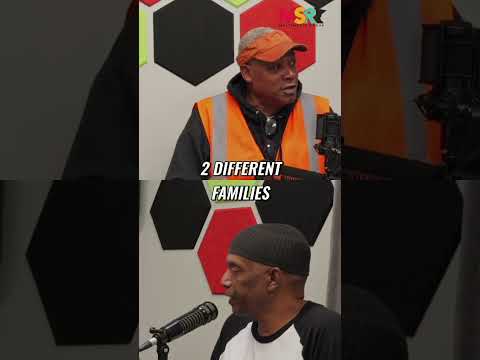
A personal journey across generations—tracing family lineage from enslavement in Kentucky to a new life in Minnesota. Discover the community pillars and influential figures that defined a path through history and home. #FamilyHistory #Genealogy #BlackHistory #Minneapolis #MigrationStory
Featured
Together We Rise: Black Unity Demands Change! #shorts
True transformation is forged through collective strength. When we unite in purpose, historical obstacles yield to the power of our shared vision.
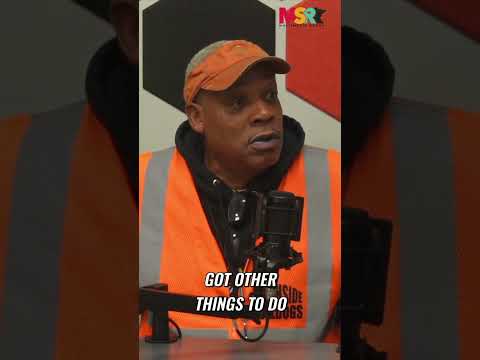
True transformation demands perseverance and a shared, unwavering belief. When Black men and women unite in purpose and action, historical obstacles yield to collective strength. Change is not given; it is forged through unity. #CollectiveAction #Perseverance #SocialChange #Empowerment #Leadership
Black History
Christianity’s Racial History
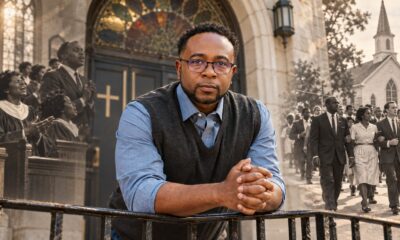
THE POSITIVE COMMUNITY — Historian and author Jemar Tisby is challenging the traditional narratives of American religious history through his acclaimed work, The Color of Compromise. His research provides a comprehensive examination of how Christian institutions have historically participated in, accommodated, or resisted racial injustice from the colonial era to the present day.

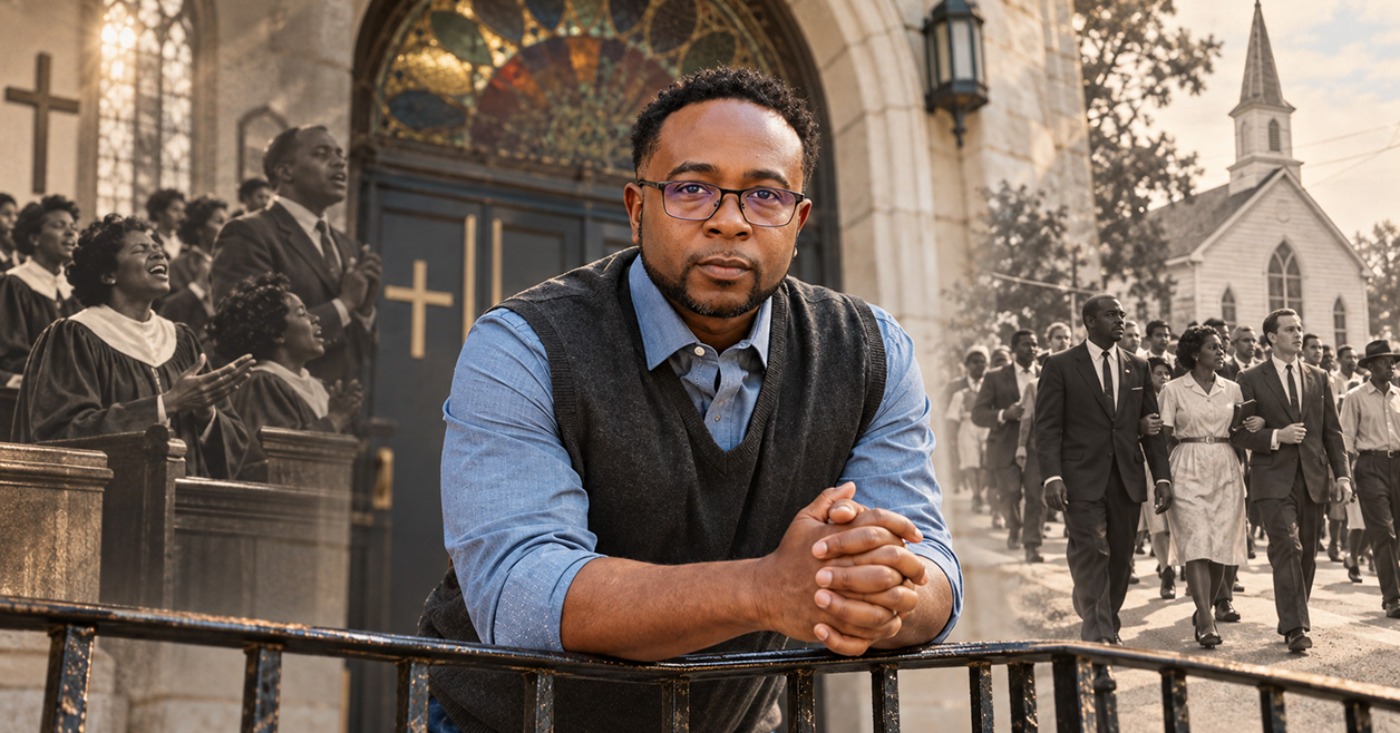
Jemar Tisby is a historian, author, and public speaker whose work examines the relationship between Christianity, racism, and American history. Through his writing, he challenges readers to reconsider the role religious institutions have played in shaping racial attitudes and social structures. His widely recognized book, The Color of Compromise: The Truth About the American Church’s Complicity in Racism, explores how Christian churches have participated in, accommodated, and sometimes resisted racial injustice throughout American history. Tisby’s work encourages readers to examine the past honestly and consider what meaningful change requires today.
One of the central arguments in The Color of Compromise is that racism in America cannot be understood without examining the influence of religious institutions. Christianity has often been associated with messages of love, justice, compassion, and equality. Yet churches and Christian leaders have sometimes supported systems that denied African Americans their freedom and dignity. Tisby examines this contradiction, demonstrating how religious beliefs and institutions could be used to justify racial oppression rather than challenge it.
The book takes readers back to the era of European colonization and slavery, when religious arguments were frequently used to defend the enslavement of Africans. Some Christian leaders claimed that slavery was compatible with biblical teachings, while others used Christianity to encourage resistance to the institution. Enslaved Africans developed their own spiritual traditions, drawing strength from their faith while enduring violence, separation from family, and the denial of basic human rights. Tisby highlights the importance of understanding how Christianity became intertwined with the development of American slavery.
Tisby also explores the role of churches during the Civil War and Reconstruction. Although emancipation ended legal slavery, it did not eliminate racial prejudice or the struggle for equal citizenship. Some religious communities supported efforts to educate formerly enslaved people and establish independent Black institutions. Others tolerated or defended segregation and white supremacy. The period demonstrates how Christian institutions faced a choice between challenging racial injustice and preserving existing social arrangements.
Another important subject in the book is the relationship between Christianity and Jim Crow segregation. During the late nineteenth and early twentieth centuries, racial segregation became deeply embedded in American society. Many churches reflected the same divisions, maintaining separate congregations and unequal opportunities for worship and leadership. Tisby argues that compromise occurred not only when Christians openly defended racism but also when they remained silent or accepted discriminatory practices to avoid conflict. This distinction is essential to understanding the book’s central message.
The civil rights movement provides another significant chapter in this history. Black churches played a vital role in organizing demonstrations, supporting community leadership, and providing spiritual encouragement to people fighting racial discrimination. Figures such as the Reverend Dr. Martin Luther King Jr. drew upon Christian teachings to challenge segregation and demand equal rights. However, not all white Christian congregations supported the movement. Tisby examines the difference between those who actively opposed racism and those who hesitated to challenge the racial status quo.
A major strength of Tisby’s writing is his attention to the difference between individual prejudice and institutional racism. A person may believe in treating others fairly while participating in organizations or traditions that produce unequal outcomes. Similarly, a church may preach love and acceptance while failing to confront discriminatory practices within its own community. Tisby encourages Christians to look beyond personal intentions and examine the consequences of their actions, their institutional policies, and their willingness to address injustice.
The book also challenges contemporary Christians to consider how the legacy of racial compromise continues to affect American religious life. Questions about church leadership, worship communities, racial representation, education, and public policy remain important. Tisby argues that acknowledging historical wrongdoing is not about assigning personal guilt to every modern Christian. Rather, it is about understanding how past decisions shaped the present and recognizing the responsibility to pursue greater fairness, accountability, and inclusion.
Tisby’s work has become an important contribution to conversations about race and religion because it asks readers to move beyond comfortable narratives about American Christianity. His historical approach encourages people to examine uncomfortable evidence, listen to the experiences of African Americans, and recognize the difference between professing moral principles and practicing them. The book also raises questions about what genuine reconciliation requires, emphasizing that meaningful progress involves more than expressions of goodwill. It requires a willingness to confront injustice and make changes that reflect the values Christians claim to uphold.
Ultimately, The Color of Compromise is a call for historical honesty, moral reflection, and meaningful action. Jemar Tisby challenges churches and individual believers to understand how Christianity has been used both to support oppression and to inspire resistance against it. His message is especially relevant in a society still wrestling with racial inequality and the consequences of its history. By examining the past with courage and integrity, readers can better understand the responsibilities of faith in the present. The book reminds us that the true test of religious conviction is not simply what people profess to believe, but whether their actions reflect justice, compassion, and respect for the dignity of every human being.
Based on reporting by The Positive Community.
Featured
Darren Riley of JustAir Solutions on the Need for Hyper-Local Data in Detroit’s Fight for Clean Air
Darren Riley of JustAir Solutions joins Mya Trujillo to discuss how hyper-local data is essential for tackling air pollution in Detroit and beyond.


Washington Informer reporter Mya Trujillo speaks witn the Detroit-based entrepreneur about what local leaders, experts and residents need to do to combat air pollution, and how the struggles faced by communities in the midwestern city mirror those experienced by residents in the Washington metropolitan area.


Jamal’s Take: The Cowboys Simply Blew It Against the Cardinals

From Coaching Kids to Shoveling Snow: Community Hero’s Impact! #shorts

2026 Salute to Excellence in Education | 39th Annual Gala Recap

From Enslavement to Minneapolis: A Family’s Unstoppable Journey! #shorts

Together We Rise: Black Unity Demands Change! #shorts

Christianity’s Racial History

Darren Riley of JustAir Solutions on the Need for Hyper-Local Data in Detroit’s Fight for Clean Air

Learn Black History and Win Your Next Game Night

DOJ Fights to Keep Rep. Ilhan Omar’s Search Warrant Sealed: Report

Five Hospitals Said No! Who Will Help Annette Henry Recover?

All Skinfolk Ain’t Kinfolk

Practitioners of African Traditional Spirituality Offer Ancestral Reverence Ritual Oct. 31

A $2.1 Trillion Wellness Industry Never Built a Daily Practice for Black Children. So This Atlanta Family Did.

Latinas Deserve Equal Pay. Unions Help Make It Happen.

Tamiko Armstead | 2026 Lifetime Achiever in Education

Oakland Awarded More than $14 Million in State Funding

Montclair Brewery: Brewing Culture, Community, History

Should You Have to Pay to Hear the Gospel?

Master P Encourages Norwood Elementary Students to Dream Big, Work Hard

OP-ED: The Black Church Writes AI’s Next Chapter
Jamal’s Take: The Cowboys Simply Blew It Against the Cardinals
From Coaching Kids to Shoveling Snow: Community Hero’s Impact! #shorts
2026 Salute to Excellence in Education | 39th Annual Gala Recap
From Enslavement to Minneapolis: A Family’s Unstoppable Journey! #shorts
Together We Rise: Black Unity Demands Change! #shorts
Darren Riley of JustAir Solutions on the Need for Hyper-Local Data in Detroit’s Fight for Clean Air

TCWAM: Get Out And VOTE (11/03/2026)

Test Buick’s Head-Up Display, Wireless Charger & Bose Audio #shorts

Maintenance As A Money Move

Buick Enclave Safety Tech: What It Can—and Can’t—Do #shorts
-
 Black Press1 week ago
Secretary of State Shirley Weber Pushes Back Against DOJ Demands Over California Voter Rolls
-

 Art1 week ago
Capturing Black Life’s Beauty
-

 Black History1 week ago
Retirement Triggers Doctor to Pen Book for Young Audience
-
 Black History1 week ago
Oakland Honors 60 Years of the Black Panther Party at the All Power to the People Gala
-
 Featured1 day ago
Multi-Faith Leaders Representing 10 Million People Launch National Anti-Authoritarian Initiative
-

 Black Press1 week ago
Fatigue, Bloating, and Inflammation: Spotting the Subtle Signs of MASLD
