
Black Press
Latanya Orr Expands Vision After Goldman Sachs Program
CHICAGO CRUSADER — Chicago entrepreneur LaTanya Orr has completed the Goldman Sachs One Million Black Women: Black in Business program, an experience she states has refined her business growth strategies and deepened her commitment to supporting women entrepreneurs. Orr founded The FoundHERS Suite, a collaborative space for women business owners.

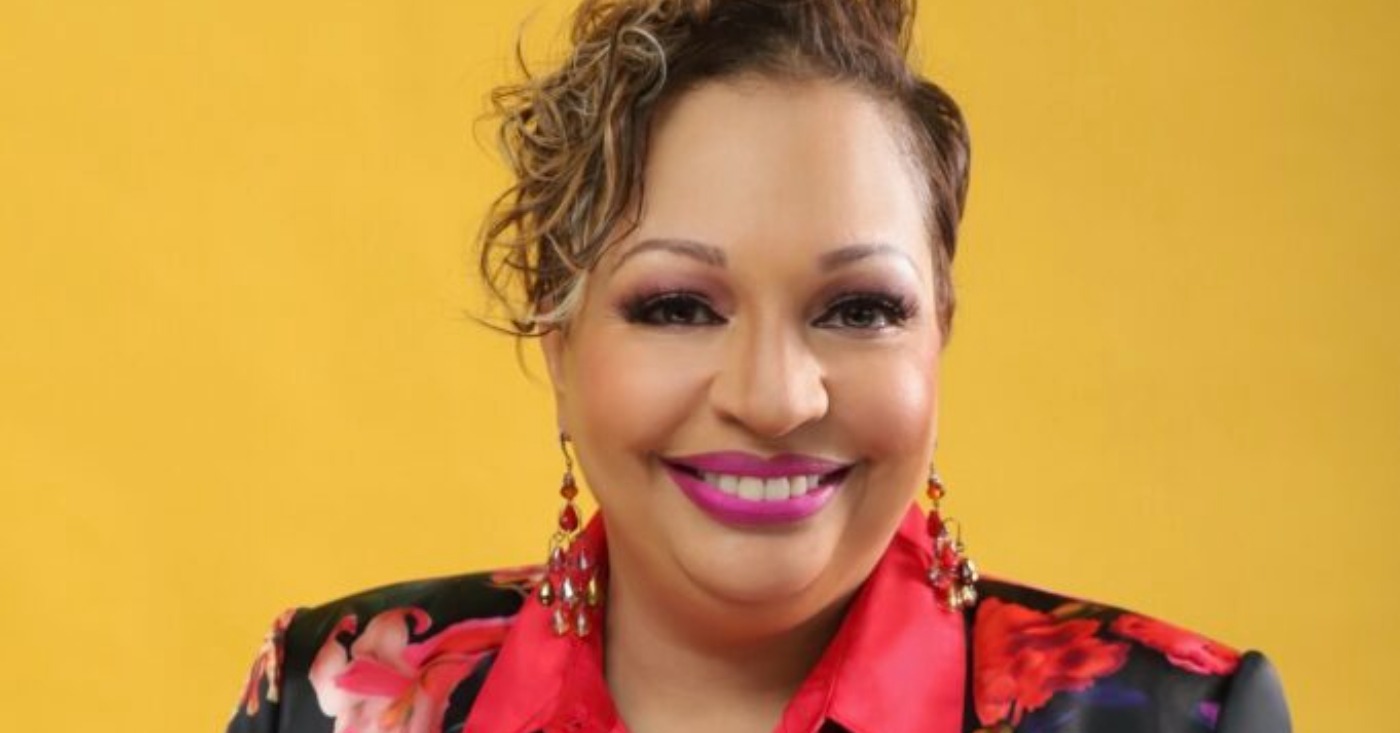
Chicago entrepreneur LaTanya Orr has graduated from the Goldman Sachs One Million Black Women: Black in Business program, a milestone she says has helped sharpen her approach to business growth while expanding her work supporting women entrepreneurs.
Orr, an author and business strategist, is the founder of The FoundHERS Suite, a collaborative workspace and entrepreneurial community designed to help women business owners develop their companies through education, connections and shared opportunities.
She participated in the Spring 2026 cohort of Goldman Sachs’ Black in Business program, which provides business education and resources to Black women sole proprietors. Orr said the experience strengthened her understanding of enterprise growth, financial stewardship and long-term business strategy.
“The program didn’t hand me a blueprint—it challenged me to rethink the one I already had,” Orr said. “It strengthened my thinking around enterprise, stewardship, and long-term impact while reaffirming the work I’ve been called to do.”
Her participation in the program came during a period of transition for The FoundHERS Suite. Earlier this year, an unexpected incident involving the building where the Suite operated forced the business to temporarily close its physical location.
Rather than abandon the concept, Orr said the interruption provided an opportunity to reassess how the organization could continue serving women entrepreneurs while she considered the future of the physical workspace.
Part of that evolution is BridgeWRX, Orr’s strategic advisory and thought leadership platform. The venture is designed to help women entrepreneurs move beyond developing brands and focus on building sustainable businesses through strategy, leadership development and intentional growth.
Orr emphasizes that BridgeWRX is not intended to replace The FoundHERS Suite. Instead, she sees it as an extension of the broader mission, providing additional ways for entrepreneurs to receive information, build relationships and strengthen their businesses while she explores the Suite’s next chapter.
Since completing the Goldman Sachs program, Orr has expanded that work through strategic advisory services, educational programs, publishing and community-centered initiatives.
Among those efforts is ShiftShop, a workshop series focused on practical business development. Another initiative, Gather & Shift, brings entrepreneurs together for networking, collaboration and shared learning.
Orr is also developing an editorial component to her work. Through The Bridge, her Substack publication, and HERspectives, a LinkedIn thought leadership series, she writes about entrepreneurship, leadership, business growth and the challenges established founders encounter as they attempt to move from operating individual businesses toward building larger enterprises.
Her developing BridgeWRX Leadership Library is expected to include books, tools and other resources drawn from more than two decades of Orr’s experience as an entrepreneur.
“I’ve come to realize that the assignment was always bigger than the building,” Orr said. “BridgeWRX allows me to extend the mission of The FoundHERS Suite in new ways while continuing to prepare for its next chapter. My passion has always been helping women discover what’s possible, build with intention, and create something that lasts.”
The Goldman Sachs One Million Black Women initiative was launched as part of the financial institution’s broader effort to invest in Black women and address economic disparities. Black in Business focuses specifically on Black women sole proprietors, providing participants with business education, access to resources and opportunities to develop strategies for growth.
For Orr, completing the program comes as she works to bring several parts of her entrepreneurial experience under a broader strategy.
Through BridgeWRX, she plans to continue offering advisory services, educational experiences, publishing and community programming. At the same time, Orr said she remains committed to The FoundHERS Suite and its original goal of creating opportunities for women entrepreneurs to connect and grow.
The result, she said, is an expanded vision centered not simply on operating a business, but on helping entrepreneurs create enterprises capable of producing long-term impact.
Based on reporting by Chicago Crusader.



Black Press
New York Prosecutors Reopen Alleged Cornell University Gang Rape Case
NEW YORK BEACON — Prosecutors in Tompkins County, New York, have reopened an alleged gang rape case from 2024 involving Cornell University. The decision follows a civil lawsuit filed by the alleged victim, Jane Doe, against several fraternity members. District Attorney Matthew Van Houten confirmed his office is examining conflicting claims and intends to present the case to a grand jury.

Cornell University is at the center of a developing matter involving an alleged gang rape case that took place in 2024. Prosecutors are reopening the matter after the alleged victim filed a civil lawsuit against a group of fraternity members at Cornell University.
ABC News reports that prosecutors in Tompkins County in Central New York State are examining the claims made by a Jane Doe, the alleged victim of the assault. According to Tompkins County District Attorney Matthew Van Houten, his office is examining whether or not to bring charges but did share that there are two conflicting claims at the heart of the matter.
“It’s our intention to present the case to the Tompkins County grand jury with Jane Doe’s cooperation,” Van Houten told the outlet. “We want to reexamine whether there’s additional evidence that we were not aware of in November of 2024, that exists now that would change our assessment of the case and would result in the grand jury finding that there was criminal conduct.”
Back in 2024, the Jane Doe and former student accused seven current and former members of the Chi Phi fraternity of assaulting her, leading to the chapter’s expulsion from Cornell University. The school conducted an investigation, and initially, Doe did not say she was drugged and forced into acts. Doe’s lawsuit is now alleging the fraternity members drugged and assaulted her.
“She never says that she was drugged without her knowledge. She admits to taking drugs and alcohol voluntarily and with knowledge. She does not allege that she was forced to engage in any acts. She does not say that she was physically helpless or unconscious or incapacitated at any point during the time at the fraternity house,” Van Houten added.
Based on reporting by New York Beacon.
Black Press
Students from Stonecrest Help Families Grow Food
THE CHAMPION NEWSPAPER — Two Georgia college students from Stonecrest are utilizing agriculture, technology, and community education to help families across Georgia grow their own food, even without traditional farming spaces. Mason Wright, a Morris Brown College student and founder of Plant It Georgia Vertical Institute, and Kosey Henley, a University of Georgia student, developed a mobile agricultural laboratory.
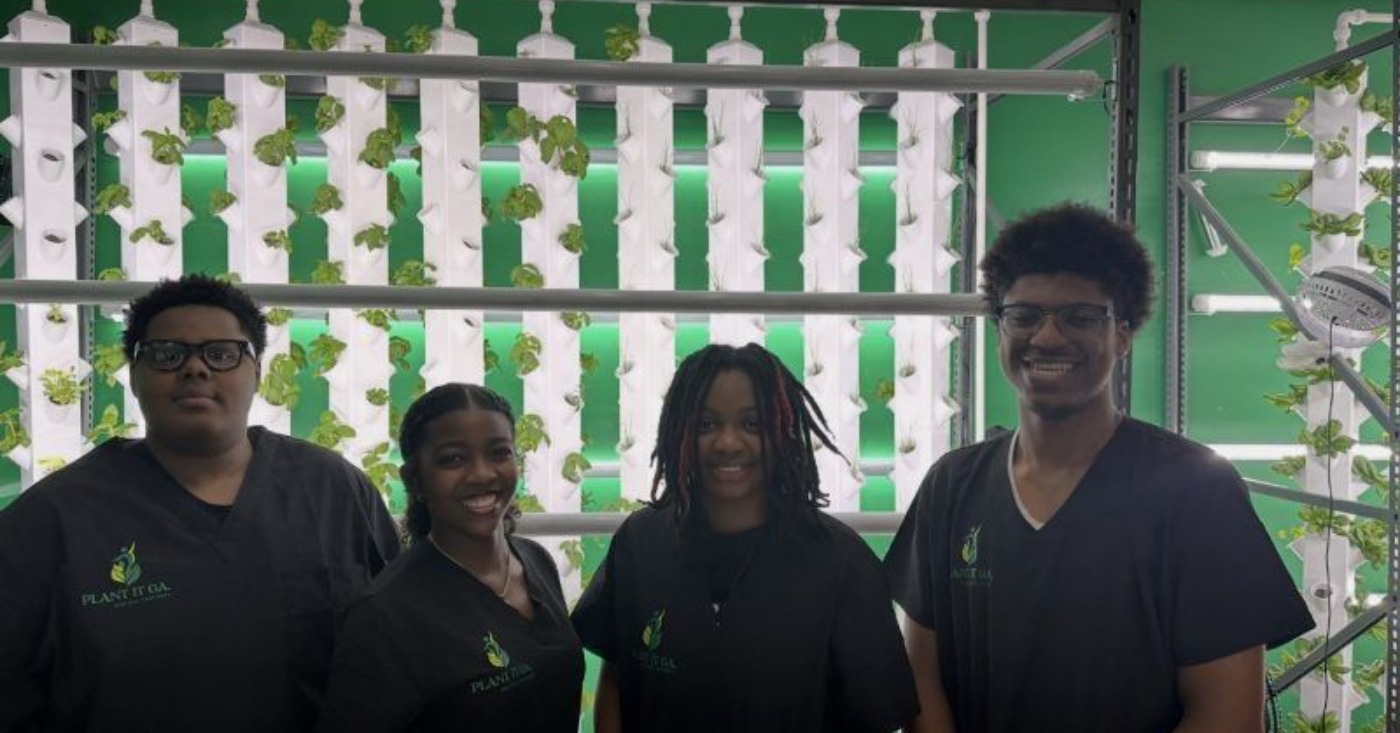
Two Georgia college students from Stonecrest are combining agriculture, technology, and community education to help families throughout Georgia grow their own food — even those without access to traditional growing spaces and equipment.
The two students recently completed the first prototype of Plant It Georgia’s mobile agricultural laboratory, which they said is an enclosed trailer equipped to introduce young people and families to growing food without relying on traditional farmland.
Mason Wright—a youth entrepreneur and a student at Morris Brown College—is the founder of Plant It Georgia Vertical Institute. The institute is an “educational initiative created to train young people in vertical farming, hydroponics, and other modern agricultural technologies,” according to Wright. Kosey Henley, a student at the University of Georgia, worked alongside Wright on the mobile lab.

The students said the idea came in response to an obstacle challenging many communities: transportation. Instead of requiring students to travel to the Plant It Georgia Vertical Institute, the program can take its lessons and growing systems directly into neighborhoods, schools, recreation centers, and other community spaces to teach students and their families about growing food in urban communities.
Inside the prototype, visitors will find hydroponic growing channels, lighting, and other equipment that show them how plants can grow in controlled environments. The laboratory aims to support hands-on lessons covering seed germination, water circulation, plant nutrition, lighting, harvesting, and the technology used to manage indoor crops, according to Wright.
The project comes as Georgia and the nation face an aging agricultural workforce.
According to the U.S. Department of Agriculture’s 2022 Census of Agriculture, Georgia had 63,492 agricultural producers, but only 4,770 were younger than 35. Nationally, the USDA counted 296,480 producers younger than 35, approximately 9 percent of all U.S. producers.
At the Plant It Georgia Vertical Institute, students are taught that farming does not always require acres of open land or heavy machinery. Vertical farming allows crops to grow upward in stacked systems while hydroponics uses nutrient-rich water instead of soil to feed the plants. These tactics make food production possible in classrooms, buildings, trailers, and densely populated urban communities, according to Wright.
Plant It Georgia’s growing systems can cultivate lettuce, tomatoes, collard greens, peppers, and a variety of culinary herbs, according to the news release. Students are taught the entire growing process — from placing seeds into starter materials and monitoring water and nutrients to caring for mature plants and harvesting fresh produce.
The program also introduces participants to careers connected to agricultural technology, plant science, environmental sustainability, food systems, and entrepreneurship.
Wright’s role as a Morris Brown College student and founder represents the connection between HBCU leadership, entrepreneurship, and community service, according to a news release. Wright also made headlines for opening Mason’s Super Dogs in Stonecrest in 2020 — which he now also operates on the Atlanta Beltline’s Eastside Trail. Henley brings another important academic connection through the University of Georgia, one of the state’s leading institutions in agriculture and agricultural research, according to the news release.
For event locations and more information, follow Plant It Georgia on Instagram (@plantitGA).
13 total views
Based on reporting by The Champion Newspaper.
Black History
Annika Ashton First Black Woman and Jamaican Broward County Attorney
SOUTH FLORIDA TIMES — Annika E. Ashton is the new Broward County Attorney, becoming the first Black woman and Jamaican American to hold the position. Ashton, 42, was sworn in last month, replacing Andrew Meyers who retired after eight years.
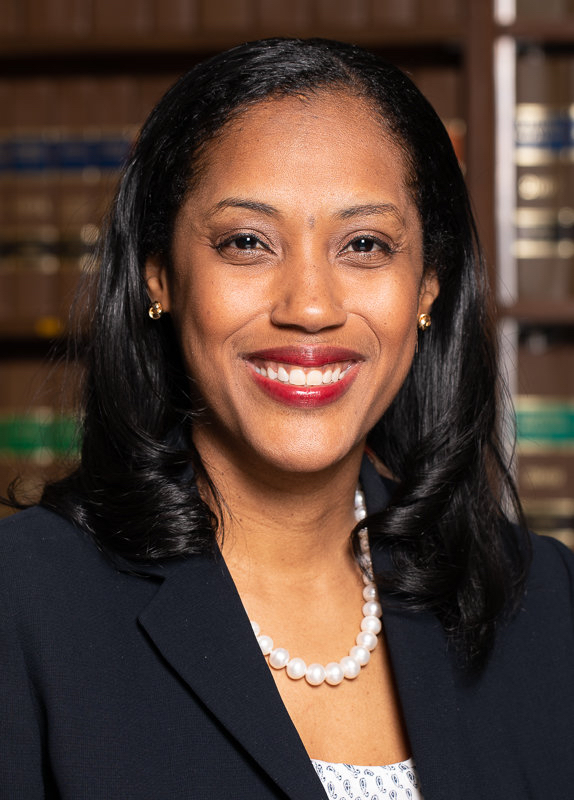
FORT LAUDERDALE, Fla. – Annika E. Ashton is the new Broward County Attorney, becoming the first Black woman and Jamaican American to assume the role.
Ashton, 42, was sworn in last month to replace Andrew Meyers who retired after eight years at the helm.
The Broward County Commission unanimously appointed Ashton, who was the Deputy Broward County attorney, in April 2026 and she took over on September 10, 2026 the official last day of Meyers’ tenure.
She will oversee more than 50 attorneys and a support staff.
Ashton’s appointment reflects overcoming racial and gender barriers to become the chief legal advisor for the county.
The Coral Springs resident thanked the commission and Broward County legal department for their support.
“I’m very excited to work with a really great office of people and have the support of the Broward County Commission,” Ashton said.
Broward County Commissioner Nan Rich called Ashton “the most qualified person to lead the County Attorney’s Office,” noting the county attorney position is one of only three the board is responsible for appointing
Ashton has worked for Broward County since 2014, starting as an assistant county attorney and rose to senior assistant county attorney before becoming deputy county attorney in 2019.
She graduated from Princeton University and Columbia Law School and clerked for the Hon. Adalberto Jordan on the U.S. District Court for the Southern District of Florida and the U.S. Court of Appeals for the Eleventh Circuit.
Ashton’s county work has included litigating federal court cases, drafting ordinances and contributing to the $1 billion expansion of the Broward County Convention Center in Fort Lauderdale.
She previously did private practice in New York and Miami.
According to her bio, Ashton was born in Spanish Town, Jamaica and raised with deepy family roots in Clarendon, particularly Palmer Cross.
She migrated to the U.S. and graduated from Ft. Lauderdale Boyd Anderson High School, earned her bachelor’s degree from Princeton University and law degree from Columbia Law School.
As the new chief attorney for Broward County, Ashton will provide legal counsel for commissioners and administrators, represent the county in litigation, drafting legal documents including preparing ordinances, government contracts and oversight of zoning issues.
Ashton will also advise commissioners on legal aspects of county projects, developments and public services, including environmental, transportation, and consumer protection issues in Broward County.
She is also a Past President of the Caribbean Bar Association.
Ashton credits her Jamaican upbringing for a stellar legal career.
She said women leadership in Jamaica helped her thrive, studying successful women in business and public service, as well as community figures like Cathy Levy, founder of the iconic Little People and Teen Players Club, who has been a stalwart of youth arts education in Jamaica for decades.
These early influences, along with the cultural ethos of resilience captured in the popular Jamaican refrain, “Wi likkle but wi tallawah,” she notes, helped shape her ambition and belief that she could make a meaningful impact on the world around her.
The post Annika Ashton first Black woman and Jamaican Broward County Attorney appeared first on South Florida Times.
Based on reporting by South Florida Times.
Black History
Cuts and Conversations Turns Barber Chairs into Space for Lifesaving Dialogue
ALABAMA STATE UNIVERSITY – THE HORNET TRIBUNE — Alabama State University recently hosted “Cuts and Conversations,” an event that transformed barber chairs into a venue for vital dialogue about prostate cancer, a disease disproportionately affecting Black men.
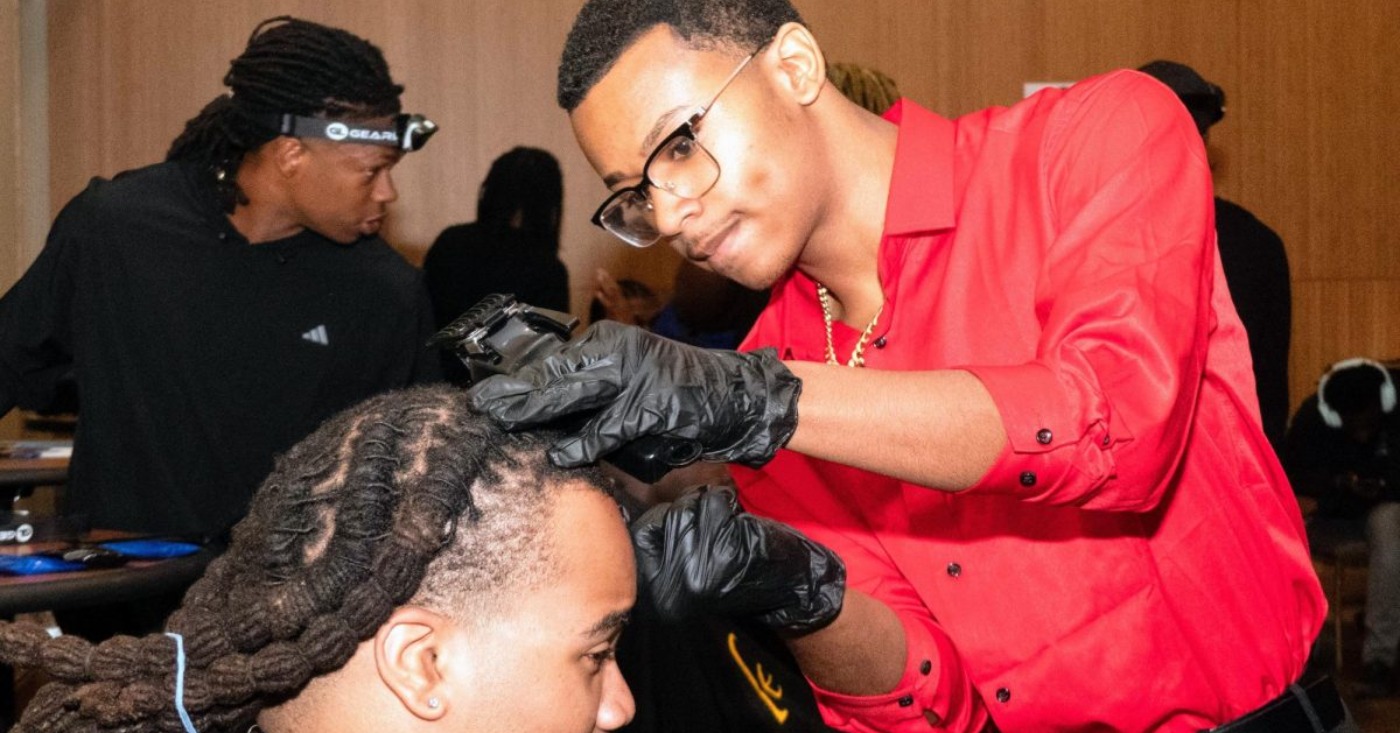
The sound of clippers buzzed with a different kind of conversation Monday at 11 a.m. as Alabama State University students and staff listened to barbers, cancer survivors and health professionals discuss a disease that disproportionately affects Black men.
Cuts and Conversations, held Sept. 28 in the John Garrick Hardy Center Ballroom, used free haircuts and the familiarity of the barbershop to open conversations about prostate cancer, early detection, family history and men’s health.
Tanjula Petty, Ed.D., vice president for Institutional Effectiveness, Strategic Initiatives and Transformation, and Willie S. Rockward, Ph.D., dean of the College of Science, Technology, Engineering and Mathematics, opened the forum and welcomed those in attendance.
For Petty, the message came from experience.
“I’m not just speaking to you based on research,” she said. “I’m talking to you from a place of experience.”
Petty said she exercised regularly, ate well and considered herself healthy when a doctor told her she had cancer. She challenged students to take what they learned back to their fathers, grandfathers and uncles.
“It’s not all about genetics; you may be the first in your family to experience it,” Petty said. “People ask me all the time, ‘Who in your family was diagnosed?’ Nobody. I’m the first.”
According to the Centers for Disease Control and Prevention, Black men are more likely to develop prostate cancer than other men and are more than twice as likely to die from the disease. The American Cancer Society recommends that Black men begin discussing prostate cancer screening with a health care provider at age 45 or at 40 for men at higher risk because of family history.
Three prostate cancer survivors were recognized during the event: Andy Maxwell, Leroy Huffman and Dandrea Evans Sr. Evans and Huffman shared their experiences with those in attendance.
Evans was 44 when a routine doctor’s visit led to his prostate cancer diagnosis. He had no symptoms.
“Initially it was the worst news you could ever hear because I didn’t feel like I had cancer. I felt great,” he said.
Evans said he turned to his faith and made the decision “to trust God through the process and to live.” Four years later, he said he is cancer-free.
“The more you know, the more you’ll be prepared to deal with it and understand it a little bit better,” Evans said.
The five-year survival rate is greater than 99% for prostate cancer diagnosed at a localized or regional stage, according to the American Cancer Society. That rate falls to 38% when the cancer has spread to distant parts of the body.
Huffman has worked at Heritage Barber & Style Shop for about 26 years, has cut hair for 63 years.
“Awareness about prostate cancer is the best thing that Black men should do,” Huffman said.
His advice was simple.
“Age is not the key here. Life is,” Huffman said.
Dawna Nelson, Ph.D., an associate professor of social work, licensed master social worker, and principal investigator for the Cuts and Conversations research project, said the project grew from years of community health work and conversations with Heritage about the role barbershops already play in Black communities. When funding became available, the partnership trained barbers to speak with clients about prostate cancer, early detection, and family history.
Heritage owner Vladimir “Boo Man” Averett said the shop wanted to be part of that work, particularly because of Huffman’s experience.
“He gives conversation all the time to us younger barbers as well as our clients about get checked, get checked, get checked,” Averett said.
For Averett, the message comes down to five words.
“It’s not about wealth. It’s about health,” Averett said.
The partnership extended to student barbers.
Brittany Hollins, planning and evaluation specialist in the Office of Institutional Effectiveness, Strategic Initiatives, and Transformation, said organizers worked with Student Life and athletics to identify student barbers who were trained at Heritage to carry those conversations to their peers.
“They’re cutting hair, and they’re having these conversations,” Hollins said. “And so it’s Cuts and Conversations today.”
Hollins’ grandfather died a little more than a year ago after his prostate cancer progressed to Stage 4.
“It is not an easy task to have that loved one at home on hospice, and you are being tasked to give them that last dose of morphine, and then you realize there’s no pulse,” Hollins said.
Beyond the personal stories, the event connected students with cancer research and health resources.
Manoj K. Mishra, Ph.D., director of the university’s Cancer Research Center and professor of biology, said the center supports cancer research, trains students, and works to increase cancer awareness in the community.
Pastor Lee B. Walker Jr. and Terrance “Wolfgang” Baldwin hosted a live recording of the “Off the Cuff” podcast, continuing the discussion about prostate cancer awareness and Black men’s health.
Five Horizons Health Services, the Alabama Department of Public Health, the university’s Cancer Research Center and Health Services were represented. Five Horizons also provided free HIV and sexually transmitted infection testing.
For the students in the barber chairs, the conversations made the message immediate.
Freshman Jonathan Alexandre said events such as Cuts and Conversations can make it easier for young Black men to begin talking about their health.
Freshman Elijah Kidd, a computer engineering major from Pensacola, Florida, said cancer has already touched his family through his uncle.
“Really just cherish every moment you have, because you never know when it might end,” Kidd said.
Senior Xavier Moore, a double major in music education and music performance, said the setting allowed younger and older Black men to learn from one another.
“Your health comes first,” Moore said.
Student barber Mark Coaxum II, a biology major who plans to become a doctor, brought the message back to action.
“Knowing the probability is good, but getting tested is best, because whether you’re probable or not, you never know,” Coaxum said. “It could be you.”
Nelson said she hopes those conversations continue long after the barber chairs are gone.
“The barbershop is where these conversations start, but then the next day they’re in the gym, and then the day after that on the golf course, and in the boardroom, and most importantly, at a family dinner table amongst the father and the son,” Nelson said.
For students who may think prostate cancer is years away, Nelson left them with a reason to start talking now.
“You are a son. You are a nephew. You are a grandson,” she said. “And if you take the time to talk to your fathers and your uncles and all of the men in your life about this, you are potentially saving their life, and you’re also at the same time empowering yourself so that when your time does come, you have all the information you need to be able to make good health choices.”
Based on reporting by Alabama State University – The Hornet Tribune.
Black History
National Civil Rights Museum Freedom Award Honors the Relentless Fight for Equality
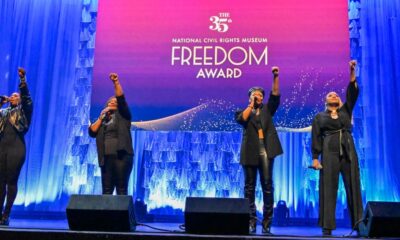
TRI-STATE DEFENDER — The National Civil Rights Museum’s 35th annual Freedom Award ceremony, held on Thursday, October 1, at the Orpheum Theatre, recognized a diverse group of civil rights leaders. Honorees included Fred Gray Sr., a legal strategist who represented Dr. Martin Luther King Jr.
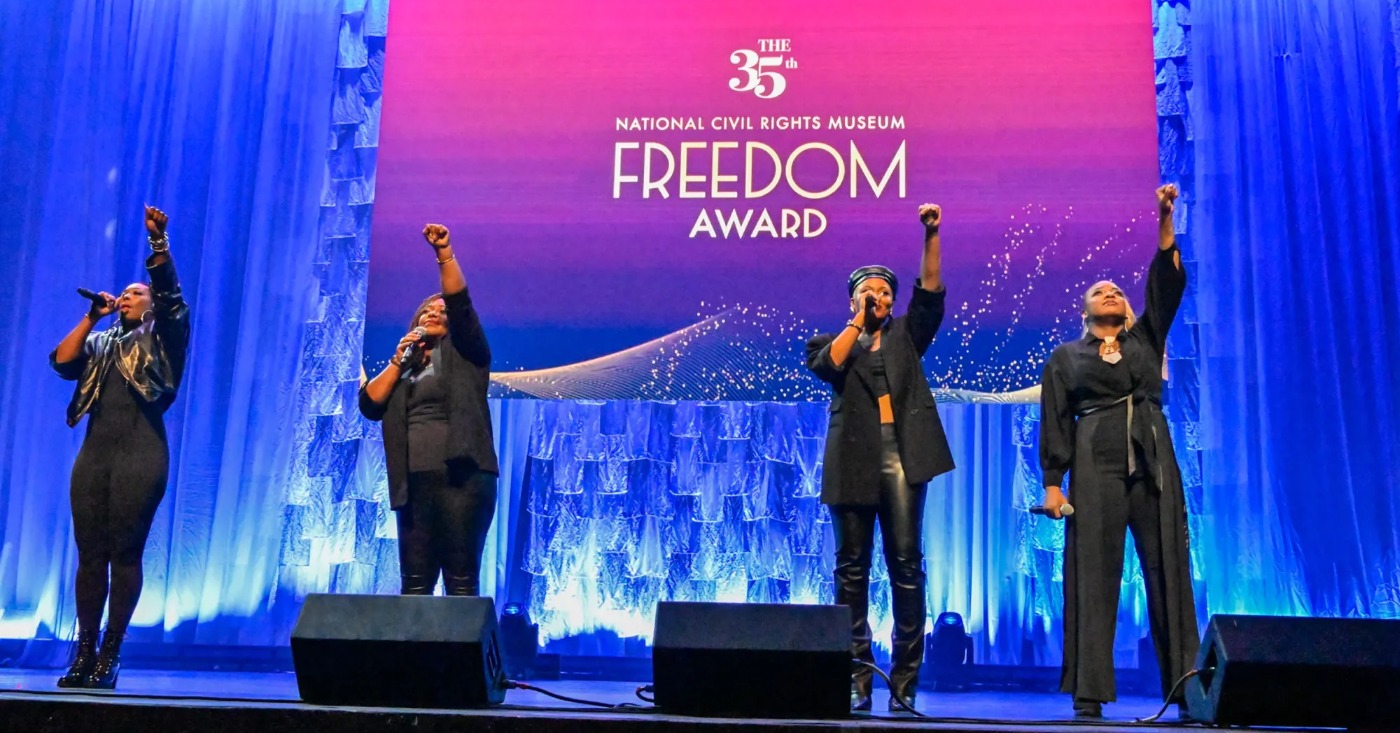
The honorees at the National Civil Rights Museum’s 35th annual Freedom Award ceremony held at the Orpheum Theatre on Thursday, Oct. 1, reflected a changing era of civil rights leadership.
Fred Gray Sr., one of the last surviving legal strategists of the Civil Rights Movement, helped dismantle segregation in America as the lawyer who represented Dr. Martin Luther King Jr. and Rosa Parks. Gray’s pioneering legacy now rests with the generations he helped empower, including fellow award recipients Rev. Shavon Arline-Bradley, Nneka Ogwumike and Bakari Sellers.
Arline-Bradley, an ordained minister, public health advocate, and president and CEO of the National Council of Negro Women since 2023, credits the women and civil rights legends who preceded her and built the organizations she now leads with making her work possible.
Nneka Ogwumike, WNBA champion and four-term president of the league’s players association, and Bakari Sellers, a lawyer, author, CNN political correspondent and former South Carolina legislator, represent a younger generation of human and civil rights activists. They are taking the fight into new arenas, from women’s sports and economic opportunity to voting rights, education and social justice.
Together, their stories shaped the event’s overall theme and mood, which celebrated the courage of freedom fighters of the past while embracing what civil rights leadership looks like now — and what it may become.
Before the ceremony, hundreds of guests gathered for photographs and interviews on the red carpet and hors d’oeuvres at the Halloran Centre for Performing Arts & Education next door to the Orpheum. Actor Larenz Tate hosted the event for the second consecutive year. Grammy Award-winning gospel artist Tamela Mann brought the audience to its feet with her performance of the hit song “Take Me to the King.” And local artist Garry Goin and the Freedom Award House Band performed a mix of R&B and liberation songs.
-

Fred Gray Jr. accepted the Freedom Award on behalf of his father, civil rights attorney Fred Gray Sr., who was unable to attend the ceremony. (Gary S. Whitlow/Tri-State Defender) -

Rev. Shavon Arline-Bradley, president and CEO of the National Council of Negro Women, was among the honorees at the National Civil Rights Museum’s 35th annual Freedom Award. (Gary S. Whitlow/Tri-State Defender) -

Nneka Ogwumike, WNBA champion and four-term president of the league’s players association, was honored at the National Civil Rights Museum’s 35th annual Freedom Award. (Gary S. Whitlow/Tri-State Defender) -

Bakari Sellers, lawyer, author, CNN political correspondent and former South Carolina legislator, was honored at the National Civil Rights Museum’s 35th annual Freedom Award. (Gary S. Whitlow/Tri-State Defender)
Taking the stage to accept the first award was Arline-Bradley, who reflected on the legacy that shaped her path to leadership.
“This honor means more to me than you can ever imagine,” Arline-Bradley said, describing the moment as the culmination of what she believes God had in store for her.
She paid tribute to Dorothy Height, whose leadership helped secure the headquarters for the women’s advocacy nonprofit on Pennsylvania Avenue in Washington, D.C. Arline-Bradley described the building, located on the same street as the White House, as a representation of Black women’s history, power and resilience.
“NCNW stands as the only Black and women-owned building on Pennsylvania Ave,” she continued.
During her speech, Arline-Bradley outlined what she believes it will take to achieve freedom and equality today.
“If America wants to get her healing, we’ve got to climb to the rooftop of justice,” she said.
And justice includes using Black economic power to support companies with compatible values, she continued.
Fred Gray Jr. accepted the award on behalf of his father, who was unable to attend the ceremony. Gray, who practices law alongside his father and brother, recalled his father’s decision to become a lawyer and return to Montgomery, Alabama, determined to challenge segregation.

Gray connected his father’s legal work to Memphis’ sanitation workers, whose 1968 strike became a defining moment in the city’s civil rights history. “At 95, if he was here, he would say to you, ‘I have done what I can do. The rest is up to you,’” Gray Jr. said.
Ogwumike used her acceptance speech to connect the growing visibility of women’s sports to a broader conversation about opportunity and equality.
“In this moment, there are greater and more opportunities for girls and women in sports,” Ogwumike said, pointing to the example provided by the WNBA’s professional athletes who serve as role models for young girls.
She also addressed what she described as threats to women’s rights and access, including debates surrounding Title IX, voting rights, reproductive healthcare and gender violence. “We refuse to be bullied and we refuse to be silenced and made to disappear,” Ogwumike said.
Her remarks were followed by a surprise video message from former Vice President Kamala Harris, who thanked Ogwumike for “being a fighter for the people” and congratulated the evening’s other honorees.
The final honoree, Bakari Sellers, has family ties to Memphis. His mother grew up in the city. His grandfather, the Rev. E.W. Williamson, once served as pastor of Middle Baptist Church and Olivet Baptist Church.

Sellers wrapped his remarks in light humor as he reflected on his conversations with other advocates and his own social justice journey. At one point, he paused, overcome with emotion, as he recalled visiting the National Civil Rights Museum earlier in the day and standing on the balcony where Dr. Martin Luther King Jr. was assassinated on April 4, 1968.
“The victories they won are being torn down all around us,” Sellers said.
To illustrate the cost and cruelty of social injustice, he asked the audience to imagine a 10-year-old student who might one day cure cancer but is struggling in school because of hunger.
“Somewhere we have forgotten that we come from a people of dreamers,” Sellers said. “We have forgotten the price that was paid.
“I am only 42 years old. I don’t really deserve this thing,” Sellers said. “But I will promise you this: Tomorrow I will work harder than I did yesterday.”
A video montage at the black-tie ceremony paid tribute to influential figures who died this year, including civil rights organizer Bernard Lafayette, a leader in the Nashville Movement, Freedom Rides and the Selma voting rights campaign; Rev. Jesse Jackson, the civil rights icon, minister and founder of Operation PUS;, Memphis civil rights activist Clara Ester; feminist leader and journalist Gloria Steinem; and country music legend and philanthropist Dolly Parton.
Museum President Russ Wigginton commented ahead of the program on the generational evolution of Freedom Award honorees. He noted that earlier generations of civil rights leaders often could measure progress through changes in laws, court decisions and government policy. Marches, sit-ins and other forms of direct action helped produce the landmark legal changes achieved during the Civil Rights era of the 1950s and 1960s.
But today, he said, the work can be more difficult to measure because much of it involves changing hearts and minds, increasing empathy and encouraging people to understand cultural differences.
“It is a delicate balancing act that requires patience and commitment,” Wigginton said.
He added, however, the fundamental goal remains unchanged: equal rights for everyone.
Based on reporting by Tri-State Defender.
Black Press
Safety Concerns at Southern University
SOUTHERN UNIVERSITY – SOUTHERNDIGEST — Students at Southern University express growing concerns about safety after dark due to poor lighting conditions across campus. Areas such as walking paths, the street near the bandroom, and streets by dorms are described as “terrifyingly pitch black” due to dying or non-existent lights.
Spending time across Southern University’s campus during the day, you feel the rich history and great energy that make the Bluff special. But once the sun goes down, that feeling shifts into a familiar sense of unease.
Returning home from a late-night study session in the library or walking back from your dorm can often feel like a game of avoiding the darkness. There are areas across campus that are terrifyingly pitch black with dying or non-existent lights posted along walking paths meant for students to walk alone. If you find yourself constantly having to squint to see while walking around campus, you can see why safety is such a big issue in students’ minds. The darkest parts of campus are the street where the bandroom is and the streets by dorms. I was driving back to my apartment on campus late one night when suddenly there was someone walking near the road. If my bright headlights weren’t on, I might not have seen them soon enough, and it could have caused an unsafe situation.
The darkness creates daily hazards that go far beyond a simple lack of visibility. Pedestrians are forced to walk directly in the street because sidewalks fade into pitch-black shadows, dodging cars while barely being able to see where they are stepping. At the same time, people are flying by on electric scooters moving through the dark, completely invisible to drivers and walkers because many of their rides lack proper headlights or reflectors. Nagging worry in the back of your mind about whether your car is even going to be in the parking lot or if it’s going to be stolen by morning, and campus life after dark feels entirely too stressful.
When looking at how Southern ranks for safety among HBCUs, Southern often lands in the lower tiers on various college safety and crime-reporting databases, frequently penalized for property concerns and lacking resources. According to PlainCampus, using the U.S. Department of Education Clery data, ranked Southern #1,287 out of 2,072 institutions based on its 2024 reported crime rate, with burglary identified as its largest reported criminal offense category.
A dark campus isn’t just an inconvenience; it’s a hazard that puts students at risk every single night. We shouldn’t have to dodge silent scooters in the middle of the road or cross our fingers every time we look toward the parking lot. It is time for the administration to step up, fix the lights, and make student safety a visible priority.
Based on reporting by Southern University – SouthernDIGEST.


New York Prosecutors Reopen Alleged Cornell University Gang Rape Case

Latanya Orr Expands Vision After Goldman Sachs Program

Students from Stonecrest Help Families Grow Food

Annika Ashton First Black Woman and Jamaican Broward County Attorney

Cuts and Conversations Turns Barber Chairs into Space for Lifesaving Dialogue

NFL: Bryce Young is Proving “Patience is a Virtue”

National Civil Rights Museum Freedom Award Honors the Relentless Fight for Equality

Safety Concerns at Southern University

ROOTED IN CULTURE, LEADING IN BANKING

Montclair Brewery: Brewing Culture, Community, History

Latest Massacre in Haiti Reveals Cruelty U.S. Deportations

Black Americans Have Doubts About the U.S. Food System

When Praises Go Up: SUGC Nominated for Prestigious Stellar Award.

The Youngest American Killed in the Vietnam War

Booked and Unbound: The Legacy of Black Women’s Literary Circles

U.S. Sole Nation to Oppose U.N. Resolution Correcting Africa’s Size on World Maps

COMMENTARY: Big Mama Said ‘Don’t Let Grief Break the Bank’

Outnumbered: Elbert Cox’s Equation for Greatness

Passing for White, Fighting for Black America: The Courage of Walter White

U.S. Open Influencers Spark Backlash over Ring Lights, Filming as Gauff and Osaka Speak Out

The Conversation with Al McFarlane

The Conversation with Al McFarlane 📱

Introduction, 2027 VW Atlas SEL Premium R Line Worth $58,135?

Welcome, 2027 VW Atlas SEL Premium R Line Worth $58,135?

Smart Car Buying: Ask These Questions Before You Buy! #shorts

2027 VW Atlas SEL Premium R Line Worth $58,135?

Unlock Auto Loans: Black-Owned Banks & Credit Unions #shorts

Find Black-Owned Banks & Auto Loan Pre-Approval Easily #shorts

Car Warranty Explained: Powertrain, Basic & Roadside! #shorts

NFN present Tonight: Inaugural Beyond IWDM50 Podcast – Northeast Sectional Focus
-

 Black Press5 days ago
OP-ED: Haiti TPS: Have We Lost Sense of Humanity?
-
 Black History1 week ago
Remembering Chauncey Bailey as Student Journalists Face Threats to Truth-Telling
-

 Black Press1 week ago
Poll: Becerra Widens His Lead Over Hilton; Californians Split on Wealth Tax
-
 Black History1 week ago
COMMENTARY: The Audacity of Joyce Beatty
-

 Black History1 week ago
Rulings Leave Questions Lingering in Nolan Wells Case
-
 Black History1 week ago
Baptist Minister Says Black Church Champions for Civil Rights to Reign but Hesitates to Let Black Women Lead
