
Community
Black Voters Strongly Support for Quality Early Childhood Education
NNPA NEWSWIRE — Across all demographics, voters express dedicated support for solutions including increasing funding going to states to expand childcare options and modernizing the tax system to support childcare and early learning.

First Five Years Fund
A new poll conducted on behalf of First Five Years Fund by the bipartisan research team of New Bridge Strategies (R) and Hart Research (D) found that, in this election year, voters by overwhelming margins want candidates to have a plan to address child care challenges in the United States. The poll finds that 89% agree; 80% of Republicans, 88% of Independents, and 99% of Democrats feel this way.
There’s dedicated support from Black voters for funding to make it happen:
- They were asked, “Do you think that federal funding for quality early education from birth to age five—including childcare and preschool—should be increased, decreased, or kept about the same as it is today?” A majority (71%) of Black voters support an increase; this is the highest percentage of all groups surveyed. Overall, 56% of all voters support an increase.
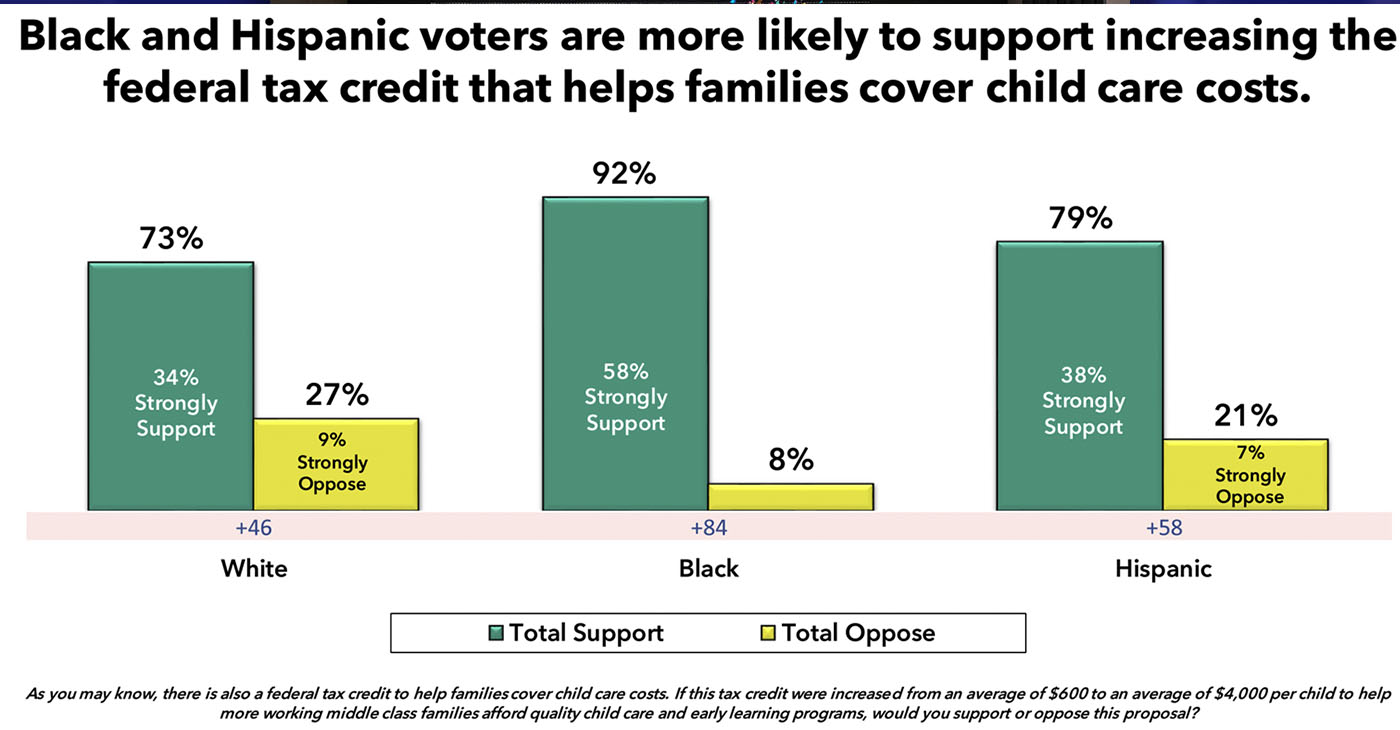
- They also were asked, “There is also a federal tax credit to help families cover childcare costs. If this tax credit were increased from an average of $600 to an average of $4,000 per child to help more working middle-class families afford quality childcare and early learning programs, would you support or oppose this proposal?” The poll found 92% of Black voters said “yes.” Overall, a large majority of voters (76%) support increasing the federal childcare tax credit.
- Ninety-six percent of Black voters support expanding federal support for childcare. They were asked if they support the following: “Congress would provide more funding to states to expand their existing childcare programs so that lower-income and middle-income families who work or go to school could affordably send their child to a quality childcare, early learning or pre-kindergarten program of their choice. The amount that parents would pay would be based on their household income, with the lowest-income families paying low or no cost.”
The poll, which surveyed 1,000 registered voters nationwide and 530 registered voters in Senate swing states (Arizona, Maryland, Montana, Ohio, Pennsylvania, and Nevada), finds voters make a strong connection between expanding access to quality childcare and a strong economy. Across all demographics, voters express dedicated support for solutions including increasing funding going to states to expand childcare options and modernizing the tax system to support childcare and early learning. In addition, voters are just as likely now as they were during the height of the pandemic to say Congress and the White House should make expanding access to quality childcare a top or high priority. In September 2020, 51% of voters felt this way and in April 2024, 54% of voters felt this way.
Voters across the political spectrum make a strong connection between childcare and a strong economy, with 68% saying access to high-quality, affordable childcare is “essential” or “very important” to strengthening the economy. There’s also dedicated support (84%) for expanding federal tax credits to employers to encourage them to provide childcare benefits; this percentage is the same nationally as it is for the swing states. FFYF says voters are concerned about the impacts a lack of access to affordable, quality childcare can have on children’s education and development as well as families’ economic prospects. Top messages in support of increasing federal funding for childcare and early learning include giving children a solid foundation, reducing financial strain on families paying for childcare, addressing low wages for childcare workers, and overcoming the limits placed on parents in the workplace when they cannot find quality, affordable care.
Sarah Rittling, FFYF’s executive director, says, “This poll clearly demonstrates that not only do voters want Congress to do more to address childcare challenges today, but they also want future lawmakers to have a plan for addressing childcare challenges tomorrow. Actions like improving childcare credits and increasing federal childcare funding for states are incredibly popular. Current lawmakers and candidates on the campaign trail have the opportunity now to leverage this clear bipartisan support to bring much-needed assistance to working families with young children.”







Black Press
Staying Ready: What Every Californian Should Know About Preparing for El Niño
BLACKPRESSUSA NEWSWIRE — “California is heading into a winter shaped by one of the strongest El Niño patterns on record,” said Matt Notley, Cal OES’ deputy director. “But the state has been preparing since last summer and our efforts now are about making sure our preparedness message reaches every community.”

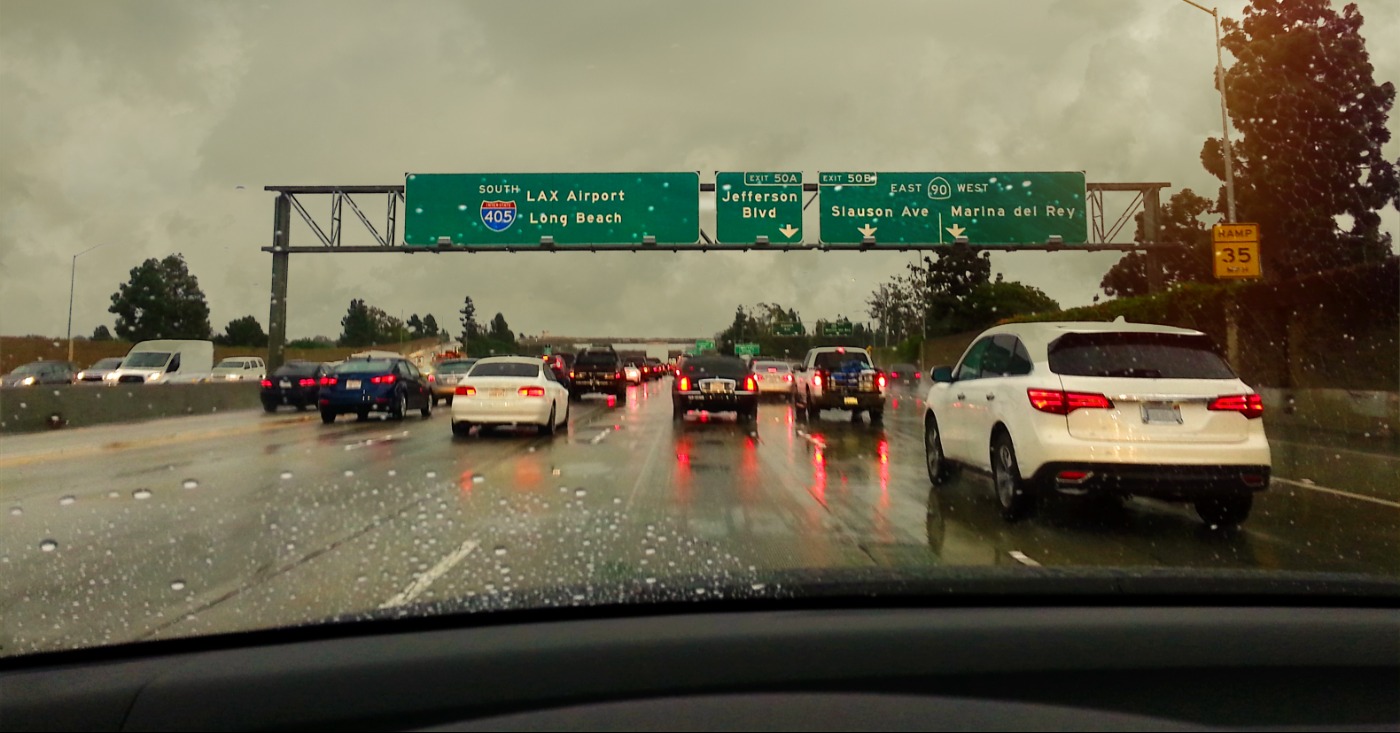
Recent storms soaked parts of Northern and Southern California, brought heavy snow to the mountains and coincided with king tides that contributed to hazardous surfing conditions along sections of the coast.
As more storms are expected this winter, state and local officials are sharing resources to help Californians prepare.
At an online briefing hosted Nov. 13 by California Black Media (CBM), American Community Media (ACoM) and the California Governor’s Office of Emergency Services (Cal OES), officials discussed how residents can prepare.
“California is heading into a winter shaped by one of the strongest El Niño patterns on record,” said Matt Notley, Cal OES’ deputy director. “But the state has been preparing since last summer and our efforts now are about making sure our preparedness message reaches every community.”
El Niño is a climate pattern marked by warmer-than-average ocean temperatures in the tropical eastern Pacific. It can shift weather patterns and increase the odds of a wetter winter in California, though it does not guarantee severe storms in every area. NOAA says a strong to very strong El Niño is likely through January to March 2027.
Michael Anderson, the California Department of Water Resources’ climatologist, said elevated ocean levels can “amplify” flooding during king tides. Californians typically experience king tides in late fall and winter. Anderson said residents can expect rain to arrive in bursts lasting two to three days.
“Timing, pace, and scale of the storms drive the impacts. Storm size and time between the storms are really important,” said Anderson. “Coastal impacts have already started. They will amplify as the season evolves. So, if you are along the coast, please be careful.”
Understanding weather patterns is one part of preparing. Gov. Gavin Newsom proclaimed a state of emergency on Sept. 21 because of the developing 2026-27 El Niño, an early step to prepare for potential severe weather, according to Brian Ferguson, Cal OES’ chief deputy director of policy.
The Ready California website offers disaster alerts, preparation guidance and printable materials, including flip books and fact sheets, in multiple languages.
Among its recommendations, Ready California advises residents to check whether their home or workplace is in a flood-prone area; clear gutters and storm drains; fix roof leaks; trim trees; and get sandbags early. Residents should also sign up for local emergency alerts, prepare a Go Bag with medications and important documents, keep flashlights and charged phones nearby, and follow evacuation orders. This is a partial list of tips.
“We’re really trying to start early by talking to folks, getting the word out, and also how do we support communities on the front end so we can ultimately keep as many folks safe as possible,” said Ferguson. “Taken together, these actions help reduce the risk that we face and also improve public safety before the storms arrive.”
The California Water Watch website lets users check precipitation and other water conditions by address or ZIP code. Anderson said California should see short periods of stormy weather “every couple of weeks.”
The state is encouraging residents to prepare now. Cal OES and the governor’s office have emphasized the importance of having an emergency plan.
For more information, visit the Ready California website,sign up for emergency alerts, find disaster help or read preparedness materials and make a plan.
Black Press
Experts Convene to Make the ‘Early Connections’ that Matter for Children’s Health, Learning
BLACKPRESSUSA NEWSWIRE — “Early Connections: Building Bridges for Brighter Futures,” was hosted by the Equity Research Action Coalition at UNC’s Frank Porter Graham (FPG) Child Development Institute, along with several partners, including the state Division of Child Development and Early Education and UNC’s Department of Maternal and Child Health.
As children enter the world, research says the level of support babies, mothers, and families receive makes a lasting impact on children’s health and well-being.
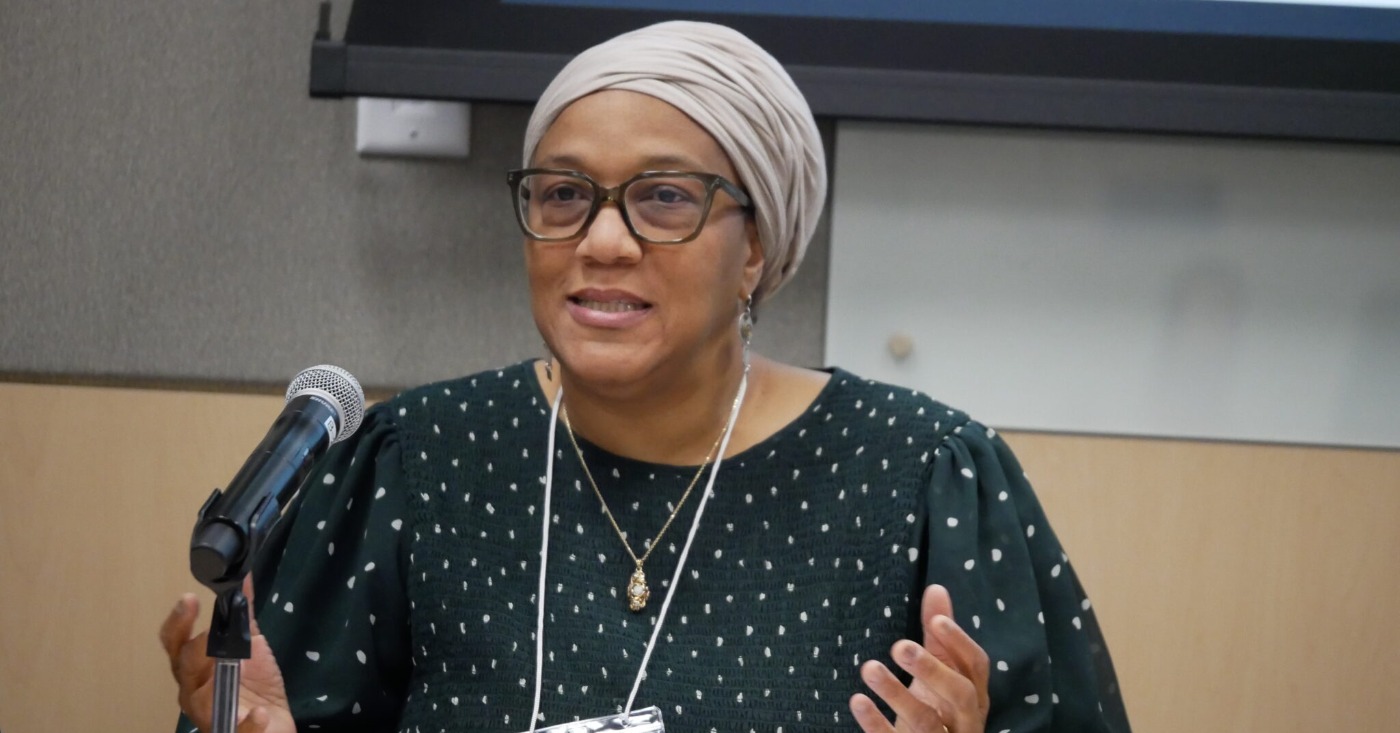
“The bonds formed in the earliest years between caregivers and children, between families and communities, between systems and the people that they serve really shape a lifetime of well-being,” said Alessandra Bazzano, chair of University of North Carolina-Chapel Hill’s Department of Maternal and Child Health at a conference held at the university.
Yet too often, services during pregnancy and through the early years of life are fragmented — or nonexistent — advocates, researchers, and practitioners said at the event.
“Early Connections: Building Bridges for Brighter Futures,” was hosted by the Equity Research Action Coalition at UNC’s Frank Porter Graham (FPG) Child Development Institute, along with several partners, including the state Division of Child Development and Early Education and UNC’s Department of Maternal and Child Health. It convened leaders across policy, philanthropy, research, advocacy, and practice with the goal of creating new partnerships that better serve young children and families.
“We must ensure that there’s a through line from healthy pregnancies and births to infancy to entry into high-quality early childhood education settings, because we know that the first three years of life is essential and important for healthy brain development,” said Brian Boyd, director of the FPG Institute.
Iheoma Iruka, director of the Equity Research Action Coalition, planned the event to bring together individuals and agencies that are not often in conversation yet serve the same communities, including experts on early care and education and infant and maternal health.
Building authentic and new relationships matters now more than ever, Iruka said.
“We are living through a moment of profound change — from climate change and natural disasters, to the rapid rise of artificial intelligence, to shifting global relationships and increasingly complex interdependence across communities, institutions, and nations,” Iruka said. “These changes bring real opportunities for innovation, for collaboration, and for addressing longstanding inequities, but they also bring tension, uncertainty, and difficult questions and conversations.”
‘Prenatal care makes a difference’
During pregnancy, the services available to mothers and families vary widely.
Many mothers, especially in rural areas, struggle to access prenatal care and must drive far from their homes to reach hospitals to give birth. About 28% of mothers in 2024 did not receive prenatal care in the first trimester of their pregnancies, according to the North Carolina Maternal and Infant Health Dashboard.
“Prenatal care makes a difference — making sure that they are educated during those visits, that you talk about nutrition, that you talk about hydration and proper exercise, that you get into what kind of food do you have in your cabinet at the house,” said Tina Braimah, director of Aya Birth & Community Wellness in Durham and a panelist at the convening.
Thirteen counties in northeastern North Carolina have no hospital, according to an investigation published by Carolina Public Press on the “the desertification of women’s health care in rural counties.” The region experienced a net loss of 11 delivery rooms from 2013 to 2023. In the far western part of the state, five counties have no hospital, and the region had a net loss of 13 delivery rooms over the same period.
These gaps in access show up in babies’ birth outcomes, several experts at the convening said. North Carolina had the 18th highest infant morality rate in the country in 2024, and mortality rates are uneven across race.
Black babies were nearly three times more likely to die in the first year of life than white babies in 2024. Black mothers were 1.6 times more likely to die from a cause related to their pregnancies than white mothers in 2018 and 2019, according to a February 2024 report from the North Carolina Maternal Mortality Review Committee.
“That ought to be a great concern to all of us,” said Sen. Jim Burgin, R-Harnett, on the racial disparities in infant mortality. Burgin, a panelist at the convening, has advocated for maternal and infant health efforts at the state legislature.
“One of the goals I set was to reduce infant mortality in the Black community by half, and I don’t see that happening,” Burgin said. “So you all need to tell us what we need to do.”
Improving maternal and infant health requires ensuring families’ basic needs are met, Braimah said.
“The other part of it is making sure they have everything they need — that they’re not stressed out, that you have access to medicine … that you have access to food,” she said. “It’s about so much more than just the prenatal care and having a baby.”
Transforming rural maternal health
Researchers from North Carolina Central University’s Center for Health Disparities Research shared several efforts to link families, particularly those in marginalized communities, with research and services that improve their health.
For example, the university’s Rural Health Hub, based in Halifax County, launched a Community-Based Doula Program in 2025 that trains individuals from rural northeastern counties to work as doulas in their communities. The program has graduated 22 doulas, 18 of whom are focused in northeastern counties, with another cohort planned this year.
“Our goal is definitely to be able to utilize this program as a means and a way to help transform maternal health outcomes across rural North Carolina,” said Undi Hoffler, director for the Office of Research Compliance and Technology Transfer at NC Central. “We’re starting in the northeast, but we hopefully will be expanding widely.”
The hub provides scholarships for those who already live in the counties in which they will provide doula services.
“We are also establishing trust, because these are people that you see in the grocery store, you go to church with, you work with, and so there’s a relationship already there,” Hoffler said.
The researchers said their efforts are informed by the families and communities they serve.
“We don’t want to just work on the community, we want to work with the community, and that’s our role,” said Seronda Robinson, an epidemiologist. Robinson leads a “Community Engagement Core,” a team that “serves as the bridge between researchers and the communities most affected by health disparities,” according to its website. “The CEC ensures that community voices inform every stage of research.”
Professionals shaping policy and systems need to do a better job of listening to and learning from the experiences, needs, and assets of marginalized communities, several speakers said at the conference.
“We gain truth when we center families and their experiences,” said Devonya Govan-Hunt, executive director of Black Child Development Carolinas, an advocacy nonprofit.
Licensed child care programs are meeting about 55% of the potential need, according to a national analysis from Child Care Trust, and rural communities are particularly struggling.
Black History
PRESS ROOM: Delaware State University Certifies Record Fall 2026 Enrollment of 7,407 Students
“This year’s growth came from a more intentional emphasis on students who were already here and decided to keep going, a central part of our work — and from a graduate school that working adults in Delaware and across the country are choosing in record numbers,” said Tony Allen, President of Delaware State University.
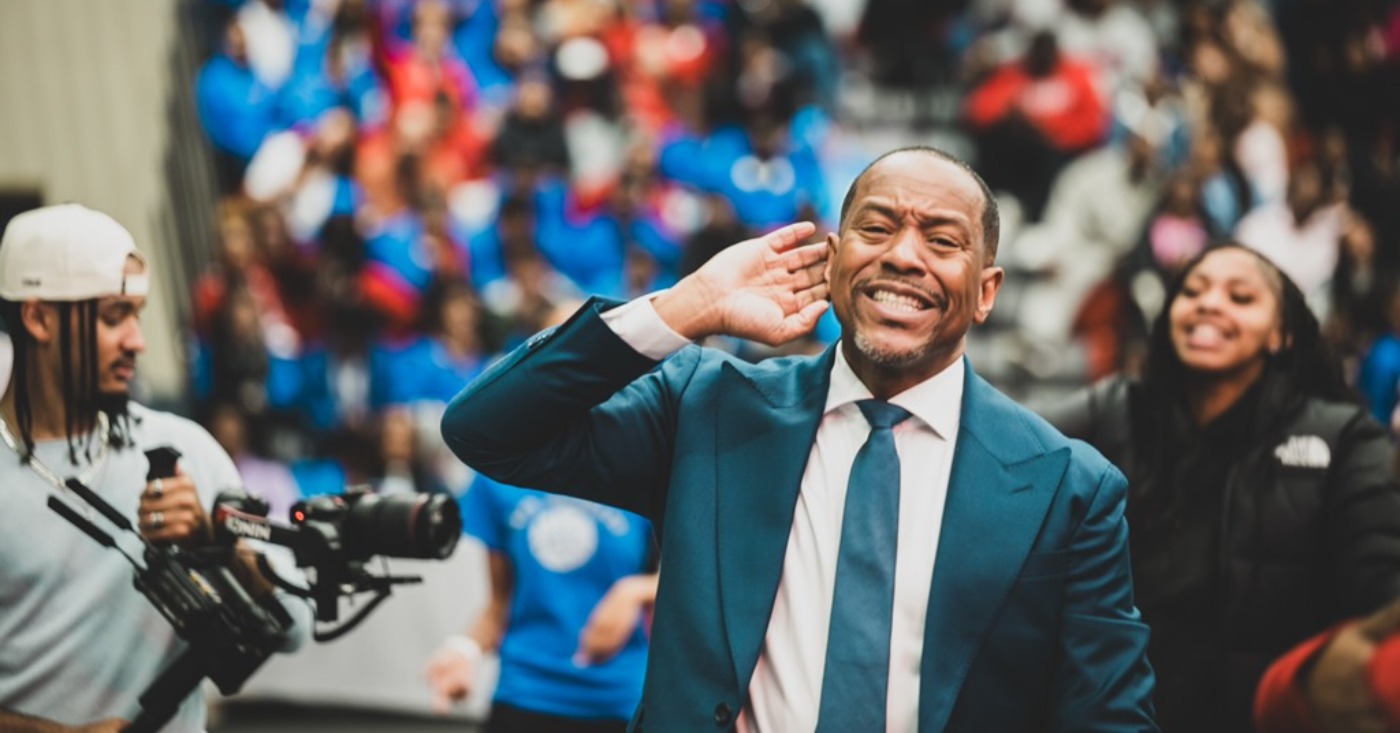
Returning students and graduate programs drive 12 percent growth
Incoming class stronger academically
In-state freshman class the largest in University history; INSPIRE Scholars make up more than 80 percent of new in-state freshmen
Dual enrollment up 56 percent, anchored by the newly named Williams School
Delaware State University has certified its Fall 2026 enrollment at 7,407 students, the largest in its 135-year history and an increase of 784 students, or 11.8 percent, over the 6,623 recorded at last fall’s census.
Of that total, 5,959 students are enrolled on the University’s two Dover campuses and in its online programs—up 7.8 percent from 5,528 a year ago and a record. The balance is enrolled through the University’s international partnership programs, a growing global portfolio that spans the Caribbean, Asia and Africa. Since 2020, when the University enrolled 5,027 students, enrollment has grown more than 47 percent.
In October, the University projected that it was approaching 7,000 students. The final count exceeded that projection, as additional online sessions and semester starts at international locations were added before the October 31 census. And in its first year, eHBCU, the online consortium for HBCUs led by Delaware State, has grown to include Alabama State University; the Southern University System, the only HBCU system in the country; and Pensole Lewis College of Business and Design, the Detroit HBCU for aspiring designers.
“This year’s growth came from a more intentional emphasis on students who were already here and decided to keep going, a central part of our work — and from a graduate school that working adults in Delaware and across the country are choosing in record numbers,” said Tony Allen, President of Delaware State University. “We have a continually growing number of students who concluded that Delaware State University is a force multiplier in their lives. Our work now is to be worthy of that decision every day.”
Delaware First.
In-state undergraduate enrollment rose 8.4 percent, and out-of-state undergraduate enrollment rose 4.5 percent. The new freshman class shows strong academic rigor, with an average high school GPA of 3.13. More than half of the University’s students are Delawareans, and this year’s in-state freshman class is the largest in University history. More than 80 percent of new in-state, full-time freshmen are INSPIRE Scholars — recipients of the four-year, full-tuition award for Delaware high school graduates who enroll in the fall after graduation, maintain a 2.75 grade point average, complete ten hours of community service each semester, and file the FAFSA each year. Sponsored in 2010 by Senator Brian Bushweller and later championed for expansion by Senator Trey Paradee and alumna Representative Stephanie Bolden, the program has brought more than 2,500 Delawareans to the University as INSPIRE Scholars.
“I came in as a freshman not sure I’d make it to a second year. What kept me here was that people noticed when I was struggling and didn’t let me drift. Two years later I’m on track to graduate on time, and I know exactly who to thank,” said Alana Carter Grimes, Senior, Accounting major from Wilmington, DE.
“You feel this in the classroom before you see it in a report. Students come in prepared, they stay, and they ask harder questions by sophomore year than they used to as juniors. That changes how we teach, and it should,” said Hakeem Lawal, Professor, Biology Department.
Graduate enrollment grew fastest.
Graduate enrollment increased 27.1 percent. Continuing graduate students were up 34.1 percent, and online graduate enrollment grew 46.1 percent — the highest in University history. “Graduate students are diligent with their time, for they understand the importance of it. They are choosing Delaware State because our programs are built for people who are working, raising families and serving their communities while they earn the credential that moves them forward,” said Dr. Gwendolyn Scott-Jones, Dean of the School of Graduate, Adult and Extended Studies. “A 27 percent increase in one year tells us the model is right. Our job is to keep every one of those students on a path to finish.”
The pipeline is widening. The number of high school students taking University courses for college credit rose 56 percent to 684, including 482 Delawareans and 199 students at the HBCU Early College Prep school in Queens, N.Y. The Williams School, the University’s early college school dedicated in September in honor of former President Harry L. Williams and Dr. Robin S. Williams, sends roughly two-thirds of its graduates to Delaware State.
Built to get students to the finish line.
The University’s growth is supported by a set of programs designed to take students from arrival to career. The Braven Accelerator, a three-credit sophomore-year career-readiness course, has been completed by more than 1,000 Delaware State students, and the University announced last month that it will expand the Braven partnership into a new Center for Economic Mobility that will reach every undergraduate. In October, the College of Business hosted its largest DEEP Day on record, with 720 students, and continues to lead the University’s Black Male Initiative in partnership with the Executive Leadership Council. The College of Agriculture, Science and Technology’s annual White Coat Ceremony on September 29, 2026, welcomed 213 first-year pre-health students into the health professions pathway.
“The road ahead is about meeting our students earlier in the educational experience, giving them real-world tools to be successful, knowing their highest aspirations and showcasing them to the world,” said Dr. Kareem McLemore, Head of Strategic Enrollment and International Affairs. “We pour in; they give back. That is the formula.”
Black History
Hoodoo Heritage Month Celebrates Origins of African American Folk Medicine
BLACKPRESSUSA NEWSWIRE — Hoodoo has largely been demonized, misunderstood, and misrepresented as a “folk magic system” for trickery and harm. Hoodoo practices have often been hidden in places like the Black church and “old wives’ tales,’ abandoned as a form of separation from the racial trauma of the South, or simply forgotten because no one was able to pass them on to the next generation.

In Oakland, October is known for the Black Cowboy Association’s Annual Parade and Festival at the beginning of the month, the Life is Living Festival toward the middle, and the Día de los Muertos celebration in Fruitvale. In recent years, the month has also become known for a national observance of Hoodoo Heritage Month.
Hoodoo Heritage Month celebrates the history, legacy, and practices of Hoodoo. Hoodoo is a spiritual tradition and way of life formed by enslaved Africans in America. It encompasses plant medicines, healing herbs, rituals, prayers, ancestral reverence, protective talismans, and other practices passed down for generations.
Mama Rue and the Walking the Dikenga Collective officially founded the month in 2019 in Chicago, Illinois, to preserve the tradition and honor the endurance of our ancestors and the value of these practices.
Some practitioners created calendars that provided an activity or ancestor to honor each day. One notable example is Oct. 2, deemed Nat Turner Day to honor the birth of the leader of the 1831 uprising in Southampton County, Virginia.
This is also an encouraged time to read literary works by Black authors who helped revive interest in these spiritual practices. Among them are local authors Michele E. Lee and Luisah Teish, who wrote “Working the Roots: Over 400 Years of Traditional African American Healing” and “Jambalaya,” respectively.
Hoodoo has largely been demonized, misunderstood, and misrepresented as a “folk magic system” for trickery and harm. Hoodoo practices have often been hidden in places like the Black church and “old wives’ tales,’ abandoned as a form of separation from the racial trauma of the South, or simply forgotten because no one was able to pass them on to the next generation.
Within the last 10 to 15 years, there’s been a resurgence in African diasporic religion and spirituality as a means to navigate ongoing oppression and racial terror, just as our ancestors did.
As the veneer hiding American racism eroded with the election of President Donald Trump in 2016, Millennials and Gen Z began looking to our past to move forward.
For instance, it is becoming more widely understood that the justification for chattel slavery and European colonization led to the demonization of African diasporic worship systems, including what would eventually be termed Hoodoo.
For Jzov Stith, a young Black, Bay Area resident, observing Hoodoo Heritage Month was a time of deep reverence. “It means reconnecting with sacred traditions of storytelling, cooking, dancing, sharing, and grieving [and] being in thoughtful conversation and collaboration with my beloved dead.”
Through online and in-person workshops, events, and classes, Hoodoo practitioners are sharing history and current research from their own efforts. Bushmama Africa, an Oakland curator, artist, and initiate in the Cuban diasporan tradition known as Lucumi, teaches indigo dyeing and Hoodoo broom-making. (Indigo was one of the first crops cultivated by enslaved Africans who brought their skill to what would become South Carolina and Georgia in the 1600s.)
“Elder women in my life hailed from places where Hoodoo was worked. They were the midwives [and] the prayer warriors. It’s what I do, but it’s also who I am. It’s a deep-rooted spiritual practice of our culture that deserves to be preserved and contained within our communities.”
Other sources for information on African American ancestral practices are “Mojo Workin’” by Katrina Hazzard-Donald, “The Conjuring of America” by Lindsey Stewart, and “The Book of Juju” by Juju Bae.
Online sources were used for this article.
Black History
Black Barbershops Have Long Given Neighborhood Politics a Place to Unfold.
BLACKPRESSUSA NEWSWIRE — For generations, Black barbershops have served as more than just places for grooming; they have functioned as essential hubs for political debate, neighborhood news, and civic connection. During the era of segregation, these community-owned spaces provided a rare environment where Black residents could gather freely to discuss matters affecting their daily lives.
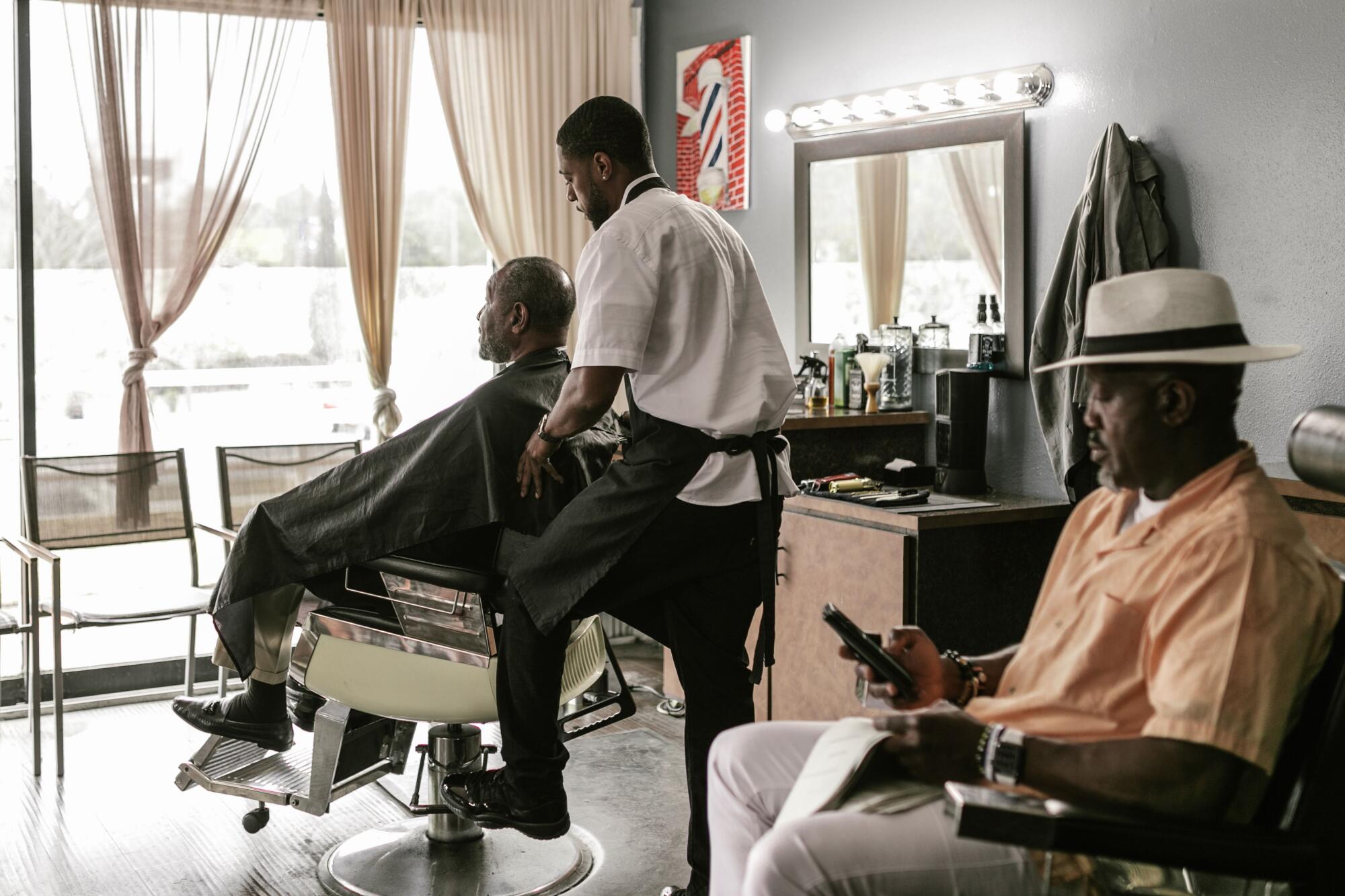
Black barbershops offer space for political debate, neighborhood news, and civic ties. The black barbershop also preserves local stories often missing from official records.
A haircut might bring you through the door. A conversation about a school closing, a city election, or a struggling business might keep you there. Inside a neighborhood shop, people can challenge opinions without needing a microphone.
A familiar storefront can hold decades of public life. Studying its past reveals people who earned a living, debated decisions, and helped neighbors interpret events.
Why Have Black Barbershops Been Important to Their Communities?
An African American barbershop has often combined a practical service with a gathering place. Under segregation, Black residents faced barriers in many public settings. Community-owned shops could offer more room for conversation and connection.
The National Museum of African American History and Culture describes barber and beauty shopsas places where customers discuss matters affecting their lives. Regular visits built relationships across generations.
Barbers often knew which families needed help or which businesses had opened. Waiting customers heard different viewpoints.
The importance of the shop came from trust built over many ordinary visits. A young customer might meet an older neighbor who understood the area’s past. Such relationships gave local conversations staying power and helped turn a routine appointment into a shared community experience.
How Did Black Barbershops Become Places for Political Discussion?
Politics often started with questions about rent, schools, jobs, or fair treatment. Customers connected those problems to elected leaders.
A University of Chicago report examined conversations inside a South Side Chicago shop. Researchers found that patrons debated:
- Political power
- Economic choices
- Leadership
They also disagreed with one another. A black barbershop did not require agreement. Customers could test ideas against those of neighbors.
Some shops supported voter registration and civic groups through personal relationships. Notices on counters or conversations with regulars could bring public issues into daily life. Yet lively debate was not the same as organized activism, and each shop had its own culture.
Black Barbers Built Businesses That Reached Beyond Haircuts
Enslaved and free Black men worked as barbers when many trades were restricted. Ownership later gave some black barbers a path toward greater financial independence, even under unfair laws.
Alonzo Herndon offers one example. According to the Georgia Historical Society, he operated Atlanta barbershops, including the Crystal Palace, and later built a major insurance business. His shops served white customers, reflecting segregation and unequal access.
Herndon’s success was unusual. Black business owners could still turn skilled work into jobs and property. Not all black companies grew large. Neighborhood shops kept commerce local.
Owners also faced rent, competition, and the challenge of building a steady customer base. Their business records can reveal how Black enterprise survived major shifts in the local economy.
Photographs and Newspapers Reveal Neighborhood History
Shop photos show storefront signs, neighboring businesses, clothing, and names painted on windows. Those clues help date images.
City directories can connect a shop name to an address, while maps show whether its block later changed. Each clue adds a piece to neighborhood history without requiring a famous owner or landmark.
Next, try the Library of Congress’s Chronicling America resources. Historic newspapers hold:
- Ads
- Openings
- Local events
- Owners’ names
Older records may use dated language. A useful starting checklist includes:
- Shop names and former street addresses
- Advertisements and business listings
- Photographs with dates or handwritten notes
- Local reporting about civic meetings
Compare records. An ad can confirm a shop’s address, not what customers discussed. Good neighborhood history separates documented facts from personal memories.
Customers’ Memories Fill Gaps in the Public Record
Customers may remember an owner’s nickname. Former barbers can explain busy hours or changes after a nearby factory closed.
Ask about routines and memorable events. Distinguish firsthand knowledge from secondhand stories.
When possible, interview more than one person. Different memories may show how workers and customers experienced the same event.
A recording can be useful, but permission comes first. Explain whether an interview will be shared publicly, kept privately, or donated to a library. Take note of:
- The date
- Place
- Speaker’s preferred name
Differences between memories are clues worth checking, not reasons to dismiss an account.
Modern Grooming Changes, but the Community Role Remains
Today’s African American barbershop operates amid appointment apps and new grooming services.
Some men also explore treatments beyond conventional haircuts. Many who are comparing long-term hair reduction with other grooming choices can learn more here.
A shop’s social value goes beyond its services. Many black barbers still:
- Listen to customers
- Pass along local information
- Create space for people of different generations to meet
The work of black business owners remains part of the wider story of black companies and community investment.
Frequently Asked Questions
How Can You Tell Whether an Old Barbershop Moved?
Start with city directories from several years. Match the owner’s name, phone number, and shop name at each address.
Property records or historical maps may show whether a street was renamed or a building was replaced. Moves may reflect development or shifting customers. Record each address and source.
Can You Share a Historic Barbershop Photo Online?
Owning a print does not guarantee copyright. Identify the:
- Photographer
- Date
- Source collection
A library may allow research access while limiting reuse. Copyright rules can vary by image and age, so avoid assuming that an old photo is free to publish.
Ask about permission when rights remain unclear. Credit the photographer and people pictured when their names are known. Respect requests from families who prefer sensitive images to remain private.
How Can You Preserve a Shop’s History After It Closes?
Collect photos, business cards, notices, and interviews. Label digital files and protect originals.
A local library, historical society, or community archive may help preserve the collection. Include the stories of workers and customers, not only the owner.
Public access can keep a vanished storefront connected to the people who remember it. A short exhibit or digital collection can help younger residents discover that history.
Keep the Black Barbershop Story Alive
A black barbershop can hold pieces of a town’s political, economic, and cultural history. Preserving those pieces starts with listening carefully and checking the record.
Continue exploring our other guides and articles for more stories about Black history, local businesses, and the communities they serve.
Content provided through ContentManagerIO.
BlackPressUSA
REBROADCAST! — HE SAID, HE SAID, HE SAID: “RUTHLESS!: Love Shouldn’t Hurt,” — FRI. 11.20.26 7PM EST
Join us this Friday at 7pm EST for a raw conversation on trauma and healing. We’re going deep into the uncomfortable truths of intimate partner violence.


Tune in Friday, November 20, 2026 @ 7pm EST/4pm PST/6pm CST for the next “He Said, He Said, He Said Live!” A Look at the World from A Seasoned Black Man’s Perspective…because one perspective isn’t enough!” for “RUTHLESS!: Love Shouldn’t Hurt, A Conversation on Trauma, Intimate Partner Violence & Healing” with special guest Author, Journalist, and Podcaster Wyatt O’Brian Evans www.wyattevans.com
THIS FRIDAY, AUGUST 21ST, WE’RE HEATING THINGS UP. 🔥 And this conversation is going somewhere we don’t always want to go—but absolutely NEED to go. RUTHLESS!: LOVE SHOULDN’T HURT. What if the person you love is also carrying wounds you can’t see?
What happens when trauma follows you into love… when secrets threaten everything you’ve built… and when the relationship that looks perfect from the outside is fighting battles behind closed doors?
Join He Said, He Said, He Said Live for a powerful, provocative, and deeply personal conversation with Wyatt O’Brian Evans—award-winning journalist, author, podcaster, intimate partner violence and abuse subject-matter expert, advocate, and Renaissance man.
Wyatt joins us to talk about his explosive new psychological drama/thriller, “RUTHLESS!”, the latest installment in his Nothing Can Tear Us Apart series, released August 18 by Rainbow Advocacy Press. But make no mistake… This isn’t just a conversation about a book.
It’s a conversation about INTIMATE PARTNER VIOLENCE. And the complicated, sometimes painful journey toward loving—and being loved—whole.
New Episodes of “He Said, He Said, He Said” – Live stream Fridays, 7 p.m. EST on all these links: https://linktr.ee/hesaidhesaidhesaid FACEBOOK: facebook.com/hesaidhesaidhesaidlive RELIVE and SHARE special moments from “He Said, He Said, He Said” here: SHOW CLIPS youtube.com/channel/https://www.youtube.com/channel/UCV0MtJCazNWVBSaj1JFHITg FOLLOW US —- CLICK LIKE and SUBSCRIBE to us @hesaidhesaidhesaidlive on YouTube and Instagram!
#HeSaidHeSaidHeSaid #Ruthless #LoveShouldntHurt #WyattOBrianEvans #NothingCanTearUsApart #IntimatePartnerViolence #IPVAwareness #TraumaHealing #MentalHealthAwareness #HealthyRelationships #HealingJourney #BlackLGBTQ #BlackLGBTQVoices #BlackAuthors #BlackStories #Ruthless #LoveShouldntHurt
#WyattOBrianEvans #IPVAwareness
🎙️ New to streaming or looking to level up? Check out StreamYard and get $10 discount! 😍
🎙️ New to streaming or looking to level up? Check out StreamYard and get $10 discount! 😍 https://streamyard.com/pal/d/6551970446311424



Staying Ready: What Every Californian Should Know About Preparing for El Niño

Experts Convene to Make the ‘Early Connections’ that Matter for Children’s Health, Learning

PRESS ROOM: Donalds Transition Website Now Open to All Floridians Who Want to Serve

Delay Motherhood: What you need to know about egg freezing

Car Buying Tips: 5 Steps to Get a Better Deal #shorts

Massive Chevy Tahoe Interior Tour: The Cup Test Challenge #shorts

Scott Colom’s Nike Challenge Goes National, Freshman Democrats Get a Surprise 📱

Scott Colom’s Nike Challenge Goes National, Freshman Democrats Get a Surprise

MLGW offers up to $7,500 per home to help builders connect to the grid

PRESS ROOM: American Cancer Society Updates Prostate Cancer Screening Guideline: Major Changes Include Regular PSA Testing for Average and High-Risk Men

HISTORY MADE: Keisha Lance Bottoms Becomes First Black Woman Elected Governor in American History

Secretary of State Shirley Weber Pushes Back Against DOJ Demands Over California Voter Rolls

Retirement Triggers Doctor to Pen Book for Young Audience

Capturing Black Life’s Beauty

Multi-Faith Leaders Representing 10 Million People Launch National Anti-Authoritarian Initiative

Christianity’s Racial History

Hundreds of Black Christian Leaders Arriving in Israel for Martin Luther King-Inspired Mission

Oakland Honors 60 Years of the Black Panther Party at the All Power to the People Gala

Message from the Associate Editor: Blindness, Hurts, Cops

Michael Shiner: The Enslaved Man Who Wrote His Way into American History
Delay Motherhood: What you need to know about egg freezing
Car Buying Tips: 5 Steps to Get a Better Deal #shorts
Massive Chevy Tahoe Interior Tour: The Cup Test Challenge #shorts
Scott Colom’s Nike Challenge Goes National, Freshman Democrats Get a Surprise 📱
Scott Colom’s Nike Challenge Goes National, Freshman Democrats Get a Surprise
MLGW offers up to $7,500 per home to help builders connect to the grid

San Diego Black Judges: A Historic Shift on the Bench

She’s Turning Her Ovarian Cancer Story Into a Lifesaving Mission #shorts

Tahoe 15-Inch Head-Up Display: Can You Read It in Sunlight? #shorts

MC Scat Cat: The Story Behind Paula Abdul’s No. 1 Hit #shorts
-

 Black Press1 week ago
OP-ED: Closing the Next Digital Divide — Communities of Color Must Have a Voice in the AI Future
-

 Black History1 week ago
New NAACP Report Warns AI Could Deepen Health Disparities in Black Communities
-

 Black Press7 days ago
COMMENTARY: Thank You, Trump, for Making America Great Again!
-

 Black History1 week ago
“Blue Tsunami” Sweeps Georgia, Bottoms Makes History
-

 Black Press6 days ago
Black Men Encouraged to Start Prostate Cancer Screening at 45
-

 Black Press1 week ago
OP-ED: And Then What?
