
Dallas Post Tribune
5 Ways Climate Change Affects The Mental Health Of Young People
DALLAS POST TRIBUNE — The European Parliament’s recent ban on single-use plastic products was hailed as a positive step in the world’s battle against climate change.Yet at the same time, younger generations around the world want to see more government action. Deeply concerned about their future as dire forecasts of a worsening environment continue, students from across the globe keep protesting. And while the threats often associated with climate change are to physical health, homes, the air, water, and economy, psychologists says the toll it takes on young people’s mental health can’t be ignored.


By Dallas Post Tribune Staff
The European Parliament’s recent ban on single-use plastic products was hailed as a positive step in the world’s battle against climate change.Yet at the same time, younger generations around the world want to see more government action. Deeply concerned about their future as dire forecasts of a worsening environment continue, students from across the globe keep protesting. And while the threats often associated with climate change are to physical health, homes, the air, water, and economy, psychologists says the toll it takes on young people’s mental health can’t be ignored.
“The impact that all the aspects of climate change have on mental health is far-reaching,” says Leslie Landis (www.chendell.com), a family therapist and author of Chendell: A Natural Warrior, a fantasy novel with environmental themes. “It’s especially profound after natural disasters on teens, children and young adults – stress, depression, anxiety, and strains on relationships.
“On the other hand, the activism many young people are engaging in due to climate change is very mentally healthy. They’re inspiring others and trying to bring about action by getting people to take climate change seriously.”
Landis outlines some positive and negative impacts that climate change is having on the mental health of young people:
Positives
- Activism. Young people are leading the way to fight climate change by forming mass protests around the globe. ”Climate justice is a fight for the future,” Landis says. “Despite rising sea levels, wildfires, extreme weather events and dire warnings from scientists, politicians globally haven’t responded as needed. And young people are enraged; they know that doing nothing, sitting silently, severely threatens their future.”
- Innovation. In Congress, 29-year-old Rep. Alexandria Ocasio-Cortez of New York has put climate change solutions at the forefront with her proposed legislation, the “Green New Deal.” Young entrepreneurs are growing profitable businesses by focusing on environmentally friendly innovations. “Each project is an inspiring example of how young people are taking creative approaches to combating climate change,” Landis says. “In each there’s some solidarity, which is key to progress being made.”
Negatives
- Anxiety, stress. “Fear of extreme weather, changing weather patterns, or worrying about what the future will look like because of climate change increases stress and anxiety,” Landis says. “That in turn can cause depression, sleep disorders and weaken the immune system.” One report says young people with depression and anxiety might be disproportionately more at risk for worsening symptoms due to climate change.
- Trauma, shock. Natural disasters caused by climate change bring a high potential for severe psychological trauma from personal injury, the injury or death of a loved one, loss of personal property, and loss of pets. Post-traumatic stress disorder (PTSD) can result when feelings of helplessness and despair last for long periods.
- Strained relationships. “Disasters can not only hit the structure of the home hard, but also the infrastructure of family relationships,” Landis says. “Relocations or just missing the usual conveniences can result in constant tension. Children may have to attend a different school, and the safe world revolving around their home doesn’t exist anymore.”
“We keep hearing the warnings about catastrophic conditions in the coming years, which add to lost hope among a lot of young people,” Landis says. “But the activism and ideas they engage in provide hope. And confronting a problem head-on is a wonderful way to achieve mental wellness.”
This article originally appeared in the Dallas Post Tribune.













Commentary
Why heart health is important for women with diabetes
DALLAS POST TRIBUNE — In fact, heart disease is the leading cause of death for women in the U.S., killing one woman every 60 seconds. It’s the leading cause of death for African American and white women and, among Hispanic women, it causes as many deaths as cancer each year.

If you have diabetes, you have a higher-than-average risk of having a heart attack or a stroke. While men and women generally have similar rates of Type 2 diabetes, women are twice as likely to have heart disease.
In fact, heart disease is the leading cause of death for women in the U.S., killing one woman every 60 seconds. It’s the leading cause of death for African American and white women and, among Hispanic women, it causes as many deaths as cancer each year.
Two-thirds of women who die suddenly of heart disease have no previous symptoms. Women are more likely than men to have the following heart attack symptoms:
- Pain in the neck, jaw, abdomen or back
- Nausea
- Shortness of breath
- Dizziness
- Fatigue
More than 90 percent of women have one or more risk factors for heart disease. Women of all ages can get heart disease. While the risk gets higher with age, lifestyle, diet, smoking and hereditary conditions can increase a younger person’s risk.
Risk factors for heart disease include:
- Diabetes
- Smoking
- High blood pressure
- High LDL (bad) cholesterol
- Obesity
- Poor diet
- Physical inactivity
If you have a family history of heart disease, there are still steps you can take to lower your risk. Below are some important steps women can take to reduce their risk of heart disease:
- Know your risk factors; have your blood pressure checked regularly, along with your cholesterol and triglycerides
- Stop smoking
- Eat healthy, including lean proteins such as white meat chicken and lean ground beef, plenty of fresh fruits and vegetables. Check out the Healthy Eating video at parklanddiabetes.com/healthy for more tips on eating healthy with diabetes
- Find ways to relax more and lower your stress level
- Get moving and exercise more. Check out the Move Your Body video at parklanddiabetes.com/move for easy tips on how to get more exercise into your day
If you are a woman who has diabetes, it’s very important to keep your blood sugar within the range recommended by your doctor. If you don’t know how to manage your blood sugar, make an appointment with a health care provider to get more information on keeping your diabetes under control.
For more information on how to keep your heart healthy and manage your diabetes, go to www.parklanddiabetes.com.
This article originally appeared in the Dallas Post Tribune.
Dallas Post Tribune
Parkland providers urge men to take care of their physical, mental health
DALLAS POST TRIBUNE — The Centers for Disease Control and Prevention (CDC) report men in the United States, on average, die five years earlier than women. Each June Parkland Health & Hospital System observes Men’s Health Month to raise awareness by encouraging men to adopt healthy habits for both mind and body.

June is Men’s Health Month
By Dallas Post Tribune Staff
DALLAS – The Centers for Disease Control and Prevention (CDC) report men in the United States, on average, die five years earlier than women. Each June Parkland Health & Hospital System observes Men’s Health Month to raise awareness by encouraging men to adopt healthy habits for both mind and body.
According to the CDC, the top 10 health issues experienced by men include heart disease, cancer, unintentional injuries (such as road traffic injuries, poisoning, falls, fire and burn injuries, and drowning), chronic lower respiratory diseases, stroke, diabetes, suicide, Alzheimer’s disease, influenza/pneumonia and chronic liver disease. The suicide rate among American men is about four times higher than among women, according to CDC data. Women are more likely to attempt suicide but men are more likely to succeed.
“This month gives providers the opportunity to educate their patients and their loved ones about the importance of regular health checkups and encourage men to take control of their health,” said Noel O. Santini, MD, Senior Medical Director of Ambulatory Services at Parkland.
Although physical health is almost always top of mind, “We want our patients, men and women alike, to focus on their mental health, too,” said Alejandro Zavala Cervantes, LPC, a mental health counselor at Parkland’s Garland Health Center. “A person’s mental health influences how they feel, think and behave. It also affects their ability to cope with stress, build relationships and overcome challenges and all of these affect their physical health as well as their emotional wellbeing.”
According to Mental Health America (MHA, formerly known as the National Mental Health Association), every year one in five adults experiences a mental health problem and 6 million men are affected by depression. The top three major mental health problems experienced by men are:
Depression: This illness is characterized by experiencing feelings of hopelessness, sadness, loss or frustration that cause trouble with daily life. Depression can last weeks, months or even years.
Anxiety: These disorders involve more than temporary worry or fear, affecting the ability to function day-to-day.
Bipolar disorder: This illness causes dramatic shifts in a person’s mood, energy and ability to think clearly. People with bipolar disorder experience extreme high and low moods.
Despite the prevalence of mental health issues, many people still view the subject as taboo.
“Discussing mental health issues with anyone, let alone a healthcare provider, is often seen as embarrassing or even unnecessary. In my experience, this is especially true in men,” Zavala Cervantes said. “Many of my male patients have expressed being hesitant about seeking help because doing so implies weakness and is cause for shame. As providers we need to erase this stigma and encourage patients to seek help.”
Getting appropriate and timely care can change lives, according to Celeste Johnson, DNP, APRN, PMH CNS, Vice President of Behavioral Health at Parkland. “The best treatments for serious mental illnesses are highly effective. Between 70 and 90% of individuals have significant reduction of symptoms and improved quality of life with the right treatments and supports.”
In 2015, Parkland launched a unique Universal Suicide Screening Program to identify those at risk and help save lives by intervening immediately. “Patients who later die by suicide are often seen by non-behavioral health providers in the days, weeks and months prior to death,” Dr. Johnson said. “U.S. data shows that 77% of people who die by suicide had contact with a primary care provider and 40% had contact with an emergency department provider in the year prior to death. We want to use every patient encounter at Parkland as an opportunity to identify those at risk and provide the help they need.”
Treatments for mental health issues may include therapy or counseling, medications and other treatments that can help people lead healthier lives. In addition to seeking professional help, there are many ways to take control of your mental health including:
Take care of your body: Good physical health can improve your mental health. Be sure to maintain a healthy diet and avoid drugs, tobacco and alcohol.
Exercise: Physical activity helps decrease depression and anxiety and improve moods.
Get enough sleep: Adequate sleep is a necessity, not a luxury. Skipping even a few hours here and there can take a toll on your mood, energy, mental sharpness and ability to handle stress.
Learn how to deal with stress: Stress takes a toll on physical and emotional health. While not all stressors can be avoided, management strategies can help you feel less overwhelmed and more in control.
When to seek professional help: If efforts to improve your mental health seem to fail, it may be time to seek professional help. It’s especially important if thoughts of self-harm or suicide are present.
“We want our patients to know they don’t have to suffer alone and in silence,” Zavala Cervantes said. “We’re here to help.”
If you or someone you know is in an emergency, call 911 immediately. If you are in crisis or are experiencing difficult or suicidal thoughts, call the National Suicide Hotline at 1-800-273 TALK (8255) or text the Crisis Text Line at 741741.
To access MHA’s online mental health screening tools please visit, https://screening.mentalhealthamerica.net/screening-tools. For more information about Parkland services, visit www.parklandhospital.com.
This article originally appeared in the Dallas Post Tribune.
Dallas Post Tribune
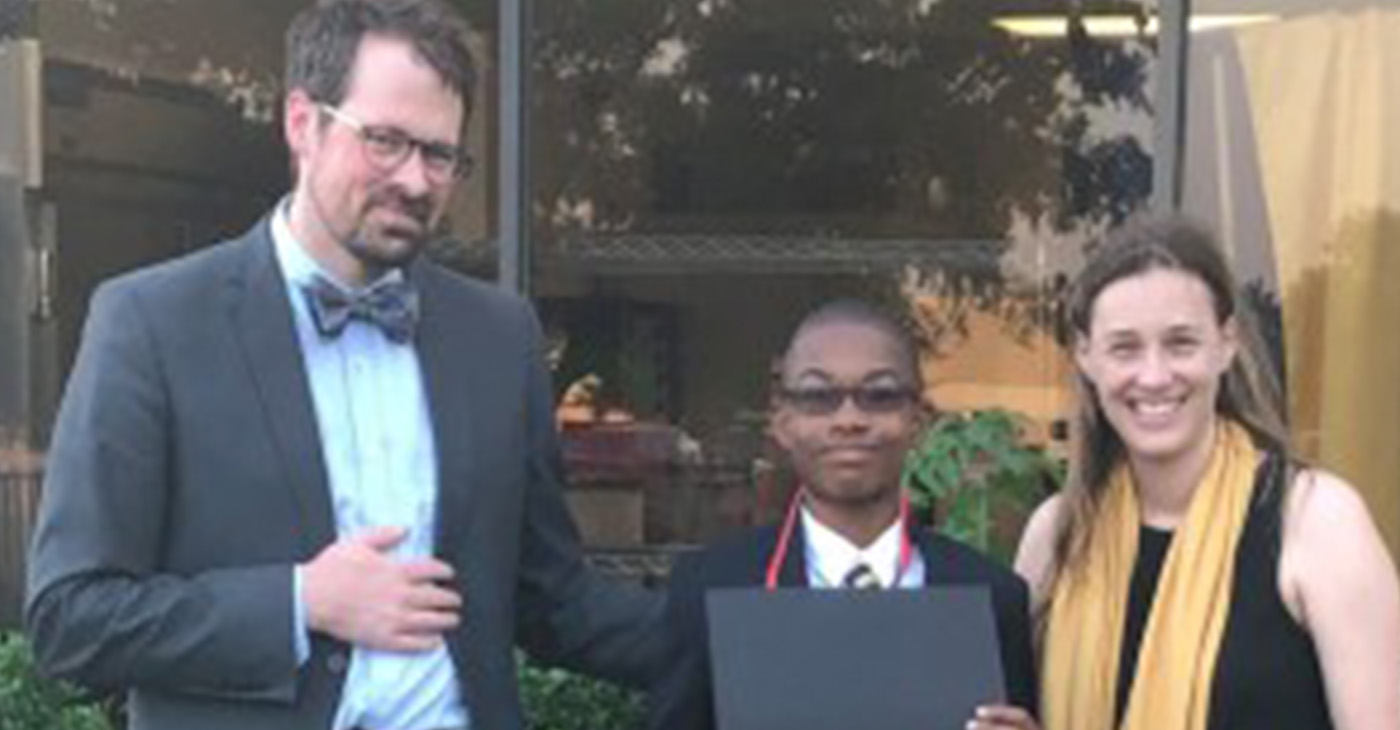
Gary L. Bond III Receives the Cincinnatus Award from Great Hearts Irving
DALLAS POST TRIBUNE — On May 23, 2019, Gary L. Bond III received the Cincinnatus Award (Charity in Leadership and Magnanimity) from Great Hearts Irving Academy. At the end of the school year, Gary will complete the 8th grade where he has been active in; Track, The Debate Team–Public Forum, and Programming–Python as extracurricular activities.
By Dallas Post Tribune Staff
On May 23, 2019, Gary L. Bond III received the Cincinnatus Award (Charity in Leadership and Magnanimity) from Great Hearts Irving Academy.
At the end of the school year, Gary will complete the 8th grade where he has been active in; Track, The Debate Team–Public Forum, and Programming–Python as extracurricular activities.
- In track, he competed in the; 4×100, 4×200, 200m, and the 400m, receiving medals in the; 200m, 4×100, and the 4×200.
- 2018, Gary received the Duke Tip Award in Texas.
Gary L. Bond, Jr. and Theronica R. Bond are the proud parents of Gary and Theodore L. Bond, the only sibling, is his younger brother.
Gary is a member of Greenville Avenue Church of Christ in Richardson, Texas.
“The Dallas Post Tribune sends a “special” CONGRATULATIONS! to Gary for his achievements during the school year, 2018-2019”.
This article originally appeared in the Dallas Post Tribune.
Dallas Post Tribune
Two Dallas ISD schools among nation’s best high schools, earn top 20 in U.S.
DALLAS POST TRIBUNE — Two Dallas ISD schools are among the 2019 Best High Schools top 20 list according to rankings by U.S. News & World Report.

DALLAS — Two Dallas ISD schools are among the 2019 Best High Schools top 20 list according to rankings by U.S. News & World Report. The School of Science and Engineering (SEM) took the No. 12 spot, nationwide, while the School for the Talented and Gifted (TAG) ranked No. 16. Both are housed at Yvonne A. Ewell Townview Center.
Five Dallas ISD schools rounded out the top 20 schools in Texas: SEM (No.1); TAG (No.2); Irma Lerma Rangel Young Women’s Leadership School (No. 6); Booker T. Washington High School for the Performing and Visual Arts (No. 14); and Judge Barefoot Sanders Law Magnet (No. 17).
Tiffany Huitt, executive director of magnet schools in Dallas ISD and a former SEM principal, shares her perspective on how national prestige continues to follow the schools.
“It speaks to the quality of the programming that we have and offer in Dallas ISD. We’re continuously researching the best way to implement learning initiatives,” said Huitt. “You have a community of people working really hard who want the best for these students, and what you see is the result of that in the rankings every single year.”
She also emphasized while other names may not have made the top list, many schools have transformed their approach and have made strides.
“It’s not just academically, but programmatically, you can look across the rankings and see a number of schools, while they may not be in the top 20, they are improving in their rankings from the year prior,” said Huitt.
The annual report reviews schools by looking at six factors: college readiness, reading and math proficiency, reading and math performance, underserved student performance, college curriculum breadth and graduation rates. Specifically, college readiness measures participation and performance on AP and IB exams.
This year, U.S News expanded the number of schools surveyed to more than 17,000, nationwide – up from 2,700 schools in 2018. Texas led all states, with three schools in the top 20.
This article originally appeared in the Dallas Post Tribune.
Crime
Ex-Texas A&M football player found guilty of murder
DALLAS POST TRIBUNE — A former Texas A&M football player accused of hacking a Dallas jogger to death with a machete in 2015 has been convicted of murder.

By Dallas Post Tribune
DALLAS — A former Texas A&M football player accused of hacking a Dallas jogger to death with a machete in 2015 has been convicted of murder.
A Dallas County jury swiftly returned a guilty verdict Tuesday in Thomas Johnson’s trial in the killing of David Stevens after the former wide receiver’s legal defense declined to call a single witness.
Johnson was accused of waiting on a trail in East Dallas four years ago and attacking the 53-year-old mechanical engineer as he ran by. Prosecutors have said the 25-year-old Johnson confessed to the seemingly random killing and that DNA evidence also pointed to his guilt.
This article originally appeared in the Dallas Post Tribune.
Dallas Post Tribune
Why care about mental health?
DALLAS POST TRIBUNE — Mental illness can affect anyone at any time. Young, old, rich, poor, male, female, one in five of us will experience a mental health issue in any given year.

BY Dallas Post Tribune Staff
DALLAS – Mental illness can affect anyone at any time. Young, old, rich, poor, male, female, one in five of us will experience a mental health issue in any given year.
During Mental Health Awareness Month in May, the National Alliance on Mental Illness (NAMI) is pointing to the theme of this year’s observance: “Why care?” Mental health professionals at Parkland Health & Hospital System say there are millions of reasons why mental health matters deeply to them – and why the rest of us should also care:
• 1 in 5 adults in the U.S. lives with a mental health condition.
• 1 in 17 adults in the U.S. lives with a serious mental illness.
• 60 million people in the U.S face the day-to-day reality of living with a mental illness.
• Nearly 1 million Texas adults have a serious mental illness.
• About 220,000 Texas veterans have a mental health condition.
• Each year, about one-half million children and adolescents in Texas experience a serious emotional disturbance.
• 90% of those who die by suicide have an underlying mental illness. Suicide is the 10th leading cause of death in the U.S., but suicide is preventable.
Mental health disorders include psychotic disorders like schizophrenia; mood disorders like depression and bipolar disorder; personality disorders; post-traumatic stress disorder (PTSD); substance use; anxiety and eating disorders, among others.
“In Dallas, we’re experiencing a behavioral health crisis,” said Celeste Johnson, DNP, APRN, PMH CNS, Vice President of Behavioral Health at Parkland. “North Texas has lost close to 500 inpatient psychiatric beds in the last year while at the same time area hospitals have seen a spike in patients with behavioral healthcare needs in our emergency rooms. These patients are the most vulnerable in our community, are primarily indigent and have no other resources.”
Nevertheless, Dr. Johnson said, providing appropriate care can change lives. “The best treatments for serious mental illnesses are highly effective. Between 70 and 90% of individuals have significant reduction of symptoms and improved quality of life with the right treatments and supports. These can include medications, therapy or counseling, and other treatment modalities that can help people lead healthier lives.”
For most people, a mental health condition isn’t the result of one event. Parkland lead psychologist Rebecca Corona, PhD, said, “Research suggests multiple, linking causes. Genetics, environment, biochemical processes and lifestyle influence whether someone develops a mental health condition. Stressful situations at home or work can make a person more susceptible, as do traumatic life events.”
Dr. Corona and a team of mental health counselors provide outpatient services to thousands of patients annually at Parkland’s Community Oriented Primary Care health centers (COPC). Mental health counselor Litza Bodden, LPC, works with patients in Parkland’s women’s mental health program. Bodden says that helping women let go of the stigma of mental health issues and focus on self-care are important steps in therapy.
“More than 10% of women experience postpartum depression, which can range from sadness to severe depression,” Bodden said. “It’s vital for women and their partners, as well as other family members, to understand that asking for help from a mental health professional is okay. Mental illness should not be stigmatized, any more than a physical ailment. There are many taboos and myths still surrounding mental illness, but through education we can erase the feelings of shame and fear that prevent many women from seeking treatment.”
In 2015, Parkland became the first health system in the nation to administer a universal suicide screening program to identify persons at risk and help save lives through early intervention. The program screens not only adults but also youth, ages 10 to 17, regardless of their reason for seeking care. Since initiating the program, more than 2.3 million suicide risk screenings have been completed with patients in the Emergency Department, Urgent Care Center, inpatient units and COPC health centers.
According to Kimberly Roaten, PhD, Director of Quality for Safety, Education and Implementation, Department of Psychiatry at Parkland and Associate Professor of Psychiatry at UT Southwestern Medical Center, “There’s a myth that asking someone if they are thinking about hurting themselves will somehow make them feel worse or encourage them to hurt themselves. In fact, the opposite is true. Research has shown that asking kids and adults about suicide does not increase risk and instead lets the person know that you are concerned and may decrease risk. Understanding how someone is feeling is the best way to start helping.”
According to NAMI data, half of all lifetime mental health conditions begin by age 14 and 75% by age 24, and early intervention programs can help. If you have a mental health condition, you’re not alone. As with other illnesses, mental illness is not your fault. With proper treatment, symptoms can be dramatically reduced and many people with mental health conditions can and do succeed in leading active, fulfilling lives.
Showing that you care is the first step toward helping someone with a mental health condition, Dr. Roaten said. “Most people who are depressed or suicidal will benefit from being asked about their feelings. By simply showing concern, we are probably saving lives.”
For more information about Parkland mental health services, visit www.parklandhospital.com.
This article originally appeared in the Dallas Post Tribune.


Why A Black Bank Started From A House #shorts

Defender ONE-on-ONE: U.S. Rep. Christian Menefee

How To Manage Conflict at Work

How To Overcome Financial Setbacks and Win

How To Overcome Financial Setbacks and Win

Sports Talk: Texans vs Cowboys

Car Warranty Explained: Battery, Maintenance & Roadside #shorts

Social Media Success through Songs

2026 Voting Guide: Every Candidate and Proposition Explained!

From The Desk of The Editor 10/07/26

Latest Massacre in Haiti Reveals Cruelty U.S. Deportations

The Youngest American Killed in the Vietnam War

Booked and Unbound: The Legacy of Black Women’s Literary Circles

Passing for White, Fighting for Black America: The Courage of Walter White

OPINION: Nolan Wells’ Death One of Several Signifying Racial Terror Lives on in U.S. South

OP-ED: Haiti TPS: Have We Lost Sense of Humanity?

OP-ED: If AI Is the New Language of Power, Then NAN Wants Black Communities Fluent

OP-ED: How Does Your State Rank for Pre-K?

Henry O. Flipper: A Trailblazer at West Point and Beyond

PRESS ROOM: National Organization of Concerned Black Men (CBM) Celebrates 50 Years of Mentoring, Leadership, Legacy
Why A Black Bank Started From A House #shorts
Defender ONE-on-ONE: U.S. Rep. Christian Menefee
How To Manage Conflict at Work
How To Overcome Financial Setbacks and Win
How To Overcome Financial Setbacks and Win
Sports Talk: Texans vs Cowboys
Car Warranty Explained: Battery, Maintenance & Roadside #shorts
Social Media Success through Songs
2026 Voting Guide: Every Candidate and Proposition Explained!
From The Desk of The Editor 10/07/26
-
 Black Press1 week ago
OP-ED: Haiti TPS: Have We Lost Sense of Humanity?
-

 Black History1 week ago
Why Black Artists Struggle to Sell Tours
-

 Auto1 week ago
Consumers and States Awarded $694 Million After Predatory Auto Lender Settles Lawsuit
-

 Black Press1 week ago
COMMENTARY: Property Is Power! What Is a Gift of Equity and What Could It Mean for Black America?
-

 Art1 week ago
From Ma Rainey to AI: New Technology Amplifies an Old Fight over Artist Control
-

 Black Press1 week ago
TILGHMAN: Why Parents of Children with IEPs Should Know Their School Bus Driver
